

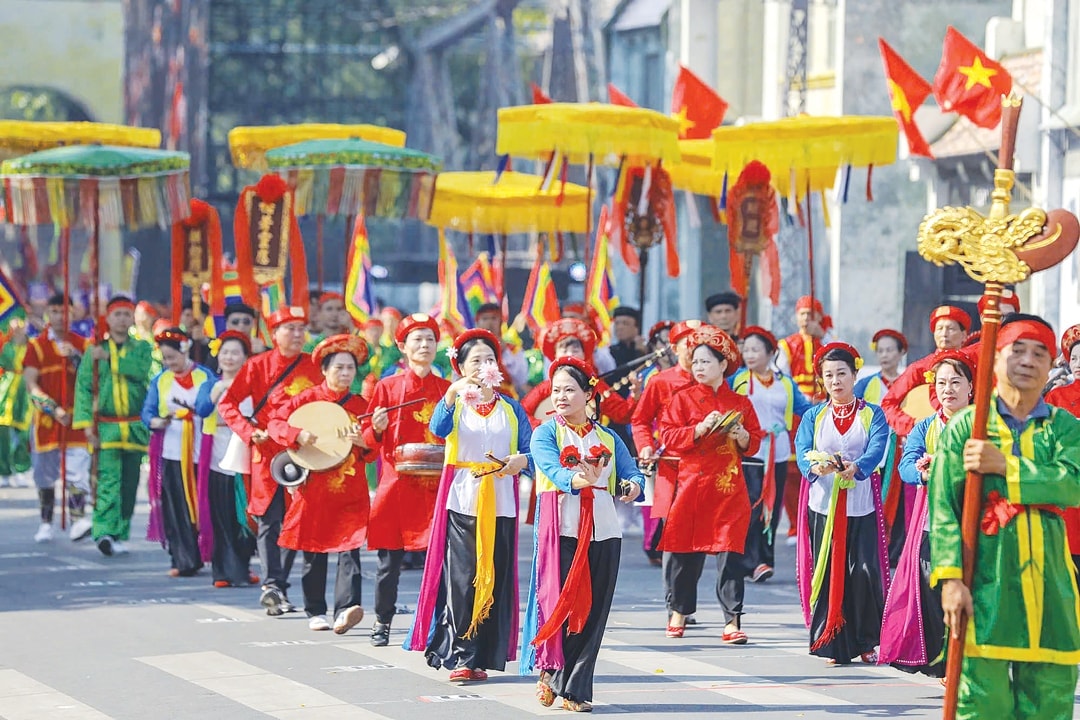
Culture guides the nation's path.
In the Outline of Vietnamese Culture (1943), the Party identified culture as a front, and those working in culture as soldiers. Under the leadership of the Party and President Ho Chi Minh, culture became a sharp weapon on the ideological front, contributing to mobilizing and uniting the entire nation to rise up and gain independence in 1945 with the August Revolution, opening a new era for the nation. On August 28, 1945, the Ministry of Information and Propaganda (the predecessor of the Ministry of Culture, Sports and Tourism ) was established, marking an important milestone, opening up an 80-year journey of the cultural sector accompanying the nation.
During the two wars of resistance against France and the United States, culture truly served as a "sharp weapon on the ideological front," inspiring the entire nation to resolutely defend the homeland. Even during the extremely difficult period of the war against France, at the National Cultural Conference in November 1946, President Ho Chi Minh emphasized: "Culture must illuminate the path for the nation to follow." Many resistance art and cultural movements, musical works, paintings, and poems became sources of faith and strength, nurturing the aspiration for national liberation. Along with culture, activities related to tourism and sports were also developed to improve the physical and mental well-being of the Vietnamese people.
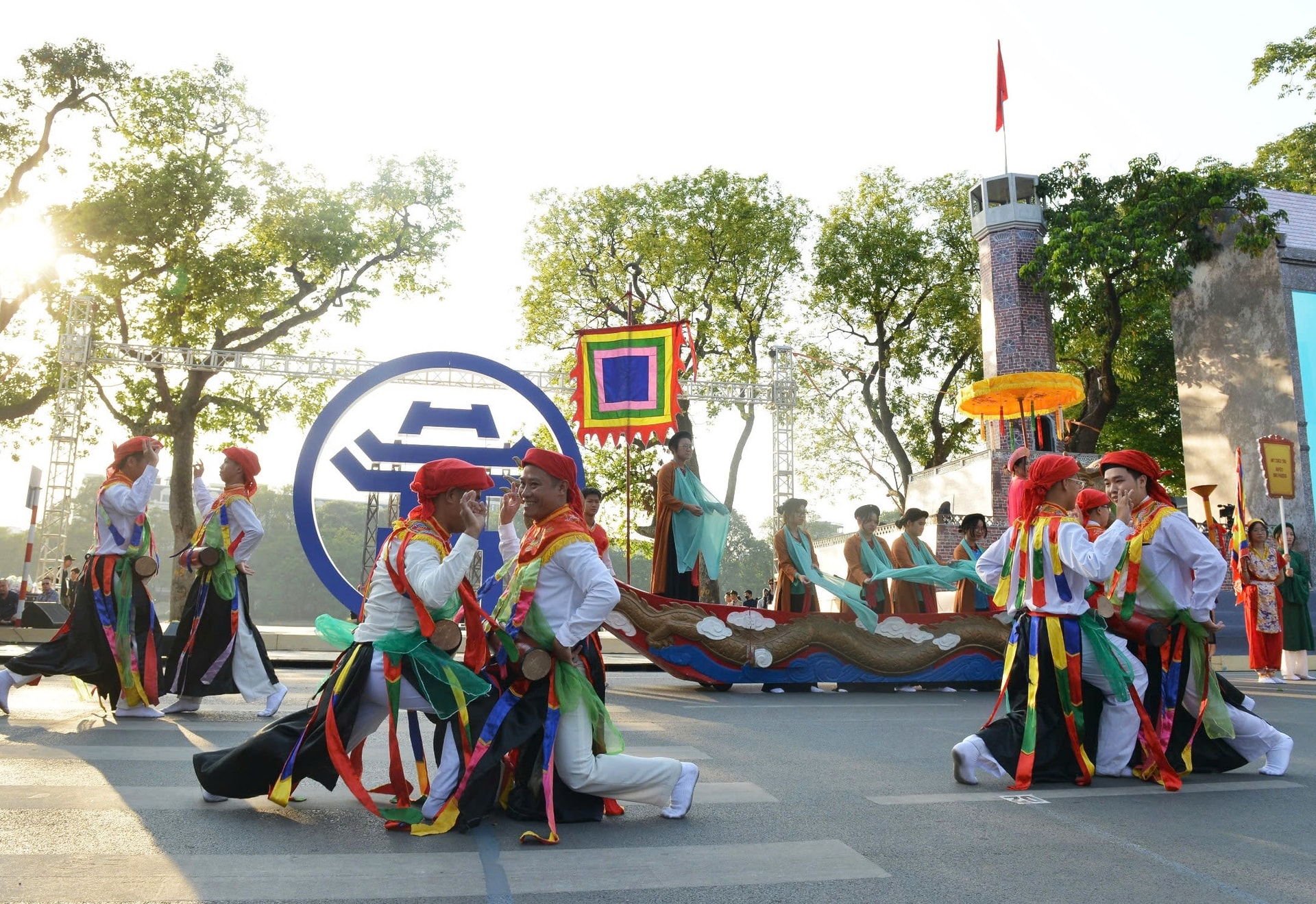
After the reunification of the country (1975), the cultural sector once again undertook the mission of healing the wounds of war, restoring the people's spiritual life, and rekindling faith in national reconstruction. During the period of reform, many cultural movements were widely implemented, notably: the "National Unity for Building a Culturally Rich Life" movement , the "Good People - Good Deeds" movement , and the "Healthy for the Nation " movement… creating a strong ripple effect and enriching the people's spiritual lives.
Looking back at the 80-year journey of Vietnamese cultural development, Minister of Culture, Sports and Tourism Nguyen Van Hung stated that since its establishment, the Party and State have always affirmed the special position of culture. Resolution No. 5 of the 8th Central Committee (1998) clearly stated: “Culture is the spiritual foundation of society, both a goal and a driving force for socio-economic development.” Following this, Resolution 33-NQ/TW (2014) affirmed the task of building and developing Vietnamese culture and people to meet the requirements of sustainable national development. The documents of the 13th National Congress of the Party once again emphasized the requirement to “awaken the aspiration for a prosperous and happy country” on the foundation of culture.
Culture is the pillar of development.
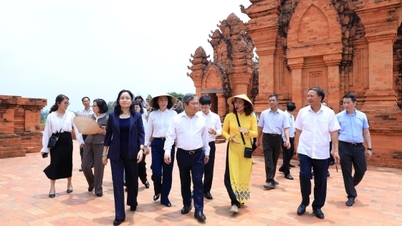
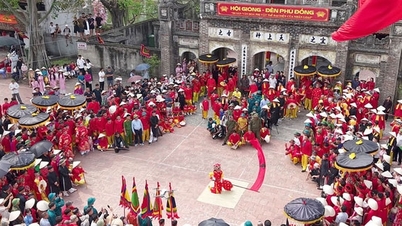
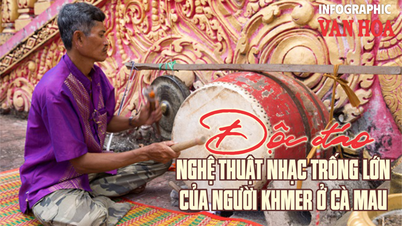
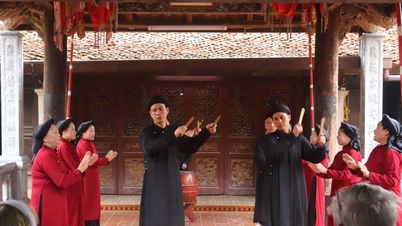
Thanks to the attention of the Party and the State, over the past 80 years, the cultural sector has made great strides: preserving and promoting the treasure trove of national cultural heritage; many tangible and intangible heritages have been honored by UNESCO, such as Hue Royal Court Music, Ca Tru, Quan Ho Folk Songs, Mother Goddess Worship, and Bai Choi Art... This is both a source of pride and a responsibility to continue preserving and passing on to future generations.
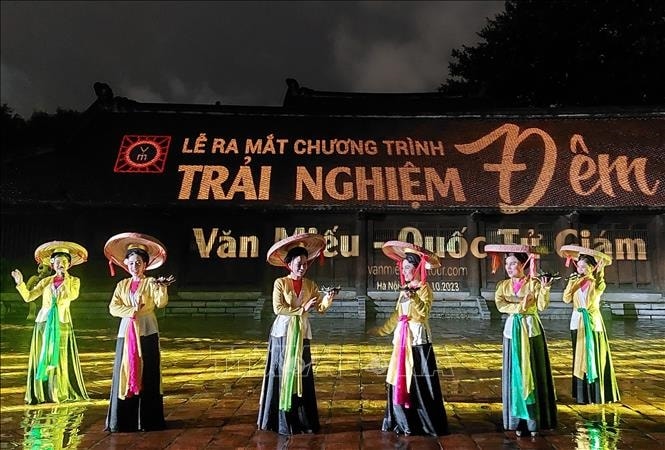
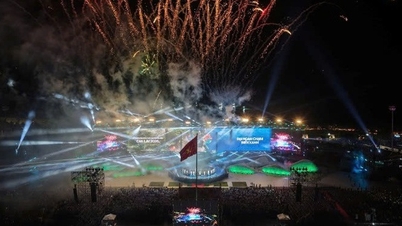
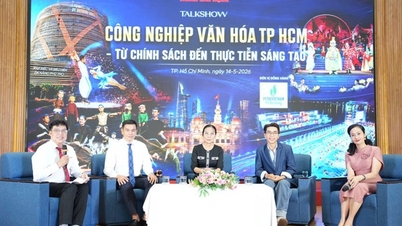
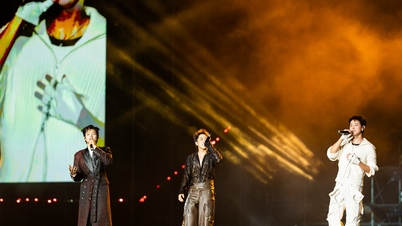
Culture is not just about preservation; it also accompanies socio-economic development. Performing arts, film, fine arts, advertising, cultural tourism, and other fields are gradually forming a cultural industry, contributing increasingly significantly to GDP growth, creating jobs, and spreading a friendly and dynamic image of Vietnam to the world.
Minister Nguyen Van Hung stated that, in the new development phase, the work of building and perfecting cultural institutions is increasingly emphasized; the mindset of "doing culture" has shifted to "state management of culture," approaching the orientation of development governance. A particularly noteworthy point is that the National Assembly has approved the National Target Program on Cultural Development for the period 2025-2035.
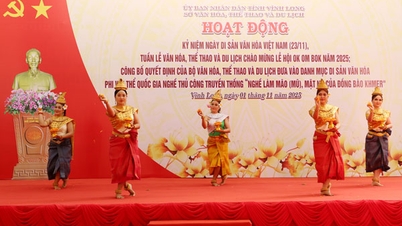
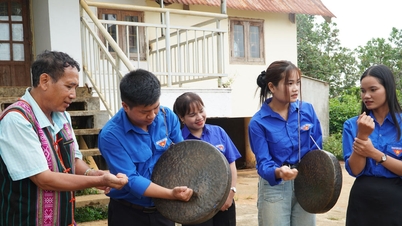
The cultural environment is increasingly being built in a profound and substantive way, where people are both creators and beneficiaries. Many new models and effective approaches contribute to the preservation of traditional culture, especially the culture of ethnic minorities. The cultural industry is gradually becoming more professional, making a significant contribution to economic growth. Cultural diplomacy is shifting from "exchanges and meetings" to "substantive cooperation," enhancing the nation's standing. Mass sports are developing strongly, and high-performance sports are asserting their prestige on the international stage. Tourism and journalism have become "bridges" connecting the country for deeper integration; tourism is continuously growing, and journalism and publishing play a crucial role in conveying knowledge and the voice of the people.
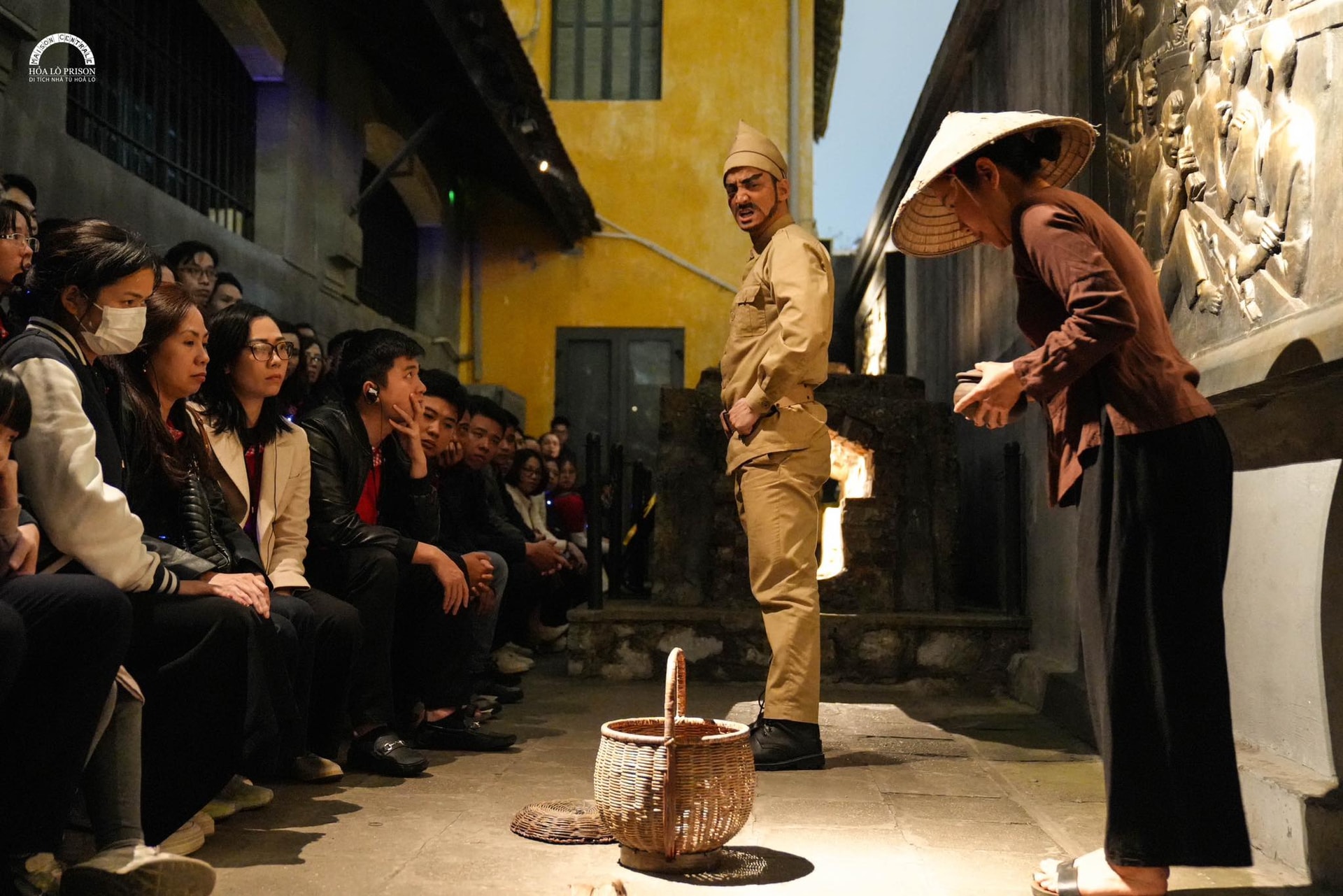
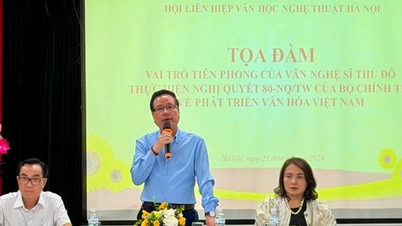
In Hanoi – the thousand-year-old capital of culture, a place where the finest aspects of national culture converge and spread – cultural development is always prioritized, demonstrating its leading position in cultural and human development. Deputy Secretary of the Hanoi Party Committee Nguyen Van Phong affirmed that culture is a crucial pillar and a new resource for economic and social development. Hanoi's culture and people are not only the foundation but also the development goal that the city aims for.
Therefore, through many generations of leaders, Hanoi has always invested in the cultural sector. During the 2021-2025 term, the Hanoi City Party Committee issued Program 06-CTr/TU (2021) on cultural development, improving the quality of human resources, and building elegant and civilized Hanoi people; and Resolution 09-NQ/TU on the development of the cultural industry in the capital city for the period 2021-2025, with orientation to 2030 and a vision to 2045.
Recently, Hanoi City issued Resolution 24/2025/NQ-HĐND on the organization and operation of the Cultural Industry Center in the city, and Resolution 25/2025/NQ-HĐND on the commercial and cultural development zone with many preferential mechanisms and policies. These important decisions demonstrate the leading position of the Capital City in the overall cultural development strategy of the whole country.
Looking back over 80 years, the cultural sector has proven its role as "guiding the nation's path," as President Ho Chi Minh instructed. Culture is both a solid spiritual foundation and an intrinsic driving force, contributing to helping the nation overcome difficulties and affirm its character and position in the new era.
Source: https://hanoimoi.vn/80-nam-van-hoa-di-cung-dat-nuoc-714141.html
![[Photo] General Secretary and President To Lam presides over a working session with the Central Policy and Strategy Committee on the development of the materials industry.](https://vphoto.vietnam.vn/thumb/1200x675/vietnam/resource/IMAGE/2026/05/21/1779359935432_a3-bnd-3129-1412-jpg.webp)

![[Photo] National Assembly Chairman Tran Thanh Man working with the Standing Committee of the Law and Justice Committee](https://vphoto.vietnam.vn/thumb/1200x675/vietnam/resource/IMAGE/2026/05/21/1779378929214_ndo_br_1-4610-jpg.webp)



























































Comment (0)