


High-risk groups for illness during prolonged hot weather.
Prolonged hot weather not only causes fatigue but also increases the risk of a range of dangerous illnesses such as stroke, heatstroke, diarrhea, and respiratory diseases.
According to Dr. Nguyen Huy Hoang of the Vietnam Society of Underwater and Hyperbaric Oxygen Therapy, prolonged hot weather significantly increases five main disease groups in the community: cardiovascular diseases and stroke; digestive diseases and food poisoning; respiratory diseases; summer infectious diseases such as dengue fever and hand, foot, and mouth disease; and skin diseases such as prickly heat, dermatitis, and fungal infections due to excessive sweating and constantly moist skin.
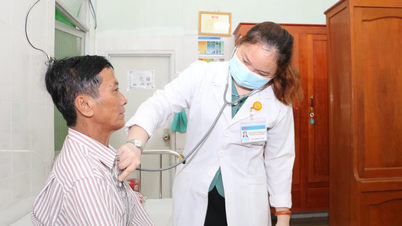
Dr. Hoang explained that several groups are at higher risk during hot weather. First and foremost are the elderly. As people age, their ability to regulate body temperature decreases, and their sense of thirst diminishes. They often become dehydrated without realizing it, leading to many dangerous complications.
The second group consists of people with underlying conditions such as cardiovascular disease, diabetes, kidney failure, and chronic lung disease. Their bodies already have reduced reserves, making it difficult for them to adapt to high temperatures. When exposed to heat, the risk of heart failure, stroke, or acute kidney failure increases significantly.
Young children are also a vulnerable group. Their thermoregulation system is not yet fully developed. They also lack the self-awareness to drink enough water. Therefore, they are very susceptible to dehydration or fever due to heat.
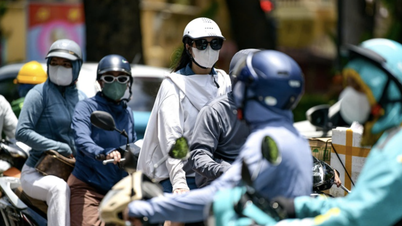
Outdoor workers are a high-risk group because they are subjected to the double impact of environmental heat and heat from physical activity. In addition, obese individuals, those who consume large amounts of alcohol, or those taking diuretics or cardiovascular medications are also more likely to experience complications.
Boost your immunity during the hot season.
To protect your health during the hot season, Doctor Hoang advises everyone to pay attention to the following principles.
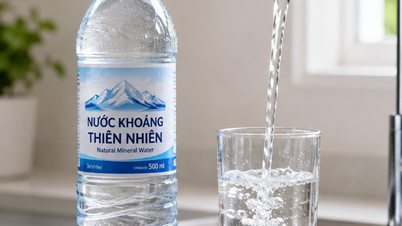
First, proactive hydration is key. Drink water regularly throughout the day, don't wait until you're thirsty. This is the most important factor in maintaining normal bodily functions. Accordingly, adults should drink about 1.5-2.5 liters of water per day, depending on their physical condition and activity level. People who work outdoors or exercise a lot need more water to compensate for the amount lost through sweat.
"People shouldn't drink a large amount of water in a short period of time because it can cause electrolyte imbalance. Instead, they should drink in small sips, spread evenly throughout the day. Drinking water while sitting also helps the body absorb it better. Warm water or water at room temperature is preferred. Limit ice-cold water as it can easily irritate the digestive and respiratory tract. Soft drinks, carbonated drinks, coffee, and alcoholic beverages should be limited as they increase dehydration," said Dr. Hoang.
Children need to be reminded to drink water frequently because they rarely do it proactively. The elderly also need to be mindful because their sense of thirst often diminishes. In cases of dehydration due to diarrhea, fever, or strenuous activity, oral rehydration solution (ORS) can be used, but it must be mixed according to the correct ratio; do not change it arbitrarily.
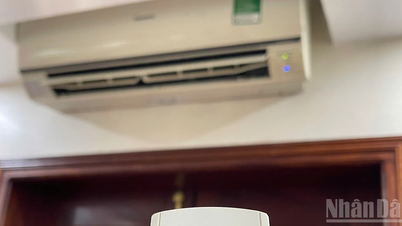
Secondly, adapt to the temperature. Limit going outside during peak sunlight hours. When using air conditioning, set a reasonable temperature and avoid sudden temperature changes between environments.
Thirdly, practice safe bathing. Avoid bathing immediately after being in the sun or while your body is still sweating profusely. Rest and dry yourself thoroughly before bathing.
Fourth, use medication safely. Do not administer intravenous fluids or take medication without a doctor's guidance.
Finally, it's crucial to protect high-risk groups such as children, the elderly, and those with underlying health conditions. Close monitoring for any unusual signs is necessary for early detection and timely intervention.
By simply following these guidelines, the risk of illness during hot weather will be significantly reduced.
Boosting immunity during hot weather is crucial. Therefore, Dr. Hoang advises everyone to ensure adequate nutrition; supplementing vitamins and minerals from green vegetables and fruits, especially vitamins C and E, which help fight oxidation and protect cells from the effects of high temperatures.
Dr. Hoang advises that sleep plays a very important role. It's recommended to get 6-8 hours of sleep each day. During sleep, the body recovers and produces immune factors. Lack of sleep will significantly reduce immunity.
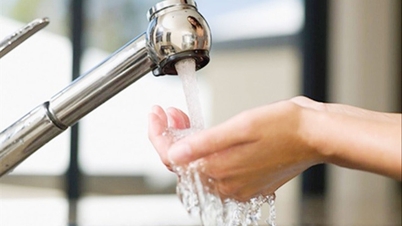
In addition, maintaining gentle physical activity such as walking or exercising in the early morning or late afternoon is recommended. Exercise helps improve circulation and increase the body's adaptability. Maintaining personal hygiene, washing hands frequently, and keeping the living environment clean are also important factors in limiting illness.
Source: https://nhandan.vn/ai-de-guc-nga-trong-dot-nang-nong-keo-dai-post964426.html




![[Image] Hanoi's urban life under the challenge of a "scorching hot" environment](https://vphoto.vietnam.vn/thumb/1200x675/vietnam/resource/IMAGE/2026/05/25/1779706979265_nang-nong-t5-2026-minh-duy-7-4636-jpg.webp)




















































































Comment (0)