

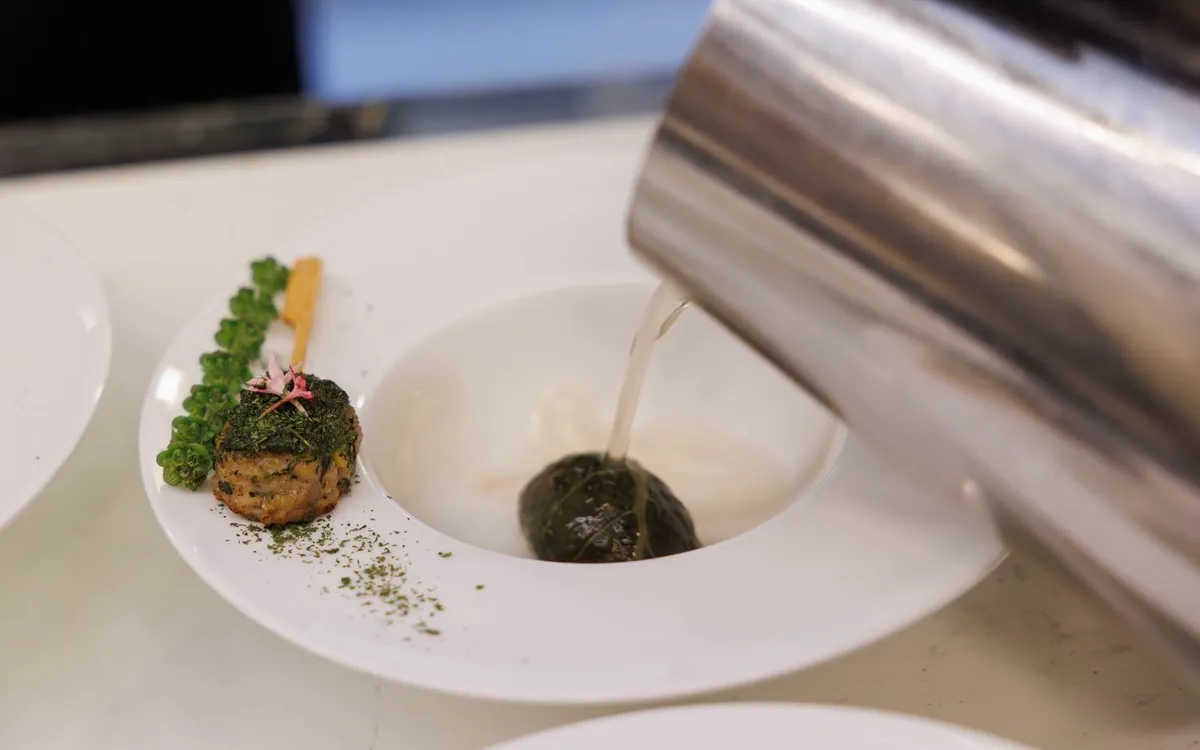
AI is transforming the way a wide range of industries operate, and the F&B industry is no exception. Recently, the Future Menus 2026 event highlighted trends in operations, decision-making, and customer experience building within the increasingly competitive F&B market.

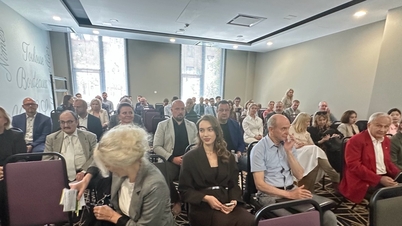
Guests attending the Future Menus 2026 event
As the F&B industry enters the "strategic decision-making" phase
According to Mr. Nguyen Xuan Huy, CEO of Unilever Food Solutions Vietnam, the F&B industry is undergoing a significant transformation. Customers are spending less but focusing more on the experience. Simultaneously, businesses are facing pressure regarding raw material costs, operations, personnel, and the constantly changing market trends.
This means the chef's role is no longer limited to creating delicious food, but becomes that of a decision-maker who directly impacts the restaurant's business performance and long-term growth potential.

Mr. Nguyen Xuan Huy, CEO of Unilever Food Solutions Vietnam
"Today's success is no longer about chasing the fastest trends, but about the ability to understand customers more deeply and make the right choices. Future Menus 2026 is built with the desire to help chefs and F&B businesses not only see trends, but also transform those trends into practical solutions for their business models," Mr. Huy said.
At Future Menus 2026, Unilever Food Solutions introduced four trends predicted to lead the global food market in the near future. Instead of approaching these trends as "short-lived fads," Unilever Food Solutions views them as "reference points" to help chefs and F&B businesses better define the direction that best suits their business model.
Streetfood Couture reflects the shift of street food from a casual experience to elevated versions in terms of technique, ingredients, and presentation, while still retaining the original spirit and familiar connection of street food to local life.
Meanwhile, Borderless Cuisine demonstrates that diners are becoming increasingly open to multicultural experiences. However, instead of purely experimental "fusions," the new trend focuses on recreating cultures through flavor, where ingredients and techniques are blended to create experiences that are both novel and accessible.
Conversely, Culinary Roots reflects a trend of returning to authentic values. As consumers become increasingly interested in local identity and the stories behind food, indigenous ingredients and artisanal techniques are becoming a new source of inspiration for modern culinary experiences.
The final trend, Diner Designed (Personalized Menus), reflects a shift in the expectations of modern diners. They not only want to be served, but also want to be more involved in the journey of creating a dining experience that suits their individual needs and style.
According to Unilever Food Solutions, the value of trends lies not in "what will be the next trend," but in the ability to transform these trends into a practical advantage in business operations and development.
AI opens up new approaches for the F&B industry.
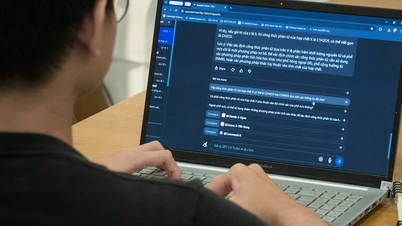
One of the notable highlights of Future Menus 2026 is Unilever Food Solutions' integration of AI as part of its journey in building and operating menus in the F&B industry. Instead of being approached as a demonstration technology, AI at Future Menus 2026 is positioned as a decision-making support tool, helping chefs and F&B businesses bridge the gap between creative inspiration and practical implementation.
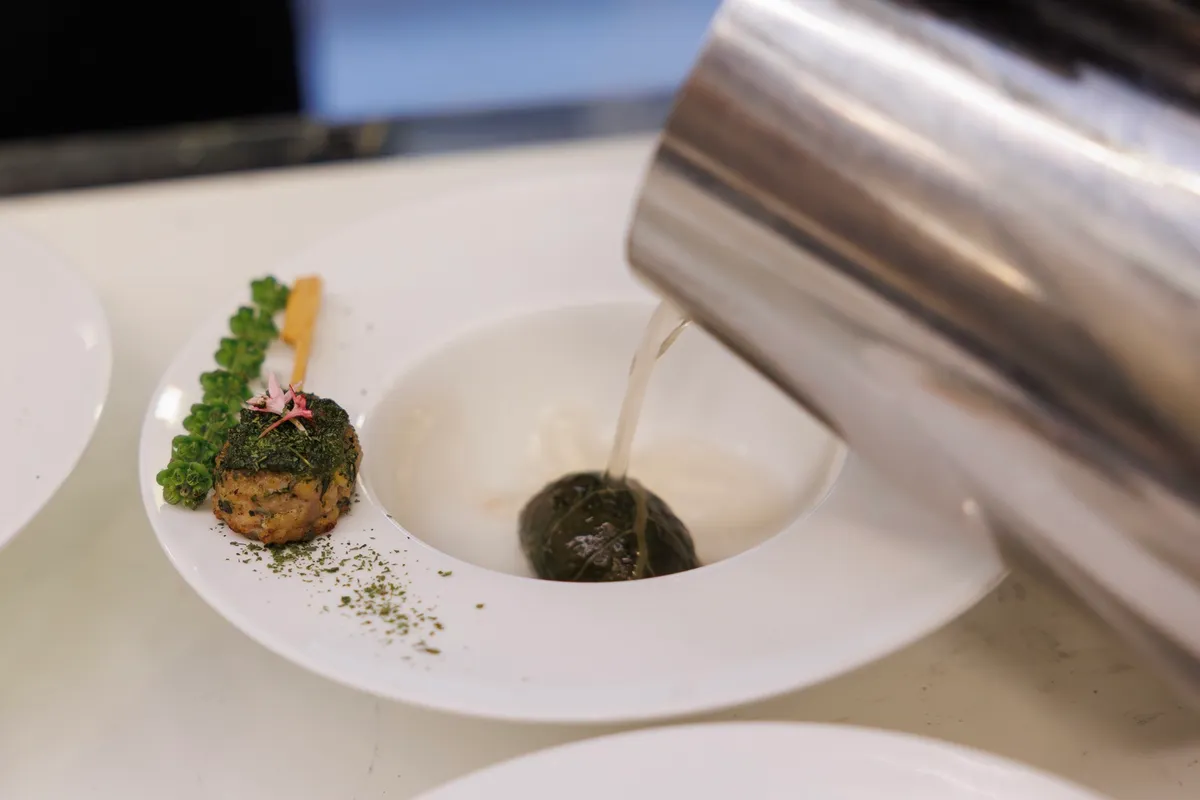
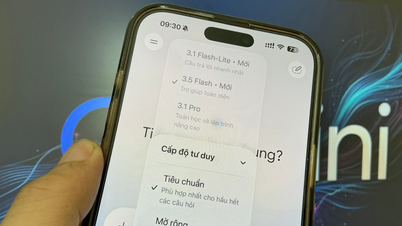
Many AI applications are opening up new approaches for the F&B industry.
In the context of rapidly changing customer tastes and increasingly shorter trend cycles, many restaurants no longer have the time to "trial and error" as before. What they need is not just new ideas, but the ability to assess which trends truly fit their model and which direction can create a long-term competitive advantage.
This is also the role that AI is beginning to play in the F&B industry: analyzing consumer behavior data, identifying trend signals, suggesting flavor combinations, and assisting in personalized menu customization based on specific business models.
From trends to decision-making capabilities in the F&B industry.
Beyond simply updating trends, Future Menus 2026 is built as a platform to help the F&B community transform market information into decisions that can be directly applied to business operations and development.
The strategic dialogue sessions at the event didn't revolve around the question of "which trends are emerging," but rather focused on how chefs, businesses, and industry professionals assess trends, select suitable ones, and translate market changes into tangible competitive advantages.


Guests attending the Future Menus 2026 event
Through a multi-sensory experience, attendees not only discover trending dishes but also gain access to practical solutions related to cooking techniques, menu planning, operational optimization, and the application of AI in decision-making.
With Future Menus 2026, Unilever Food Solutions not only continues its role as a partner to the Vietnamese F&B community, but is also gradually shaping a new approach to the industry – where chefs' skills are no longer limited to cooking techniques, but become strategic leadership capabilities, helping businesses overcome today's challenges and confidently step into the future of the F&B industry.
Source: https://vtv.vn/ai-mo-ra-cach-tiep-can-moi-cho-nganh-fb-100260604172202177.htm














































![[Video] Sunset at Lap An Lagoon – Where the sun sets over the fishing nets](https://vphoto.vietnam.vn/thumb/1200x675/vietnam/resource/IMAGE/2026/05/31/1780192137701_beach-landscape-sea-water-nature-grass-745871-pxhere-com.jpeg)


































Comment (0)