

However, eating correctly is what truly brings benefits. Conversely, if combined incorrectly or abused, this seemingly nutritious meal can have the opposite effect, something few people realize.
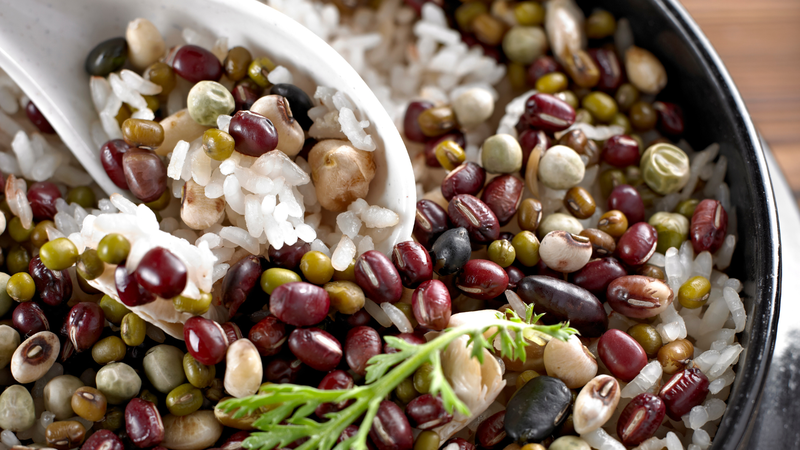
Why is mixed rice with grains so popular?
Grains such as beans, oats, millet, and corn are all rich in fiber, vitamins, and minerals. When combined with white rice—which has a high glycemic index—they help slow the absorption of sugar into the bloodstream, thereby limiting the spike in blood sugar after meals.
Numerous nutritional studies have shown that partially replacing white rice with grains can significantly reduce the glycemic response, while also supporting blood lipid control and improving insulin sensitivity.
But the key lies in the combination and the ratio of use.
4 ways to properly mix rice to maximize health benefits.
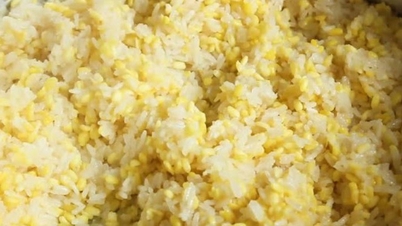
1. Mixed rice with beans – a “shield” for controlling blood sugar.
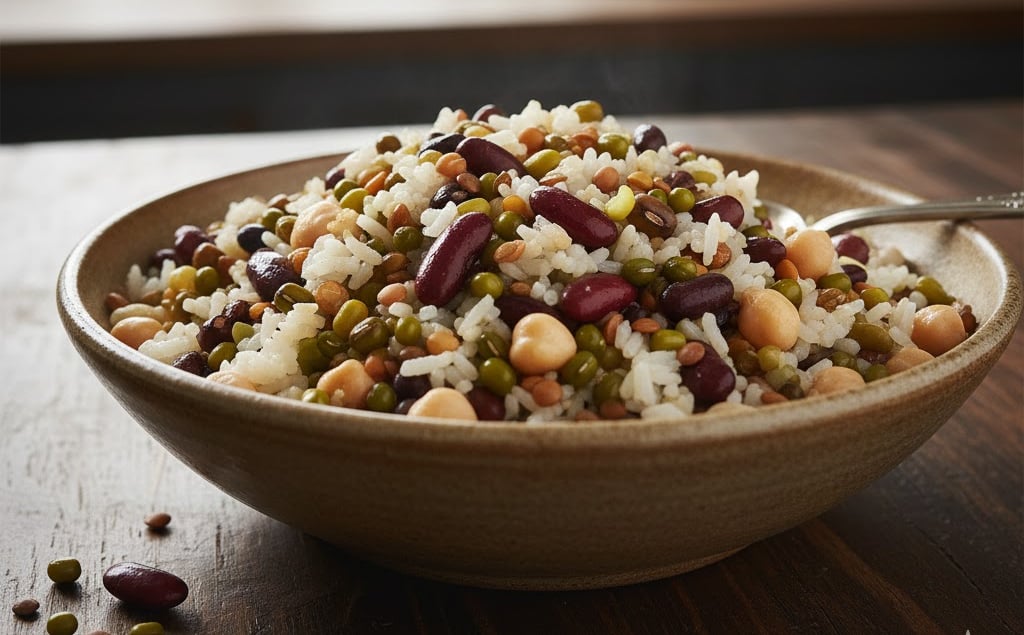
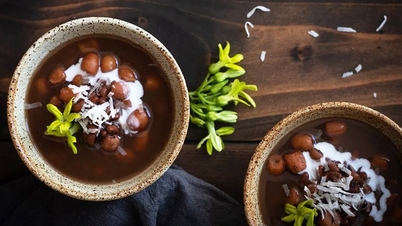
Black beans, mung beans, lentils… are foods with a low glycemic index and contain a lot of resistant starch. This type of starch is not digested quickly, which helps slow down the process of converting it into glucose.
When cooking rice, you can replace about 30–50% of the rice with softened beans. The rice will have a richer flavor, feel fuller for longer, and is especially suitable for people who need to control their blood sugar.
2. Oatmeal rice – supports cardiovascular health and lowers cholesterol.
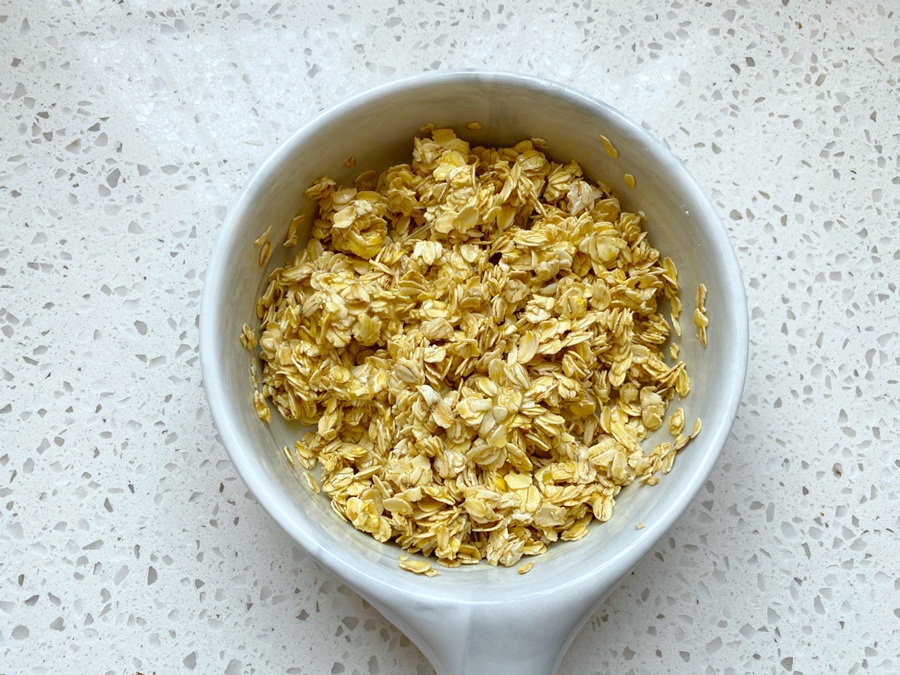
Oats contain β-glucan – a type of soluble fiber that can form a gel-like layer in the intestines, slowing down the absorption of carbohydrates.
When cooked with rice in a 1:1 or 2:1 ratio (rice:oats), this dish not only helps stabilize blood sugar but also supports the reduction of bad cholesterol – a risk factor for cardiovascular disease.
3. Rice mixed with corn – increases fiber, good for the eyes.
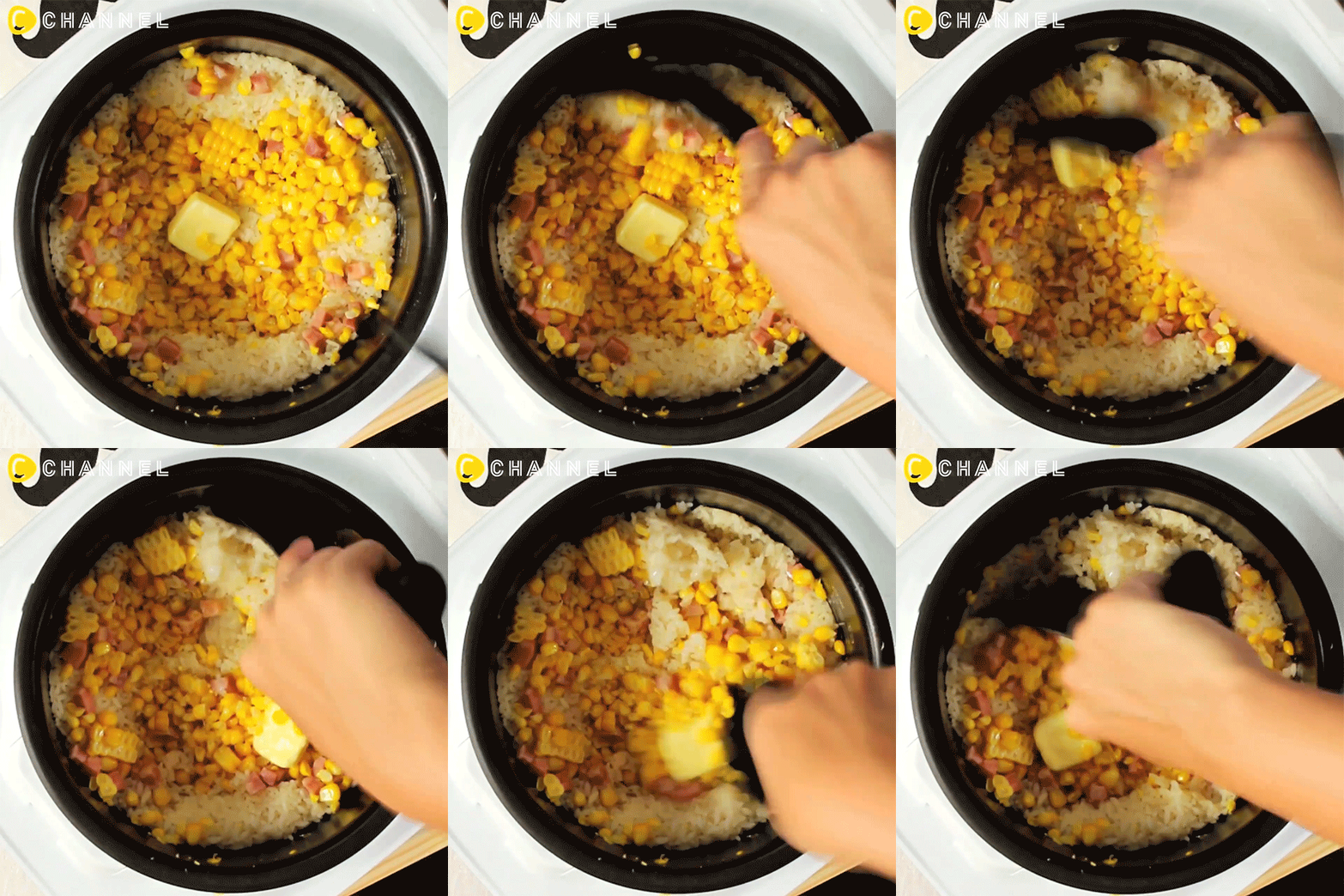
Corn has a medium glycemic index but is rich in fiber and antioxidants like zeaxanthin – which are great for eyesight.
When combined with white rice, corn helps balance nutrition, provides a feeling of fullness, and aids digestion. This is a suitable choice for both the elderly and young children.
4. White rice + brown rice – the "golden" recipe for middle-aged people.
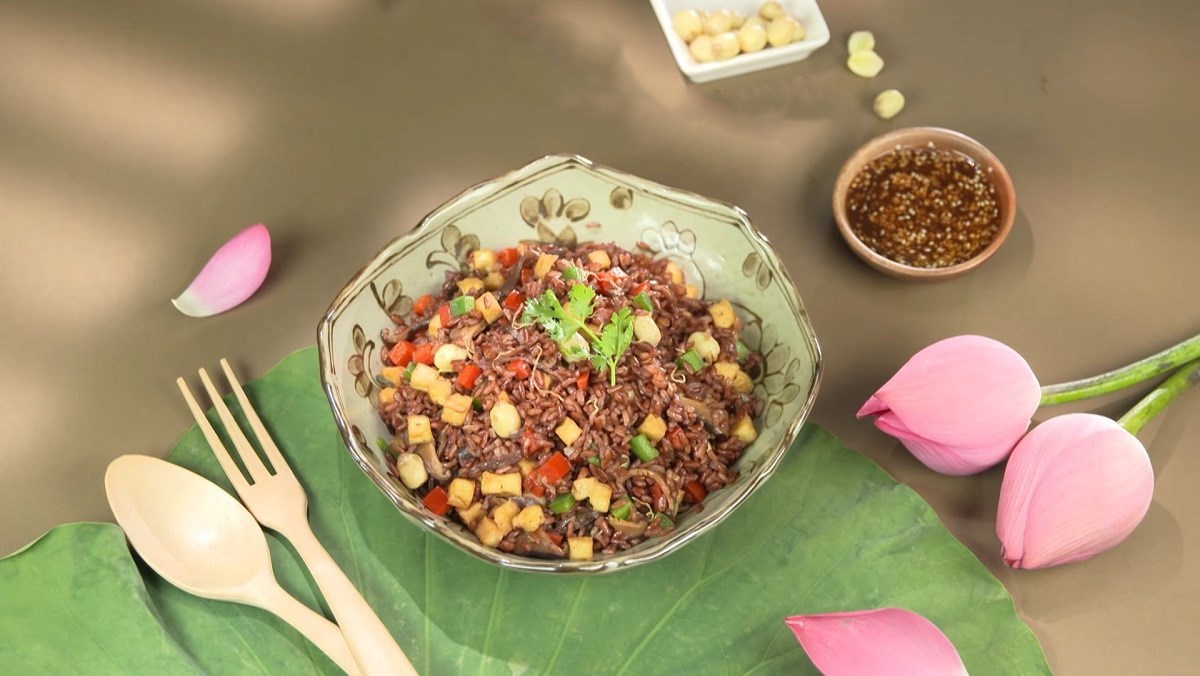
Brown rice is richer in fiber, B vitamins, and minerals than white rice. Mixing the two types of rice helps reduce the burden on blood sugar while maintaining a soft, palatable texture.
In particular, when legumes are added to the diet, the effect on improving insulin sensitivity is even more pronounced – making it very suitable for people with prediabetes or middle-aged individuals.
Advice from a nutritionist
To get the most out of the benefits of mixed grain rice, families should:
Maintain a balanced ratio: do not replace more than 50% of the rice with white rice.
Soak the seeds before cooking to make them easier to digest.
Don't mix too many types at once (2–3 types is ideal).
Adjust according to individual needs: the elderly and those with weak digestion should consume moderate amounts.
Source: https://giadinh.suckhoedoisong.vn/an-com-tron-hat-co-thuc-su-healthy-4-cach-tron-com-an-vao-la-khoe-172260426091533146.htm
![[Photo] Secretary of the National Assembly Party Committee, Chairman of the National Assembly presides over the meeting of the Standing Committee and Executive Committee of the National Assembly Party Committee.](https://vphoto.vietnam.vn/thumb/1200x675/vietnam/resource/IMAGE/2026/06/03/1780480353201_ndo_br_bnd-2585-jpg.webp)

![[Photo] General Secretary and President To Lam presides over a meeting with the Central Organizing Committee.](https://vphoto.vietnam.vn/thumb/1200x675/vietnam/resource/IMAGE/2026/06/03/1780482764658_a1-bnd-4741-3342-jpg.webp)
![[Photo] First session of the 14th Congress of the Vietnam Trade Union](https://vphoto.vietnam.vn/thumb/1200x675/vietnam/resource/IMAGE/2026/06/03/1780465947883_ndo_br_img-3852-jpg.webp)











































![[Video] Sunset at Lap An Lagoon – Where the sun sets over the fishing nets](https://vphoto.vietnam.vn/thumb/1200x675/vietnam/resource/IMAGE/2026/05/31/1780192137701_beach-landscape-sea-water-nature-grass-745871-pxhere-com.jpeg)































Comment (0)