

This statement comes amid rising food price inflation that is having a profound impact on the Indian economy .
This move is expected to alleviate some of the burden on the poor in India, but it signals unpredictable developments for the global food market, as India is one of the world's leading exporters of important agricultural products such as rice, wheat, sugar, and onions.
The program, which provides free or subsidized food to the poor in India, has been in place since the Covid-19 pandemic in 2020. In the latest move, the Indian government announced it will extend the program for another five years, a step described as ensuring that "the stove can continue to burn" in the homes of the country's approximately 800 million people.
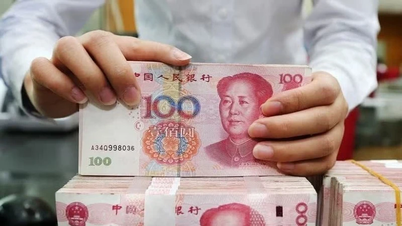
According to calculations, at current purchase prices, the program is expected to cost India up to 2 trillion Rupees (approximately 25 billion USD) annually.
India, the world's second-largest producer of wheat and rice, has restricted exports of both grains to curb rising domestic food prices.
A representative of a Mumbai-based global trading company said the government will be forced to continue maintaining export restrictions for some time longer, as they need to procure grain from farmers to implement the program.
"Without export restrictions, domestic grain prices would rise above the government-set floor price, and they wouldn't be able to buy enough," the person added.
India's rice production is projected to decline in 2023, for the first time in eight years. This further increases the likelihood that India will continue to tighten rice exports, amid the upcoming general election.
According to the United Nations Food and Agriculture Organization (FAO), India's move to restrict rice exports in July 2023 caused world rice prices to reach a record high in the past 15 years. In May 2022, India also unexpectedly banned wheat exports after a heatwave reduced wheat production.
Minh Hoa (compiled from VTV, Vietnam Agriculture)
Source
![[Photo] Secretary of the National Assembly Party Committee, Chairman of the National Assembly presides over the meeting of the Standing Committee and Executive Committee of the National Assembly Party Committee.](https://vphoto.vietnam.vn/thumb/1200x675/vietnam/resource/IMAGE/2026/06/03/1780480353201_ndo_br_bnd-2585-jpg.webp)

![[Photo] General Secretary and President To Lam presides over a meeting with the Central Organizing Committee.](https://vphoto.vietnam.vn/thumb/1200x675/vietnam/resource/IMAGE/2026/06/03/1780482764658_a1-bnd-4741-3342-jpg.webp)
![[Photo] First session of the 14th Congress of the Vietnam Trade Union](https://vphoto.vietnam.vn/thumb/1200x675/vietnam/resource/IMAGE/2026/06/03/1780465947883_ndo_br_img-3852-jpg.webp)
















































![[Video] Sunset at Lap An Lagoon – Where the sun sets over the fishing nets](https://vphoto.vietnam.vn/thumb/1200x675/vietnam/resource/IMAGE/2026/05/31/1780192137701_beach-landscape-sea-water-nature-grass-745871-pxhere-com.jpeg)





































Comment (0)