Hoan Kiem District is not only the busiest commercial and trading hub in Hanoi , but also boasts numerous historical and cultural relics, attracting frequent visits from both domestic and international tourists.
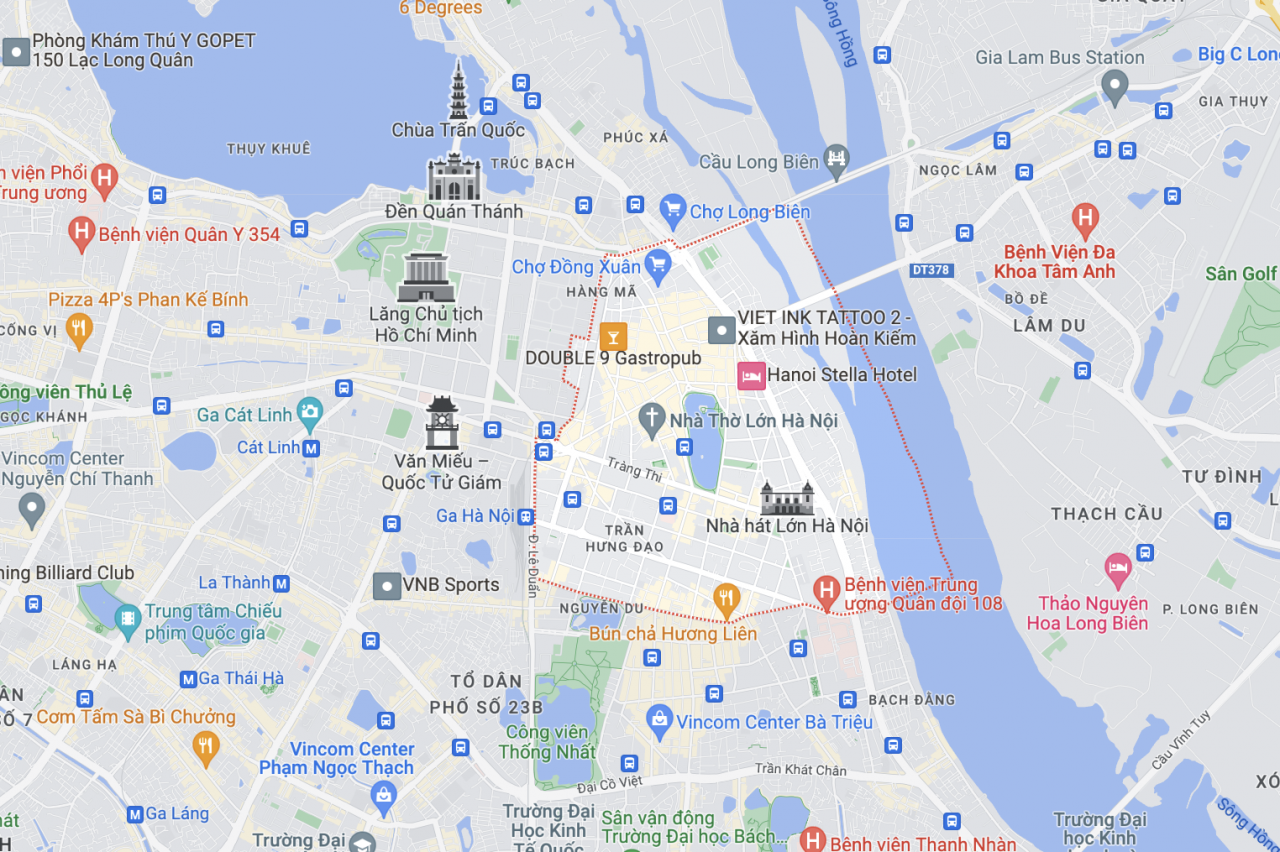
Although geographically not located in the center of the city map, Hoan Kiem District is the heart of the capital, a bustling commercial hub and home to many of Hanoi's most significant historical and cultural landmarks. The boundary between Hoan Kiem and Long Bien districts is separated by the Red River and connected by two iconic bridges: Long Bien and Chuong Duong. Located in Hoan Kiem District, Hoan Kiem Lake is the heart of Hanoi and one of the capital's most popular tourist destinations for both domestic and international visitors. Surrounded by the two major streets of Dinh Tien Hoang and Le Thai To, viewed from above, Hoan Kiem Lake resembles a precious, emerald-green gem, incredibly beautiful and romantic. Any visitor setting foot on this land of thousand-year-old culture for the first time must visit Hoan Kiem Lake.
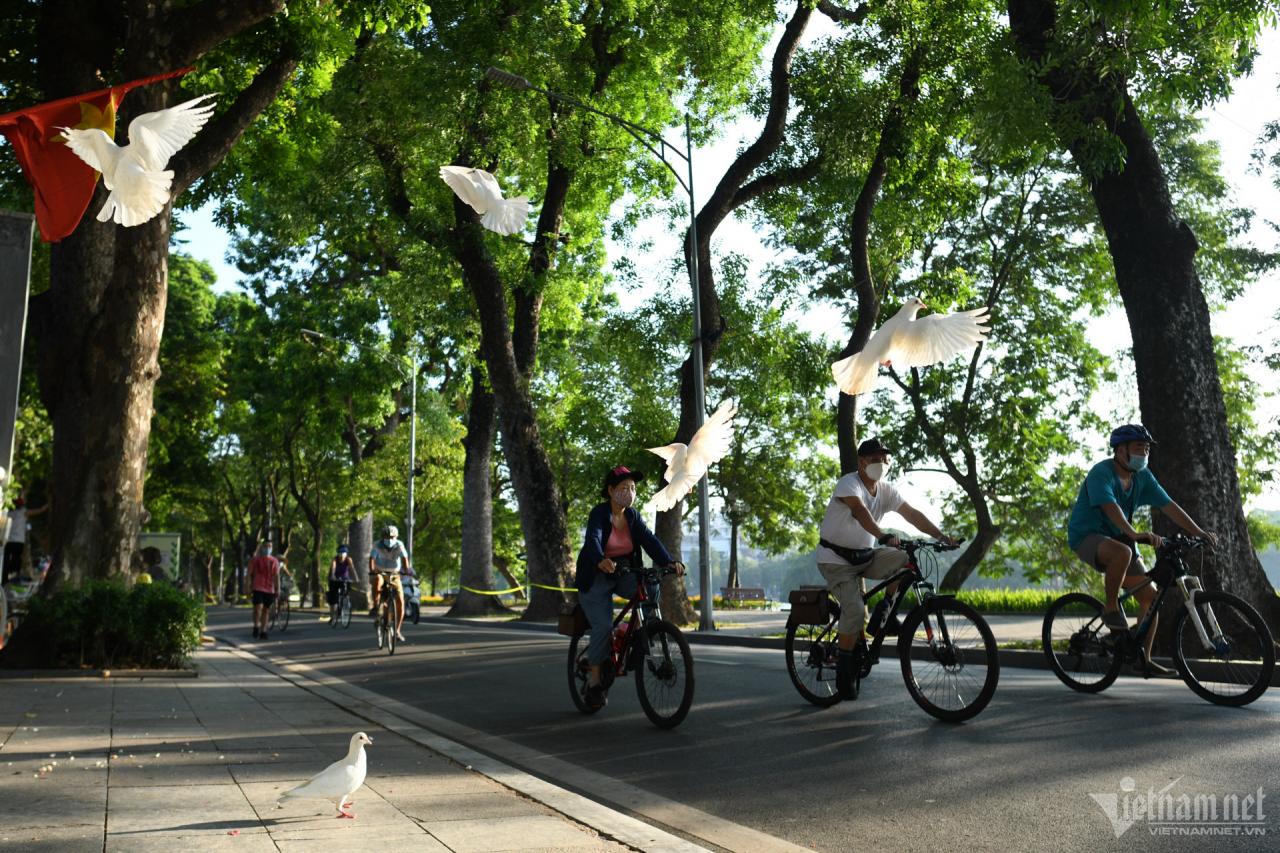
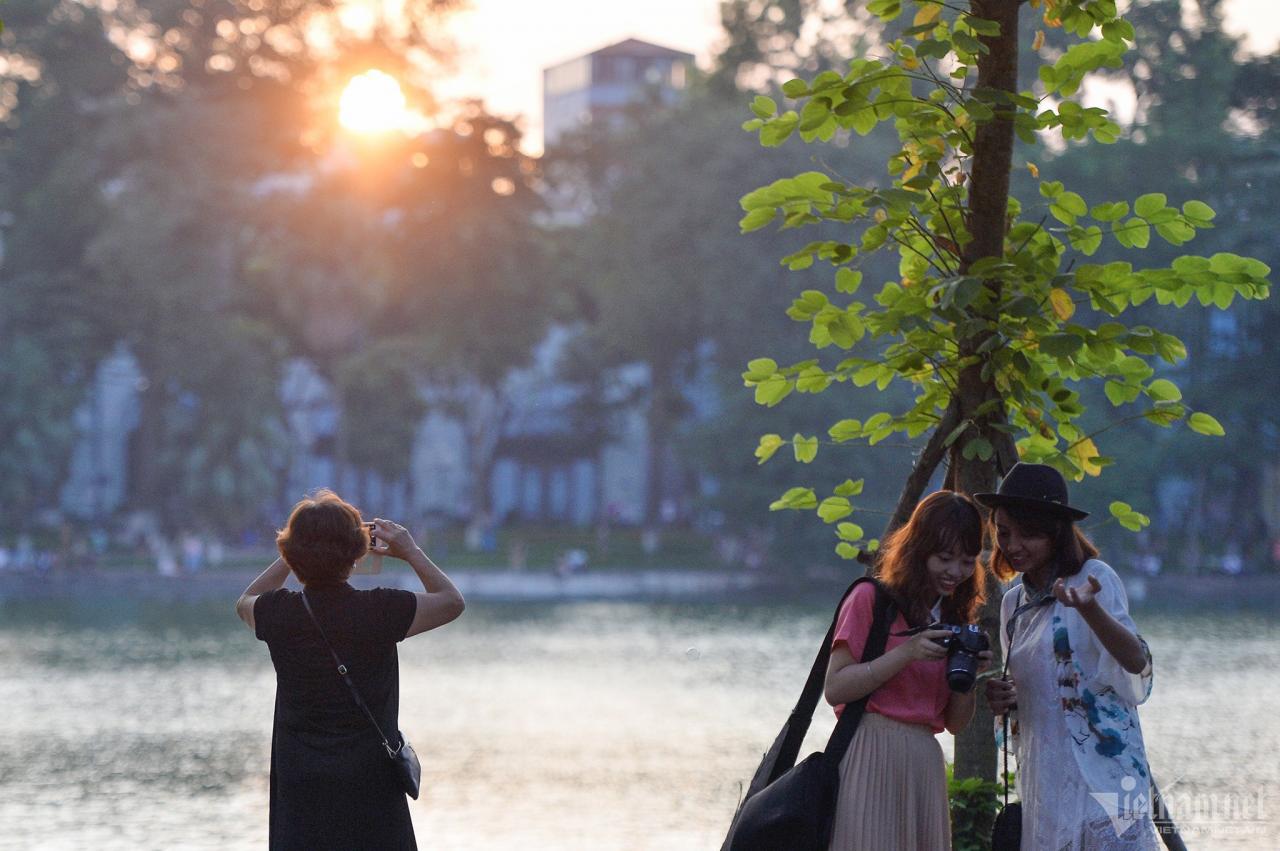
Hoan Kiem Lake is most beautiful in the morning, when hundreds of locals flock there to exercise and breathe in the fresh air. At sunset, it's equally romantic. Cycling leisurely around the lake is a favorite pastime for many seniors and middle-aged people. Seven years ago, on September 1st, 2016, Hanoi inaugurated the Hoan Kiem Lake pedestrian zone, open on Saturdays, Sundays, and Friday evenings. During this period, the city allowed hotels with 3 stars or more, bars, and restaurants in the Hoan Kiem Lake area to stay open until 2 AM the following morning.
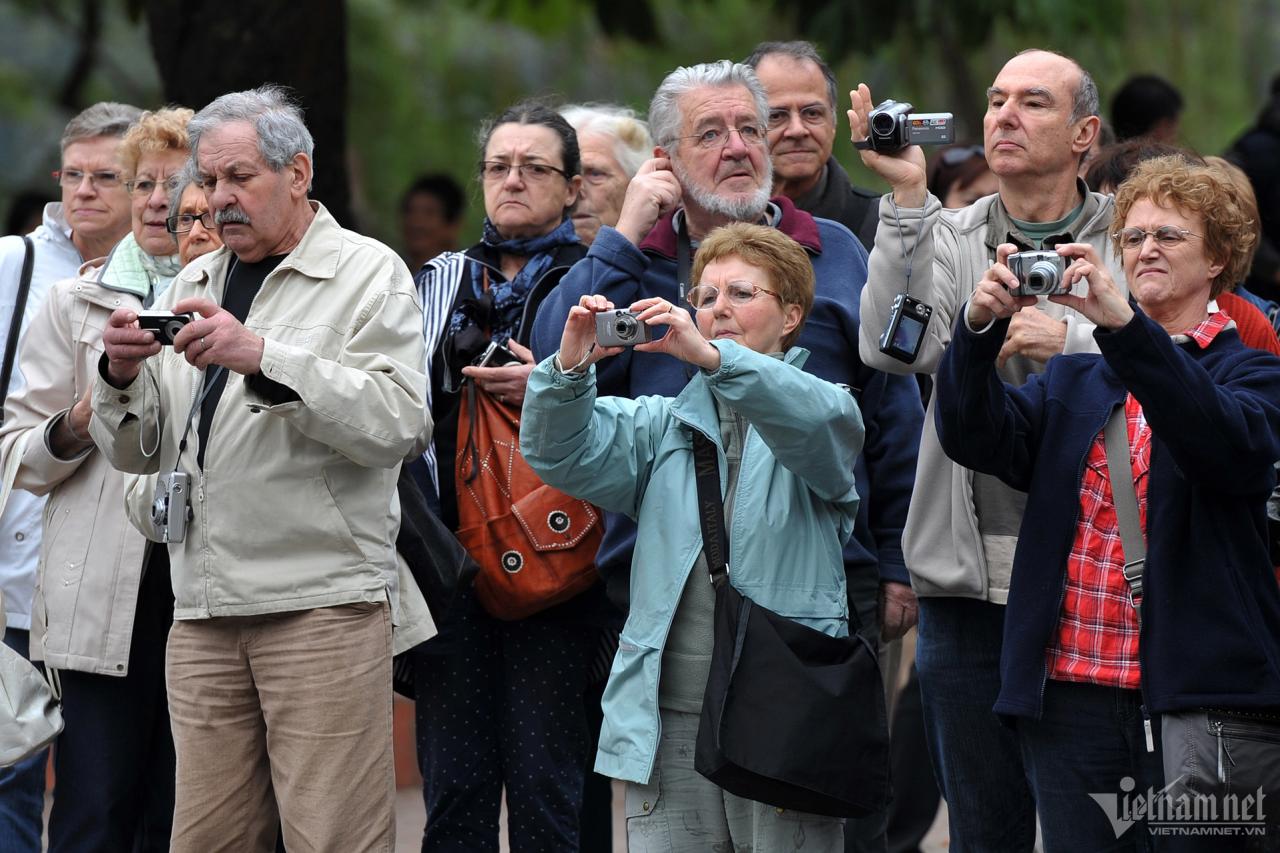
Since its establishment, the pedestrian street by Hoan Kiem Lake has become the most bustling entertainment center in the capital. Not only do families and groups of young people choose this place for weekend getaways, but many international tourist groups visiting Hanoi also make a point of visiting.
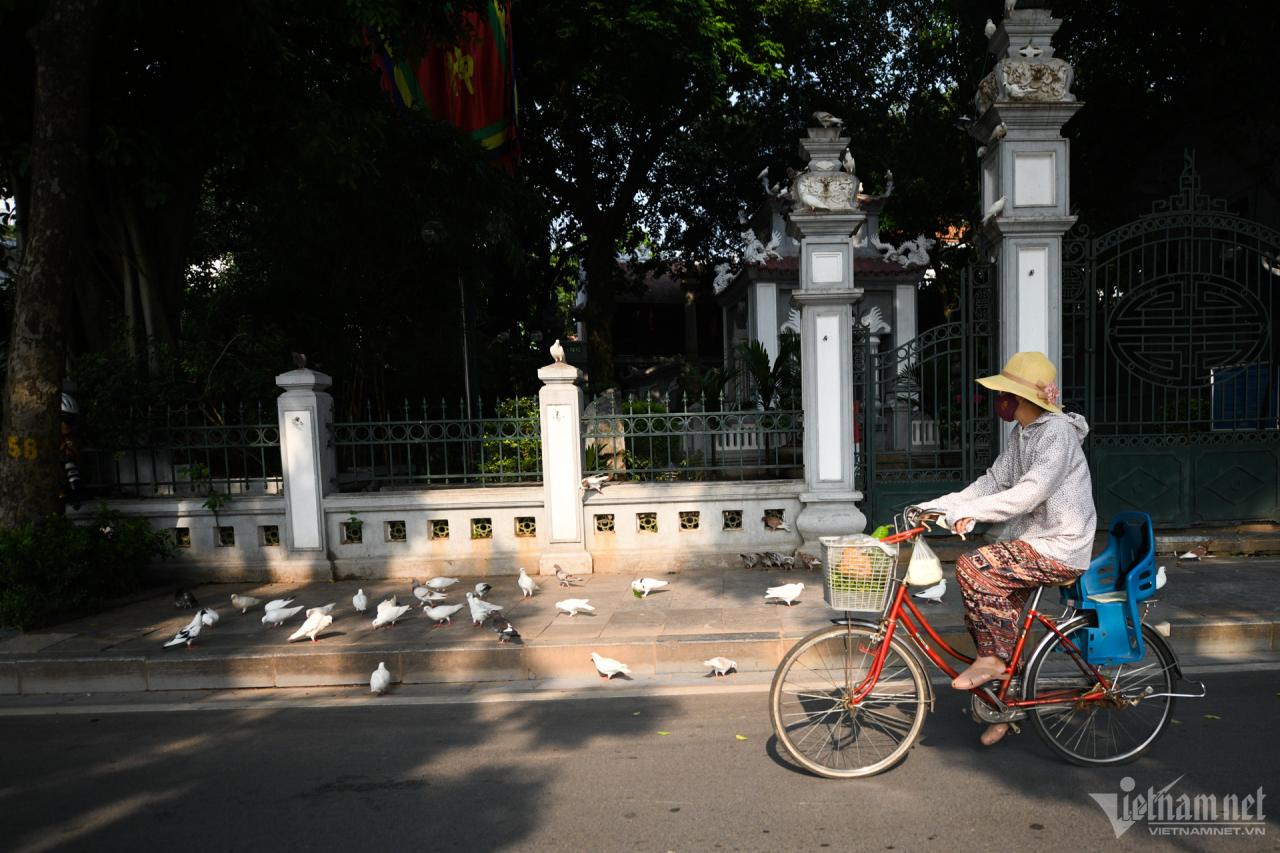
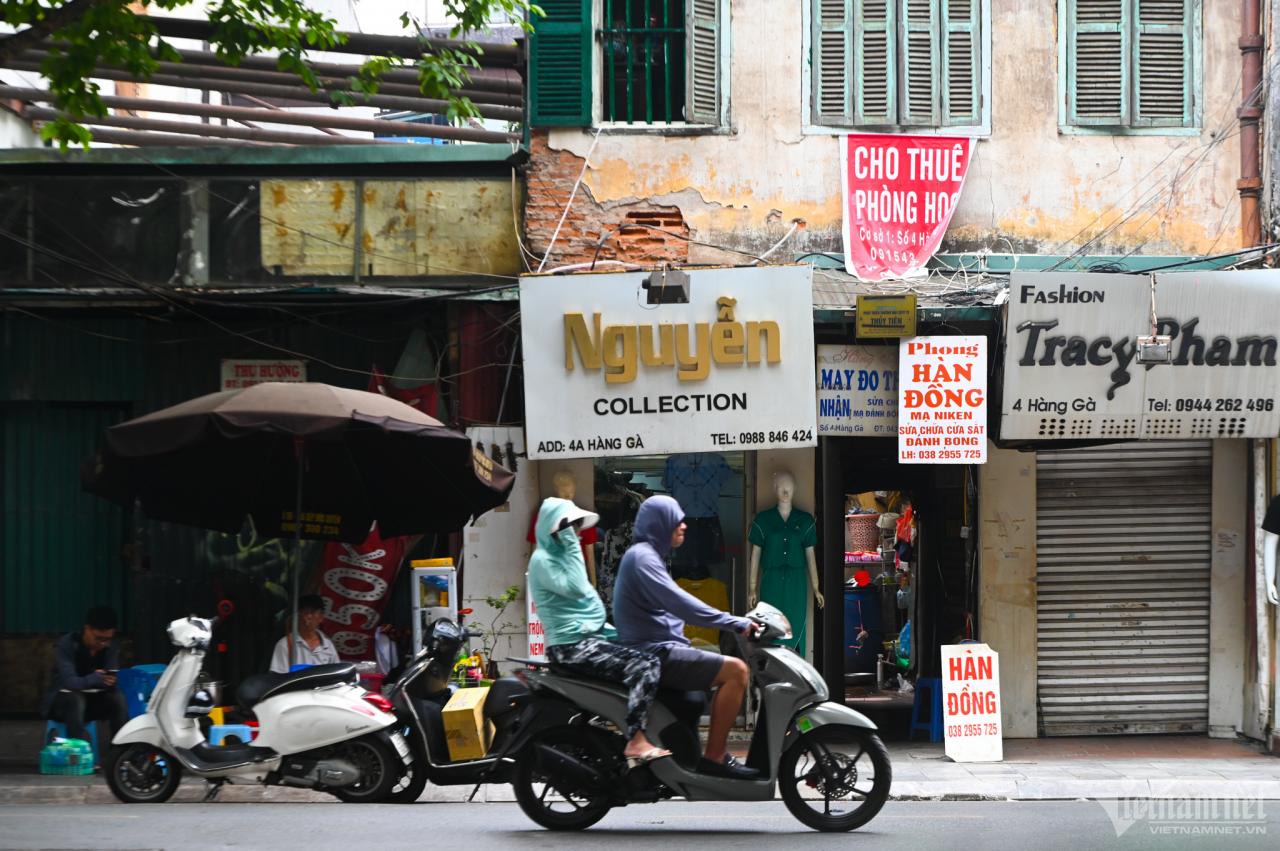
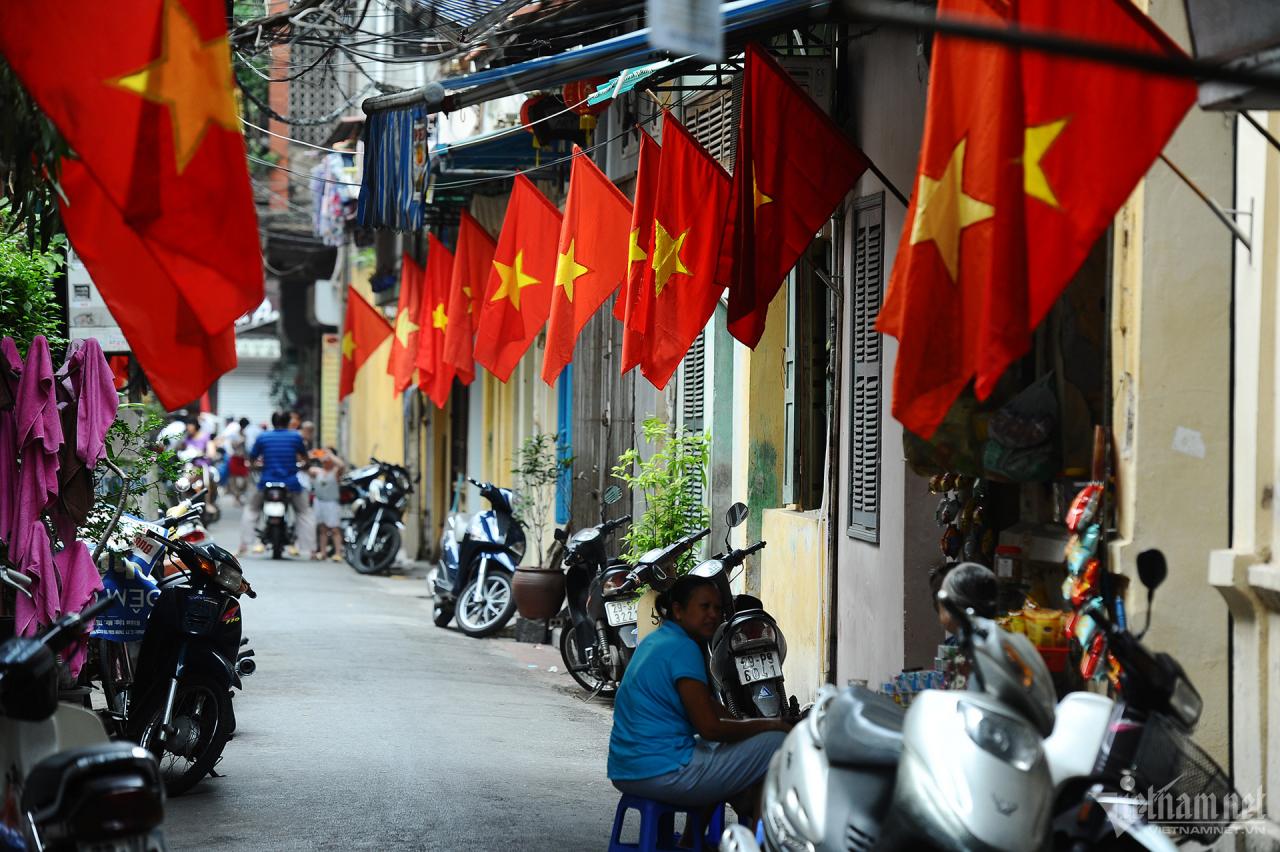
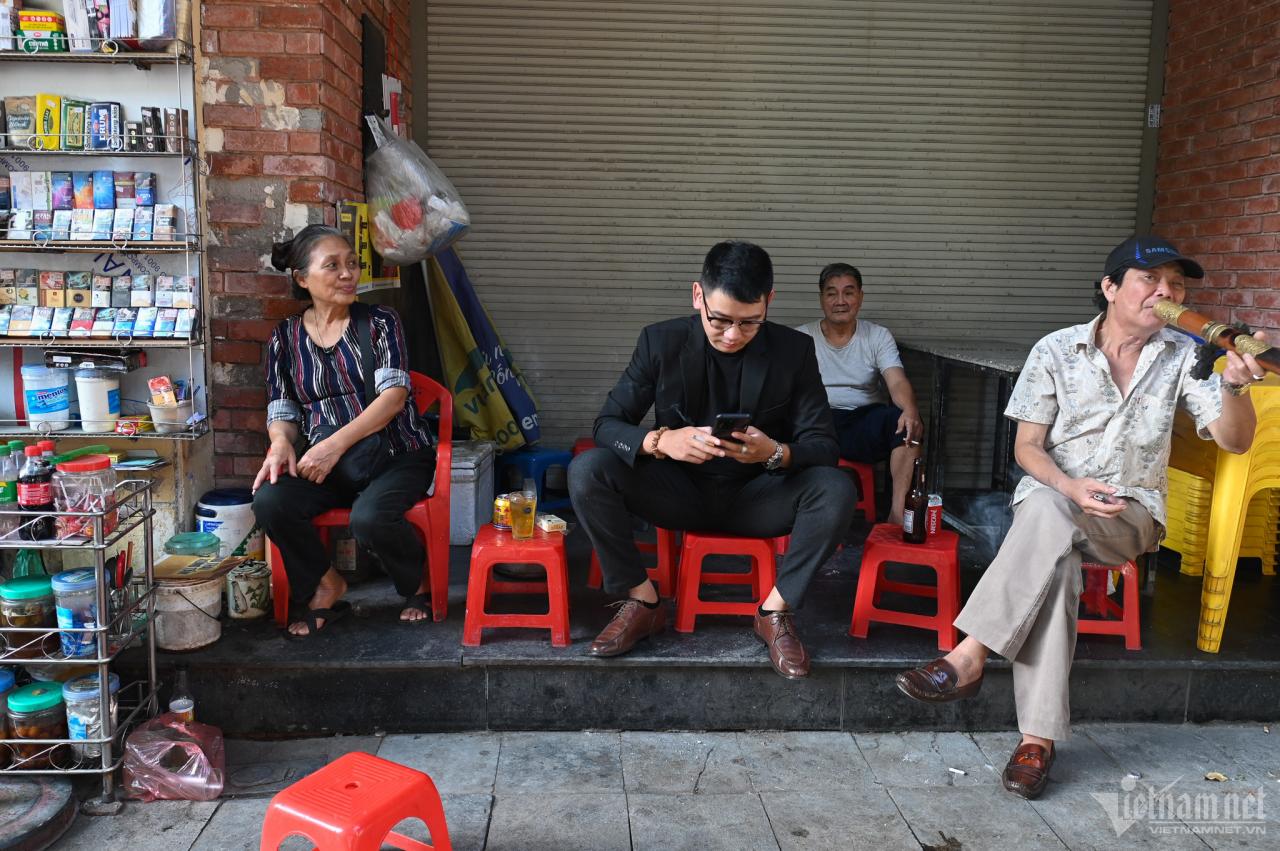
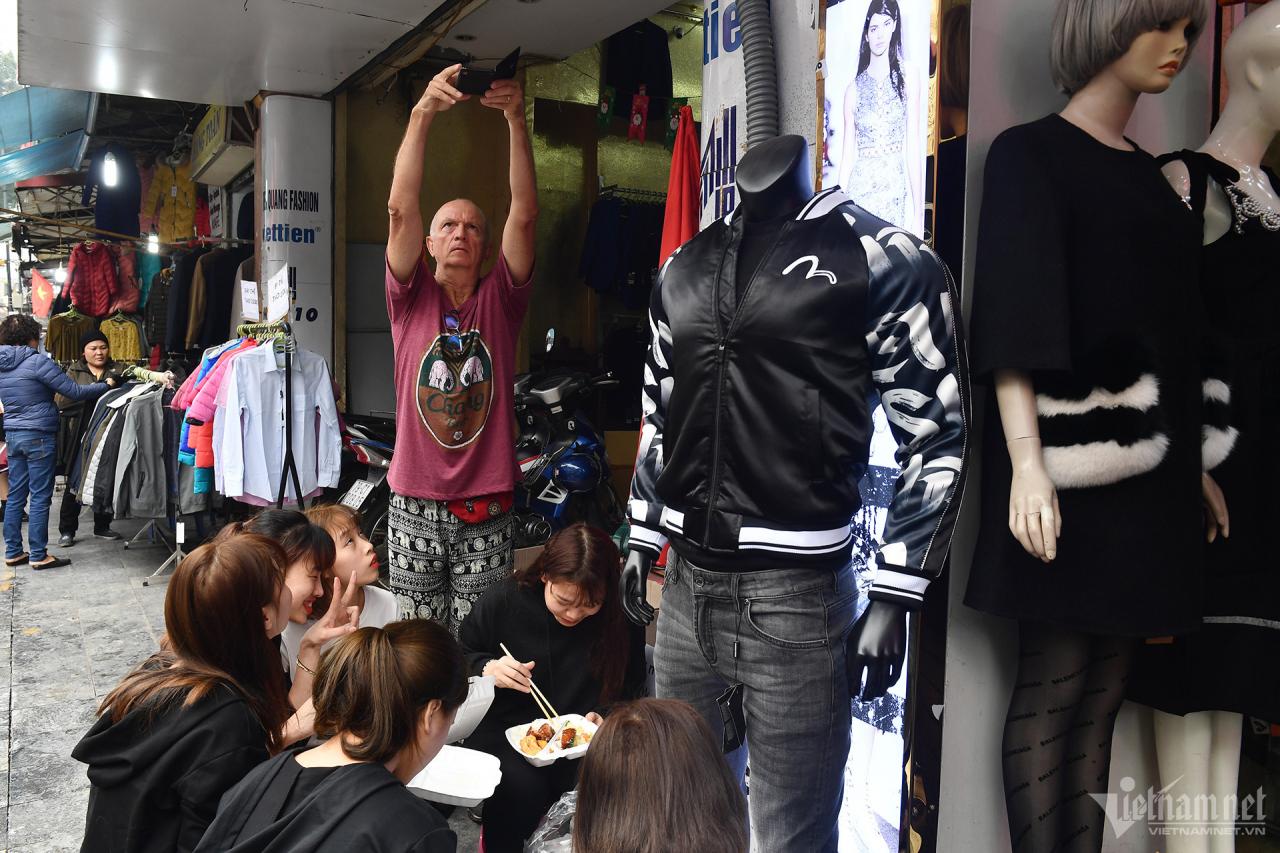
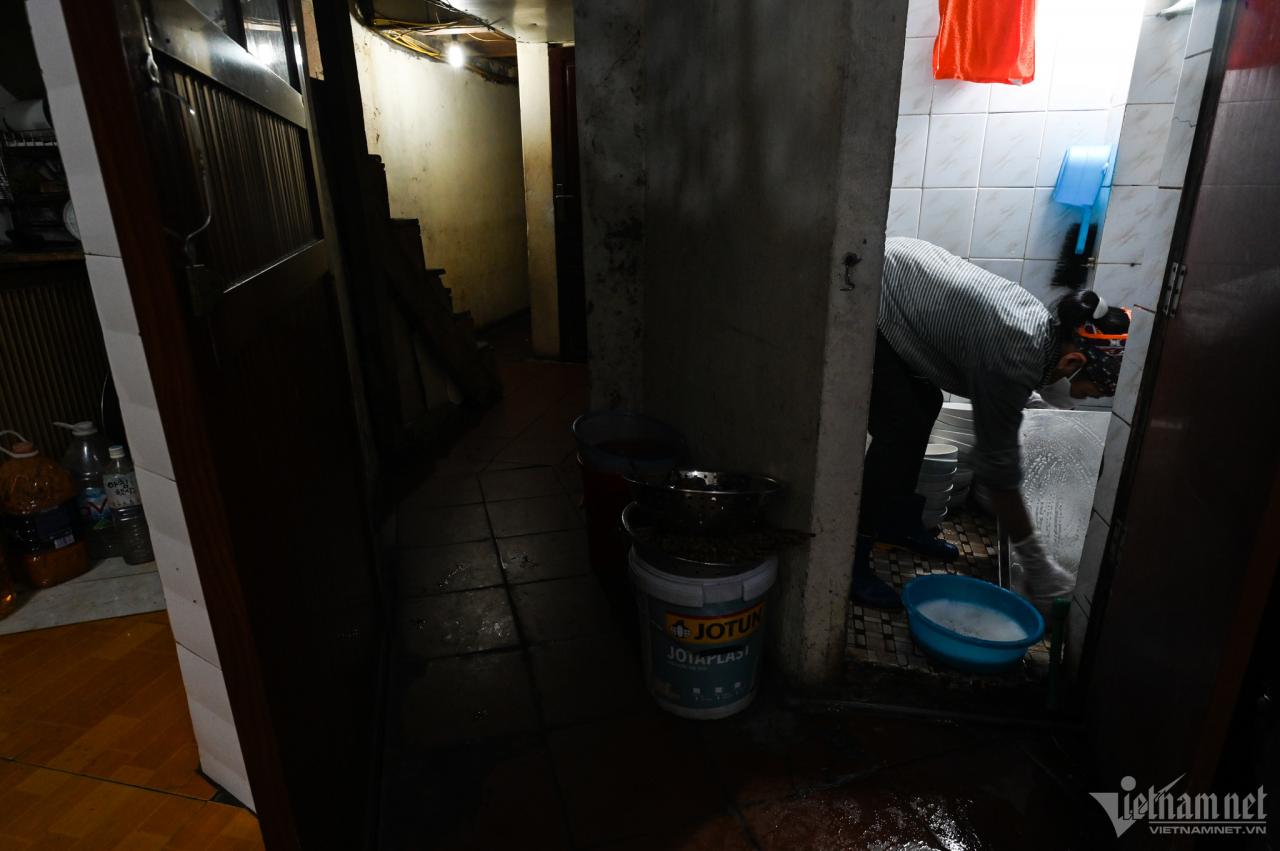
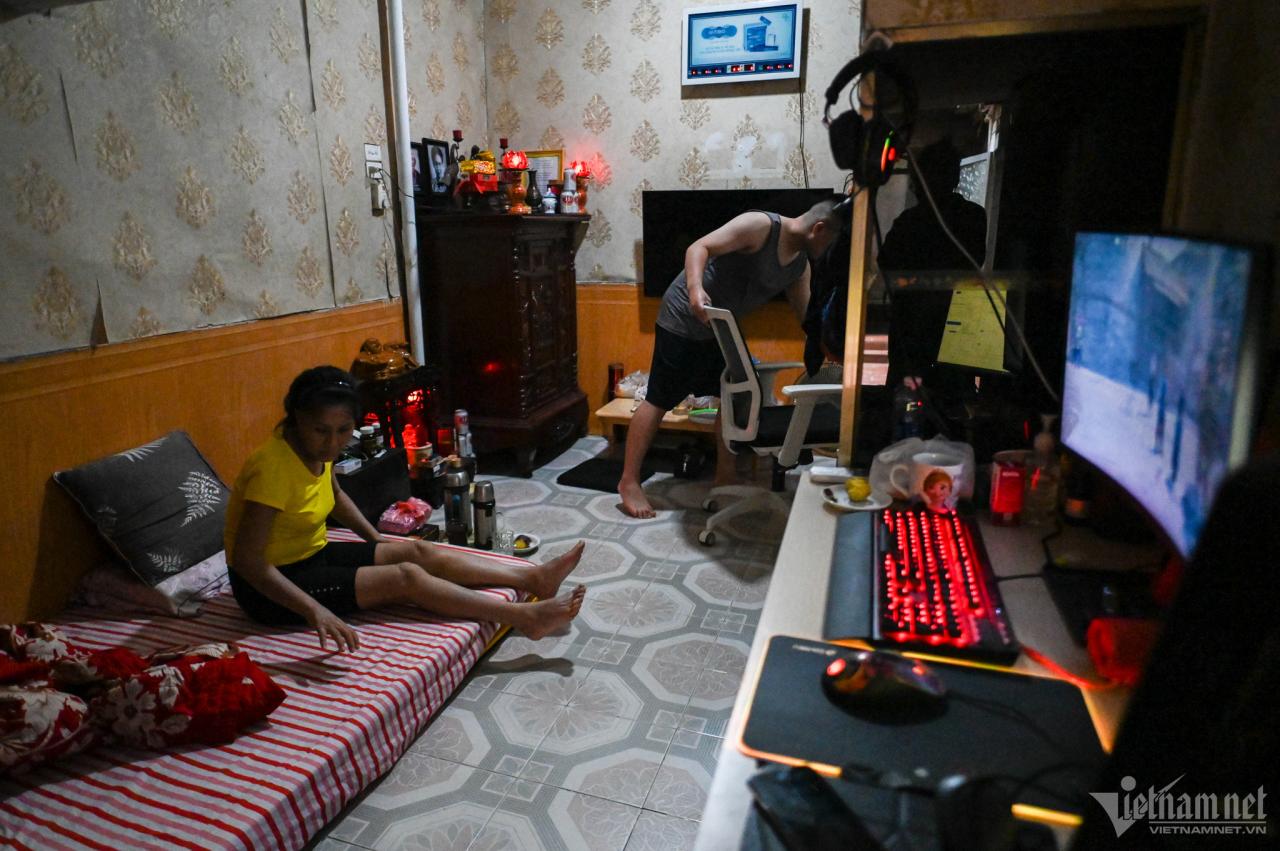
When talking about Hoan Kiem District, it's impossible not to mention its Old Quarter. According to historical records, Hanoi's Old Quarter dates back to the Ly-Tran dynasties. It was the most bustling center of trade and commerce in Thang Long (Hanoi). Furthermore, the area was primarily inhabited by middle and upper-class residents of the former feudal society. During every holiday and festival, the Old Quarter is the place with the most national flags, and the most beautiful displays, frequently attracting photographers to create their works. Life and work in the old town may be cramped and stuffy, but almost none of the people who have lived there for a long time want to leave. The main reason is that they feel a sense of belonging to the capital and, especially, that "they can make money just by stepping out of their houses." That's why resettlement areas remain unoccupied even after many years. They steadfastly defend their position of "better to live in hardship than in a resettlement area."
According to the 5th National Census, the population density in the Old Quarter is 39,830 people/km2, 138 times higher than the national average. Twenty-five years have passed since Hanoi announced its plan to relocate residents from the Old Quarter, but it has yet to be implemented. Residents who were supposed to be relocated are unwilling to leave the old town, while numerous resettlement apartment complexes intended for the relocation of old town residents remain "dormant," falling into disrepair and falling into disrepair for many years.
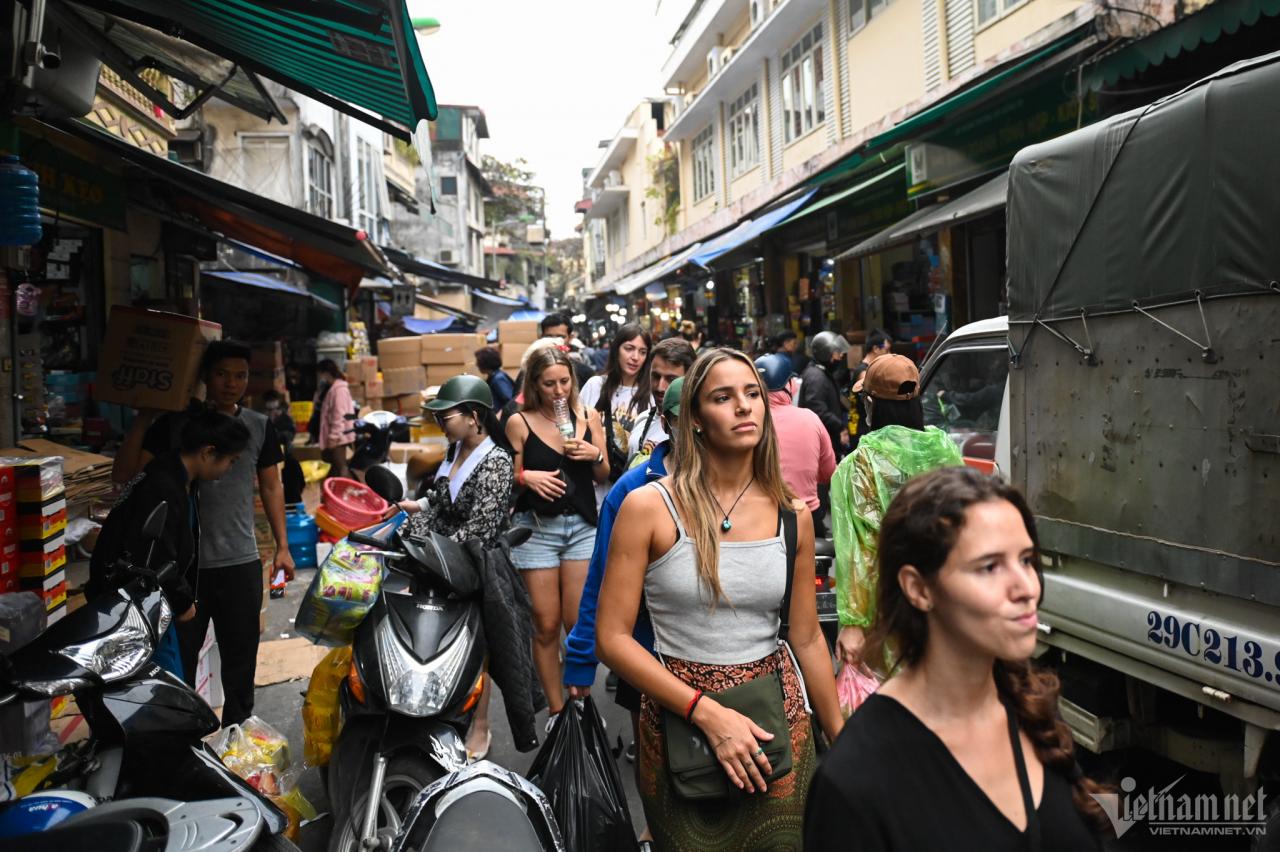
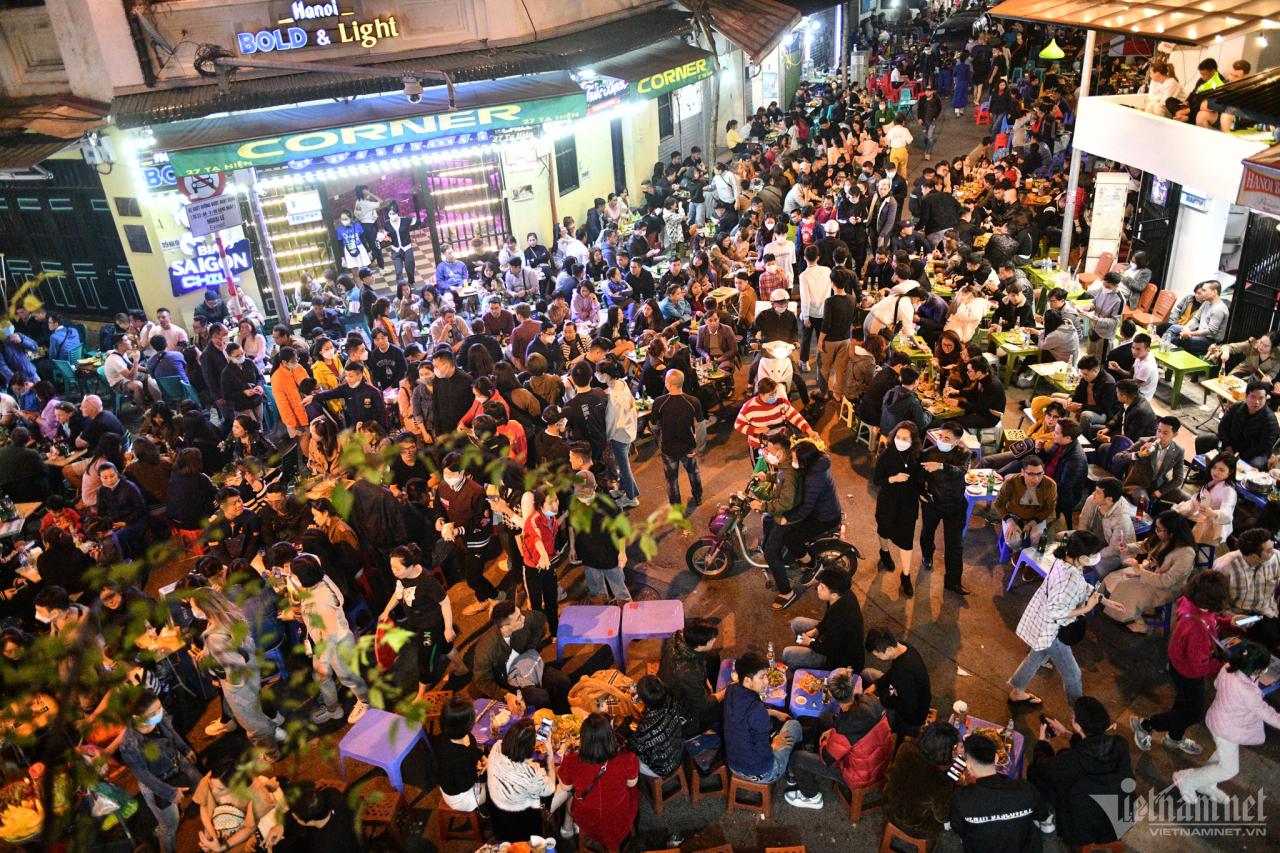
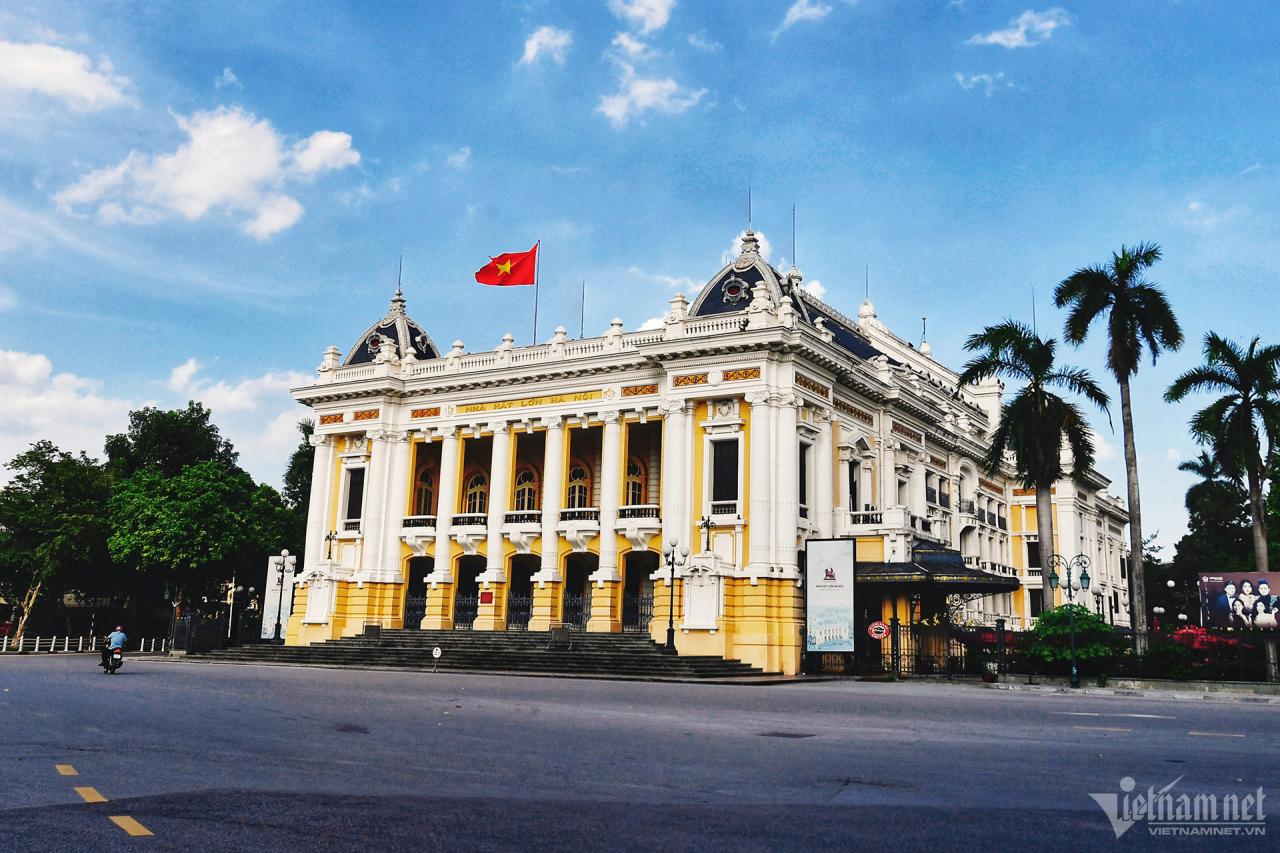
The Old Quarter is not only a bustling commercial area, but also home to many of the best eateries. Listing the most famous and long-standing pho and vermicelli noodle soup restaurants in Hanoi, all are located in Hoan Kiem District. The streets of Ta Hien, Luong Ngoc Quyen, and Dinh Liet attract the most foreign tourists for entertainment, dining, and accommodation, especially during holidays. On weekend nights, this international intersection is packed with people, both locals and foreigners, young people and families, gathering to enjoy drinks and snacks. Besides Hoan Kiem Lake, Turtle Tower, Ngoc Son Temple, and The Huc Bridge, Hoan Kiem District is also a land of cultural and historical relics, home to many old French colonial architectural works such as the Grand Opera House and Hoa Lo Prison...
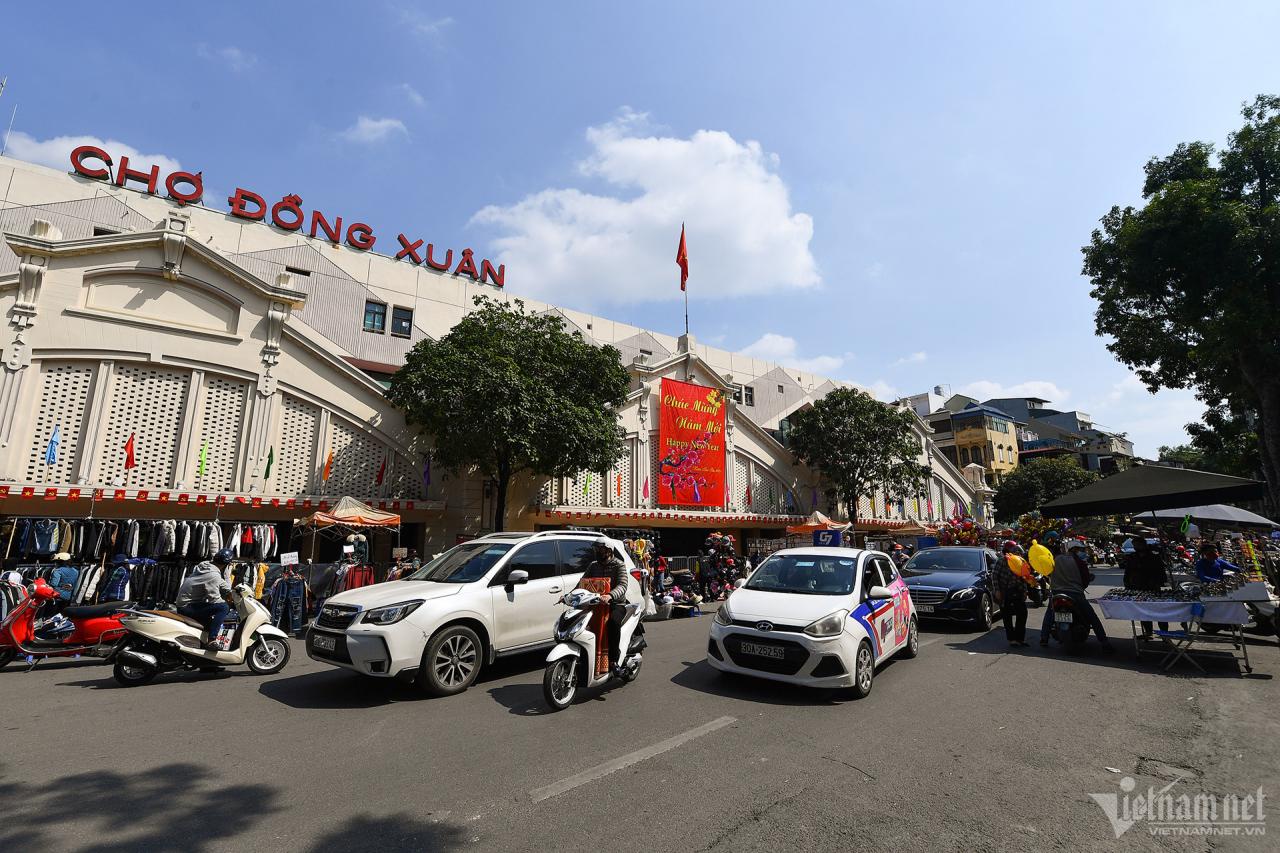
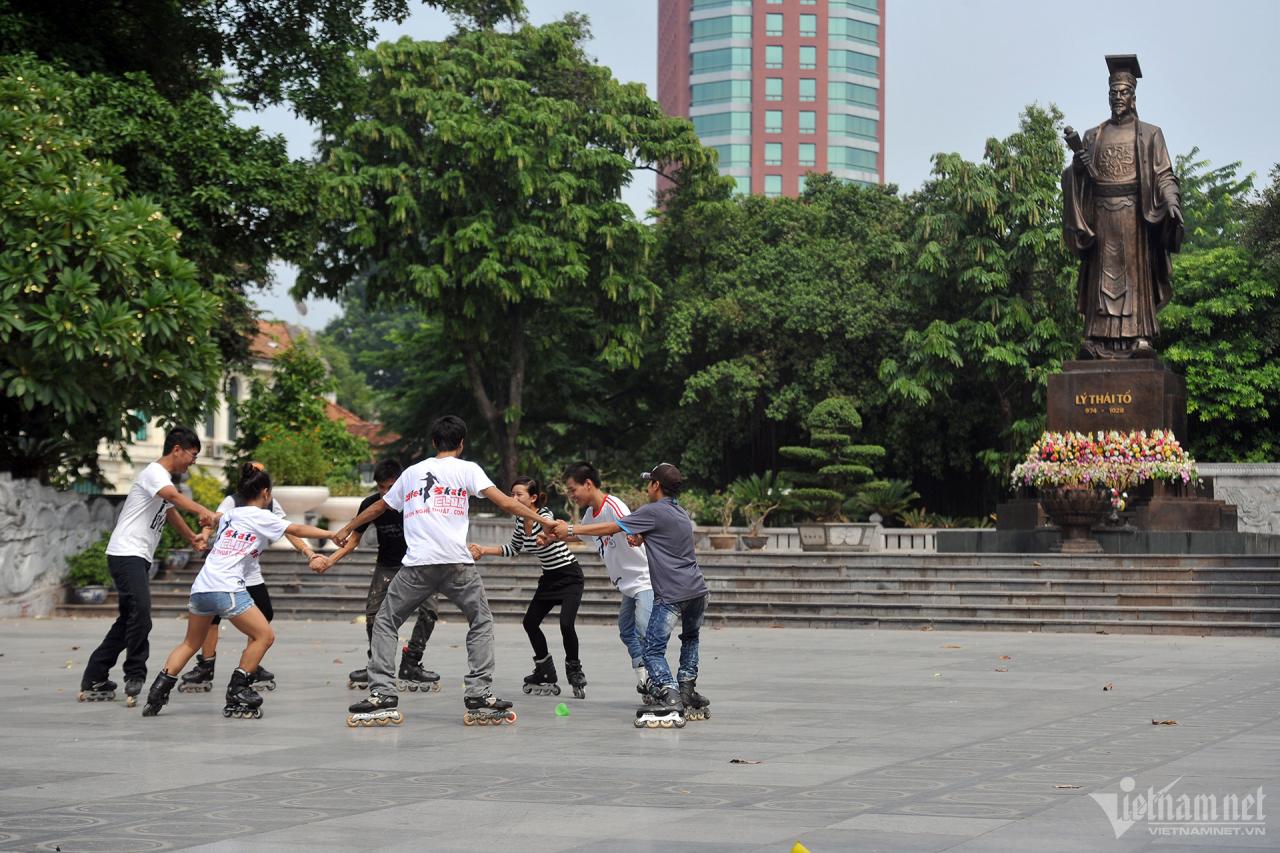
Famous landmarks include: the Ly Thai To Monument, the Hanoi Post Office , Quan Su Pagoda, Kim Ngan Temple, Bao An Pagoda (Lien Tri Pagoda), Bao Thien Tower, O Quan Chuong Gate, the Grand Cathedral, August 19th Square, and the Heritage House at 87 Ma May Street... Among Hanoi's markets, Dong Xuan Market, located in Hoan Kiem District, is the most famous. It's also known as Cho Lon Market due to its large scale and centuries-old history. According to records, in 1804, the Nguyen Dynasty established a market south of the To Lich River to facilitate the docking of ships for trade. In 1889, after the Thai Cuc Lake and To Lich River were filled in, the French authorities cleared the area, redeveloped the area, and consolidated all the shops into an empty plot of land in Dong Xuan Ward. In Hoan Kiem district, there is another famous landmark: the 3.85 km long "Ceramic Road". This project was honored with the "Bui Xuan Phai" award for love of Hanoi in 2008 and recognized by Guinness World Records as the longest ceramic mural in the world. Since then, this road has become a must-see destination for tourists visiting Hanoi. The Ceramic Road is located less than 1 km from Hoan Kiem Lake, a convenient location for tourists to travel and visit. This artwork stretches through An Duong Vuong - Yen Phu - Tran Quang Khai - Tran Nhat Duat - Tran Khanh Du streets and ends at Van Kiet border gate. Hoan Kiem District has an area of 5.29 km2, making it the smallest district in Hanoi.
Previously, reporting at the National Conference on Administrative Unit Reorganization, Chairman of the Hanoi People's Committee Tran Sy Thanh stated that, after reviewing and comparing with current regulations, the city has one district-level administrative unit (Hoan Kiem District) and 176 commune-level administrative units that need to be reorganized during the 2023-2025 period. To achieve good results, Hanoi will conduct extensive public awareness campaigns among Party members, officials, and all segments of the population to create consensus on implementing the policy of reorganizing district-level and commune-level administrative units during the 2023-2030 period, starting with the 2023-2025 period. On the morning of August 1st, on the sidelines of a workshop on amending the Law on the Capital City, Mr. Nguyen Huu Thanh, Deputy Director of the Department of Local Government (Ministry of Interior), explained: During the reorganization process, the authorities consider specific factors such as the fact that the administrative unit has operated stably since 1945 and has elements related to culture, history, and traditions. “Currently, based on population and natural area criteria, Hoan Kiem District is subject to reorganization. In addition, there are specific factors of Hoan Kiem District, specifically mentioned in Resolution 35, including: traffic conditions, geographical location, historical traditions… These factors will be the basis for deciding whether or not to merge,” Mr. Thanh said.














![[Photo] General Secretary and President To Lam presides over the meeting to approve the draft report on the results of the second inspection by the Politburo of the Standing Committee of the Hanoi City Party Committee.](https://vphoto.vietnam.vn/thumb/1200x675/vietnam/resource/IMAGE/2026/05/26/1779789811432_a2-bnd-4430-9620-jpg.webp)


![[Video] Survey of environmental protection work in industrial zones in Phu Tho](https://vphoto.vietnam.vn/thumb/402x226/vietnam/resource/IMAGE/2026/05/26/1779809612577_khao-sat-jpg.webp)












































































Comment (0)