

Apple is tightening controls on apps with AI-powered vibes listed on the App Store, aiming to prevent the rapid creation of apps that bypass the App Store's review process.
Vibe programming has become a phenomenon, allowing even those without programming experience to create apps by leveraging AI. However, while app creation is now easier for beginners, Apple is still working to curb certain forms of vibe programming.
In an investigation published Wednesday by The Information, Apple has blocked developer apps like Replit and Vibecode from receiving App Store updates. This move appears to be temporary, as Apple wants these apps to be modified before they can continue to function.
Sources indicate that these apps are about to be approved again on the App Store, but only after agreeing to changes in how they work. These changes include updating previews of apps programmed for vibe, or removing features such as creating apps specifically for Apple devices.
Reports suggest that Apple's actions are aimed at protecting App Store revenue from the influx of vibe-based apps. However, the reasons are not simply financial but are much more complex.
Apple doesn't directly ban apps that create vibe content, but there are rules that developers must follow.
A very specific tightening of control.
Vibe programming refers to the method of creating code and applications using natural language commands and AI chatbots. By describing the desired application and functionality, users can request the AI service to create the application for them, and even request modifications to their specifications.
In short, imagine you simply tell an AI chatbot that you want an app, and it will create it for you.
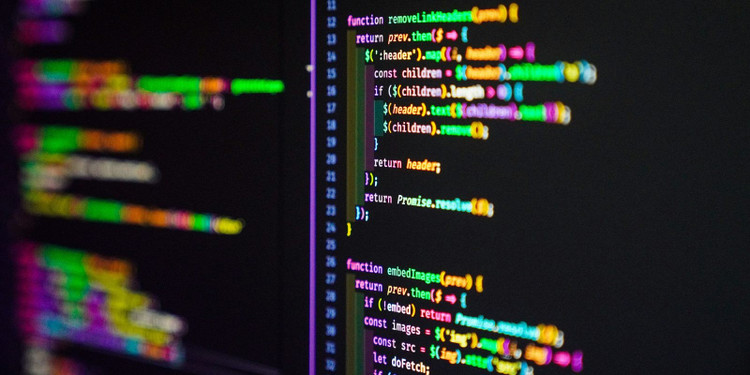
Vibe Coding applications use AI to help people without programming knowledge create applications.
The programming term vibe encompasses many different applications, including the one discussed here: applications specifically designed for users to create applications from statements. However, it also applies to many other situations.
AI has long assisted developers, such as suggesting code snippets or automatically completing parts for programmers. This can happen in traditional development environments, where applications are typically created, as well as through specialized programming tools.
For the programming vibe in a development environment, Apple really supports it. With improved access to AI agents in Xcode in February, Apple has made it possible for non-programmers to create a simple app in just minutes.
The tightening of regulations here is not aimed at applications created in such an environment, as they still have to go through the same review process as many other applications before being released on the App Store.
In fact, Apple is targeting App Store apps that offer a programming vibe. These tools create apps, but not the typical apps submitted to the App Store. They are created after going through App Store review.
The report also indicated that other apps on the App Store are not subject to similar restrictions, such as Vercel v0. Some apps with similar functionality but not specializing in programming, like Canva, may also face similar issues, as they allow the creation of filters, quizzes, and other items using AI.
Violating regulations to generate profit.
Much of the report focuses on competition and revenue protection. Apple could lose revenue due to vibe-based app developers creating software outside the App Store.
This is seen as Apple missing out on a potential revenue stream, specifically the 30% commission fee from the App Store, since users are not downloading these apps from Apple's digital store.
Apple is certainly very protective of its revenue streams, and on this scale, they have good reason to do so. The battle with European regulators over third-party app stores has shown this quite clearly.
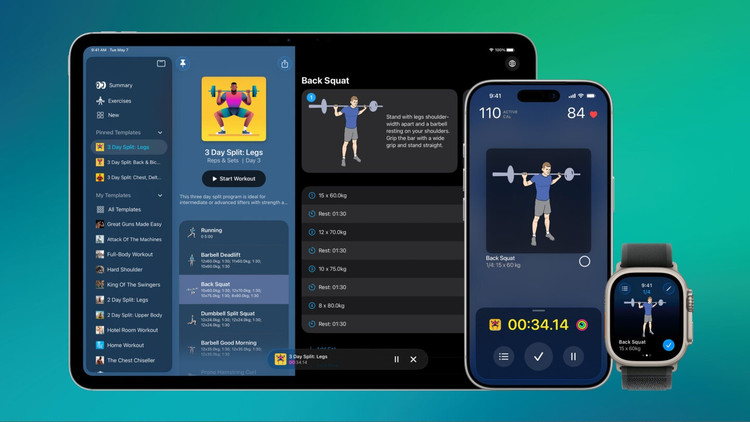
Apple is concerned that Vibe coding apps will take away revenue from them by creating other apps that don't go through the App Store.
However, besides the potential loss of revenue from these types of apps, the bigger problem is completely bypassing the App Store's review process.
According to the App Store Review Guidelines, Apple requires apps to be self-contained within their own packages and not to install or execute code that alters or adds functionality to the app or other apps.
This is stipulated in section 2.5.2 of the guidelines, which essentially prevents applications from creating other applications on the iPhone or iPad. Apple simply prohibits the ability to create separate, standalone applications on the iPhone entirely.
Rule 2.5.3 also addresses this issue, prohibiting applications from transmitting viruses, files, computer code, or programs that could harm or interfere with other software or hardware. Essentially, it's the same issue, but expressed more clearly.
In addition, section 3.3.1(B) of the Developer Program Agreement allows the loading of interpreter code into the application, but this code must not change the primary purpose of the application by adding features.
An Apple spokesperson said the enforcement of these regulations aims to prevent apps from altering fundamental functionality without prior review.
Ultimately, Apple still allows vibe programming as a method of app creation, even though this increases the workload for the App Store moderation team.
However, when apps completely bypass the review process and potentially threaten Apple's already secure platform, vibe programming can become problematic.
Source: https://khoahocdoisong.vn/apple-manh-tay-tran-ap-ung-dung-vibe-coding-post2149093365.html
































































































Comment (0)