

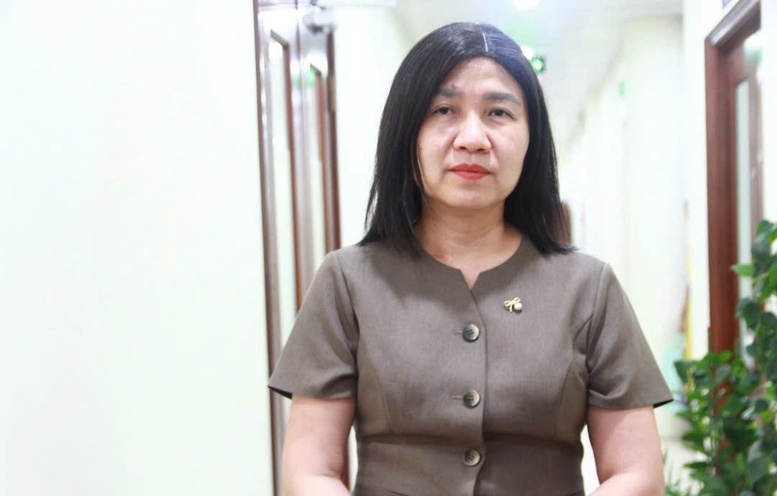
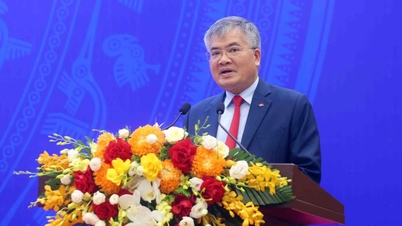
Ms. Nguyen Thi Nga, Deputy Director of the Department of Mothers and Children ( Ministry of Health ): The biggest bottleneck currently in the prevention and handling of child abuse is the lack of effective coordination and early detection at the community, neighborhood, and village levels. - Photo: VGP/Thuy Ha
Speaking with a reporter from the Government Online Newspaper, Ms. Nguyen Thi Nga, Deputy Director of the Department of Mothers and Children (Ministry of Health ), said that currently, Vietnamese law has many clear regulations to protect children from violence and abuse in the family, not only physical violence but also psychological violence.
The 2016 Children's Law stipulates that children have the right to be protected from all forms of violence, abuse, mistreatment, and mental harm. The 2022 Law on Prevention and Control of Domestic Violence also clearly defines acts of domestic violence, including acts of insult, psychological pressure, threats, or abuse against children.
In particular, Government Decree 98/2026/ND-CP specifically stipulates administrative penalties for acts of physical and mental violence against children.
"This shows that the law not only deals with cases of serious injury but also aims to prevent early on behaviors that harm the psychology, development, and safe living environment of children," Ms. Nga said.
Ms. Nguyen Thi Mai Thoa, a member of the National Assembly's Committee on Culture and Social Affairs, stated that Vietnamese law on child protection in general and the handling of violence and abuse against children in particular has made significant progress, gradually approaching international standards.
The 2013 Constitution strictly prohibits "abuse, torture, mistreatment, and neglect" of children. The Law on Children stipulates 11 groups of prohibited acts, including depriving children of their right to life, sexual abuse, violence, and neglect; it also stipulates the responsibility to inform, report, and denounce acts of child abuse.
The Penal Code stipulates the offenses that can be prosecuted for child abuse, and defines "committing a crime against a person under 16 years of age" (a child) as an aggravating circumstance.
The government stipulates administrative penalties of up to 20 million VND for acts of violence against children; up to 15 million VND for failing to report or provide information about abused children to competent authorities; and also specifies the responsibilities of relevant agencies, organizations, and individuals to intervene in cases where children require urgent protection.
"As can be seen, Vietnam has a relatively complete legal framework to handle acts of violence and abuse against children. Depending on the nature and severity of the violation, acts of violence and abuse against children can be subject to administrative penalties or criminal prosecution. In fact, many acts of child abuse have been severely punished," Ms. Thoa said.
The gap between law and reality
However, representatives of the National Assembly's Committee on Culture and Social Affairs acknowledge that, based on the practical experience of recent cases of violence and abuse against children, there are still shortcomings in regulations and law enforcement.
The Law on Children stipulates that child protection is implemented at three levels: "prevention," "support," and "intervention," emphasizing "prevention and preventing risks that could harm children." However, preventive and support-level child protection measures are not yet mandatory for agencies, organizations, educational institutions, families, and individuals responsible for protecting children.
Therefore, the monitoring and assessment of children at risk of violence and abuse in each residential area, neighborhood, and classroom, in order to promptly report and provide support to minimize and eliminate the risk of violence and abuse for children, has not been carried out effectively, leading to prolonged cases of child abuse with very serious consequences.
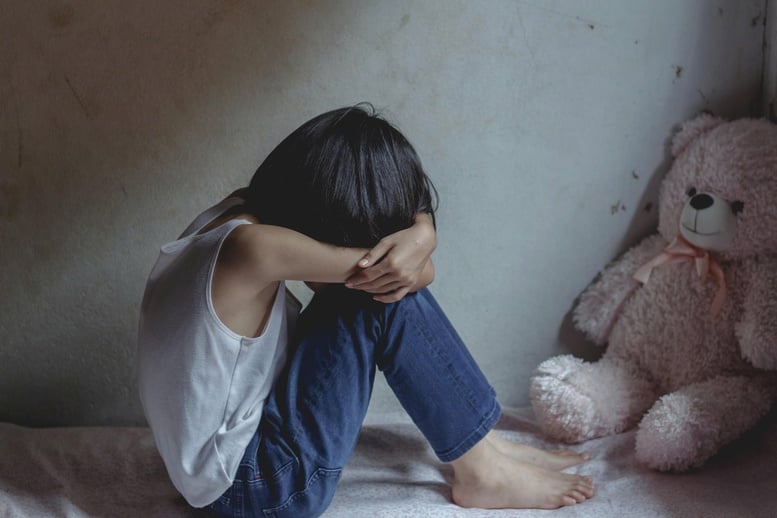
In many cases of child abuse, by the time authorities intervene, the consequences are too severe, even irreversible - Illustration photo
Early detection capability
Ms. Nguyen Thi Mai Thoa observed that Vietnam's criminal penalties for violence and abuse against children are currently quite strict. Many acts of child abuse have been punished with very heavy sentences, especially those that are prolonged, cruel, severely harm the physical and mental health of children, or lead to particularly serious consequences.
However, in many cases of child abuse, by the time authorities intervene, the consequences are too severe, even irreversible. This shows that the problem lies not only in the level of punishment but also in the ability to detect, warn, and provide timely support and intervention to protect children from the moment they begin to show signs of abuse.
Children are a very vulnerable group and often lack the ability to speak up or protect themselves. Meanwhile, many incidents occur within the family – the place that should be the safest for children.
"The victims are often young children, some of whom cannot yet speak, some are threatened, isolated, frightened, and completely dependent on their abusers (parents, direct caregivers); some are unaware that what is happening to them is wrong, illegal, and that they can receive help… If the community, schools, medical facilities, and local authorities do not promptly identify abnormal signs from these children, it is very easy to overlook child abuse or prolong this situation," Ms. Thoa emphasized.
In many cases, it's not that the community or neighbors are completely unaware, but rather that they are hesitant to interfere in family matters or individuals' privacy, fearing trouble or not being aware of the legal regulations regarding the responsibility to inform, report, and denounce acts of child abuse, thus lacking responsibility in implementing these regulations.
Sharing the same view, Ms. Nguyen Thi Nga believes that the biggest "bottleneck" currently in the prevention and handling of child abuse is the lack of effective coordination and early detection at the community, neighborhood, and village levels, especially in the context of an increasingly large administrative area and population but a very limited workforce working with children.
According to her, currently, after the reorganization of administrative units in 34 provinces and cities, the scale of communes has changed significantly. It is very difficult for a single officer in charge of child-related work to cover the entire area without a close inter-sectoral coordination mechanism, and a clear assignment of tasks and responsibilities to health, education, police, mass organizations, and the community.
"It can be seen that the current legal system and sanctions for handling child abuse are basically complete. The problem is that many cases are not detected early, or when detected, the coordination and intervention are slow and lack continuity. In some places, information is not shared promptly between agencies; the responsibilities of each unit and individual in handling cases are sometimes not really clear," the Deputy Director of the Department of Mother and Child emphasized.
According to Ms. Nguyen Thi Nga, in March 2026, the Prime Minister signed Decision 427/QD-TTg to consolidate the National Committee on Children. Many localities have also established steering committees for child-related work. This is a very important step, but the core issue is that activities must be substantive, not merely 형식적인 (formalistic). It is necessary to clearly assign responsibilities, maintain regular meetings, and proactively monitor the situation of children down to the village, hamlet, and residential group levels to detect risks early.
Currently, the Department of Maternal and Child Health is advising the Ministry of Health to issue guidelines on organizing the activities of the Child Protection Committee at the commune level, especially to support the new staff after the administrative unit reorganization. The goal is to strengthen the child protection network at the grassroots level, helping to detect incidents earlier, handle them more quickly, and minimize unfortunate consequences for children.
>> Lesson 3: Completing the Child Protection Network
Anh Tho - Thuy Ha
Source: https://baochinhphu.vn/bai-2-phap-luat-da-du-suc-bao-ve-tre-em-102260528135747925.htm




![[Image] Nearly 125,000 Hanoi students completed the Literature exam for the 10th grade entrance exam.](https://vphoto.vietnam.vn/thumb/1200x675/vietnam/resource/IMAGE/2026/05/30/1780117233041_ndo_br_thiet-ke-chua-co-ten-2-png.webp)




































































































Comment (0)