


In early May 2026, we arrived at Bai Vang village, marking our second visit. While our previous visit involved assisting flood relief efforts and supplying food to residents of Huu Lung commune and neighboring areas following the historic 2025 flood, this time we returned to listen to the villagers share their difficulties due to the lack of clean water.
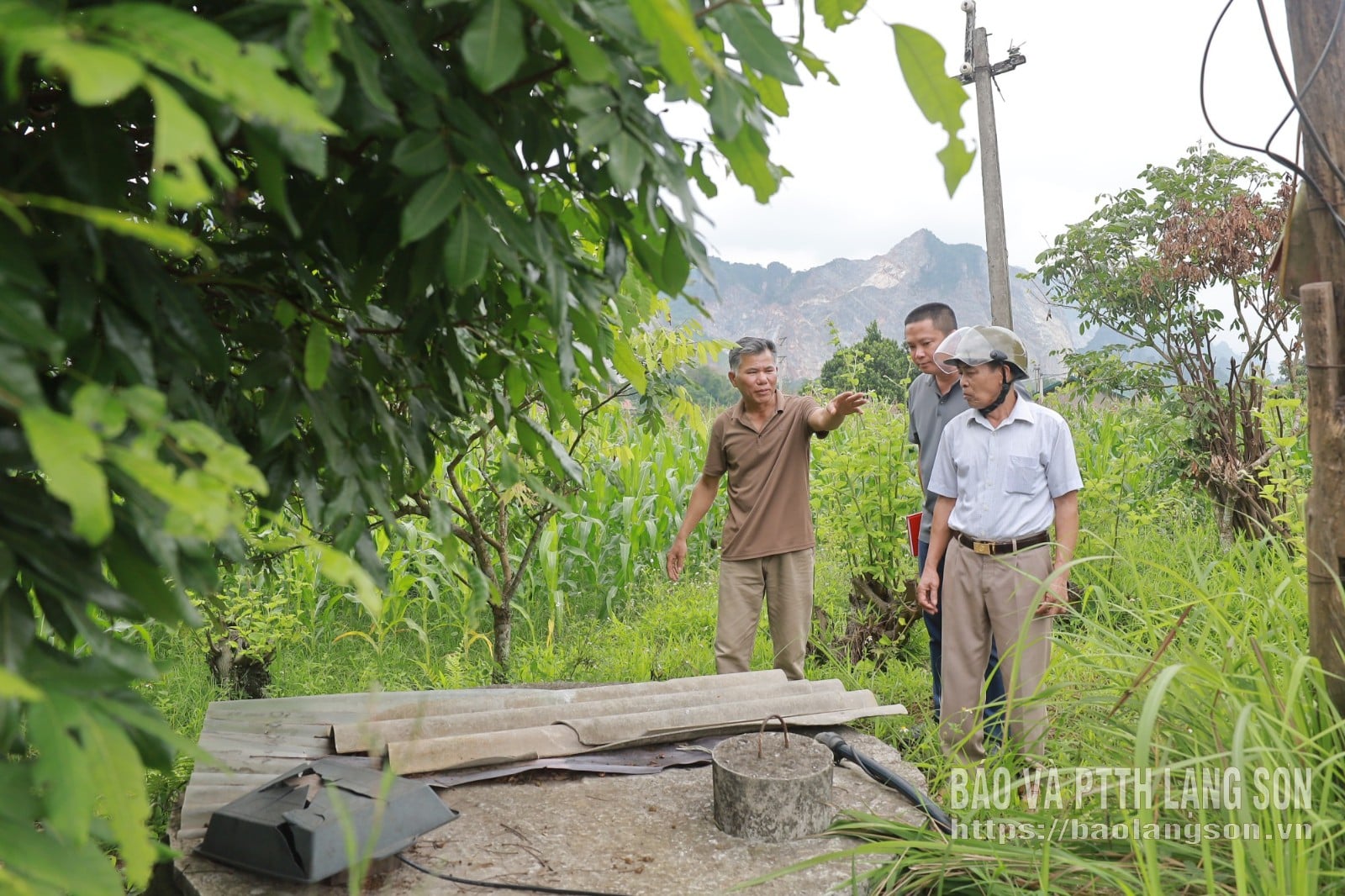
The village has 132 households, with 90% being Nung ethnic people. Over the years, the economic conditions of the people have continuously improved, and the village now has only one poor household. Along with that, the rural landscape has also been constantly changing. However, the biggest difficulty in the village has been the lack of clean water for daily use for many years.
Mr. Nong Van Chung, Party Secretary and Village Head, said: the villagers' main water source still depends entirely on rainwater. However, rainwater stored in tanks only lasts for about half a year. From October of the previous year to April of the following year, when the dry season begins, most households in the village lack water for daily use.
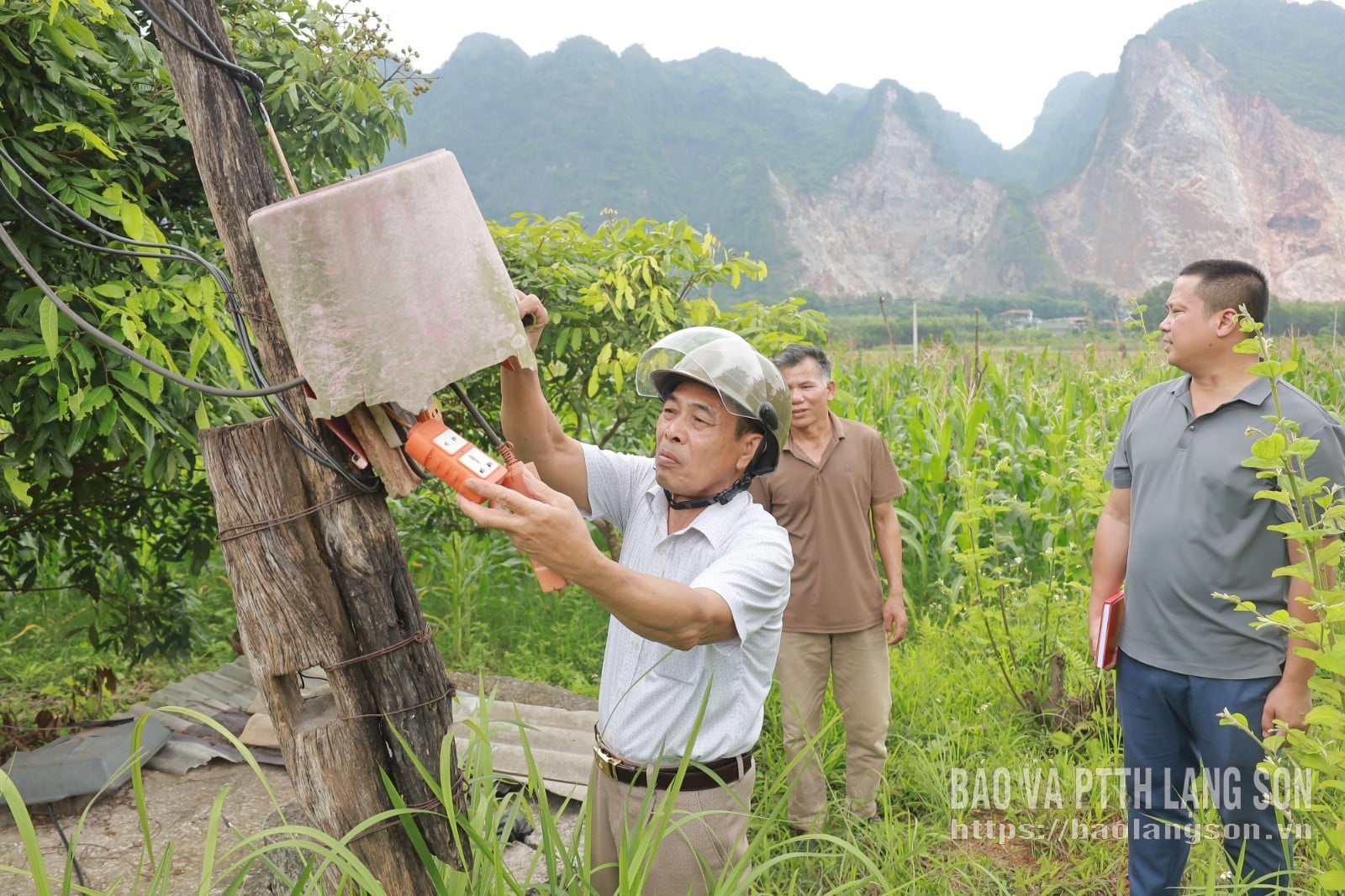
For many years, the people of Bai Vang spared no effort or expense in digging wells to obtain water for daily use. However, in this area, digging wells also involves many risks because not every well dug yields water.
Mr. Nong Van Thang, a resident of Bai Vang village, shared: "In 1997, my family dug a well 16 meters deep, but in the end, there was no water, only mud and soil. Since then, that well has only been used to store water."
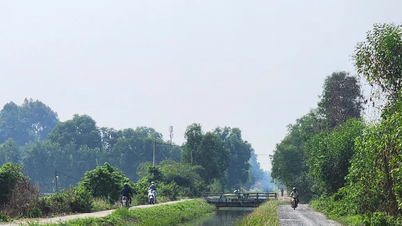
Necessity is the mother of invention. To obtain water, the people of Bai Vang devised a way to create artificial groundwater aquifers. Since 2010, utilizing the irrigation system, they have dug wells near canals and ditches so that water seeps through the soil and flows into the wells. For wells located further away, they installed pumps to bring river water through ditches into large pools near the wells, allowing the water to gradually seep down into the wells.
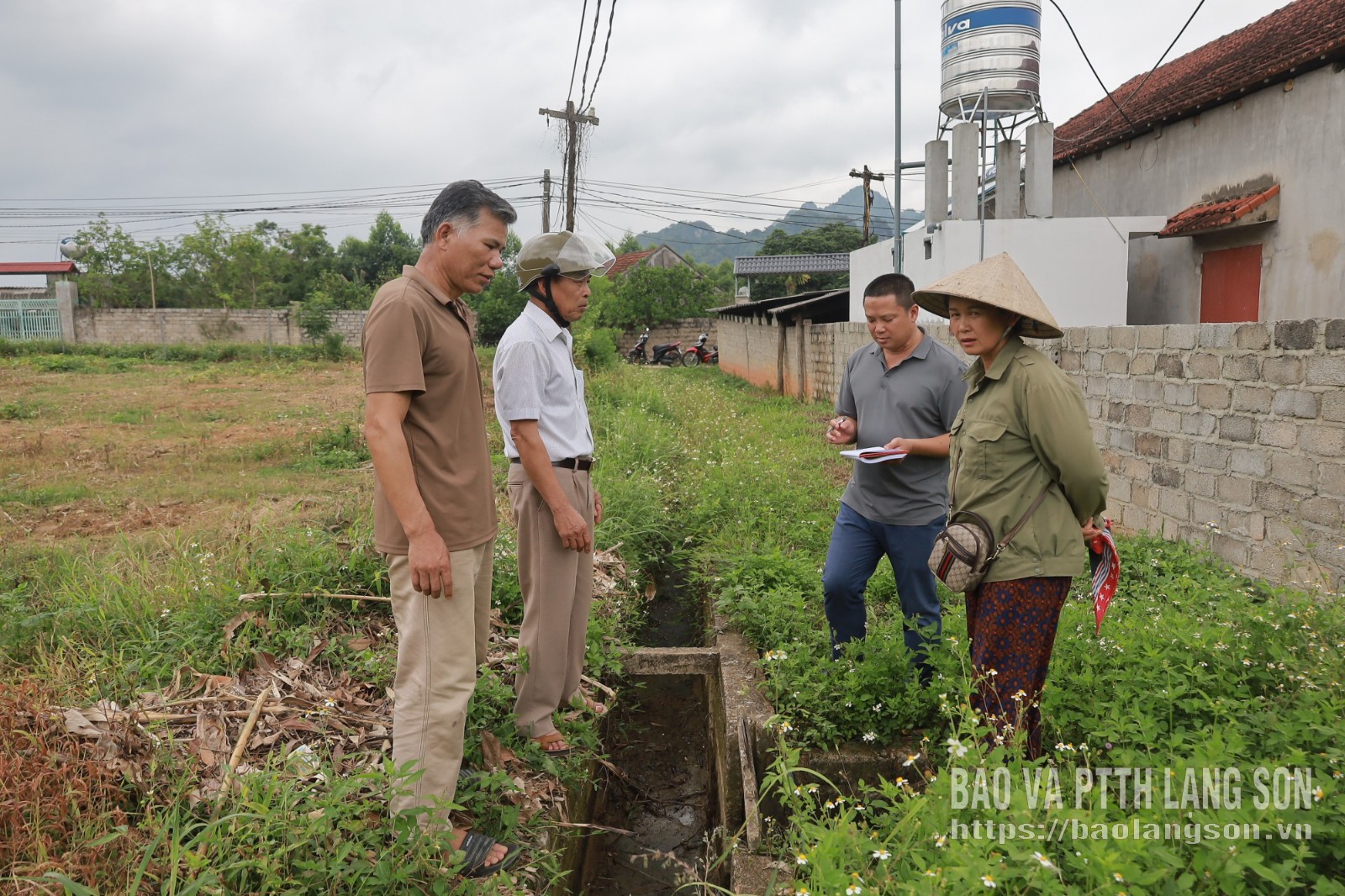
To date, the entire Bai Vang village has about 50 wells (mostly dug wells about 7-8 meters deep). While this method provides residents with more water for use, it also carries significant risks. The water from the canals is essentially untreated river water. When it seeps through the fields and gardens, it inevitably contains pesticide residues. Using this water for cooking, bathing, and washing directly threatens the long-term health of the residents.
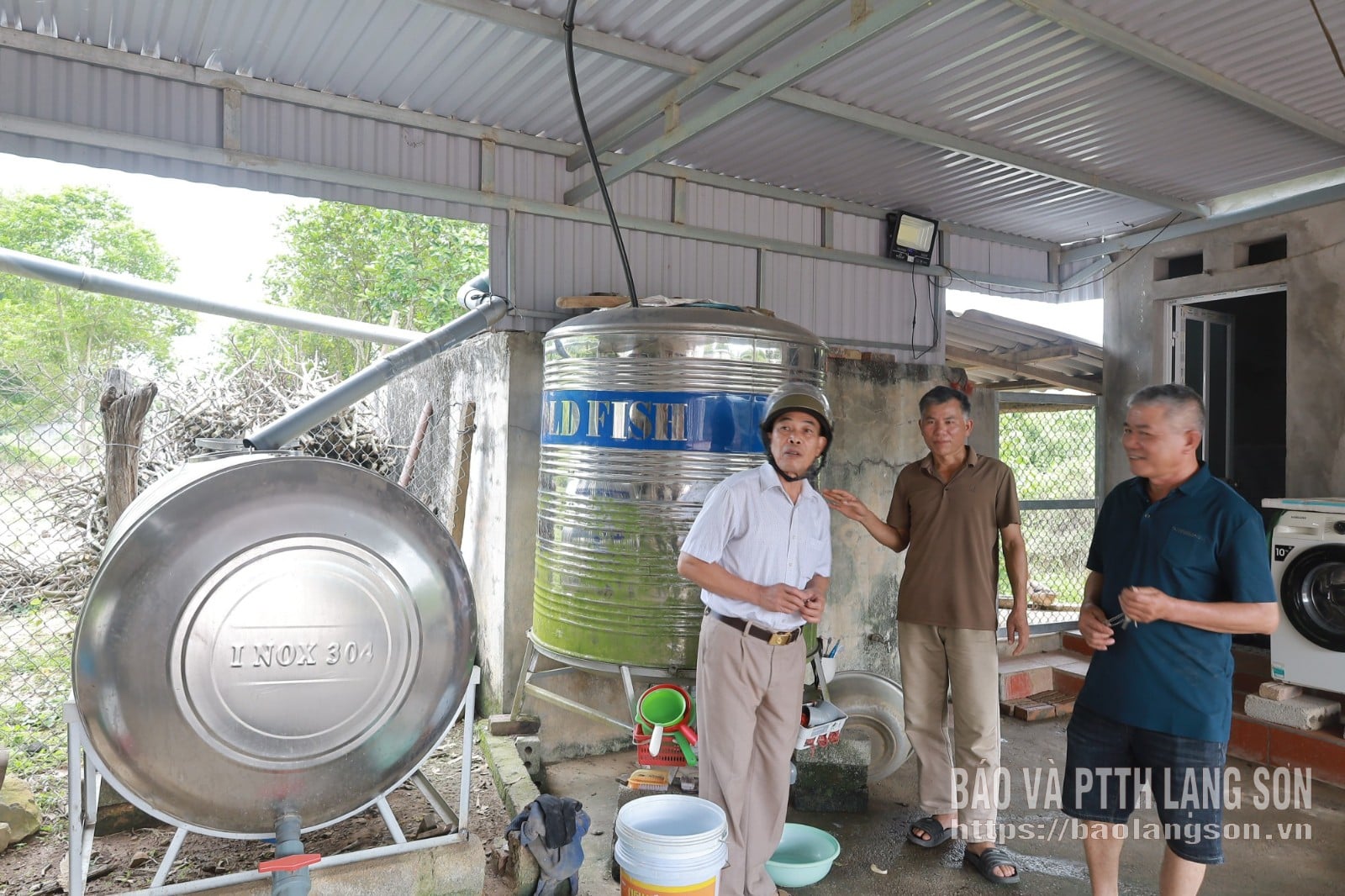
In addition to searching for groundwater, the villagers also collect rainwater for use. To collect water, they build tanks and buy containers. The entire village currently has about 20 built-in water tanks with a capacity of over 20 m3, along with many smaller tanks and reservoirs. However, this method is both expensive and unsustainable; people only dare to use it for cooking and boiling drinking water, while other daily activities are very difficult.
During the peak months of the dry season (from October to April of the following year), when both wells and reservoirs run dry, the people of Bai Vang are forced to travel to neighboring areas to fetch water in cans or buy filtered water, which is time-consuming and costly.
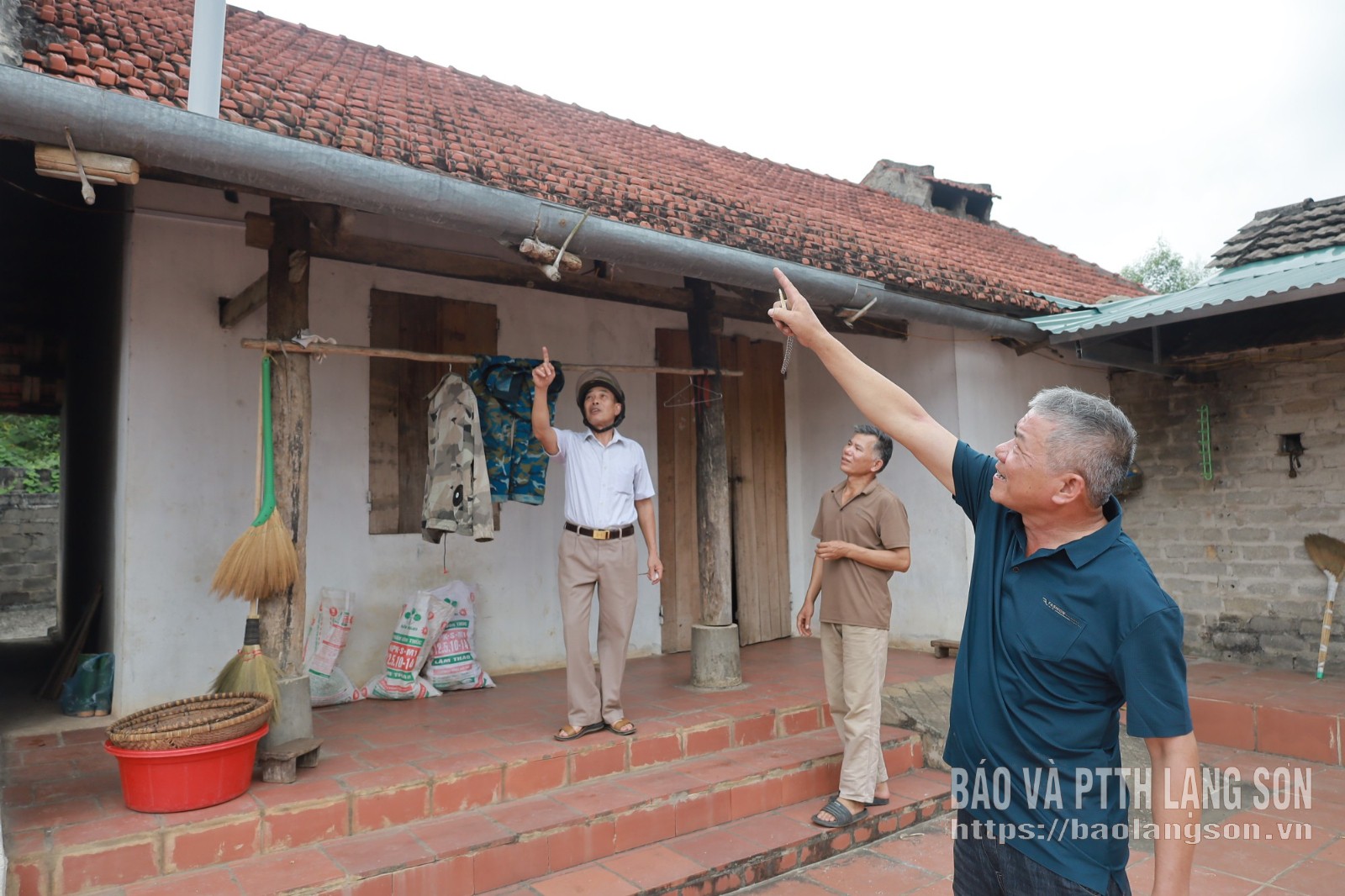
Mr. Duong Dang Tu, a villager, shared: "During the dry season, we often transport plastic containers and water storage equipment to other villages to fetch water for use. The journey is long, and each trip doesn't yield much water, so my family, like many other households, has to use it sparingly and mainly for basic needs like drinking and cooking. At times, we've been without water for 3-4 days."
More than anyone else, the people of Bai Vang village understand the difficulties caused by the lack of clean water. Faced with this reality, the village leaders and residents have repeatedly petitioned relevant authorities at all levels to find solutions to help them address the clean water problem. However, to this day, the people still live in a state of "thirst" for clean water.
Speaking to reporters about the lack of clean water in Bai Vang village, Mr. Cao Van Hoa, Chairman of the People's Committee of Huu Lung commune, said: The commune is aware of the difficulties regarding access to clean water in Bai Vang village. Currently, the People's Committee of the commune is continuing to coordinate with relevant agencies to find solutions to overcome the problem, including proposing that the water supply unit implement a clean water supply system to the village for the residents.

Together with the local authorities, the water supply unit in the area has become aware of the shortage of clean water for daily use in Bai Vang village.
Mr. Tran Van Thinh, Director of the Huu Lung Water Supply Branch, said: After receiving requests from residents, the unit directly surveyed Bai Vang village. However, due to the sparse population and the large investment required, the unit will continue to review and assess the situation to report and propose to higher authorities the allocation of resources to meet the clean water needs of the people in Bai Vang village.
Given the difficulties caused by the lack of clean water for daily use that the people of Bai Vang village have faced for many years, we earnestly hope that relevant authorities and agencies will provide support to overcome this situation. This will help the villagers have access to clean water soon, ensuring their health and further improving their quality of life.
Source: https://baolangson.vn/bai-vang-khat-nuoc-sach-5090972.html
![[Photo] General Secretary and President To Lam presides over a working session with the Central Policy and Strategy Committee on the development of the materials industry.](https://vphoto.vietnam.vn/thumb/1200x675/vietnam/resource/IMAGE/2026/05/21/1779359935432_a3-bnd-3129-1412-jpg.webp)


![[Photo] National Assembly Chairman Tran Thanh Man working with the Standing Committee of the Law and Justice Committee](https://vphoto.vietnam.vn/thumb/1200x675/vietnam/resource/IMAGE/2026/05/21/1779378929214_ndo_br_1-4610-jpg.webp)



























































Comment (0)