

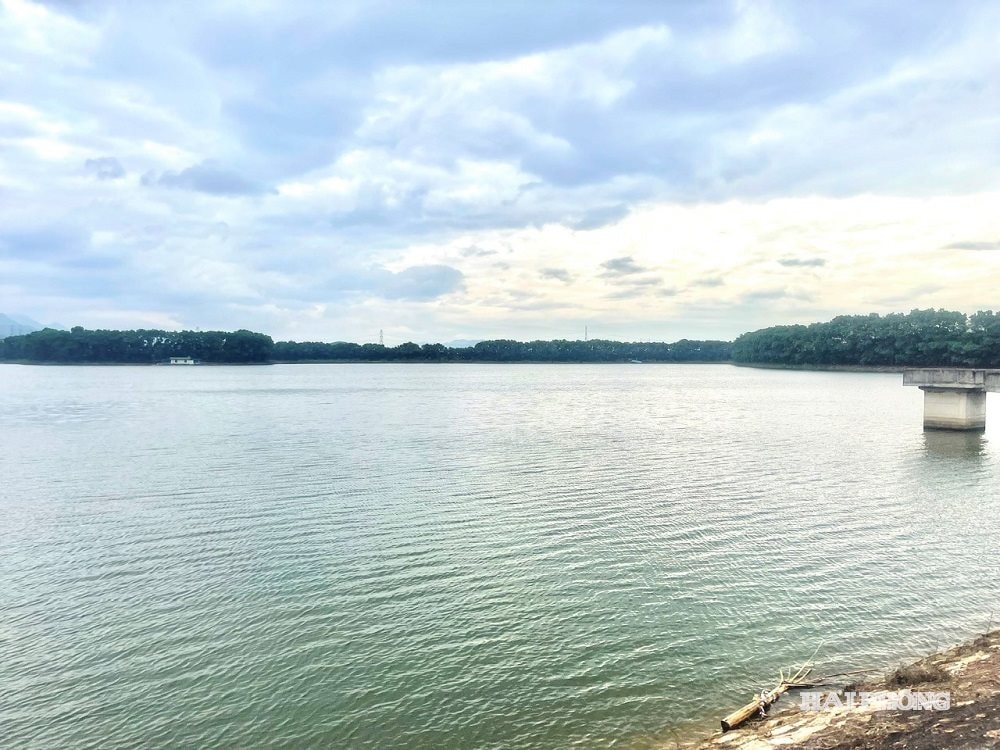
Some lakes and dams do not meet safety standards.
According to the Hai Phong Department of Agriculture and Environment, there are currently 75 reservoirs in the city (68 in the western area and 7 in the eastern area). The Hai Duong Irrigation Works Exploitation Company Limited manages and operates 8 reservoirs; agricultural service cooperatives manage and operate 60 small-scale reservoirs; and the People's Committees of the Cat Hai and Bach Long Vi Special Zones manage and operate 7 reservoirs.
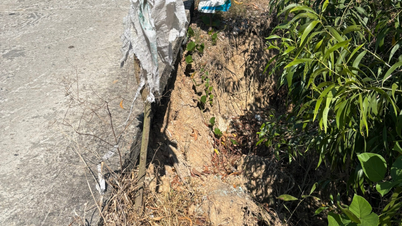
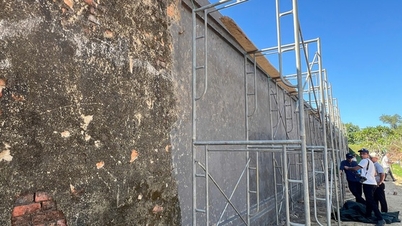
Inspections by relevant authorities and management units have revealed that some reservoirs and dams are currently not up to standard and pose potential safety risks during the rainy and stormy seasons. Common problems include seepage, slope failure, body cracks, water leakage, erosion, damage to concrete structures, corrosion of mechanical equipment, and sedimentation in the reservoir.
For example, the upstream slope of the Suoi Gang reservoir dam has subsided and some sections have cracked, leading to significant water seepage and leakage through the dam body; the upstream slope of the Lang Tre reservoir dam has subsided and the dam crest has deteriorated; the reservoir beds of Phu Loi, Ho Vien, and Suoi Gang are experiencing sedimentation…
In addition, some water intake structures at lakes and dams are not safe, with short pipes, cracked walls, subsidence at the bottom, outdated regulation systems, and significant water leakage causing water loss…
In the eastern part of Hai Phong , some lakes in the Cat Hai special economic zone, such as Tran Chau and Xuan Dam, despite being newly constructed, have encountered some problems, such as embankment erosion requiring repair and reinforcement.
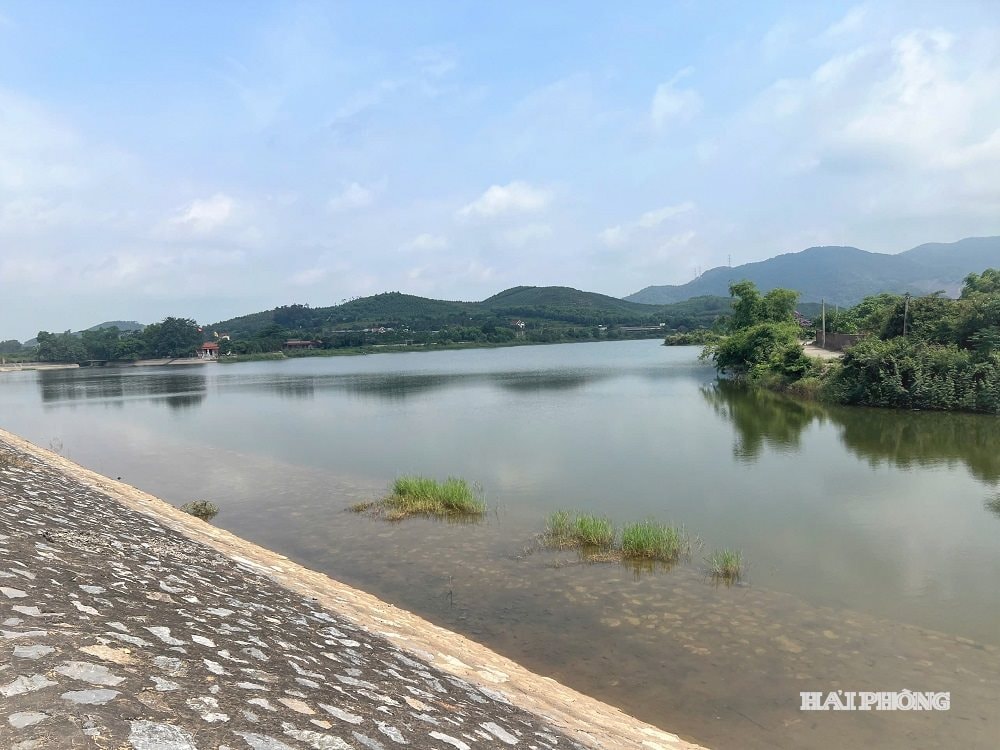
According to the leaders of Hai Duong Irrigation Works Exploitation One-Member Limited Company, the reason why some reservoirs and dams are not yet safe is because most of them were built in the 1960s. The operation process has been subjected to many impacts from natural disasters and extreme weather, causing erosion, damage, and degradation of the reservoir and dam systems.
Some reservoirs and dams have not been dredged for many years, resulting in a significant reduction in their water storage capacity compared to their design capacity. The budget allocated for the renovation and upgrading of reservoirs and dams is limited. These shortcomings pose a risk of operational safety during prolonged periods of heavy rain and storms, affecting water regulation for production and daily life.
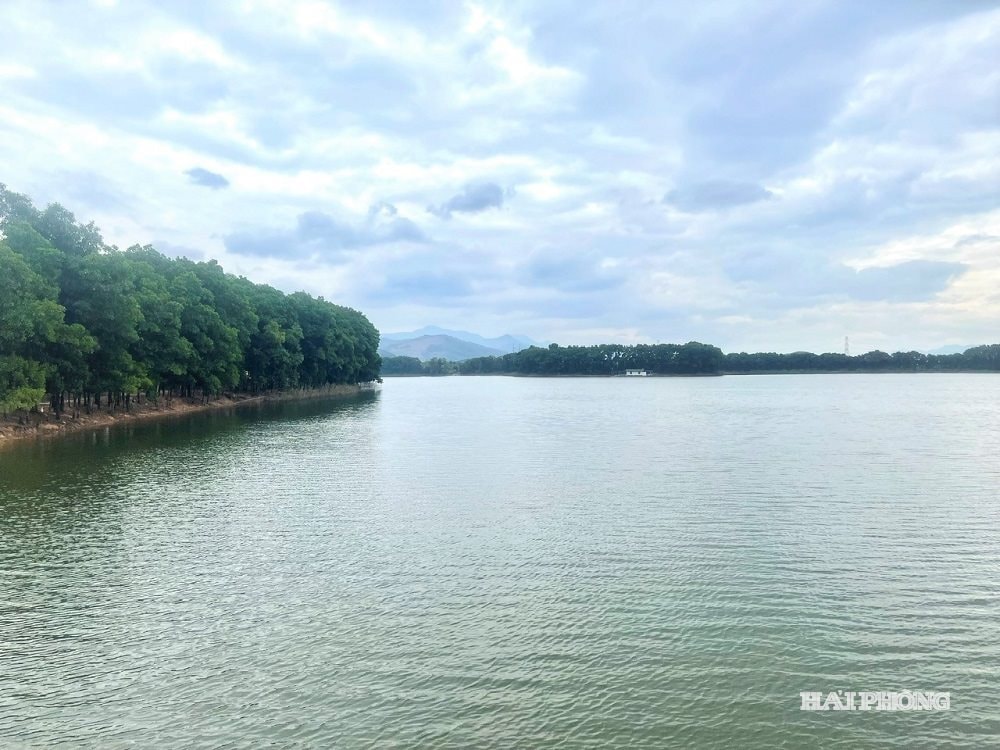
Develop a plan for protecting the structure.
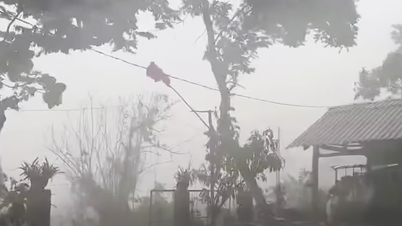
According to the National Center for Meteorological and Hydrological Forecasting, in 2026, weather and natural disaster situations will continue to be complex, with the possibility of many extreme and unusual phenomena, strong storms and floods, causing safety hazards to irrigation works, affecting agricultural production and people's lives in the city.
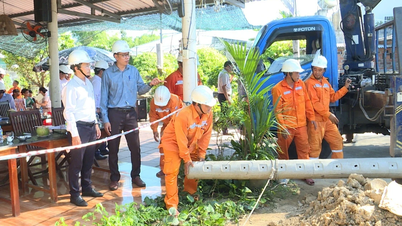
To proactively prevent and respond promptly, from the beginning of 2026, localities and management units have proactively inspected and reviewed plans to operate and protect reservoirs and dams safely before the rainy and stormy season.
For reservoirs managed and operated by Hai Duong Irrigation Works Exploitation One-Member Limited Company and agricultural service cooperatives, disaster response and emergency response plans have been developed; plans for water storage and release during the rainy season and floods have been established, and operations have been organized according to proper procedures. Responsibilities have been clearly assigned to each individual and group in charge; and management and operation are synchronized from the headworks to the field system.
-c841ba35cc04541613cd98b427e89fd0.jpg)
The units also intensified maintenance of mechanical equipment to ensure smooth operation; cleared vegetation on the dam body; dredged irrigation canals and spillways; inspected and promptly detected risks such as termite nests, subsidence, cracks, seepage, deformation, and other abnormalities for remediation. They developed and conducted drills for handling emergency situations, especially in the operation of raising and lowering the spillway gates to release floodwaters.
Some reservoirs managed by agricultural service cooperatives have now completed the demarcation of water source protection corridors along the Thai Binh, Kinh Thay, and Thuong rivers; and the Con Son, Phuong Hoang, Trai Sen, Dap Tuong, and Suoi Gang reservoirs...
Mr. Dao Chi Kien, Deputy General Director of Hai Duong Irrigation Works Exploitation One-Member Limited Company, informed that the company has focused on inspecting and reviewing each reservoir and dam, developing management, operation, and safety plans before the rainy and stormy season. The company proactively coordinates with meteorological and hydrological agencies, local authorities, and relevant units to promptly update information on rainfall, floods, tropical depressions, and storms forecasts in order to have appropriate operational plans.
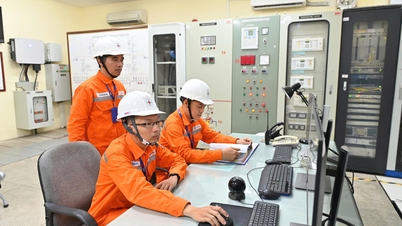
On the one hand, the company directed the Chi Linh Irrigation Works Exploitation Enterprise to establish reservoir management teams, assigning responsibilities to individuals and groups directly in charge of each reservoir and dam, managing operations from the headworks to the field structures according to established procedures. In addition, the company strictly implemented the operation of dams and reservoirs during the rainy season according to the reservoir operation procedures approved by competent authorities and current regulations on ensuring the safety of irrigation works; maintained a 24/7 duty roster throughout the rainy season; and assigned technical staff to regularly monitor weather developments, reservoir water levels, inflow, and the safety status of the structures.
For the reservoirs managed and exploited by the People's Committees of Cat Hai and Bach Long Vi special zones, the localities have now completed disaster prevention and control plans; and have also developed plans to ensure the safety of the structures throughout the 2026 rainy season.
TIEN DATSource: https://baohaiphong.vn/bao-dam-an-toan-ho-dap-mua-mua-bao-543902.html

![[Photo] The courage of new recruits of Brigade 144 on the training ground.](https://vphoto.vietnam.vn/thumb/1200x675/vietnam/resource/IMAGE/2026/05/27/1779881651341_anh-man-hinh-2026-05-27-luc-18-32-52.png)

![[Photo] The heat at the fireworks display site on the opening night of the Da Nang International Fireworks Festival 2026](https://vphoto.vietnam.vn/thumb/1200x675/vietnam/resource/IMAGE/2026/05/27/1779889741485_ndo_br_z7872039145157-fecaba5112f39e8352544099d7ef4738-5140-jpg.webp)






















































![[Photo] The courage of new recruits of Brigade 144 on the training ground.](https://vphoto.vietnam.vn/thumb/402x226/vietnam/resource/IMAGE/2026/05/27/1779881651341_anh-man-hinh-2026-05-27-luc-18-32-52.png)
























Comment (0)