

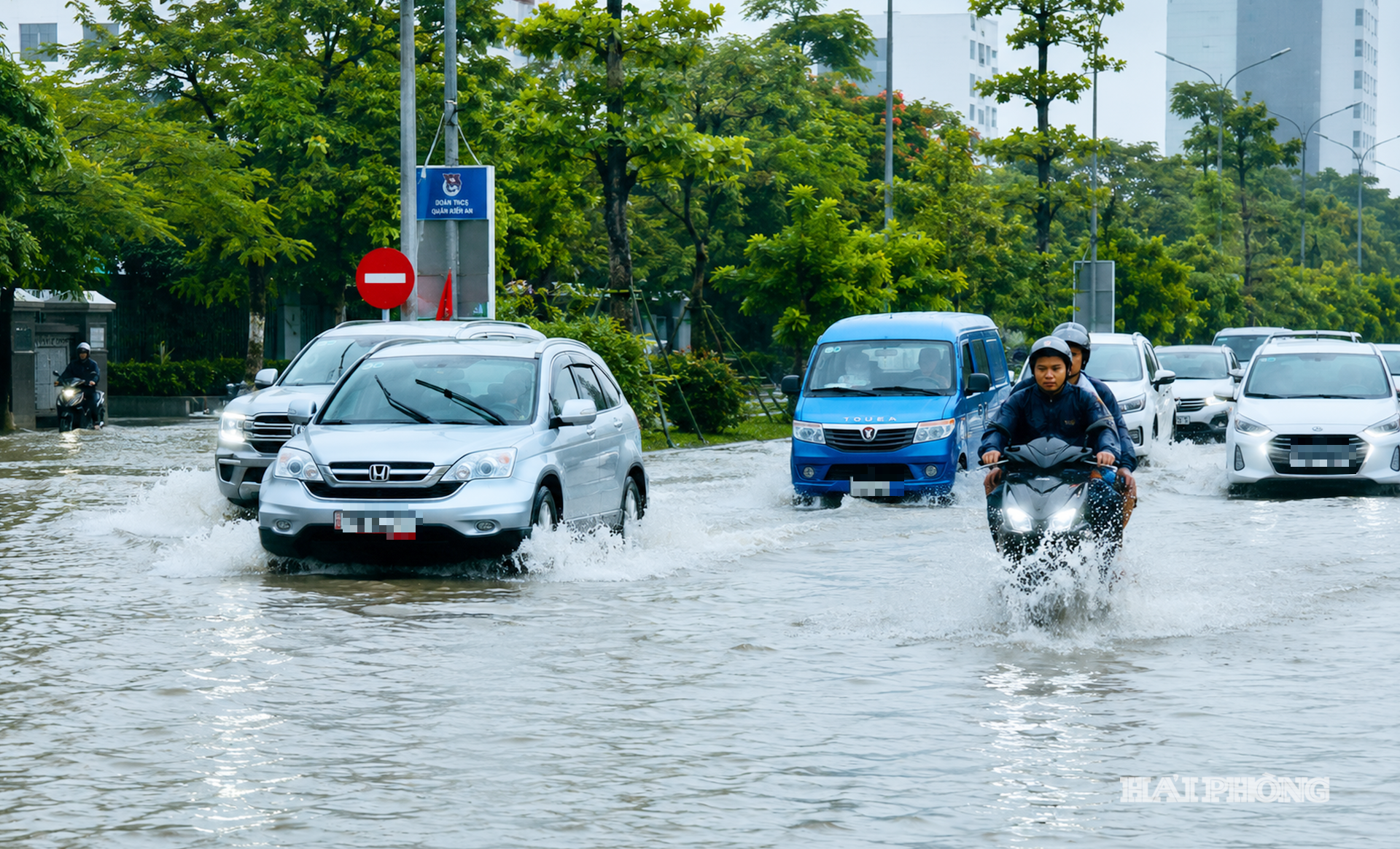
Climate change is posing numerous challenges to urban development. Given this reality, integrating climate change adaptation into planning is a crucial approach for Hai Phong city to enhance its resilience and achieve sustainable development.
Coastal urban challenges
At the workshop "Water Supply and Drainage Solutions to Respond to Climate Change," held within the framework of the first meeting of the Executive Committee of the Northern Water Supply and Drainage Association in early May, the issue of urban flood control, climate change adaptation, and enhancing the resilience of infrastructure continued to be a matter of concern for many experts and managers, especially for coastal cities like Hai Phong.
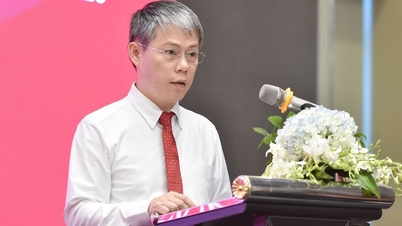
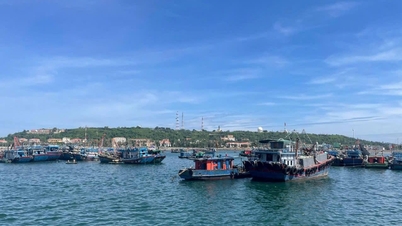
Speaking at the conference, Nguyen Huu Hieu, Deputy General Director of Hai Phong Drainage Company Limited, stated that with its dense network of rivers and canals, long coastline, and expanded development space after the administrative boundary merger, Hai Phong is among the localities most affected by climate change.
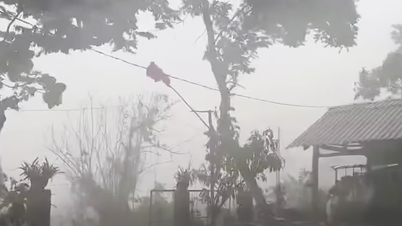
According to assessments by the meteorological and hydrological sector, the city is affected by almost all types of natural disasters occurring in Vietnam. The city is located in a region with the highest frequency of typhoon landfall in the country, approximately 28%. Each year, it is affected by 3-5 typhoons or tropical depressions, of which 1-2 have a direct impact. Storm surges can currently reach about 350 cm and continue to increase under the influence of climate change.
More frequent heavy rains increase the risk of widespread flooding. The average temperature in the city has tended to increase by about 0.014 degrees Celsius per year in recent years, equivalent to about 0.8 degrees Celsius over the past nearly 60 years. Rainfall across the city has increased by 26-29%, exacerbating the risk of urban flooding.
In many urban areas, rapid development is placing increasing pressure on infrastructure systems. Drainage, natural regulating spaces, and the resilience of structures are all facing the need for changes to better adapt to extreme weather conditions.
Planning comes first.
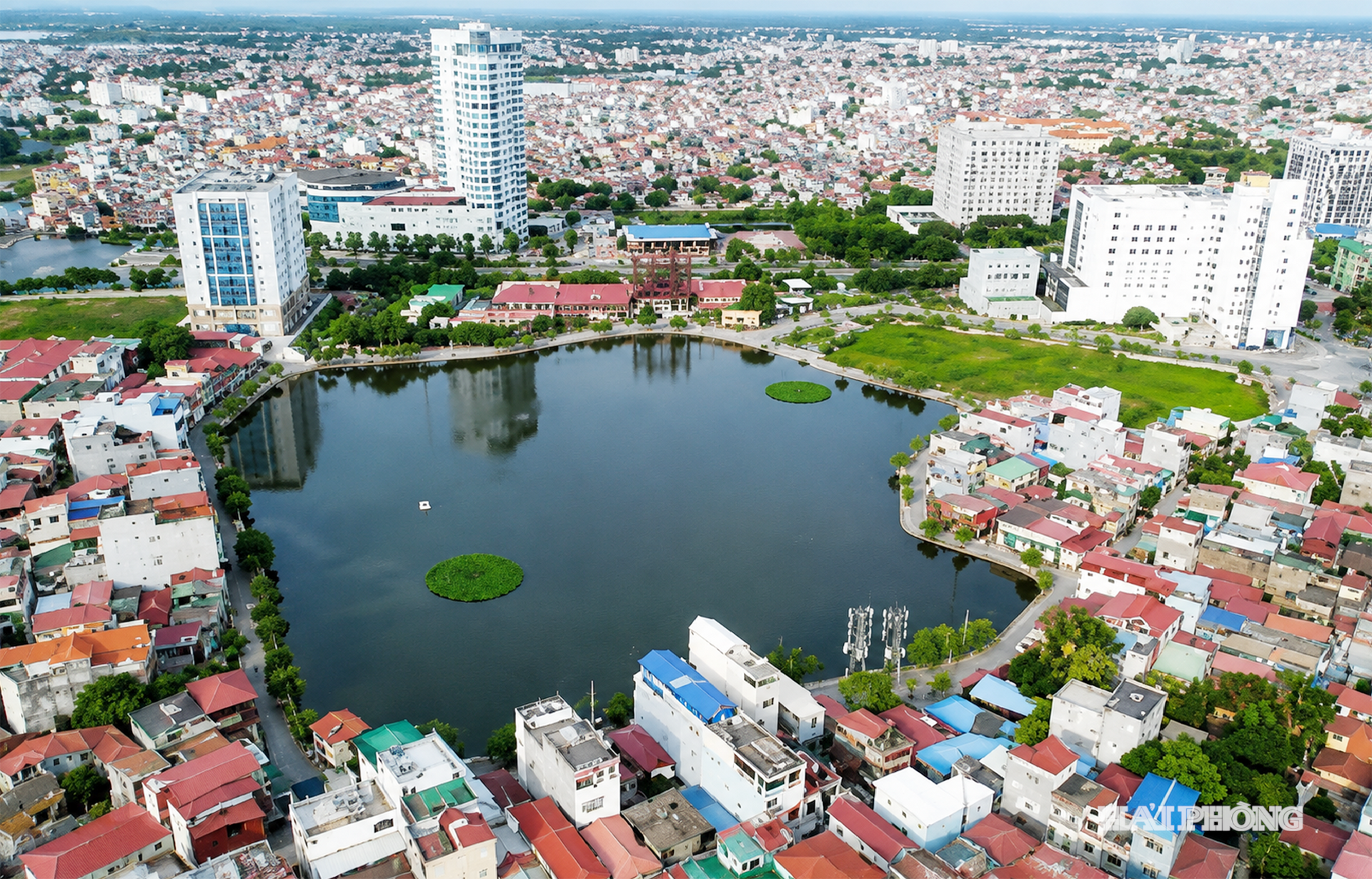
Practical realities demand that development planning can no longer be approached with outdated thinking. While previously the main goal was expanding urban space, now the challenge of disaster resilience and climate change adaptation must become a crucial component of development strategies.
In the Hai Phong City Master Plan until 2050, with a vision to 2075, approved by the Prime Minister in Decision No. 423/QD-TTg dated March 11, 2026, the city has set the goal of developing a modern, smart, green, and resilient coastal urban area.
According to a representative from the Department of Construction, climate change adaptation is integrated throughout the urban spatial development philosophy. Accordingly, regulating lakes, natural water bodies, and green spaces not only serve the landscape but also become an important part of climate adaptation infrastructure.
In particular, the "sponge city" model is being considered by many experts as a trend worth studying and applying in modern urban development. Accordingly, cities will increase the area of green spaces and retention ponds, and use permeable materials in sidewalks, parks, and residential areas to increase rainwater absorption capacity and reduce pressure on the drainage system.
According to the new planning guidelines, the transportation, water supply and drainage, and irrigation infrastructure systems will be studied in a synchronized and modern manner to enhance resilience against extreme natural disasters. The city also aims to accelerate digital transformation, apply early warning technologies, and manage meteorological and hydrological data to improve risk management efficiency.
Climate change will continue to be a long-term challenge for the coastal city of Hai Phong. In the new development space, planning must not only create room for growth but also simultaneously address the challenges of natural disasters, sea level rise, and extreme weather. Planning ahead, infrastructure development alongside, and proactive adaptation from an early stage will be the foundation for the city's sustainable development in the future.
According to Hai Phong City's climate change response action plan for the period 2021-2030, with a vision to 2050, the city has allocated over 27,542 billion VND to implement various tasks, of which over 27,125 billion VND is specifically for climate change adaptation.
Source: https://baohaiphong.vn/quy-hoach-thich-ung-bien-doi-khi-hau-543929.html
![[Photo] The courage of new recruits of Brigade 144 on the training ground.](https://vphoto.vietnam.vn/thumb/1200x675/vietnam/resource/IMAGE/2026/05/27/1779881651341_anh-man-hinh-2026-05-27-luc-18-32-52.png)

![[Photo] The heat at the fireworks display site on the opening night of the Da Nang International Fireworks Festival 2026](https://vphoto.vietnam.vn/thumb/1200x675/vietnam/resource/IMAGE/2026/05/27/1779889741485_ndo_br_z7872039145157-fecaba5112f39e8352544099d7ef4738-5140-jpg.webp)

















































![[Photo] The courage of new recruits of Brigade 144 on the training ground.](https://vphoto.vietnam.vn/thumb/402x226/vietnam/resource/IMAGE/2026/05/27/1779881651341_anh-man-hinh-2026-05-27-luc-18-32-52.png)























Comment (0)