


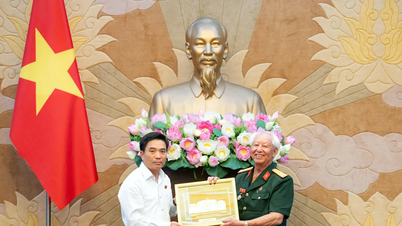
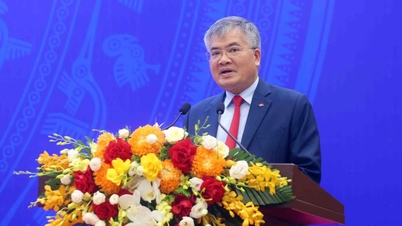
Deputy Director of the Department of Cultural Heritage (Ministry of Culture, Sports and Tourism) Pham Dinh Phong, Director of the Ho Chi Minh City Department of Culture and Sports Tran The Thuan, and Deputy Director of the Ho Chi Minh City Department of Culture and Sports Nguyen Minh Nhut chaired the conference.
One of the most dynamic museum systems in the country.
In his opening remarks at the conference, Mr. Nguyen Minh Nhut, Deputy Director of the Ho Chi Minh City Department of Culture and Sports, stated that the conference was organized to assess the current state of operation of public and private museum systems in the city over the past period, and to propose tasks and solutions for building and developing the Ho Chi Minh City museum system in the 2026-2030 period.
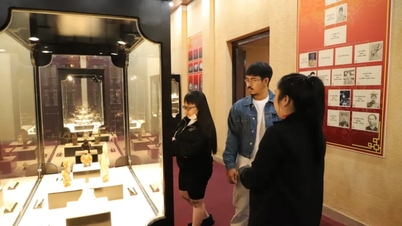
According to Mr. Nguyen Minh Nhut, Ho Chi Minh City has particularly favorable conditions due to its museum system, which has been inherited and developed through many historical periods. Currently, the city has a total of 25 museums, including 14 public museums and 11 private museums.
Of the 14 public museums, 9 are under the direct management of the Ho Chi Minh City Department of Culture and Sports, and 5 belong to central ministries and agencies located in the city.

"Over the past period, thanks to the attention of the city's leaders and the efforts of the staff and workers in the museum sector, the Ho Chi Minh City museum system has gradually developed and achieved many encouraging results," Mr. Nguyen Minh Nhut emphasized.
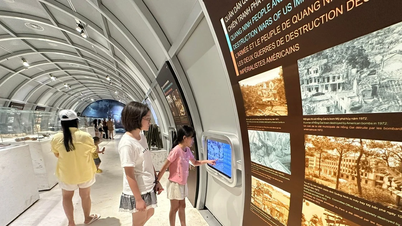
According to him, museums have continuously innovated their exhibition content, applied technology, promoted research, collection, and preservation of artifacts, and effectively fulfilled their functions of cultural education and communication.
In the period of 2021-2025 alone, despite being heavily impacted by the Covid-19 pandemic for about two years, the city's museum system still welcomed approximately 13.5 million visitors, including nearly 4 million international visitors.
This is considered an impressive figure, demonstrating the increasingly prominent role of museum systems in urban cultural life as well as in the development of cultural tourism in the city.
However, the leaders of the Ho Chi Minh City Department of Culture and Sports also acknowledge that, in light of the new development requirements of the city and the country, the museum system needs to continue to create even stronger breakthroughs.

"Ho Chi Minh City possesses many of the country's leading museums, but to maintain its position and create its own unique character, it needs to continue to innovate, develop sustainably, and better serve the needs of the public," said Mr. Nguyen Minh Nhut.
He stated that this conference focused on discussing many major issues such as museum system planning, linkages between museums in the area, research, collection, preservation of artifacts, exhibition innovation, heritage education, digital transformation, human resource development, international cooperation, and the creation of cultural products to serve the public.
In a report summarizing museum activities for the period 2021-2025, Mr. Hoang Nghi, Head of the Cultural Heritage Department of the Ho Chi Minh City Department of Culture and Sports, stated that the city's museum system is currently considered one of the most dynamic, diverse, and innovative in the country.
Ho Chi Minh City currently houses nearly 700,000 artifacts and documents, including nearly 300,000 original artifacts and 25 national treasures (22 treasures are kept in public museums and 3 national treasures are kept in non-public museums and private collections).
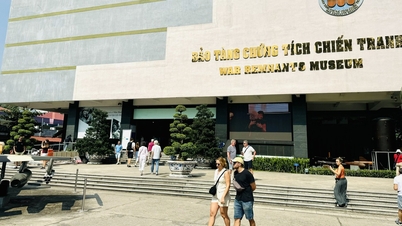
Currently, 7 out of 9 museums under the Department's management are ranked Grade I and are members of the International Council of Museums (ICOM), including: Ho Chi Minh City History Museum, Ho Chi Minh City Museum, Southern Vietnam Women's Museum, Ho Chi Minh Museum - Ho Chi Minh City Branch, Ton Duc Thang Museum, War Remnants Museum, and Ho Chi Minh City Fine Arts Museum.
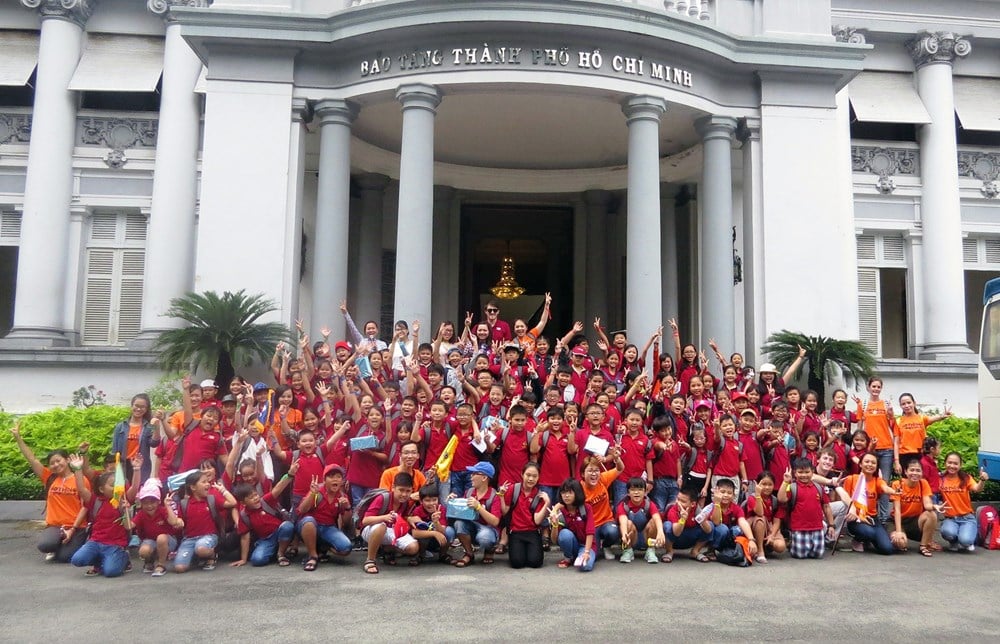
According to the Ho Chi Minh City Department of Culture and Sports, the city's museum system reflects quite comprehensively the fields of history, culture, fine arts, war, women, medicine, urban life, and Southern Vietnamese culture, thereby creating a cultural ecosystem with its own unique identity and great influence.
Some museums have gradually built their own brands, establishing a position within the national museum system, contributing to enhancing professionalism and competitiveness in the cultural and tourism sector.
However, despite the achievements, museum activities in Ho Chi Minh City still face many difficulties such as inconsistent infrastructure, lack of standard exhibition and storage spaces, limited specialized human resources, uneven progress in digital transformation, and insufficient investment resources to meet development requirements.
Some museums have yet to develop distinctive products with strong appeal or effectively exploit the potential of heritage in conjunction with the development of cultural industries and creative tourism.
According to Mr. Hoang Nghi, with the advantage of being a major economic and cultural center of the country, Ho Chi Minh City has many favorable conditions to become a leading locality in innovating museum activities towards modernity, intelligence, and international integration.
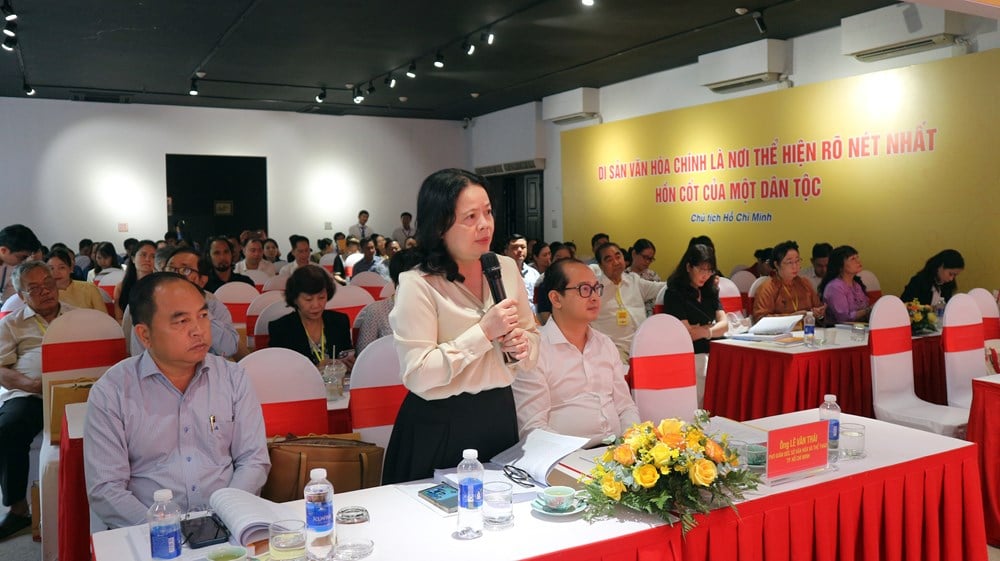
Shifting from “managing artifacts” to “serving the public”
At the conference, experts, researchers, and representatives from public and private museums discussed various issues related to museum innovation in the context of digital transformation and the development of the cultural industry.
Speaking at the conference, Deputy Director of the Department of Cultural Heritage Pham Dinh Phong highly appreciated the positive changes in Ho Chi Minh City's museum system in recent years. According to him, Ho Chi Minh City is one of the localities with dynamic, innovative museum activities that are rapidly approaching the modern museum development trends of the world.
"In the current context, museums are no longer just places to preserve artifacts, but are strongly shifting towards an open museum model, focusing on the public, enhancing experiences, interaction, and community connection," Mr. Pham Dinh Phong observed.
According to Mr. Pham Dinh Phong, modern museums around the world, in France, England, the United States, Japan, South Korea, and Singapore, are focusing on five major trends.
Firstly, there is a shift from a static display model to a multi-sensory interactive experience model, heavily utilizing virtual reality (VR), augmented reality (AR), holograms, artificial intelligence (AI), and digital data.

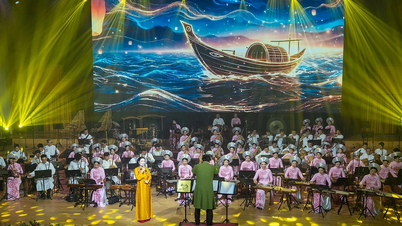
Secondly, museums should be developed as centers of creative culture and community spaces, where educational activities, arts, workshops, performances, and academic dialogues can take place.
Thirdly, we aim to expand public access through online exhibitions, remote visits, and multilingual digital platforms.
Fourth, museum activities should be linked to the development of cultural tourism, the night-time economy, and the cultural industry; creating distinctive products with unique identities to enhance international competitiveness.
Fifth, develop museums in a green, sustainable, and environmentally friendly direction; focusing on the role of the community in protecting and promoting the value of cultural heritage.
In comparison with international trends, according to Mr. Pham Dinh Phong, the museum system in Ho Chi Minh City has made many positive strides such as digitizing artifact data, building 3D/360 virtual exhibitions, applying audio guides, and promoting communication on digital platforms.
According to statistics from the Department of Cultural Heritage, nearly half of Ho Chi Minh City's public museums are currently among the top 10 most visited museums nationwide. Besides the public system, private museums such as the Ao Dai Museum and the Robert Taylor Museum of Ancient Weapons are also highly regarded for their ability to attract the public.
According to the Deputy Director of the Department of Cultural Heritage, in order to integrate with international museum trends, museums need to drastically change their operational mindset.
“Museums need to shift from a ‘managing artifacts’ mindset to a ‘serving the public’ mindset; from simply providing information to telling the story of heritage; from a space for visiting to a space for experience and creativity. This is the core trend of modern museums in the world today,” Mr. Pham Dinh Phong emphasized.

He suggested that during the 2026-2030 period, Ho Chi Minh City should focus on investing in modernizing its museum system to international standards; promoting data digitization; developing distinctive products associated with the cultural industry; training highly specialized human resources; strengthening international cooperation; and creating conditions for the development of non-governmental museum systems.
In particular, he noted that Ho Chi Minh City needs to focus on developing an exhibition plan for the new Ho Chi Minh City Museum in accordance with the regulations of the 2024 Law on Cultural Heritage.
"The world is entering a period of significant transformation in the museum industry, where heritage value lies not only in preserving the past but also in its ability to connect communities, foster creativity, and drive sustainable development for contemporary society," said Mr. Pham Dinh Phong.
He believes that Ho Chi Minh City has all the necessary conditions to become a leading locality nationwide in building a modern, smart, and internationally integrated museum model, gradually affirming its role as a museum center of Southeast Asia in the future.
Linking with tourism to attract visitors.
In his concluding remarks at the conference, the Director of the Ho Chi Minh City Department of Culture and Sports, Tran The Thuan, stated that Ho Chi Minh City cannot develop its museum system in isolation but needs the support and professional guidance from the Department of Cultural Heritage, along with collaboration with localities that have strengths in heritage and museums, such as Hanoi, Hue, and many other provinces and cities.

Besides acknowledging the achievements of the city's museum system in recent years, delegates also frankly pointed out many difficulties and limitations regarding infrastructure, human resources, connectivity, and exhibition effectiveness. Many practical solutions were proposed for the city's cultural sector to continue researching and implementing in the future.
The Director of the Ho Chi Minh City Department of Culture and Sports emphasized that the trend in museum development worldwide is changing dramatically. Museums are no longer just places to preserve artifacts, but have become open cultural institutions, spaces for creativity, community education, and social dialogue.
Therefore, the museum system in Ho Chi Minh City needs to shift strongly from a "displaying artifacts" mindset to a "serving the public" mindset, placing the experience, accessibility needs, and interaction capabilities of the people at its center.
He also argued that it is necessary to promote the application of digital technology, artificial intelligence (AI), virtual reality, and digital data in museum operations; and at the same time, build a modern governance model, enhance autonomy, and improve the quality of human resources.
During the period 2026-2030, Ho Chi Minh City will focus on improving the quality of professional activities; innovating the content and methods of exhibitions towards storytelling about heritage; strengthening cooperation, training human resources, and exchanging expertise; and developing museums into community education spaces, cultural creativity spaces, and attractive tourist destinations.

Mr. Tran The Thuan suggested that in the coming period, museums need to proactively develop plans to develop valuable collections, strengthen the exchange of artifacts, and cooperate in organizing thematic exhibitions between different units, including the non-governmental system, in order to avoid duplication of collections and waste of resources.
At the same time, museums must continue to innovate in terms of content and exhibition methods in a modern direction, telling "heritage stories" that are educational and culturally communicative.
"Museums should not only be places to preserve artifacts but also become spaces for community education, cultural creativity, and attractive tourist destinations. We must research and expand activities linked to tourism to attract visitors; this is a matter of survival for the museum system today," Mr. Tran The Thuan emphasized.
Source: https://baovanhoa.vn/van-hoa/bao-tang-can-ke-duoc-cau-chuyen-di-san-232690.html


![[Video] Sunset at Lap An Lagoon – Where the sun sets over the fishing nets](https://vphoto.vietnam.vn/thumb/1200x675/vietnam/resource/IMAGE/2026/05/31/1780192137701_beach-landscape-sea-water-nature-grass-745871-pxhere-com.jpeg)










![[Video] Sunset at Lap An Lagoon – Where the sun sets over the fishing nets](https://vphoto.vietnam.vn/thumb/800x450/vietnam/resource/IMAGE/2026/05/31/1780192137701_beach-landscape-sea-water-nature-grass-745871-pxhere-com.jpeg)



![[Image] A brilliant symphony and explosive power in the skies of Da Nang.](https://vphoto.vietnam.vn/thumb/1200x675/vietnam/resource/IMAGE/2026/05/31/1780196945787_anh-man-hinh-2026-05-31-luc-10-08-51.png)















![[Video] Sunset at Lap An Lagoon – Where the sun sets over the fishing nets](https://vphoto.vietnam.vn/thumb/402x226/vietnam/resource/IMAGE/2026/05/31/1780192137701_beach-landscape-sea-water-nature-grass-745871-pxhere-com.jpeg)


























Comment (0)