

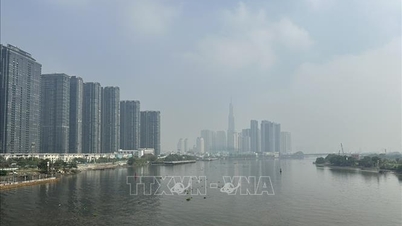
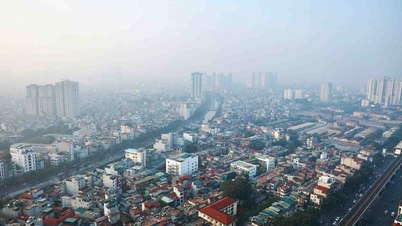
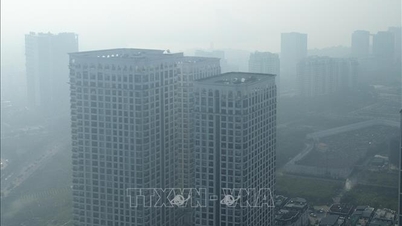
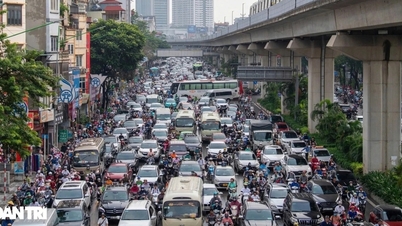
On December 17th, Ho Chi Minh City was covered in thick fog, with weak sunlight and limited visibility.
According to the IQAir air quality monitoring system, pollution levels in Ho Chi Minh City on the morning of December 17th reached a red alert. This level poses a serious health risk, especially for vulnerable groups such as children, the elderly, and those with underlying respiratory conditions. Ho Chi Minh City is among the most polluted major cities in the world .

The sky over Ho Chi Minh City was "hazy" on December 17 (Photo: Nam Anh).
The silent threat of respiratory and cardiovascular diseases.
According to Dr. Le Nhat Vinh, MD, MSc, Head of Interdisciplinary Department, Nam Saigon International General Hospital (Ho Chi Minh City), PM2.5 is a type of ultrafine dust that can penetrate deep into the lungs and go directly into the bloodstream.
Frequent exposure to high concentrations of fine particulate matter can irritate the respiratory tract lining, impair lung function, and increase the risk of many serious diseases.
During periods of poor air quality, the number of respiratory-related illnesses tends to increase, especially at ENT and respiratory healthcare facilities.
According to Dr. Le Nhat Vinh, air pollution is the leading cause of upper respiratory tract infections such as rhinitis, sinusitis, pharyngitis, and laryngitis. Patients often experience nasal congestion, runny nose, sore throat, dry cough, or persistent hoarseness.
At a more severe level, fine dust and pollutants can cause acute and chronic bronchitis. Common symptoms include persistent cough, cough with phlegm, wheezing, chest tightness, and a significant impact on daily life.
For those with a history of asthma, air pollution is considered a typical trigger for asthma attacks. PM2.5 causes bronchospasm, leading to intermittent shortness of breath, wheezing, and frequent coughing, especially at night and in the early morning.

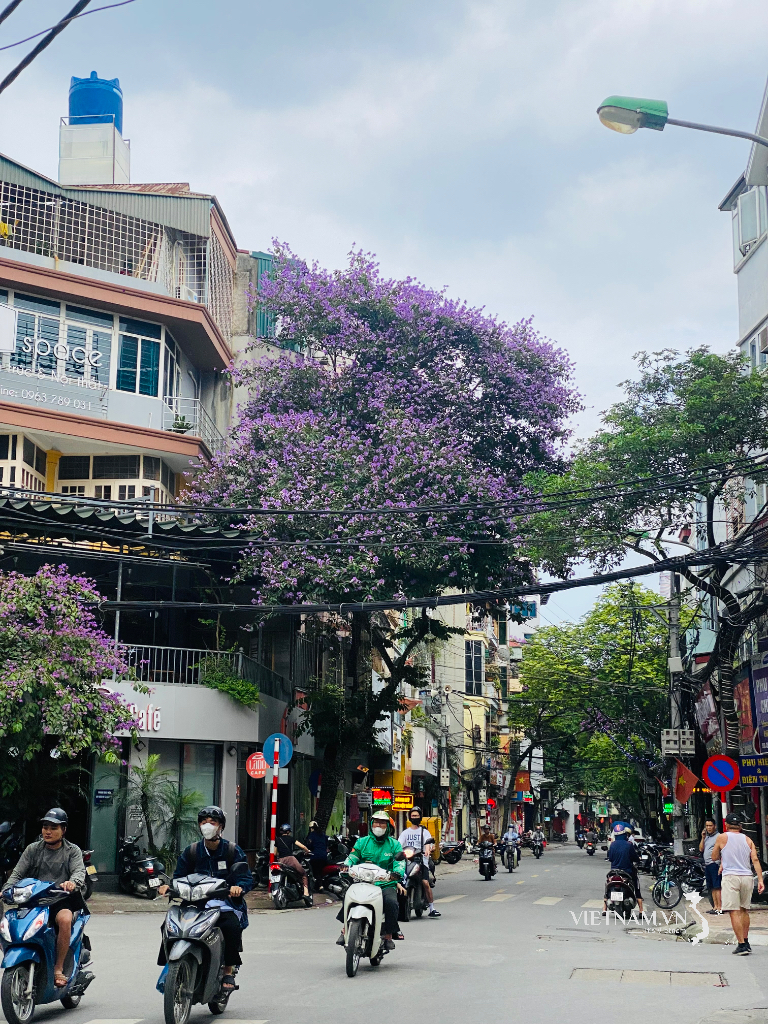
People have been wearing face masks and protective clothing when going out in recent days (Photo: Nam Anh).
In addition, chronic obstructive pulmonary disease (COPD) – commonly found in older adults – also tends to worsen with prolonged exposure to polluted environments, leading to a rapid decline in respiratory function.
Furthermore, medical studies indicate that PM2.5 fine dust not only harms the lungs but also increases the risk of cardiovascular diseases such as hypertension, myocardial infarction, and stroke. When fine dust enters the bloodstream, it causes a systemic inflammatory response, damaging blood vessels and the heart.
The WHO also classifies PM2.5 as a potential cause of lung cancer, even in non-smokers who live long-term in polluted air environments.
Doctor's recommendation
The Southern Vietnam Meteorological and Hydrological Station warned on December 17th that the upper-level easterly wind disturbance continues to affect the weather in Ho Chi Minh City. The area will be cloudy with sunny days, but there is a possibility of scattered showers and thunderstorms at night.
Unseasonal rains combined with fine dust can cause pollutant particles to remain suspended in the air for longer periods, increasing the risk of adverse health effects for the population.
Given the current air pollution situation, Dr. Vinh advises everyone to limit going outside when the AQI is high, wear standard face masks when traveling, keep living spaces well-ventilated, and closely monitor for any unusual respiratory symptoms.

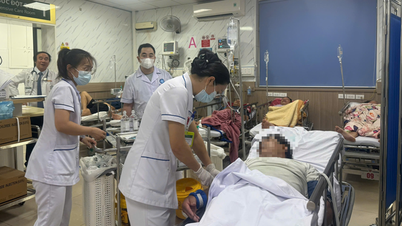
Doctors at South Saigon International General Hospital examine patients (Photo: Hospital).
People in high-risk groups should proactively seek medical attention if they experience symptoms such as persistent cough, shortness of breath, chest pain, or unusual fatigue.
Besides limiting exposure to polluted air, Dr. Le Nhat Vinh also encourages people to proactively clean their ears, nose, and throat daily to reduce the risk of infection.
Nasal rinsing with saline solution, especially after exposure to dusty environments, helps remove fine dust, bacteria, and irritants from the nasal mucosa, reducing the risk of upper respiratory illnesses.
Source: https://dantri.com.vn/suc-khoe/bau-troi-tphcm-mu-mit-nguy-co-mac-benh-duong-ho-hap-tim-mach-20251218075756657.htm
![[Photo] Prime Minister Pham Minh Chinh attends the Conference on the Implementation of Tasks for 2026 of the Industry and Trade Sector](/_next/image?url=https%3A%2F%2Fvphoto.vietnam.vn%2Fthumb%2F1200x675%2Fvietnam%2Fresource%2FIMAGE%2F2025%2F12%2F19%2F1766159500458_ndo_br_shared31-jpg.webp&w=3840&q=75)



























































































Comment (0)