


Patients with cirrhosis should avoid sugar because it can cause fat accumulation in the liver, and limit salt intake as it increases water retention.
According to Dr. Nguyen Anh Duy Tung, a specialist at Nutrihome Nutrition Clinic System, patients with cirrhosis may experience complications such as diabetes and cardiovascular disease due to the liver's weakened ability to metabolize sugar and fat. Therefore, the following foods should be limited.
Fast food: This type of food is high in calories, salt, and saturated fat, but lacks vitamins, minerals, and fiber. Excessive fatty liver can cause inflammation and accelerate the process of liver fibrosis.
Alcoholic beverages: People who have previously drunk alcohol have three times the risk of cirrhosis compared to the general population. Alcohol can stimulate inflammatory responses, cause liver cell necrosis, and accelerate the progression of cirrhosis to liver failure and cancer.
Foods high in salt: Patients with cirrhosis are prone to ascites (excessive fluid retention in the body), causing swelling in the abdomen or limbs. Salt increases the liver's ability to retain water. Doctors recommend that patients limit their salt intake to less than 5.2 grams per day.

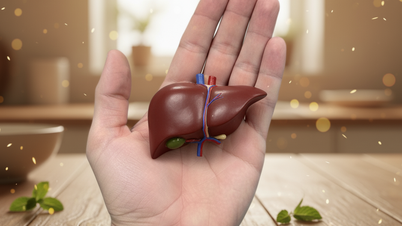
Patients with cirrhosis should reduce their daily salt intake. (Image: Freepik)
Fried and stir-fried dishes: Saturated fats in fried and stir-fried dishes increase the risk of excessive fat accumulation in the liver, leading to accelerated inflammation and fibrosis. High-temperature frying can produce AGEs (a group of toxic compounds formed from sugars combined with proteins) that stimulate inflammatory responses in the liver. When the liver is damaged by fibrosis, its ability to digest fats also decreases.
Foods high in sugar and sweeteners: Sugar and sweeteners should be avoided because the body converts excess glucose in the blood into fat, which is stored in the liver. Sugar stimulates the production of free fatty acids, triggering inflammatory responses in the liver. Regularly consuming sugar, especially fructose and glucose, causes inflammatory substances to accumulate in the body, potentially damaging the liver.
Raw meat, eggs, and seafood : Bacteria, viruses, and parasites in raw meat, eggs, and seafood can cause food poisoning and liver infections. Red meat and some seafood are high in saturated fat and cholesterol, requiring the liver to work harder to digest them.
Processed foods : These contain high levels of saturated fat, sugar, salt, and other additives that can further damage the liver. Saturated fat and sugar stimulate inflammatory responses and fat deposition in the liver, leading to faster liver fibrosis.
Foods high in cholesterol: Cirrhosis impairs the body's ability to produce bile, a substance necessary for dissolving and absorbing fats, including cholesterol. Eating foods high in cholesterol can lead to indigestion, bloating, gas, diarrhea, and nausea. Foods high in cholesterol include egg yolks, animal fat, red meat, poultry with skin, and seafood.
Difficult-to-digest foods: The liver has to work hard to break down tough meats, cartilage, or vegetables high in fiber. When the liver is not functioning efficiently, digesting these foods becomes difficult, causing abdominal pain, diarrhea, or constipation.
Dr. Tung advises patients with cirrhosis to strictly adhere to their specialist's treatment plan. Besides paying attention to nutrition, some natural extracts such as S. marianum and wasabia can help control Kupffer cells in the liver, increase detoxification capacity, and slow down liver fibrosis.
Kim Thu
Source link

















































































Comment (0)