

The patient had no identification, no accompanying person, and numerous abrasions on their body. Emergency procedures were immediately activated. The cause of this condition was found to be the result of nitrous oxide (laughing gas).
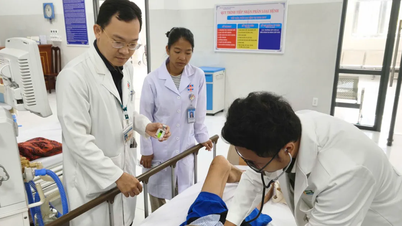
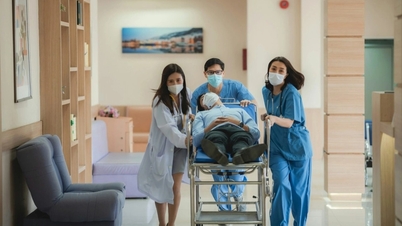
On July 4th, Dr. Nguyen Phu Quoc, Deputy Head of the Nephrology, Immunology and Transplant Department at People's Hospital 115, stated that the patient was admitted in a state of profound impaired consciousness. The hospital promptly coordinated with the 115 Emergency Center and the Korean Consulate in Vietnam to verify the patient's identity and contact their relatives. The patient exhibited acute neurological symptoms such as disorientation in space and time, involuntary movements, and a risk of harming themselves and others. In addition, the patient also showed signs of acute kidney injury.
Doctors and medical staff faced difficulties in obtaining information about the patient's prior medical history. A hospital-wide consultation involving multiple specialties, based on biochemical indicators showing mild metabolic acidosis and transient renal impairment, and laboratory and imaging results that ruled out central nervous system infections, metabolic disorders, traumatic brain injury, and stroke, along with indirect testimony from staff at the Korean Embassy and the collected risk factors, led to a diagnosis of N₂O poisoning (laughing gas).
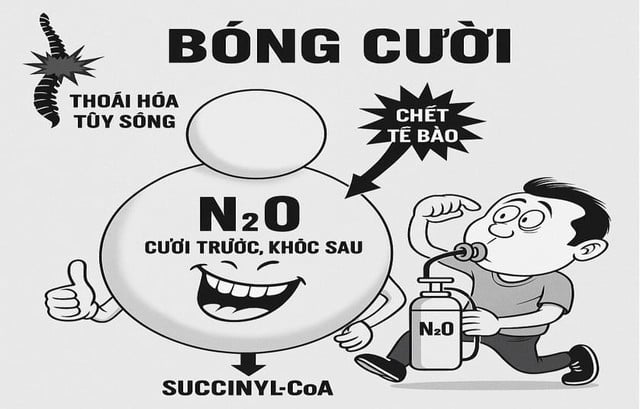
The effects of inhaling N2O on the body.
PHOTO: BVCC
After 13 days of inpatient treatment, including behavioral control, fluid administration, and close monitoring, the patient's renal function recovered well, consciousness gradually improved, and vital signs stabilized. This is a remarkable result of a closely coordinated multidisciplinary healthcare system, especially given that the patient lacked initial medical data upon admission.
Harmful effects of using high doses of nitrous oxide (laughing gas).
According to Dr. Nguyen Phu Quoc, a specialist in internal medicine, nitrous oxide (N₂O) is a colorless gas with a slightly sweet odor, legally used in dentistry and obstetrics as a mild anesthetic. However, when used for recreational purposes, N₂O becomes an extremely dangerous hallucinogen, especially when inhaled directly in high doses or in confined spaces.
Mechanistically, N₂O gas inactivates the enzyme methionine synthase, inhibiting DNA synthesis and affecting myelin formation in both peripheral and central nervous systems. As a result, users may experience neurological symptoms such as paresthesia, limb weakness, loss of balance, memory impairment, and even posterior spinal cord degeneration visible on MRI.
Furthermore, N₂O gas can cause acute mental disorders, auditory hallucinations, paranoia, agitation or delirium, respiratory failure and cardiac arrest, arrhythmias, increased risk of sudden death when combined with other stimulants such as alcohol, cocaine, ketamine, etc., and affects the hematopoietic system.
Source: https://thanhnien.vn/nguoi-dan-ong-bat-tinh-tren-duong-do-ngo-doc-bong-cuoi-185250704153835736.htm
![[Photo] General Secretary and President To Lam presides over a meeting with the Central Organizing Committee.](https://vphoto.vietnam.vn/thumb/1200x675/vietnam/resource/IMAGE/2026/06/03/1780482764658_a1-bnd-4741-3342-jpg.webp)
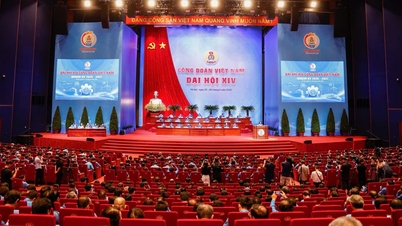
![[Photo] First session of the 14th Congress of the Vietnam Trade Union](https://vphoto.vietnam.vn/thumb/1200x675/vietnam/resource/IMAGE/2026/06/03/1780465947883_ndo_br_img-3852-jpg.webp)

![[Photo] Secretary of the National Assembly Party Committee, Chairman of the National Assembly presides over the meeting of the Standing Committee and Executive Committee of the National Assembly Party Committee.](https://vphoto.vietnam.vn/thumb/1200x675/vietnam/resource/IMAGE/2026/06/03/1780480353201_ndo_br_bnd-2585-jpg.webp)









































![[Video] Sunset at Lap An Lagoon – Where the sun sets over the fishing nets](https://vphoto.vietnam.vn/thumb/1200x675/vietnam/resource/IMAGE/2026/05/31/1780192137701_beach-landscape-sea-water-nature-grass-745871-pxhere-com.jpeg)






























Comment (0)