

According to experts, Ebola is a dangerous acute infectious disease, often accompanied by hemorrhagic syndrome and multiple organ failure, with a mortality rate that can reach 90%. The disease is transmitted through direct contact with the blood, bodily fluids, or tissues of infected people and animals. The virus can also be transmitted through contaminated objects such as clothing, bedding, or used needles.
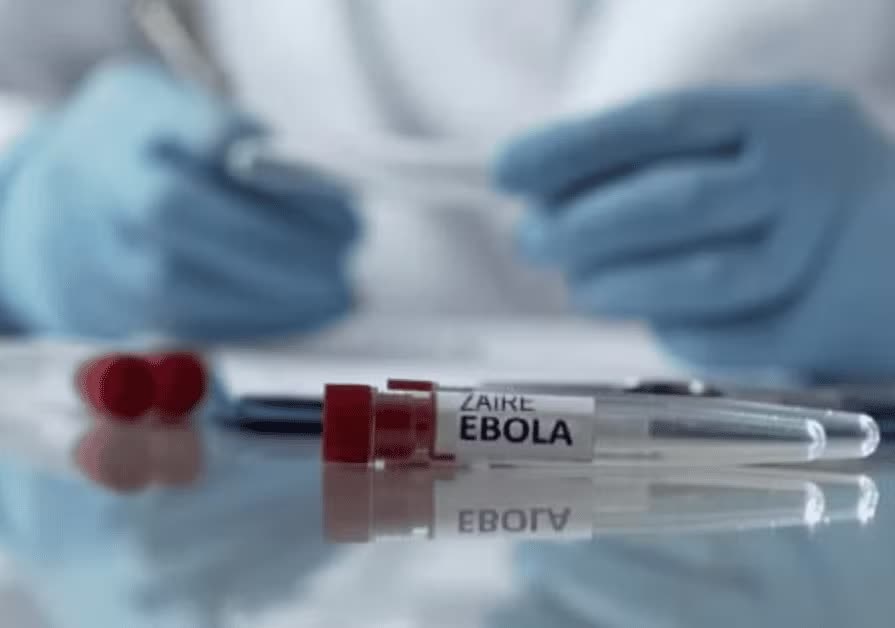 |
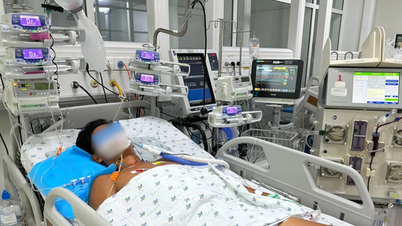
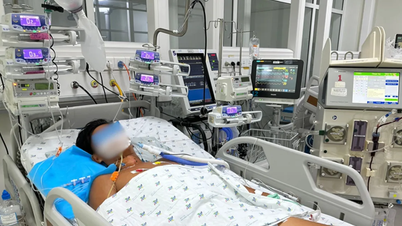
Ebola is a dangerous acute infectious disease. |
Given the complex developments of the epidemic, the Department of Medical Examination and Treatment Management requests hospitals under the Ministry of Health , health departments of ministries and sectors, and provincial and city health departments to urgently strengthen epidemic prevention and control work in medical examination and treatment facilities, paying particular attention to cases who have visited countries with outbreaks within the past 21 days.
Healthcare facilities are required to tighten infection control, organize screening, classification, and strict isolation of suspected or confirmed Ebola cases. At the same time, healthcare facilities must regularly update information on the global epidemic, and intensify communication to prevent public panic while still proactively implementing preventive measures.
The Department of Medical Examination and Treatment Management also requested that units promptly detect suspected cases to isolate them in a timely manner, and coordinate with the preventive health system in testing, diagnosis, and treatment according to the professional guidelines of the Ministry of Health.
In addition, hospitals must review their treatment capacity, prepare adequate personal protective equipment for medical staff, isolation facilities, and diagnostic capabilities to be ready to receive and treat Ebola patients should cases appear in Vietnam.
According to the World Health Organization, from May 5th to May 20th, the Democratic Republic of Congo and Uganda recorded approximately 600 suspected cases of Ebola, including 139 deaths. More than 50 cases have been confirmed to be infected with the Bundibugyo strain – one of the six strains of the Ebola virus.
On May 17, the WHO declared the Ebola outbreak caused by the Bundibugyo strain in Congo and Uganda a public health emergency of international concern.
Upon entering the body, the Ebola virus directly affects the patient's health, impacting many organs, including vital organs such as the liver and kidneys.
According to the Department of Disease Prevention (Ministry of Health), after infection with the Ebola virus, the incubation period can last from 2 to 21 days, during which time the patient has no symptoms or very mild symptoms. Therefore, most patients are unaware of their condition and unknowingly transmit Ebola to others.
The Ebola virus can survive for several hours to several days under normal environmental conditions, often appearing on dry surfaces or bodily fluids from infected individuals.
The Ebola virus can destroy the immune system and affect the body's natural blood clotting ability. As a result, patients with severe Ebola infections will experience very serious internal bleeding that is difficult to control, easily leading to shock and death.
Ebola can affect anyone, but those with underlying immune systems are at higher risk of complications and death.
The consequences of the Ebola epidemic are extremely serious, considered "one of the deadliest diseases ever known." Ebola not only claims the lives of patients but also carries the potential for a pandemic outbreak. Even those declared cured always face the risk of recurrence, which is worrying because there is currently no vaccine or definitive treatment for the disease.
Source: https://znews.vn/bo-y-te-hoa-toc-yeu-cau-phong-chong-dich-ebola-post1653769.html































































































Comment (0)