

The Bolivian government of President Rodrigo Paz, who took office last month, is implementing drastic measures to address the deep economic crisis.
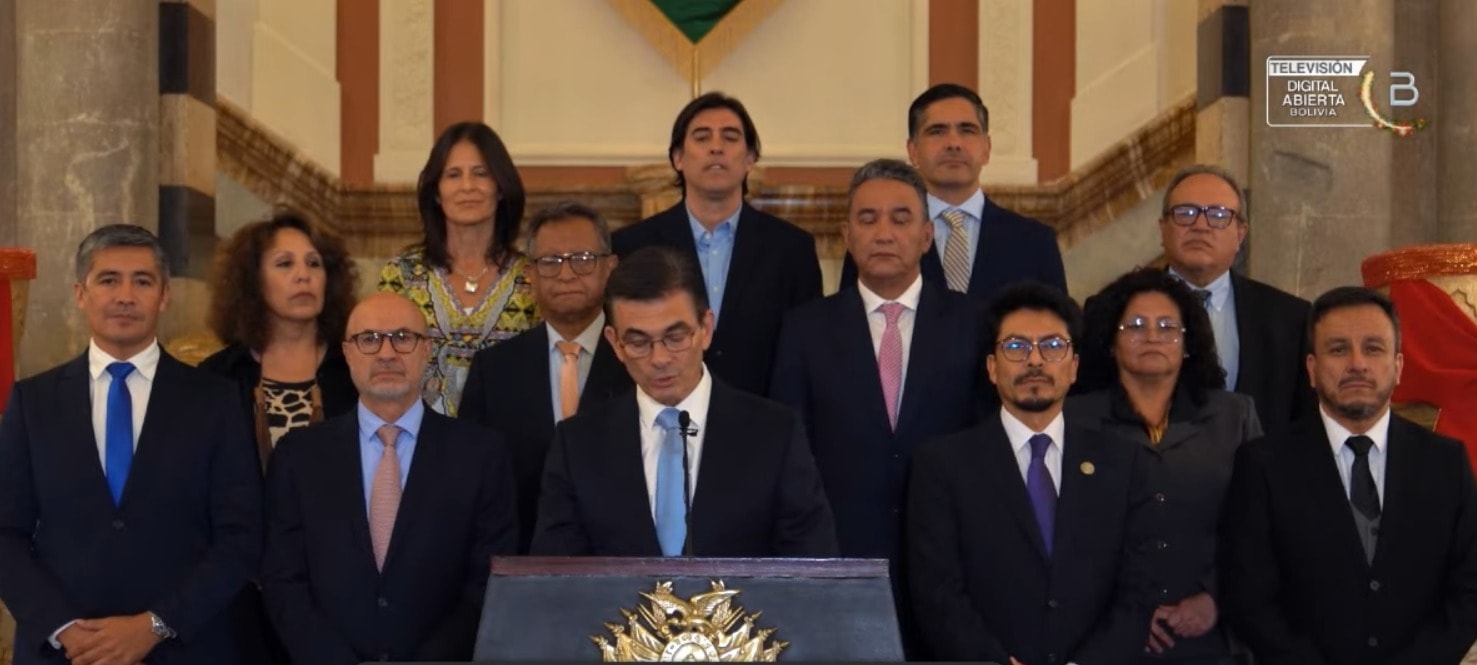
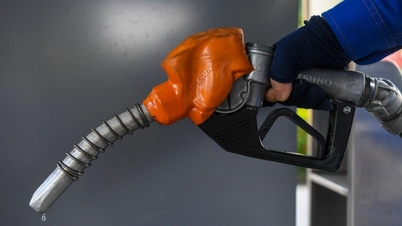
On December 17, the Bolivian government announced the end of its fuel subsidy policy, which had been in place since 2006, viewing it as an important first step in its stabilization strategy.
In a nationwide address, Bolivian President Paz emphasized: "This does not mean the Government is giving up, but rather it means order, justice; a real, clear, and transparent redistribution." This decision sent shockwaves through the markets.
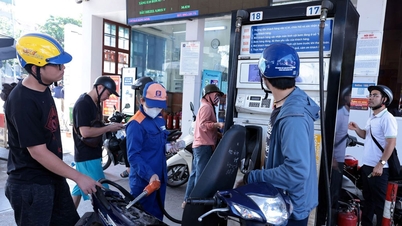
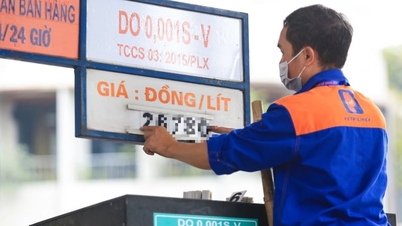
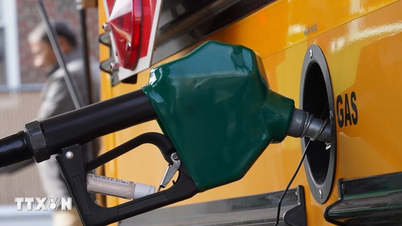
Immediately, the price of diesel and gasoline in the country more than doubled, reaching approximately $1.43 per liter for diesel and $1.02 per liter for premium gasoline. Despite the shocking price increases, the Bolivian government's strategy went beyond simply adjusting prices; it also aimed to address the root cause of the supply chain instability.
The initial removal of subsidies will apply immediately to the agricultural and business sectors – priorities that were previously identified. To address the shortage, the Bolivian government will allow direct imports of diesel fuel, easing pressure on the state-owned oil company YPFB.
Regarding the roadmap, Minister of Oil and Gas Mauricio Medinaceli said the new prices will be fixed for six months, but the possibility of further adjustments if needed remains open.
These reforms were introduced against the backdrop of Bolivia facing numerous serious challenges. President Paz acknowledged inheriting an "economy in turmoil," and that each fiscal measure carried political risks.
Source: https://congluan.vn/bolivia-cham-dut-tro-gia-gia-xang-dau-tang-hon-2-lan-10323069.html




















![[Photo] Reception to welcome General Secretary and President To Lam and his wife on their State visit to the Philippines](https://vphoto.vietnam.vn/thumb/1200x675/vietnam/resource/IMAGE/2026/06/01/1780295488620_vna-potal-chieu-dai-chao-mung-tong-bi-thu-chu-tich-nuoc-to-lam-va-phu-nhan-tham-cap-nha-nuoc-toi-philippines-8798060-7855-jpg.webp)





























































Comment (0)