

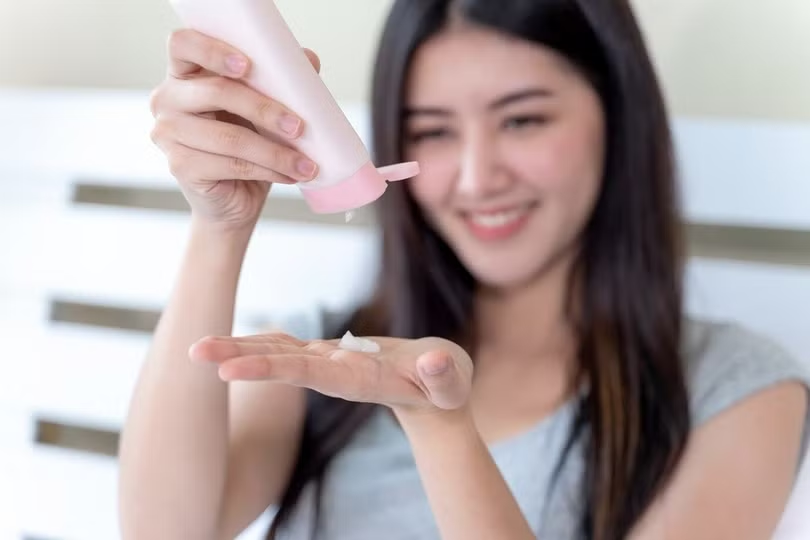
For effective sun protection, a combination of measures is needed to shield the skin from the harmful effects of UV rays.
Sunscreen is the primary way to protect your skin.
Protect your skin with sunscreen.
Always apply sunscreen with an SPF of 30 or higher and broad-spectrum protection (usually labeled as broad-spectrum on the packaging) to protect your skin from both UVA and UVB rays.
How to distinguish the indicators on sunscreen packaging:
- An SPF of 30 blocks approximately 97% of UVB rays, while an SPF of 50 blocks about 98%.
- PA rating: For UVA protection, choose sunscreen with a PA rating from PA++ to PA++++.
How to apply sunscreen:
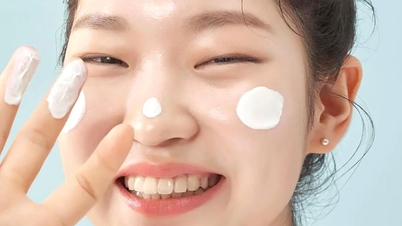
- Apply the right amount: Most people don't apply enough sunscreen. For the face, the right amount is about the size of a coin (approximately 2g). When applying sunscreen to the whole body, use about a cup (approximately 30ml). Don't apply too little, as it will reduce the protection, and don't apply too much, as it will clog pores.
- Apply before going outside: Apply sunscreen at least 20-30 minutes before sun exposure to allow it to absorb and take effect.
- Reapply frequently: Reapply sunscreen every 2-3 hours, especially after sweating or swimming.
- Don't forget to apply sunscreen to often-overlooked areas like your ears, neck, backs of your hands, and backs of your feet...
Protect your skin with physical shields.
- Wear sun-protective clothing: Wear long-sleeved shirts and long dresses made of materials with a sun protection factor (UPF), preferably dark-colored or tightly woven clothing.
- Wear a wide-brimmed hat: A wide-brimmed hat helps protect your face, neck, and ears from direct sunlight.
- Wear sunglasses: Choose sunglasses that offer 100% UVA and UVB protection to safeguard your eyes and the skin around them.
- Use a face mask: Face masks help protect your facial skin from dirt and some of the effects of sunlight.
- Use an umbrella: Use an umbrella when walking in the sun, especially during peak hours.
Limit your time in the sun.
- Avoid going outdoors during peak hours, between 10 AM and 4 PM. During this time, UV rays are strongest, easily causing immediate sunburn or increasing the risk of skin cancer if exposed to sunlight frequently.
- Seek shade: When you have to be outdoors, try to find shady spots such as under trees or awnings.
How to take care of your skin in the summer.
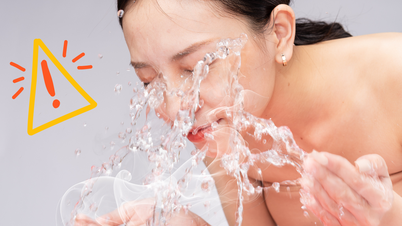
- Cleanse your skin properly: Wash your face in the morning and evening, and after exercising and sweating heavily, or after coming indoors from being outdoors in the sun. Washing your face helps remove dirt, excess oil, and accumulated sweat.
However, avoid washing your face too often as this will strip away the skin's natural protective oils, making it more prone to dryness and irritation. Be sure to use a gentle cleanser (gel or foam) that doesn't contain harsh scrub particles to avoid irritating skin that is sensitive due to high temperatures.
- Soothing the skin: After sun exposure in the summer, in addition to thorough cleansing, it's necessary to soothe and care for the skin properly. Using soothing products like aloe vera gel will cool and soothe the skin and help it recover quickly.
- Moisturizing: Provide adequate hydration to the skin to restore its natural protective barrier. Prioritize lightweight moisturizers (lotion, gel) to avoid clogging pores in hot and humid weather.
- Hydrating serum : Apply a serum containing hyaluronic acid or other hydrating ingredients before your moisturizer to boost skin hydration.
- Facial mist: Use a facial mist several times a day to soothe and quickly hydrate your skin during hot weather.
- Applying face masks: Use gentle face masks that have a cooling, moisturizing, or brightening effect on the skin 1-2 times a week.
- Gently exfoliate 1-2 times a week to remove dead skin cells, allowing your skin to breathe and absorb nutrients better. Choose gentle chemical exfoliants (AHA, BHA) or scrubs with small granules.
- Avoid touching your face to prevent the spread of acne-causing bacteria.
Lifestyle and nutrition
- Drink enough water: When your body is adequately hydrated, it helps keep your skin healthy and reduces the effects of sunlight. You should drink 2-2.5 liters of water every day to keep your skin moisturized and healthy.
- Supplement with antioxidants: Eating plenty of green vegetables and fresh fruits rich in vitamin C, vitamin E, vitamin A, and other antioxidants helps protect the skin from damage caused by free radicals.
- Pay attention to outdoor activities: If you participate in outdoor activities such as swimming or sports , make sure to reapply sunscreen more frequently.
Even on cloudy days, UV rays can still penetrate the clouds and harm your skin, so don't underestimate the importance of sun protection.
- For children, special sun protection measures are needed that are suitable for their sensitive skin, such as using sunscreen specifically designed for children and sun-protective clothing.
By combining these measures, you can help keep your skin healthy, prevent sunburn and tanning, and reduce the risk of premature aging and other skin problems caused by sun damage during the summer.
In her book, "Living Healthy Without Medication," Professor Ryoko Chiba argues that the fundamental principle when using medication in daily life is "short and specific." Take medication when you are sick. Stop taking it as soon as you recover. However, simply changing how you use medication won't make you healthier. To truly be healthy, we also need to change our lifestyle habits and our way of thinking.
Source: https://baohatinh.vn/cach-bao-ve-da-trong-mua-he-post287235.html




































































































Comment (0)