

The bottlenecks hindering the success of digital transformation in businesses, such as lack of consensus, unclear goals, and rigid methods, have been identified and effectively overcome by Viettel with its Viettel Agile methodology.
In recent years in Vietnam, the benefits of digital transformation for businesses have been highly emphasized; however, it remains a complex and challenging process. There are many reasons why digital transformation fails, even becoming a painful experience for businesses. According to the consulting firm Wolf & Company, there are seven main reasons why many organizations fail when undergoing digital transformation.

First, a lack of consensus and commitment from all members of the organization can derail the digital transformation process. Second, poorly defined transformation goals and misjudgments can lead the project astray. Third, the application of rigid and inflexible methodologies, such as the "waterfall" model (project management based on sequential and sequential design processes), can also hinder project progress.
Fourth, if insufficient budget is allocated to digital transformation, the company may run out of resources and no longer have the strength to continue. Fifth, a lack of advice from experts can sabotage the company's transformation efforts. Sixth, failing to put customers at the center of the digital transformation process, disregarding their needs and feedback, is also a mistake.
Finally, neglecting organizational culture can also lead to transformation failure, because technology is only one part; transforming people, processes, and culture is also crucial in digital transformation.
Therefore, experts recommend that, to avoid failure in digital transformation, it is necessary to ensure that all stakeholders are committed to the digitalization roadmap. Setting clear goals and priorities from the outset, as well as adopting a flexible and iterative approach, maintaining resources for digital transformation, and maximizing the expertise of digital transformation consultants are crucial. The transformation should also focus on customer needs and be closely integrated with the organizational culture throughout the process.
At Viettel, Vietnam's leading technology group, the "pain points" of the digital transformation process have been thoroughly studied when developing the Viettel Agile digital transformation methodology.
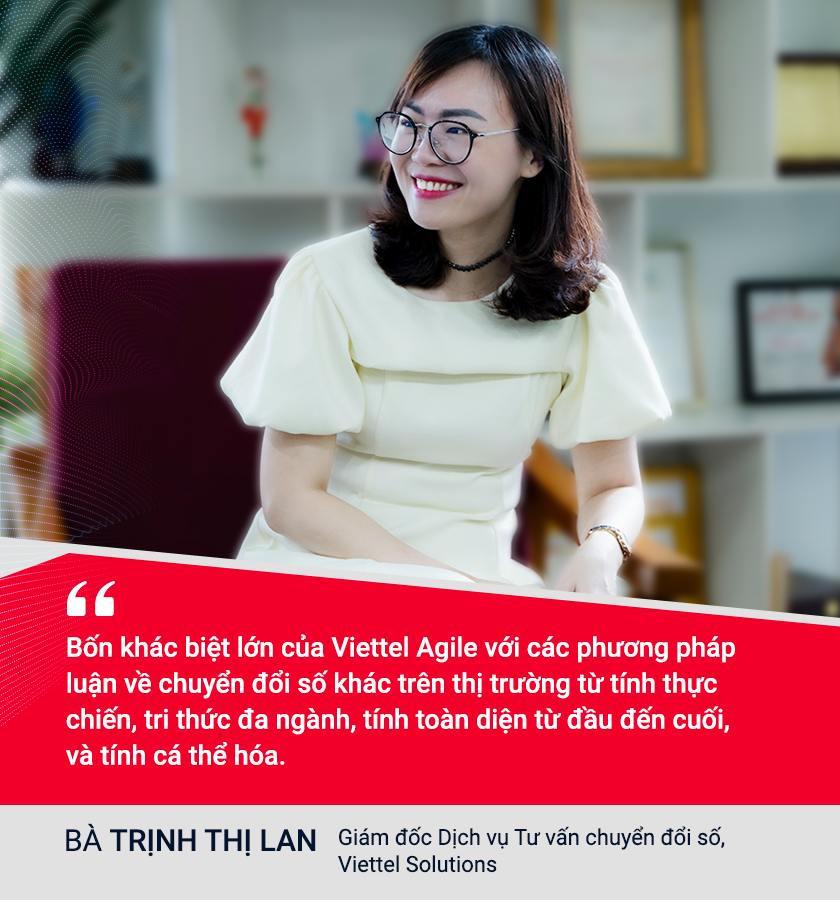
“Any consulting activity that aims for effectiveness must begin with understanding the business in order to provide the most suitable consulting content. This suitability must simultaneously address many factors: the desires and expectations of the leadership, the desires of the employees, alignment with the business strategy, and compatibility with the company's resources, culture, skills, and context…”, said Ms. Trinh Thi Lan, Director of Digital Transformation Consulting Services at Viettel Solutions.
When advising businesses, Viettel Agile focuses on building consensus and commitment among all members of the organization by understanding the corporate culture and the needs of each individual, thereby creating a solid foundation for the digital transformation process.
In particular, the Viettel Agile methodology combines elements from international frameworks but is successfully applied at Viettel before being used to advise external businesses, resulting in a much more flexible approach compared to traditional models. One of the three foundations of Viettel Agile is the Agile spirit, the spirit of rapid adaptation that Viettel employees always emphasize.
While other consulting firms typically only advise on the initial strategic planning phase and then end the project, Viettel closely monitors and oversees the management and implementation of the strategy, making necessary adjustments to the digital transformation strategy. This helps businesses better adapt to change and quickly respond to requirements during project deployment.

Viettel's deep understanding of Vietnamese culture and multidisciplinary knowledge also allows it to provide comprehensive, personalized support services at reasonable costs, creating a competitive advantage in the market.
The results of Viettel Agile's implementation at Viettel itself and its major clients have affirmed Viettel Agile's ability to provide flexible, scalable solutions that adapt to various economic conditions, ensuring long-term and sustainable development for customers.
Viettel Agile is both a strategic and practical methodology with excellent business applications, earning it recognition at the BIG Awards for Business 2024 as a "Model of the Year" in the digital transformation field. This milestone also marks Viettel's influence in the domestic and international digital transformation consulting services market.
Thu Hang
Source: https://vietnamnet.vn/cach-viettel-agile-giai-quyet-noi-dau-chuyen-doi-so-cua-doanh-nghiep-2356420.html



















































































Comment (0)