My child has hand, foot, and mouth disease and is being monitored at home, currently developing mouth ulcers. Can I buy some ointment for him/her? This is a concern for many parents when their children get sick, especially in the context of the complicated hand, foot, and mouth disease outbreak.

|
Currently, there is no specific treatment for hand, foot, and mouth disease. Treatment mainly involves monitoring and supportive care, with resuscitation interventions depending on the severity of the illness. |
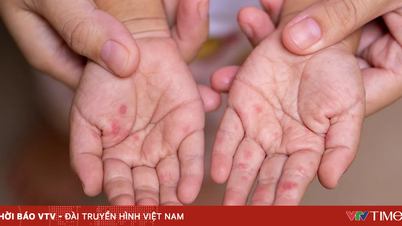
Mouth ulcers are one of the characteristic and common signs of hand, foot, and mouth disease in children. These ulcers can appear simultaneously in multiple locations inside the mouth, such as the tip of the tongue, the inside of the cheeks, the gums, the inside of the lips, or the roof of the mouth. Children with mouth ulcers often experience sore throat, fever, fatigue, excessive salivation leading to pain, and may be reluctant to eat or even refuse food.
To help soothe pain and reduce the size of sores, there are several topical medications available that can alleviate the condition. However, these medications only provide temporary pain relief and do not kill the virus causing the infection.
Conversely, if used incorrectly, the medication can cause side effects such as allergies, numbness of the tongue, blurred vision, and heart rhythm disturbances. Therefore, parents should not self-medicate their children with topical medications but should seek prescription and guidance from a specialist doctor.
During the care process, children are prone to loss of appetite, dehydration, and weakened immunity, which increases the risk of complications. Families need to supplement nutrition with soft, liquid foods such as porridge, soup, milk, broth, or smoothies and juices.
Food should be cooled or slightly chilled to reduce irritation and make it easier for children to eat. At the same time, ensure children drink enough water, take vitamins and minerals, and avoid hot, spicy, salty, sour, or hard foods that could worsen the ulcers.
In addition, parents should prevent children from putting their hands in their mouths or touching the sores. Oral hygiene should be done using saline solution or a suitable antiseptic solution. Children need to be bathed regularly and wash their hands frequently to remove bacteria and plaque, helping the condition to heal quickly.
Hand, foot, and mouth disease is an acute infectious disease caused by enteroviruses, spreading rapidly through the digestive tract, nasal and throat secretions, or contact with contaminated objects. It commonly affects children under 10 years old, especially those under 5.
Alarmingly, the currently circulating Enterovirus 71 strain is highly virulent, spreads rapidly, and has a 3 to 5 times higher rate of severe illness compared to previous strains. Many infected cases have mild symptoms but progress very quickly.
A dangerous mistake parents make is waiting until a rash is clearly visible before taking their child to the doctor. In reality, the C1 variant of EV71 can attack the brain within just 24 hours. Many cases are admitted late in critical condition with little or no rash, leading to easy misdiagnosis.
In Ho Chi Minh City, 940 cases of hand, foot, and mouth disease were recorded last week, a 42.7% increase compared to the average of the previous four weeks, bringing the total number of cases since the beginning of the year to over 9,100. According to surveillance data, the EV71 strain currently accounts for 56% of samples, including the C1 variant which can evade immunity, meaning children who have previously had the disease are still at risk of reinfection.
According to doctors, the EV71 strain often causes severe illness but is easily overlooked because its skin manifestations are minimal or subtle. In many cases, children are admitted to the hospital with respiratory failure and cardiogenic shock but without any noticeable rash or mouth ulcers.
In particular, the virus may not cause obvious skin lesions but instead directly attack the central nervous system, causing severe damage and potentially leading to rapid death within 12 to 24 hours. Most late-stage patients admitted to the hospital in critical condition present with very little or no rash.
Once the disease begins to affect the nervous system, every minute of delay can be life-threatening. Parents need to take their children to a medical facility immediately if they show warning signs such as startling, trembling limbs, unsteady gait, frequent vomiting, persistent high fever that doesn't respond to medication, persistent crying, lethargy, or loss of balance, even if there is no rash or mouth sores.
Currently, there is no specific treatment for hand, foot, and mouth disease. Treatment mainly involves monitoring and supportive care, with resuscitation interventions depending on the severity of the disease. If detected early, children have a good chance of recovery. Conversely, if treatment is delayed, the virus can cause irreversible brain and cardiovascular damage, leading to shock, multi-organ failure, acute pulmonary edema, and a very high risk of death, or leaving severe neurological sequelae.
If a child becomes ill, they should be isolated at home for at least the first 10 to 14 days, and closely monitored for any unusual symptoms so that they can be taken to the doctor promptly.
Hand, foot, and mouth disease is no longer a mild illness as many people still think. Mistakes in treatment and complacency regarding initial symptoms can cause parents to miss the crucial moment to save their children's lives. Proactive prevention, close monitoring, and early intervention are decisive factors in protecting the health and lives of young children.
According to Mr. Chau Thanh Tu, Chief Pharmacist of the Pharmaceutical Professional Council at Long Chau Pharmacy and Vaccination Center, hand, foot, and mouth disease is a common infectious disease among Vietnamese children. The disease is transmitted through the respiratory tract, digestive tract, and direct contact with objects contaminated with the virus.
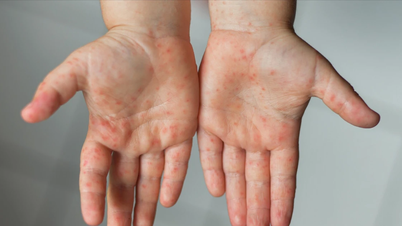
Children with this disease often develop blisters in the mouth, palms, soles of the feet, buttocks, or knees. The mouth ulcers are painful, causing children to refuse food and become fussy. If not monitored and treated promptly, the disease can progress rapidly, leading to dangerous complications such as encephalitis, meningitis, respiratory failure, or circulatory failure.
Experts warn parents to take their children to a medical facility immediately if they show signs such as a fever of 39 degrees Celsius or higher that is difficult to bring down, frequent startling, unusual crying, seizures, lethargy, rapid pulse, sweating, cold hands and feet, frequent vomiting, or loss of appetite.
Hand, foot, and mouth disease is endemic year-round but tends to increase during transitional seasons, especially from March to May and from September to October. The disease easily breaks out in crowded places such as nurseries, schools, and densely populated residential areas.
Given the complex situation of the epidemic, experts advise parents to proactively prevent illness in children in their daily lives by following five principles: frequent handwashing with soap and clean water for both children and caregivers, especially before eating, after using the toilet, and after changing diapers.
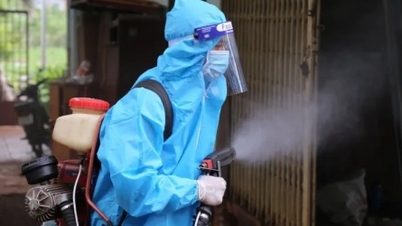
Clean and disinfect frequently touched surfaces and items such as floors, doorknobs, and children's toys. Limit close contact and avoid sharing food, drinks, and personal items with sick individuals. Isolate sick children for at least 10 days from the onset of symptoms to prevent the spread of the disease, monitor their health, and take them to a medical facility if there are any suspicious signs.
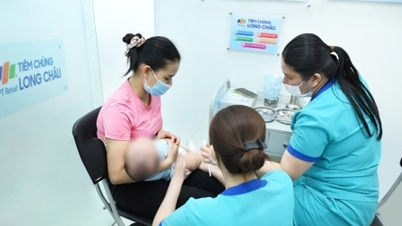
Notably, the Ministry of Health has approved the EV71 vaccine against hand, foot, and mouth disease, opening up opportunities to prevent severe complications of the disease. Long Chau is currently preparing and accelerating the implementation steps to bring the vaccine to serve the Vietnamese people as soon as possible.
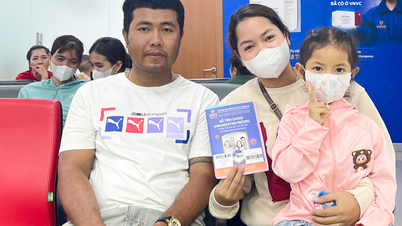
A representative from the Long Chau Vaccination System stated that with over 200 vaccination centers nationwide, they provide a full range of new, genuine vaccines to protect the whole family against common infectious diseases. Timely and proper vaccination will help children and family members avoid the risk of contracting multiple diseases at once, while also contributing to increased community immunity.
According to the Ministry of Health, vaccination is the most effective preventive measure against infectious diseases. During the transitional seasons, which pose many potential risks, in addition to hand, foot, and mouth disease, families should also proactively prevent other easily transmissible diseases such as meningococcal meningitis, measles, influenza, chickenpox, and whooping cough.
Parents should take their children to reputable facilities for consultation and ensure they receive all vaccinations on schedule, guaranteeing the safety and quality of the vaccines. Timely vaccination not only protects individuals but also contributes to boosting community immunity, limiting the risk of widespread disease outbreaks.
Source: https://baodautu.vn/canh-bao-cac-sai-lam-khi-dieu-tri-tay-chan-mieng-d562990.html





![[Photo] Delegation attending the 14th Congress of the Vietnam Trade Union visits the Mausoleum of President Ho Chi Minh.](https://vphoto.vietnam.vn/thumb/1200x675/vietnam/resource/IMAGE/2026/06/03/1780451842301_ndo_br_img-3824-jpg.webp)




























































































Comment (0)