

The outstanding effectiveness of the Chinese quince tree on barren land.
On a late morning at the end of the year, along the road leading to Nghia Loc commune in Nghe An province, interspersed among the deep green acacia hills are vast fields of Sophora japonica, stretching endlessly to the foot of the mountains. The entire area seems to be dyed in a green and white hue of Sophora japonica, emitting a gentle fragrance of essential oils.
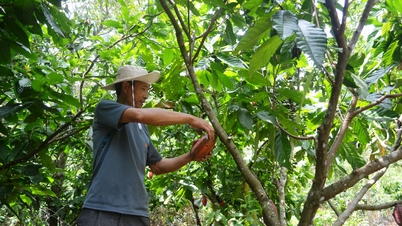
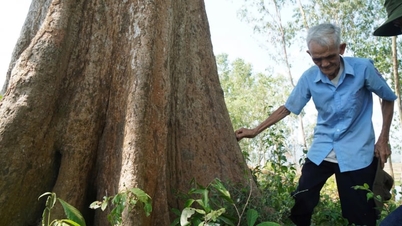
Amidst decades-old soursop trees, Mr. Nguyen Van Dung (born in 1962, residing in Son Hai hamlet, Nghia Loc commune) enthusiastically boasted: "In the past, soursop was very cheap, and nobody was interested. But for about 5 years now, the price of soursop seeds has stabilized and increased sharply. My family has 2.3 hectares, and we earn about 150 million VND each year."
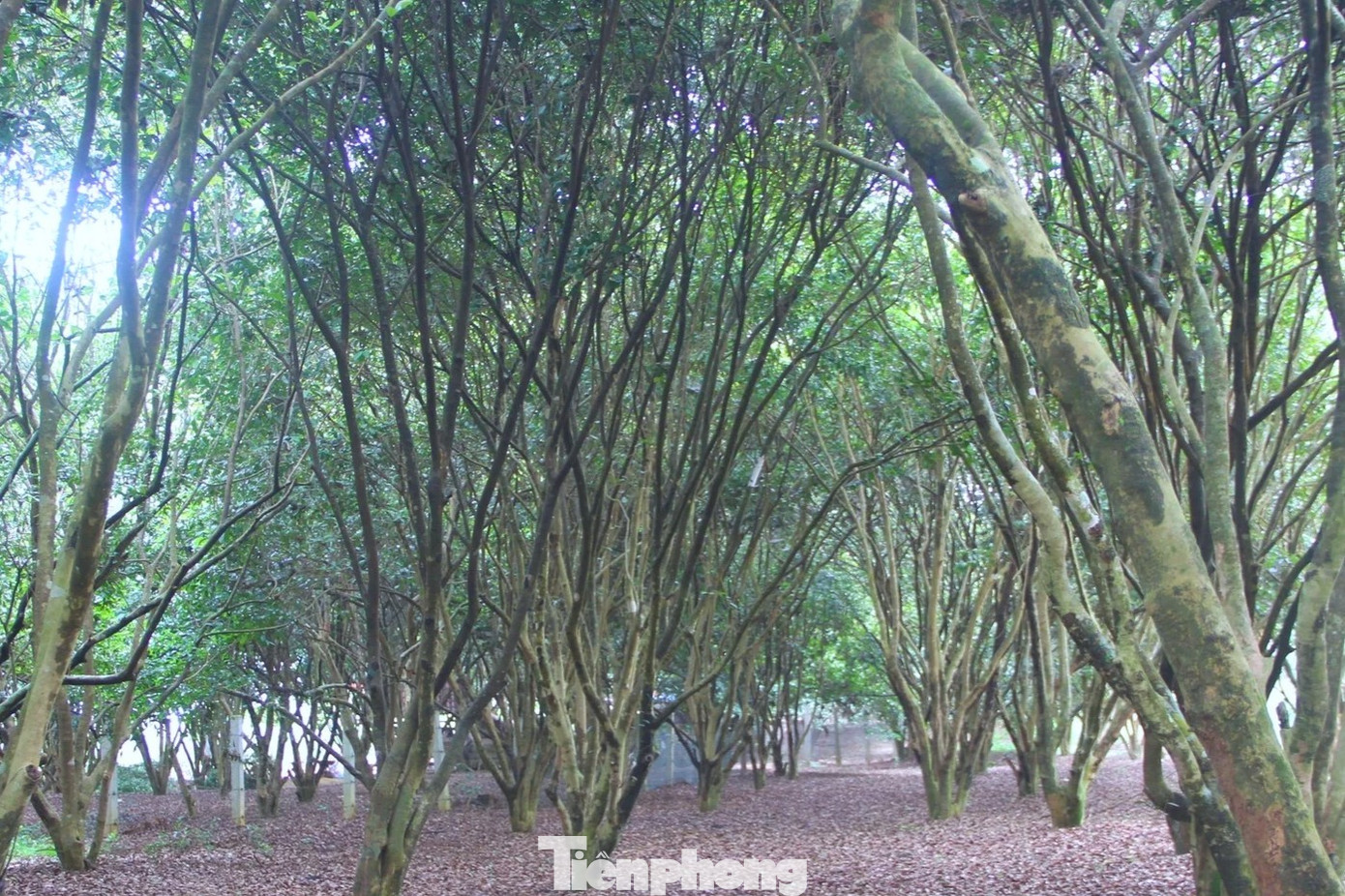
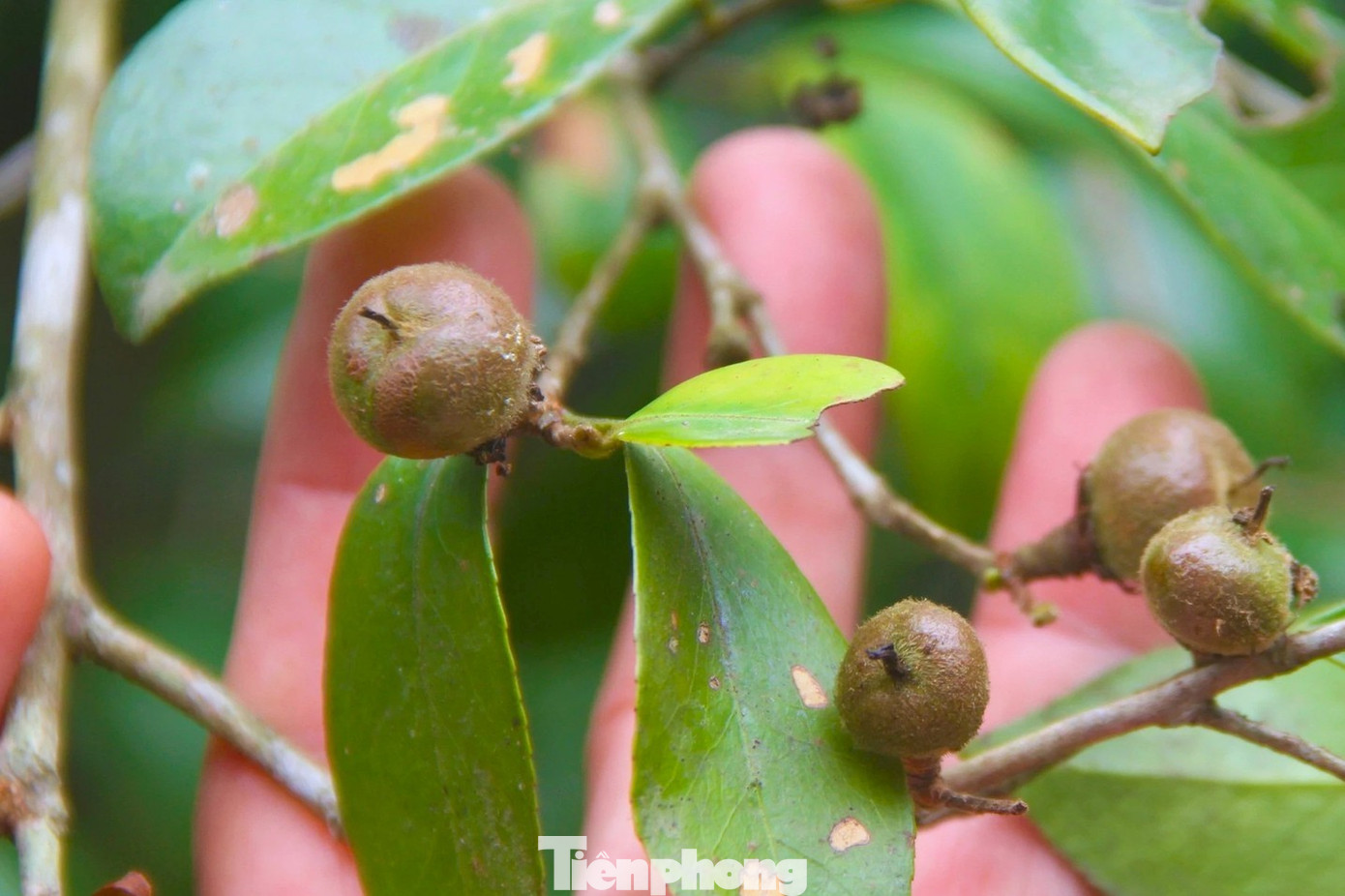
With a yield of 6 tons of fresh fruit per hectare, equivalent to 3 tons of dried seeds per hectare, and a current selling price of around 25,000 VND per kilogram of dried seeds, the Sophora japonica tree has become the main source of income for many households here. Many households have boldly invested in caring for and expanding their planted area.
"The Sophora japonica tree starts bearing fruit after 8 years, and its yield stabilizes from the 10th year onwards. A single harvest can last for 20-25 years with very low maintenance costs. All you need to do is clear the undergrowth, protect the tree, and when the season comes, you can go to the forest to pick the fruit," Mr. Dung explained.
In early December, the crape myrtle flowers begin to bloom. Their delicate, pure white petals unfurl amidst the green forest, creating a natural landscape that is both wild and poetic. This also opens up opportunities for the local authorities to develop tourism tours that offer experiences during the crape myrtle season, combining culture, ecology, and agriculture .
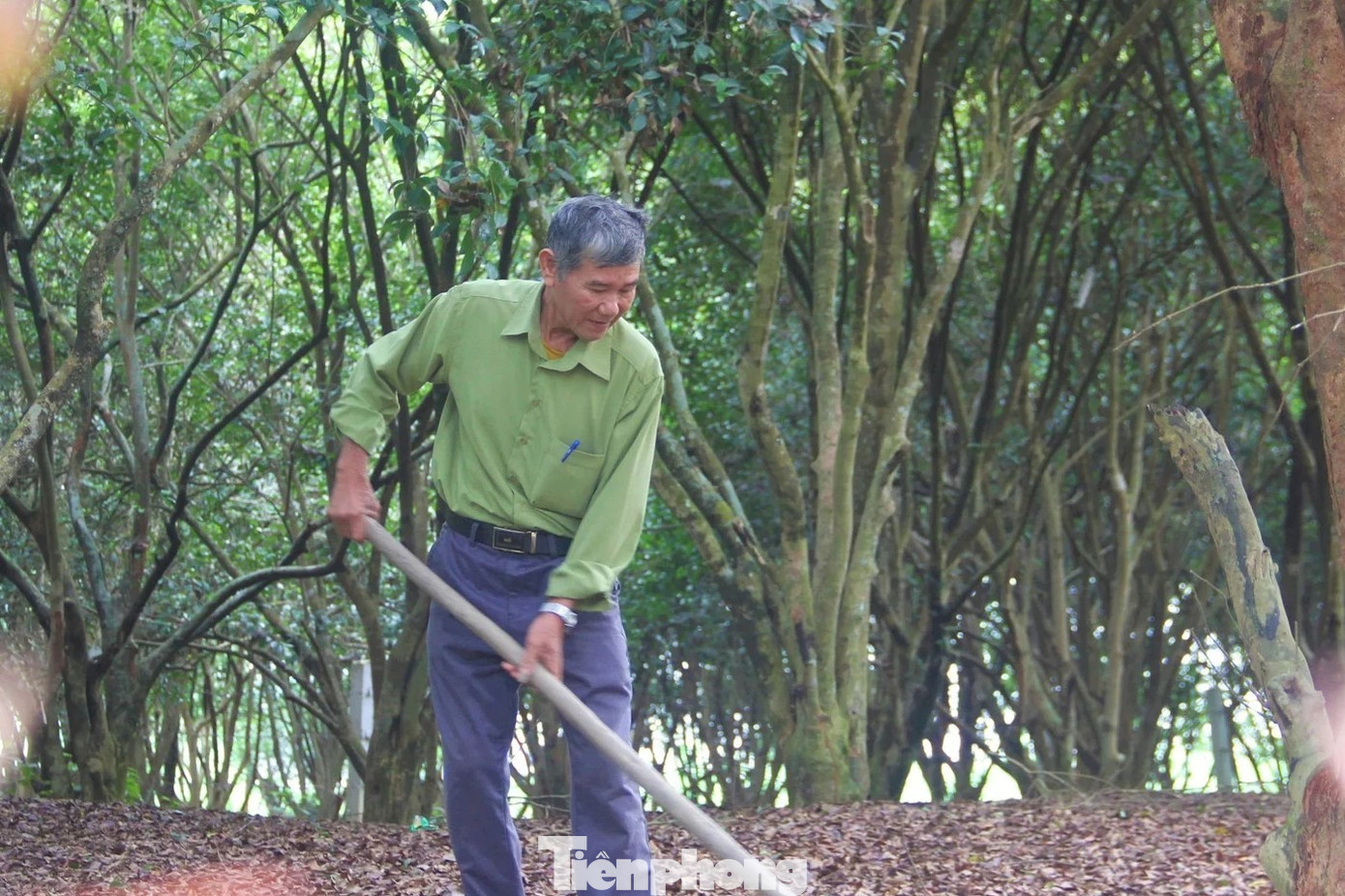
Besides its economic benefits, the Sophora japonica tree also plays a role in environmental protection. Its deep roots, evergreen foliage, and minimal impact from storms and strong winds help to block wind, prevent soil erosion, and protect headwater forests.
Deep processing - The key to increasing the value of the "so" plant.
From a product that was once thought to be sold only in its raw form, the people of Nghia Loc have boldly invested in machinery and production lines to further process it, creating sago palm essential oil - a high-quality, nutritious cooking oil that is favored by both domestic and international markets.
In 2019, Mr. Nguyen Duy Quang (residing in Binh Minh hamlet, Nghia Loc commune) invested over 7 billion VND to build a processing plant for essential oil from the Sophora japonica fruit, with a capacity of 20 tons of fruit per day and night. Each year, the facility purchases nearly 1,000 tons of Sophora japonica fruit. A portion is processed into essential oil, and another portion is dried and sold.
“Saposhnikovia divaricata oil has a high content of Omega 6 and Omega 9, comparable to olive oil, so it is very popular in the market. Our saposhnikovia divaricata essential oil product achieved OCOP 4-star rating in 2020. Now that sales are going well, we are continuing to expand our sales points and promote trade,” Mr. Quang shared.
Besides Mr. Quang, Mr. Nguyen Van Luu's facility (residing in Khe Sai hamlet) is also a major purchasing point. Since 2018, he has invested billions of VND in building a drying system and oil pressing machines. Each season, he purchases over 1,100 tons of cassava from people in Nghia Loc commune and surrounding areas, creating stable jobs for more than 10 workers.
However, according to Mr. Luu, processing technology is still limited. "If we receive investment in more modern machinery and a closed-loop production line from drying, grinding, pressing, and extraction, the product quality will be improved, meeting the standards for widespread export," Mr. Luu said.
From a crop that greened barren hillsides, the "so" tree (a type of tree) has now become a key crop creating sustainable livelihoods, contributing to poverty reduction and wealth creation for hundreds of households in the mountainous areas of Nghe An province. With stable market demand, developed deep processing, and established brand recognition, the "so" tree continues to pave the way for sustainable poverty alleviation in this mountainous region.
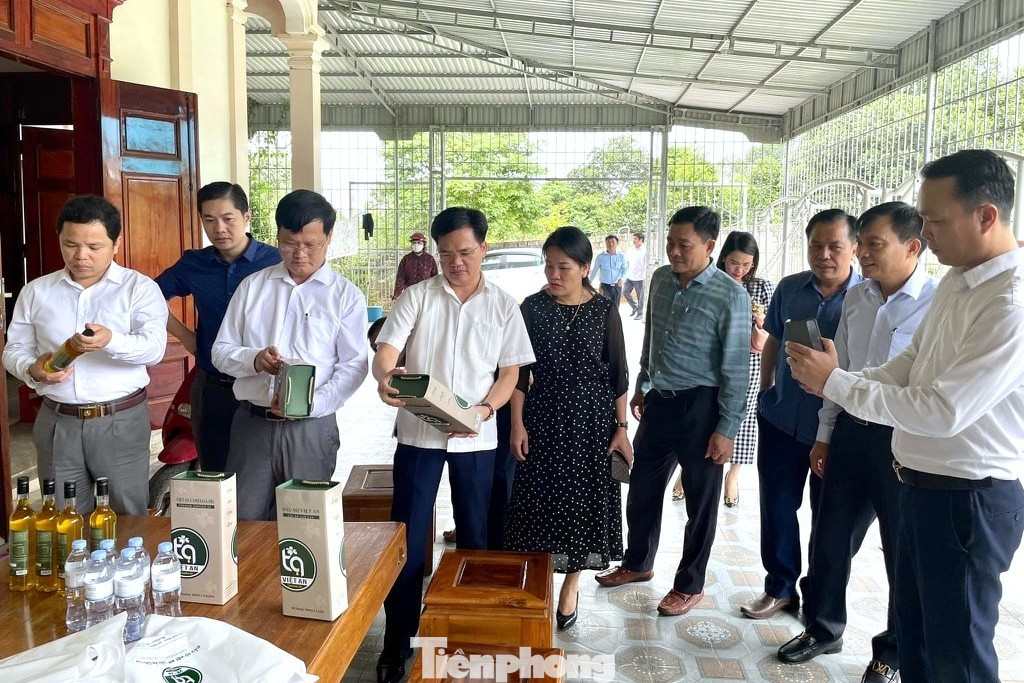
Mr. Dao Duy Tam, Chairman of the People's Committee of Nghia Loc commune, said that the commune currently maintains more than 250 hectares of Sophora japonica trees. On average, each hectare yields 2.5 - 3 tons of dried seeds per year, bringing in an income of about 70 million VND/hectare. “The Sophora japonica tree has helped many households rise out of poverty sustainably. The locality is developing a plan to develop Sophora japonica into a concentrated commodity production area, linked with processing. This includes attracting businesses to invest in processing plants and establishing consumption linkages. We are also building and standardizing the brand of Sophora japonica products to move towards export to many markets,” Mr. Tam said.
Source: https://tienphong.vn/cay-so-mo-loi-thoat-ngheo-post1801738.tpo

![[Photo] The courage of new recruits of Brigade 144 on the training ground.](https://vphoto.vietnam.vn/thumb/1200x675/vietnam/resource/IMAGE/2026/05/27/1779881651341_anh-man-hinh-2026-05-27-luc-18-32-52.png)
![[Photo] The heat at the fireworks display site on the opening night of the Da Nang International Fireworks Festival 2026](https://vphoto.vietnam.vn/thumb/1200x675/vietnam/resource/IMAGE/2026/05/27/1779889741485_ndo_br_z7872039145157-fecaba5112f39e8352544099d7ef4738-5140-jpg.webp)























































![[Photo] The courage of new recruits of Brigade 144 on the training ground.](https://vphoto.vietnam.vn/thumb/402x226/vietnam/resource/IMAGE/2026/05/27/1779881651341_anh-man-hinh-2026-05-27-luc-18-32-52.png)























Comment (0)