Vietnam.vn - Nền tảng quảng bá Việt Nam

A rigorous and meticulous process of identifying the remains of fallen soldiers.

(Baohatinh.vn) - Ha Tinh province is focusing on collecting samples of martyrs' remains for DNA testing to identify martyrs whose identities are still unknown, fulfilling the wishes of their families and paying tribute to those who sacrificed for the Fatherland.

Báo Hà TĩnhBáo Hà Tĩnh31/05/2026

bqbht_br_15.jpg
Implementing the "500-day campaign to intensify the search, collection, and identification of the remains of martyrs" towards the 80th anniversary of the Day of War Invalids and Martyrs (July 27, 1947 - July 27, 2027) as per Decision No. 27/QD-BCDQG signed by Deputy Prime Minister Pham Thi Thanh Tra, Ha Tinh province has implemented a plan to collect samples of the remains of unidentified martyrs at Can Loc Martyrs Cemetery (Can Loc commune) for DNA testing.
bqbht_br_22.jpg
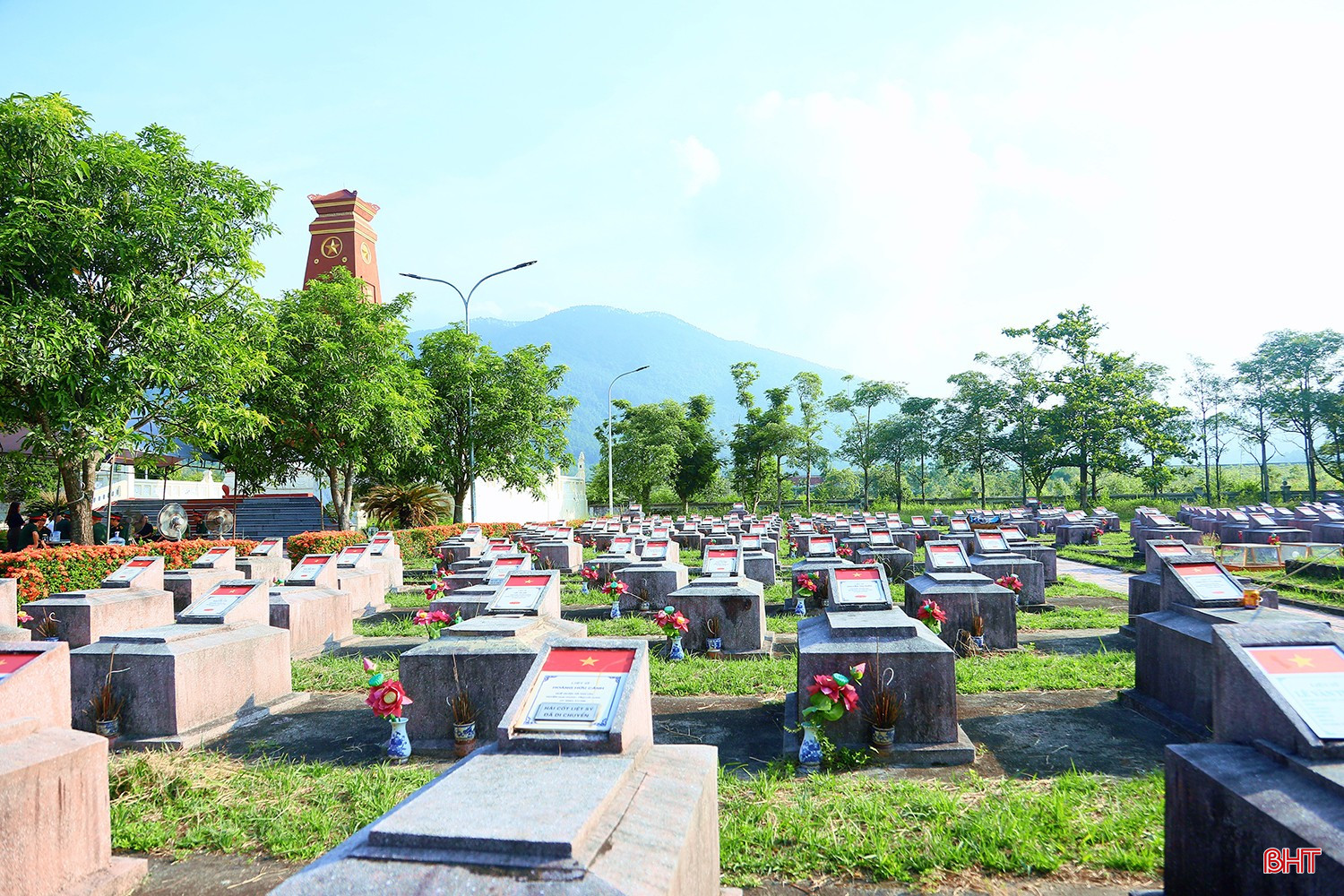
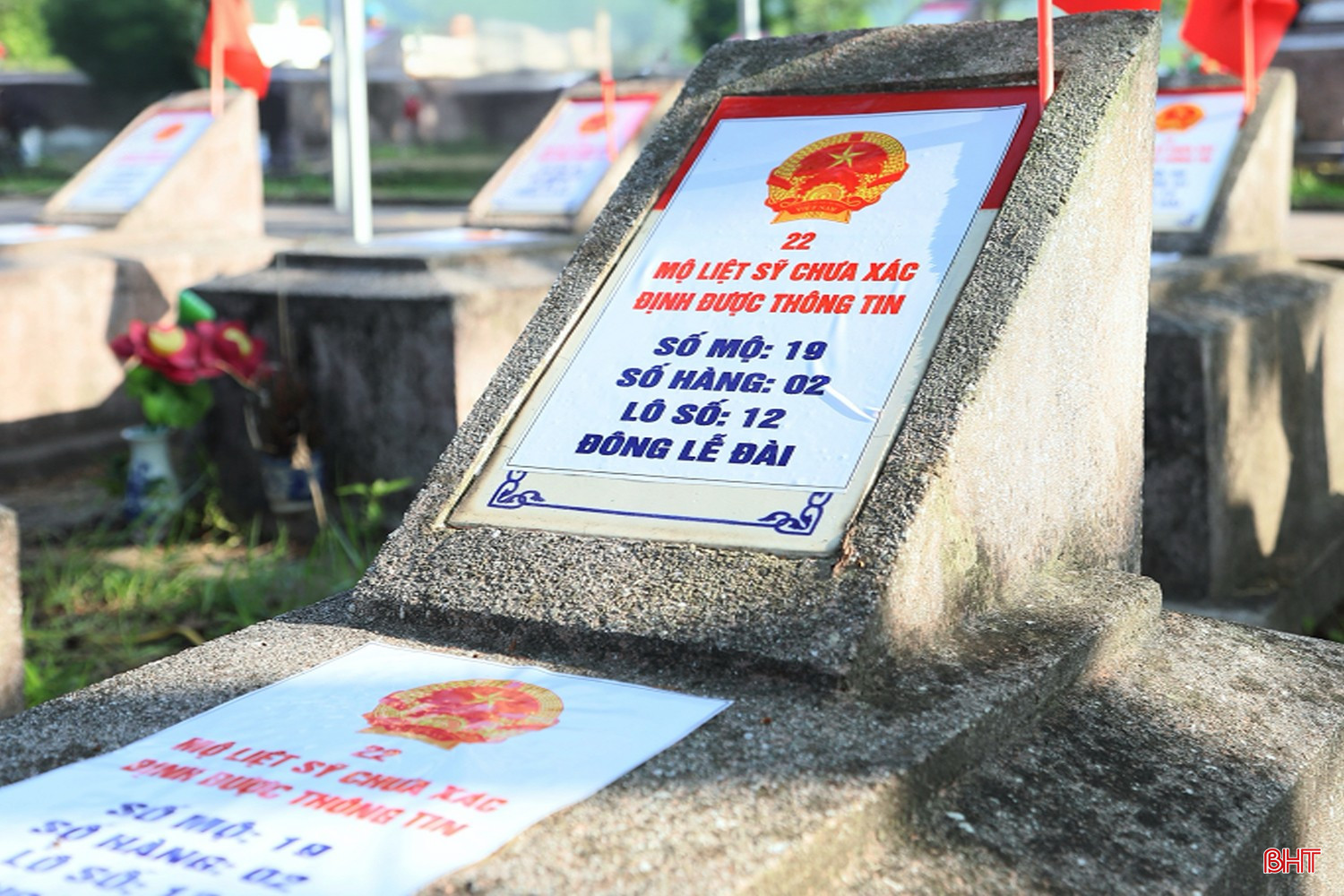
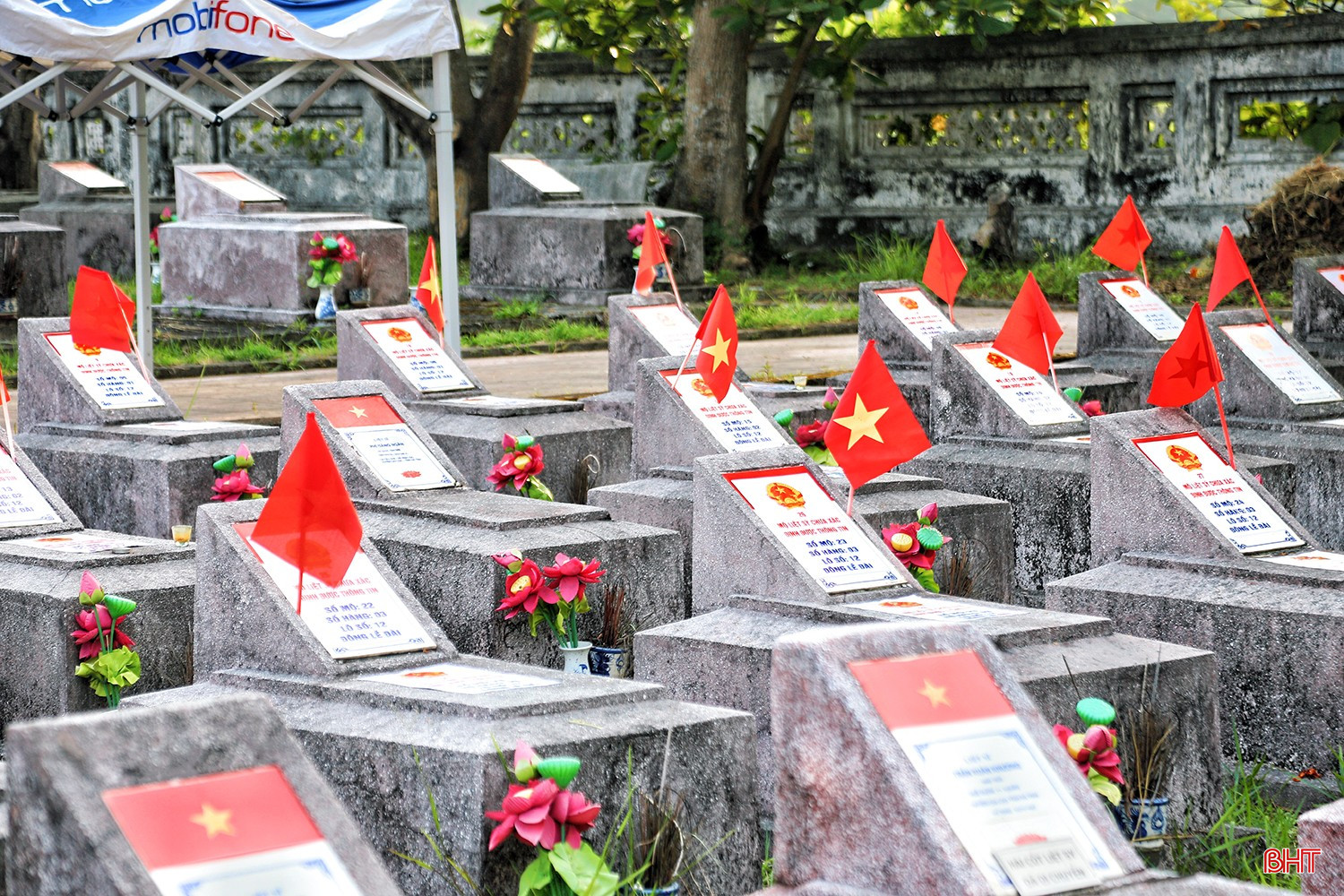
Can Loc Martyrs' Cemetery is the resting place of 792 heroic martyrs who sacrificed their lives for the cause of national liberation and the defense of the Fatherland. Among them, 37 graves remain unidentified. These graves are located in a separate area within the cemetery, with complete grave number, row, and plot markings, facilitating excavation and sample collection for DNA testing.
bqbht_br_23.jpg
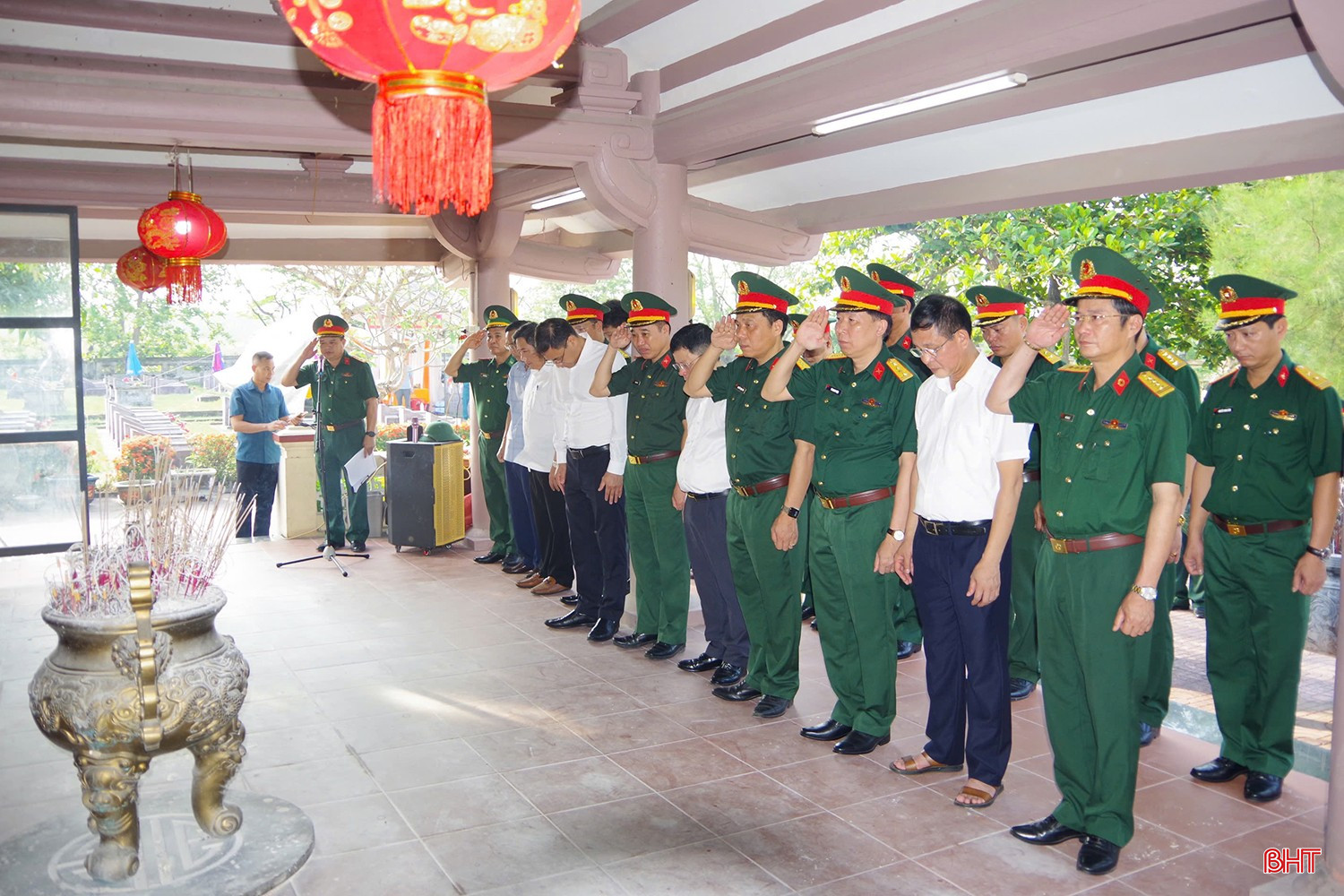
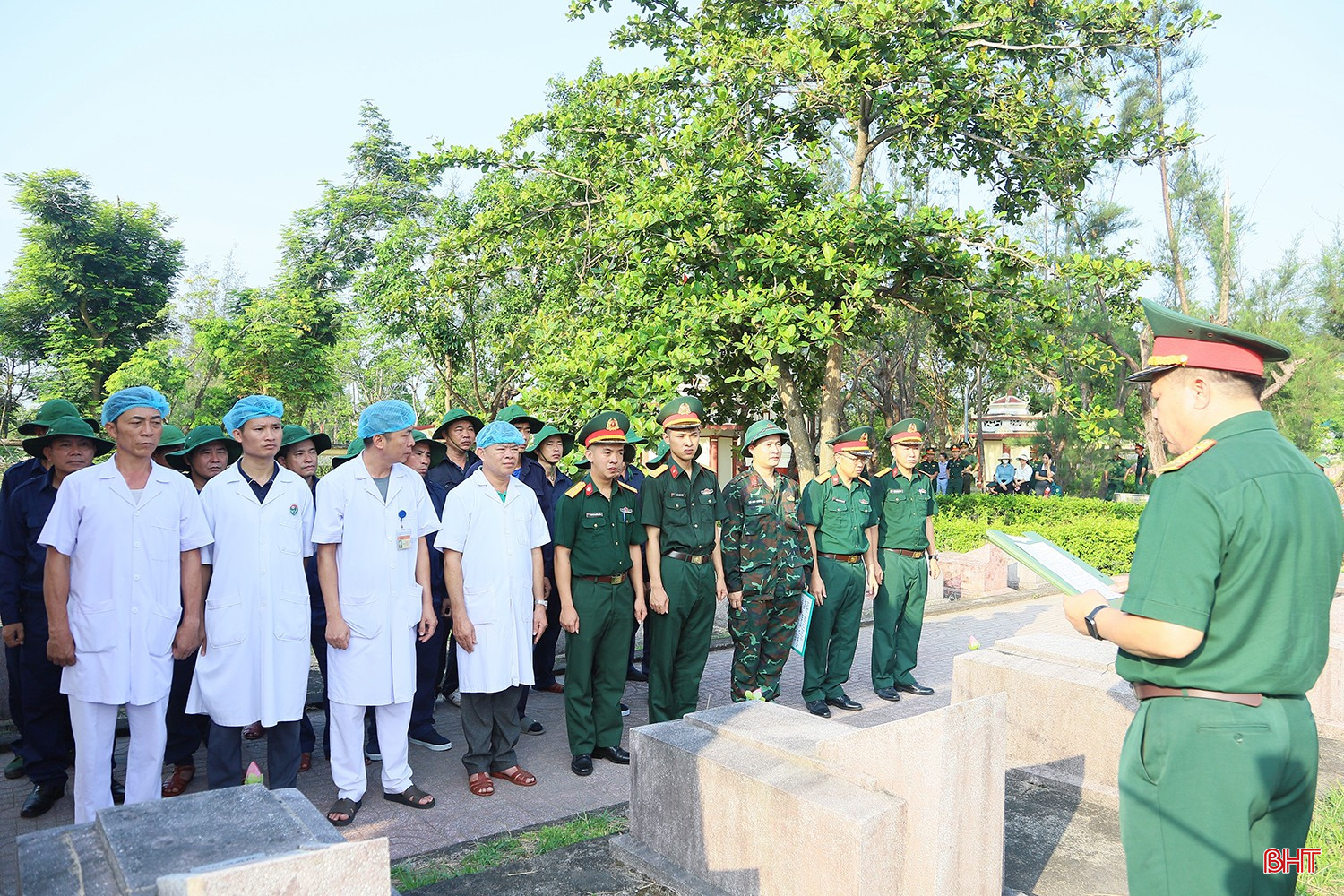
Before proceeding with the excavation and collection of remains of fallen soldiers, representatives from Military Region 4, the Provincial Steering Committee 515, the Provincial Military Command, and local authorities organized a ceremony to lay flowers and offer incense at the memorial and the graves of fallen soldiers, expressing their respect, gratitude, and performing spiritual rituals according to the traditional culture of the nation.
bqbht_br_k3.jpg
The team responsible for collecting the remains of fallen soldiers comprises several sub-teams: overall command and control; sampling and data digitization; excavation, relocation of remains, and return to the graves; security; and propaganda, ceremonies, ceremonial arrangements, public relations, and logistics. After the incense offering ceremony, the overall command and control team briefs each sub-team and member on their assigned tasks, ensuring that the excavation and sampling process is carried out meticulously, following proper procedures and regulations.
bqbht_br_4.jpg
bqbht_br_2.jpg
bqbht_br_3.jpg
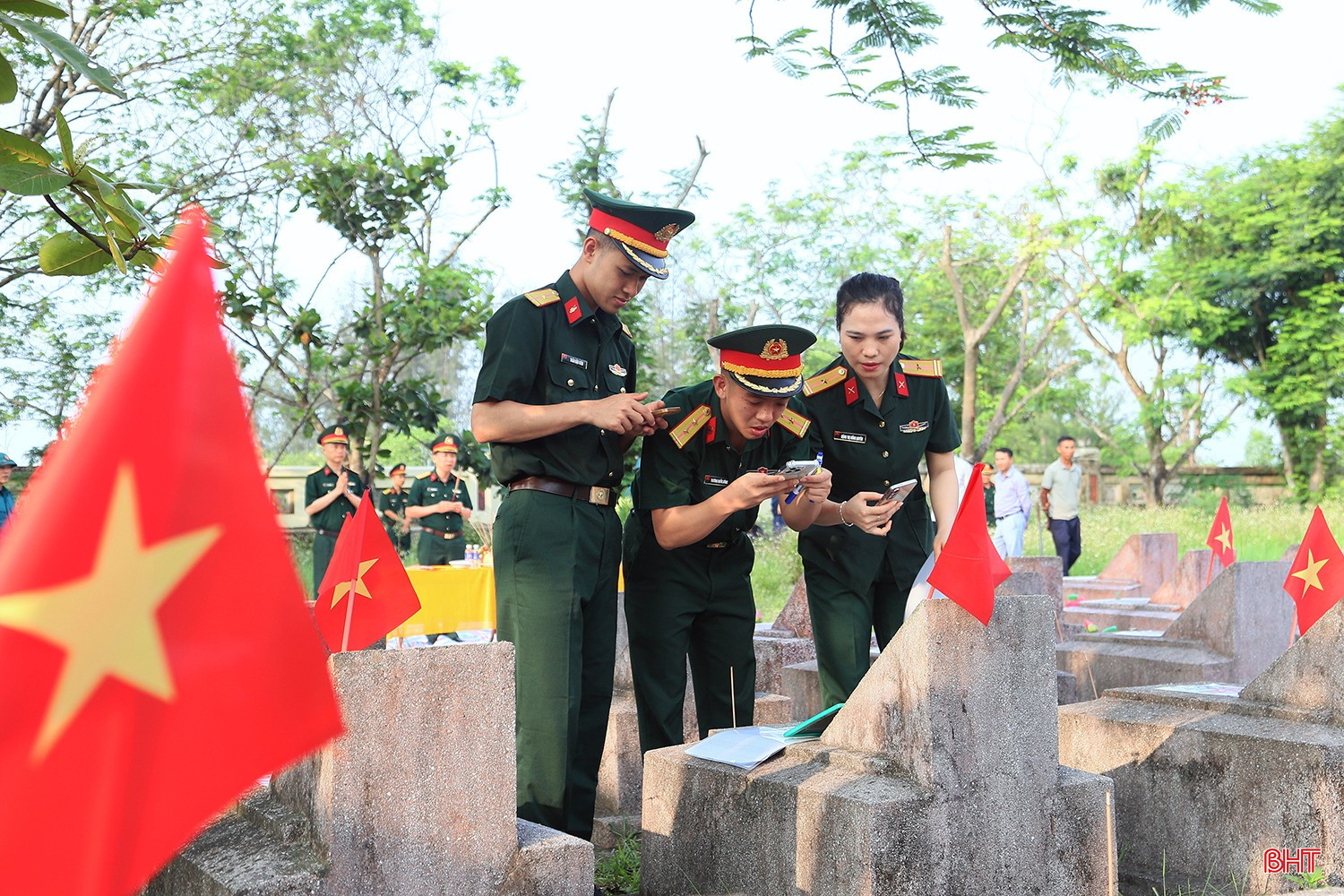
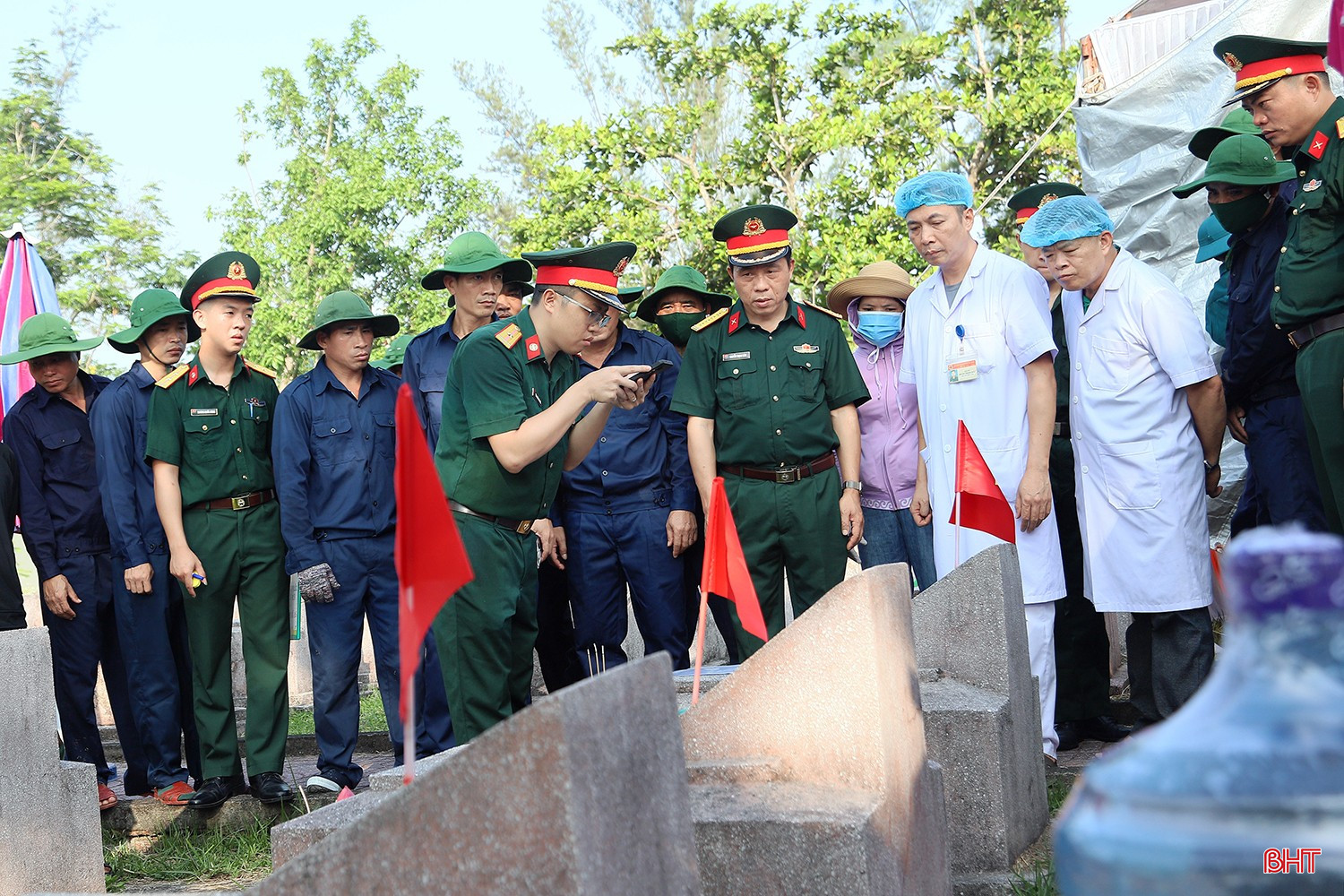
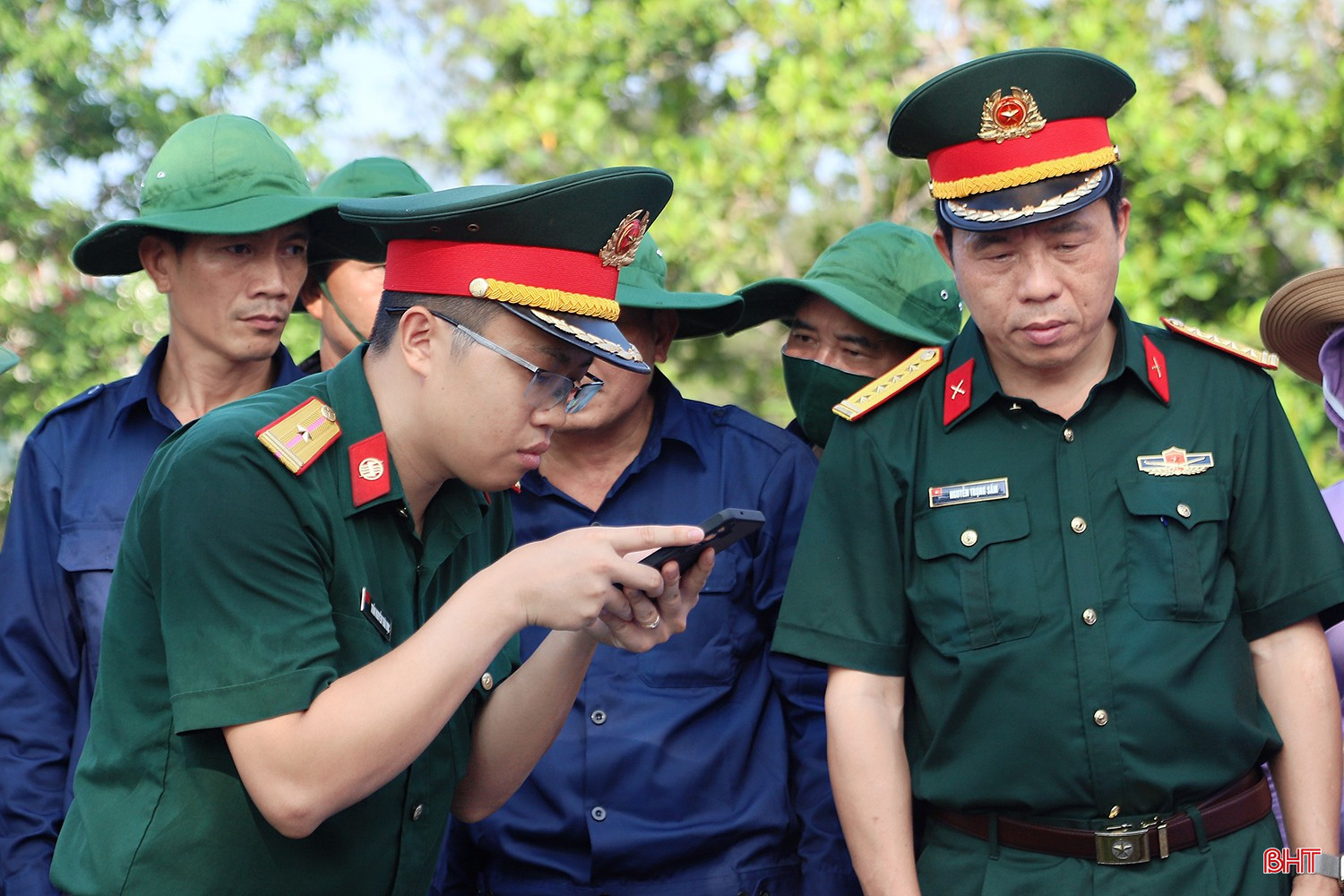
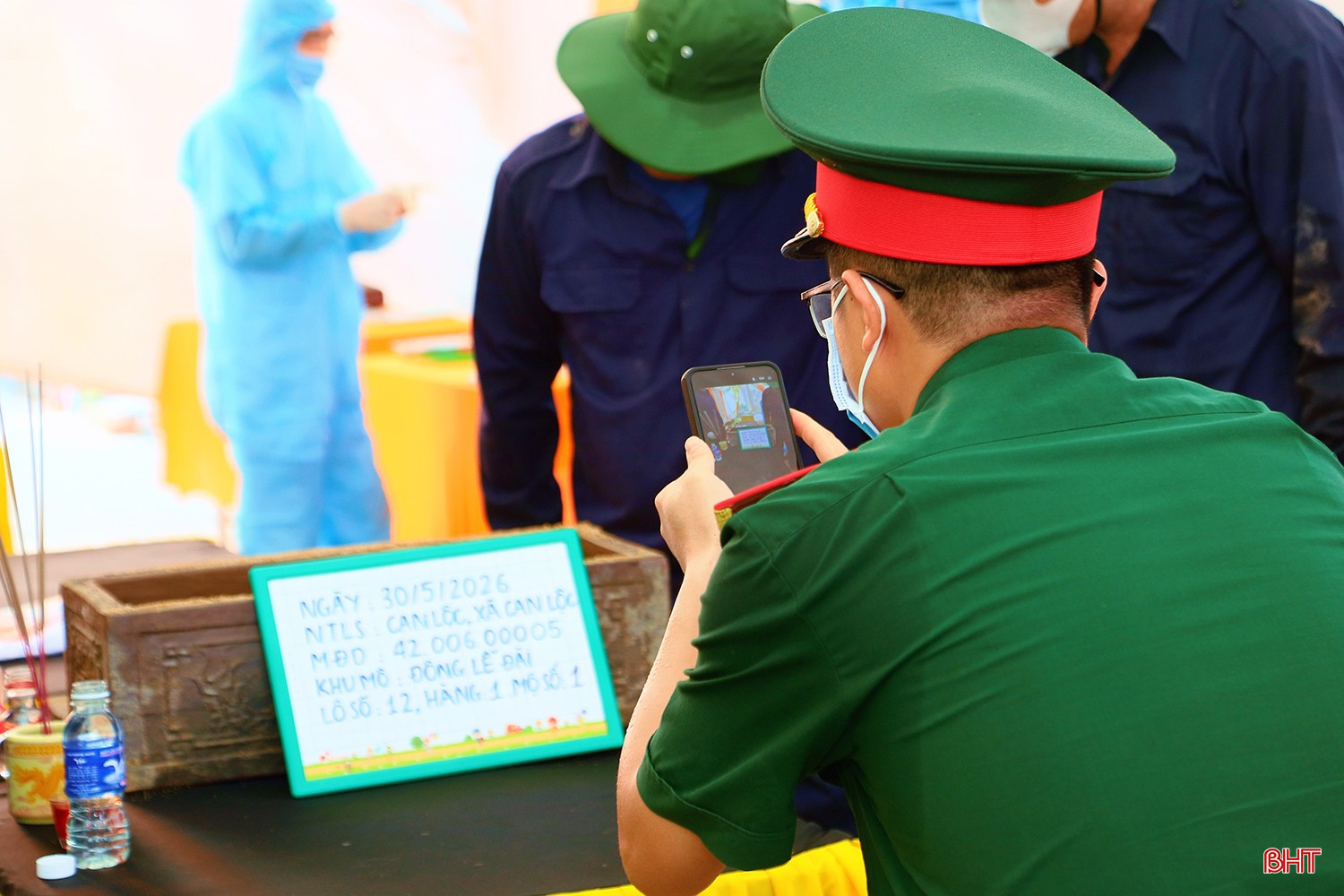
At graves with unidentified information, staff from the Sampling and Data Digitization Team update the data on-site, including information about the grave location, tombstone inscription, samples, and related records, for archiving, management, handover, and DNA testing.
bqbht_br_19.jpg
bqbht_br_21.jpg
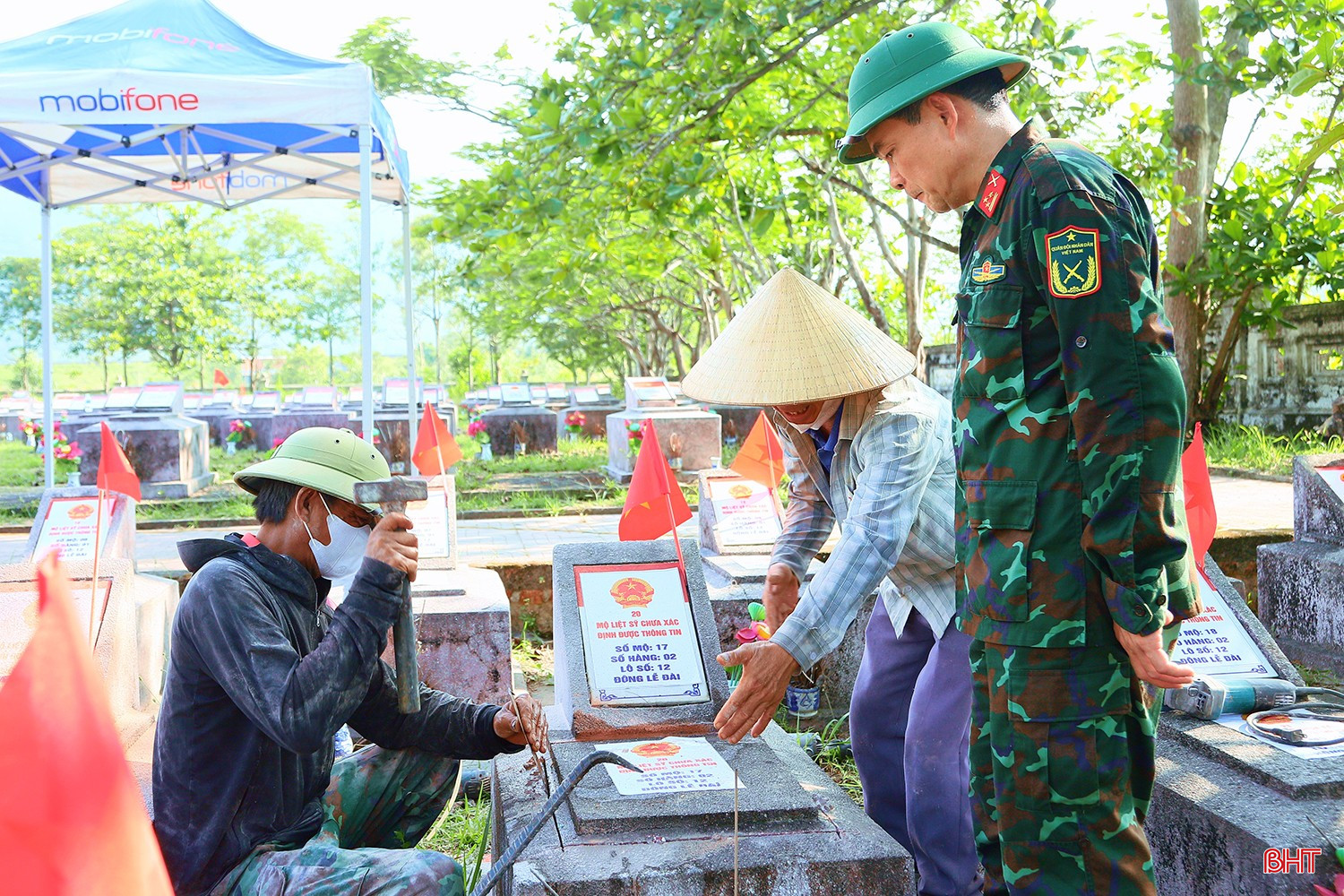
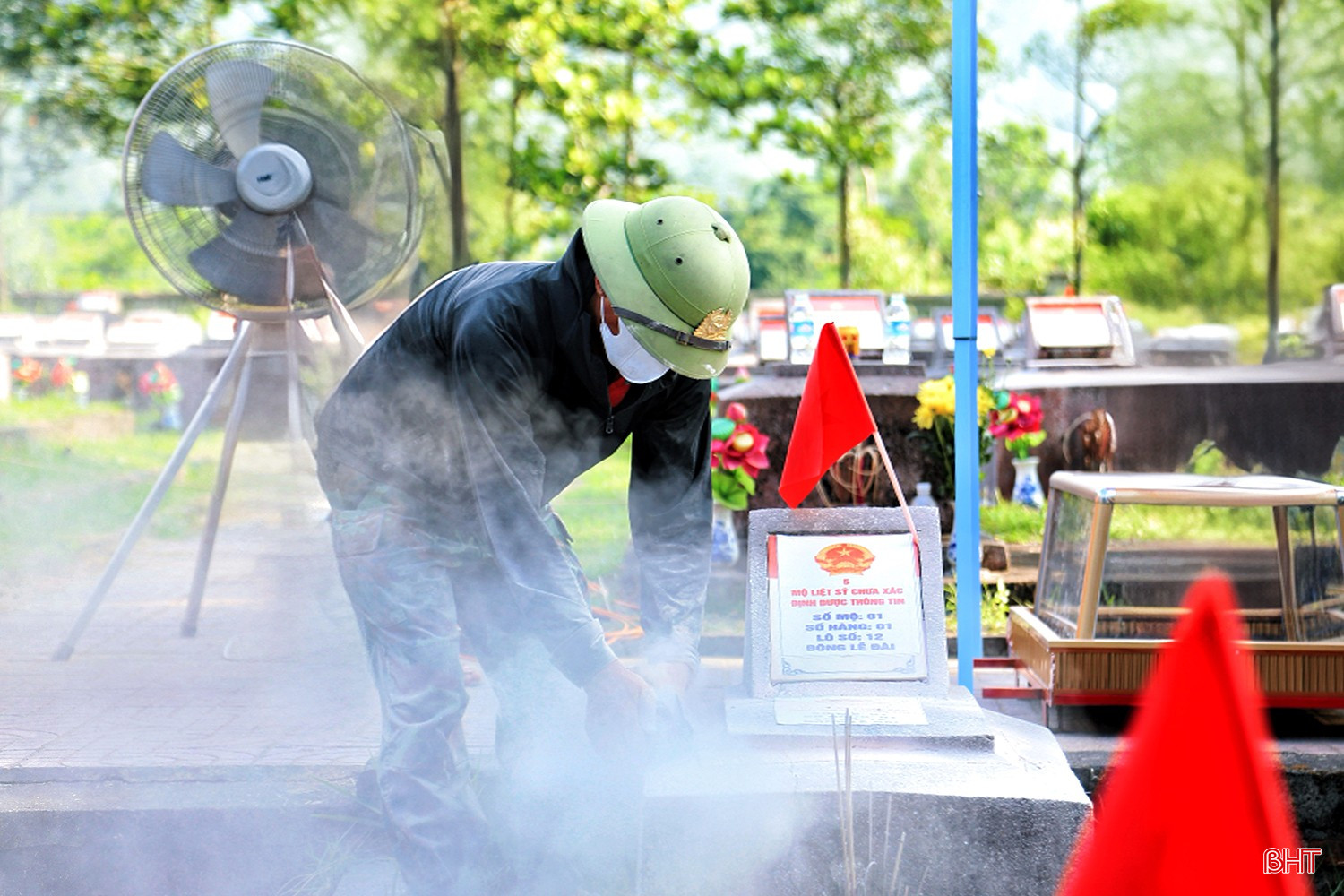
After completing the initial digitization work, members of the team responsible for excavating, relocating the remains of fallen soldiers, and restoring the graves proceeded to cut open the graves using specialized tools.
Quá trình thực hiện được tiến hành đúng quy trình kỹ thuật, bảo đảm giảm thiểu tác động lớn đến hiện trạng các phần mộ.
The process was carried out according to proper technical procedures, ensuring minimal impact on the existing condition of the graves.
12.jpg
13.jpg
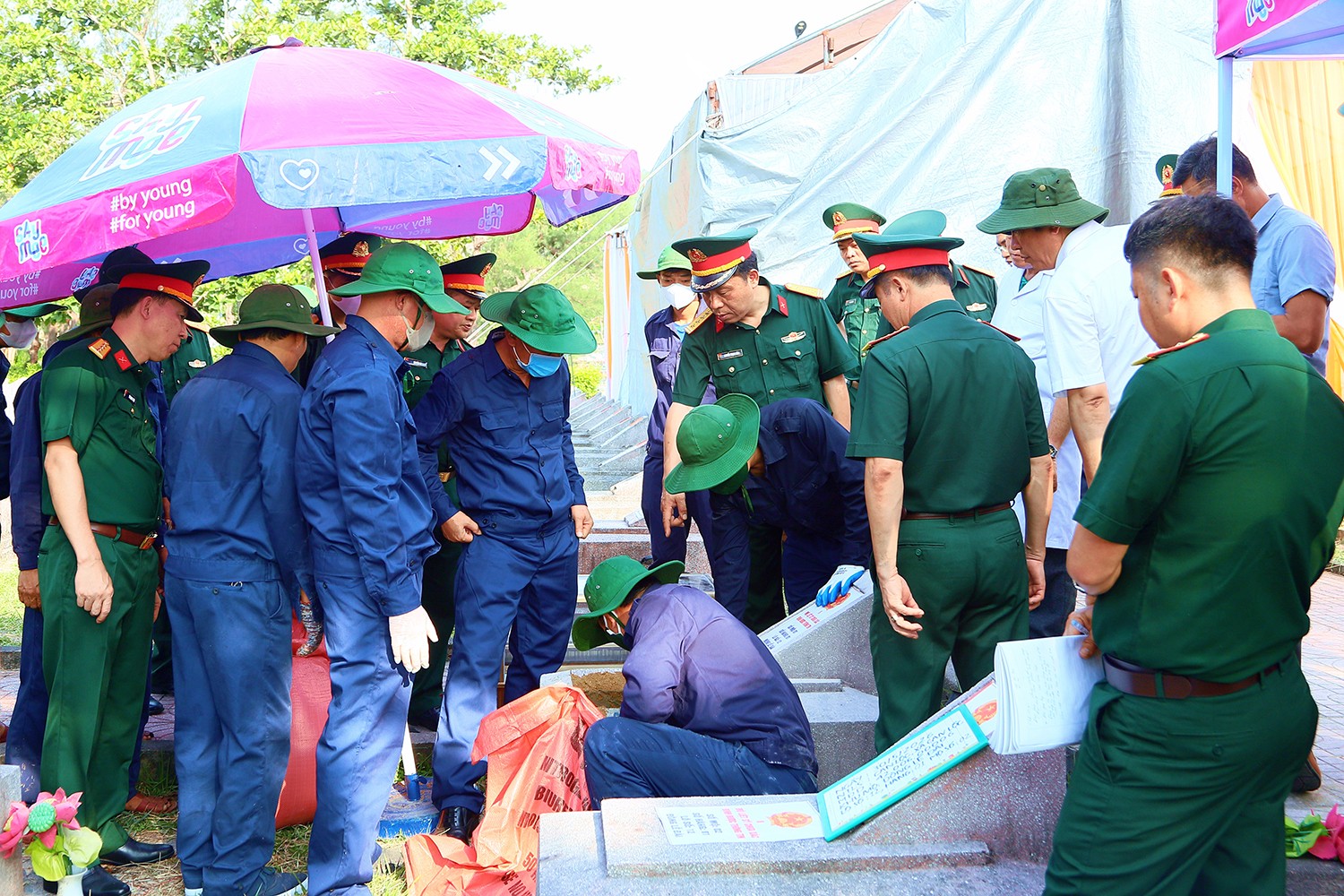
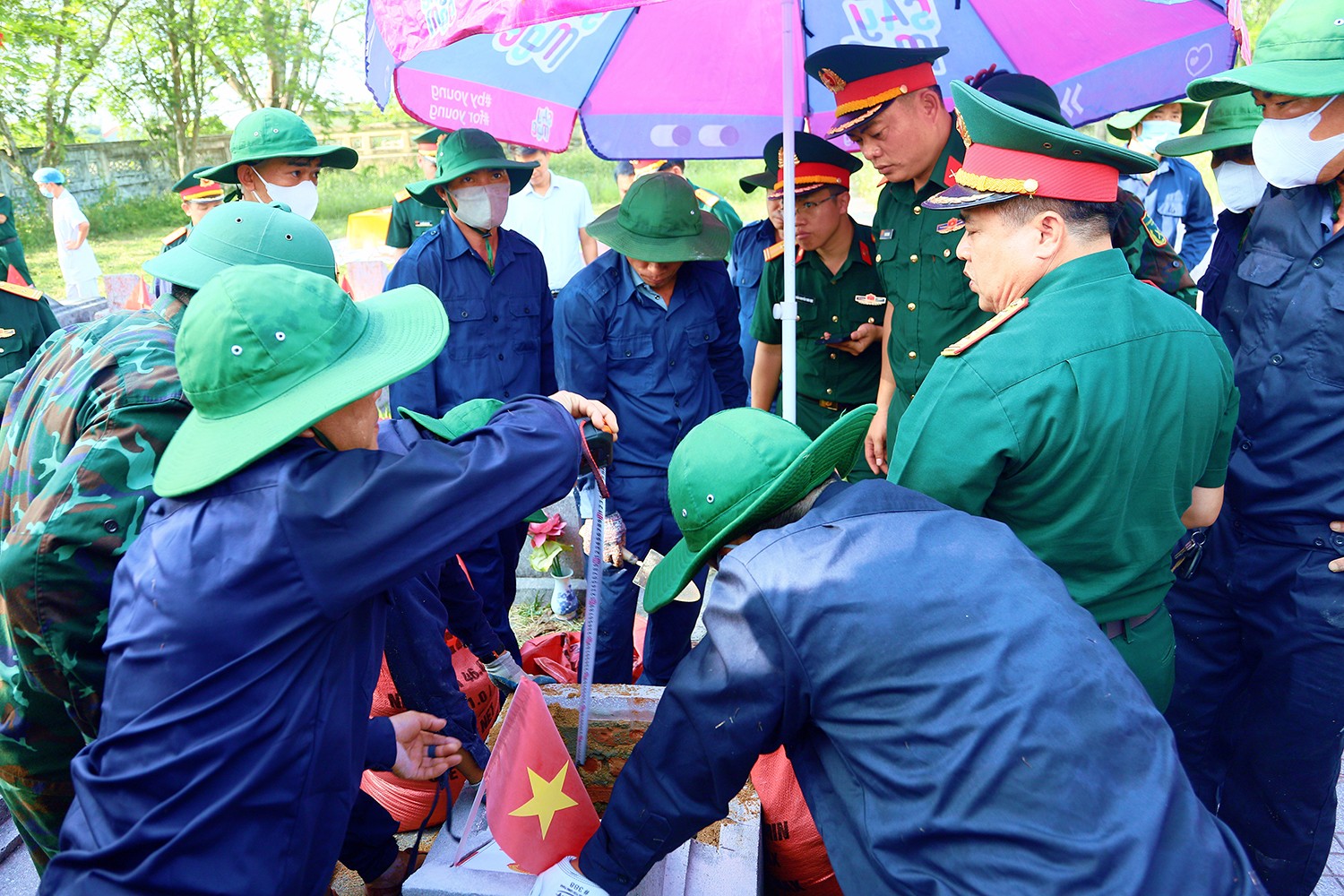
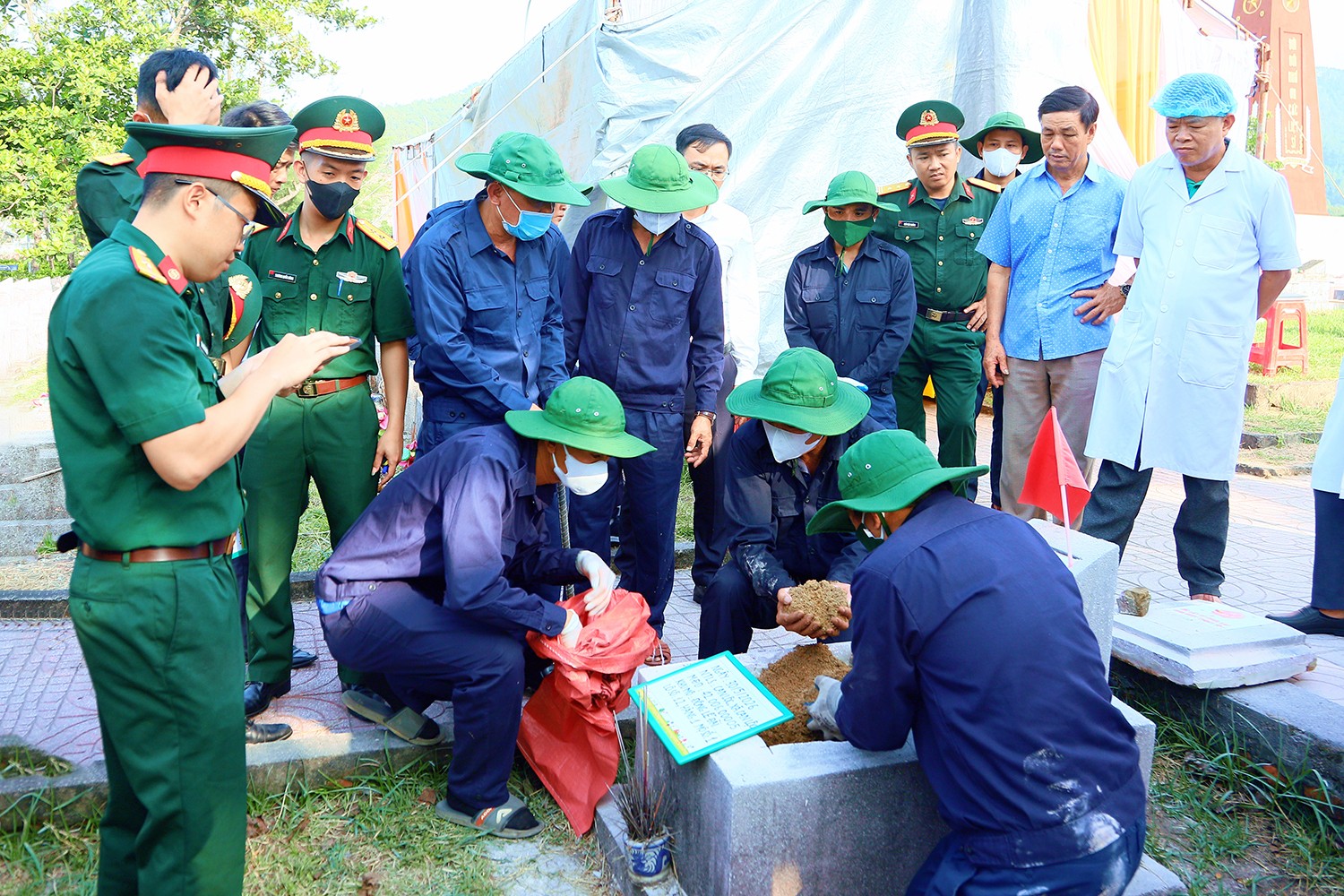
After the grave was opened, the task force carefully peeled away layers of soil and sand to access the remains; at the same time, the sampling and data digitization team continued to update the field data, ensuring the accuracy and consistency of the information.
bqbht_br_7.jpg
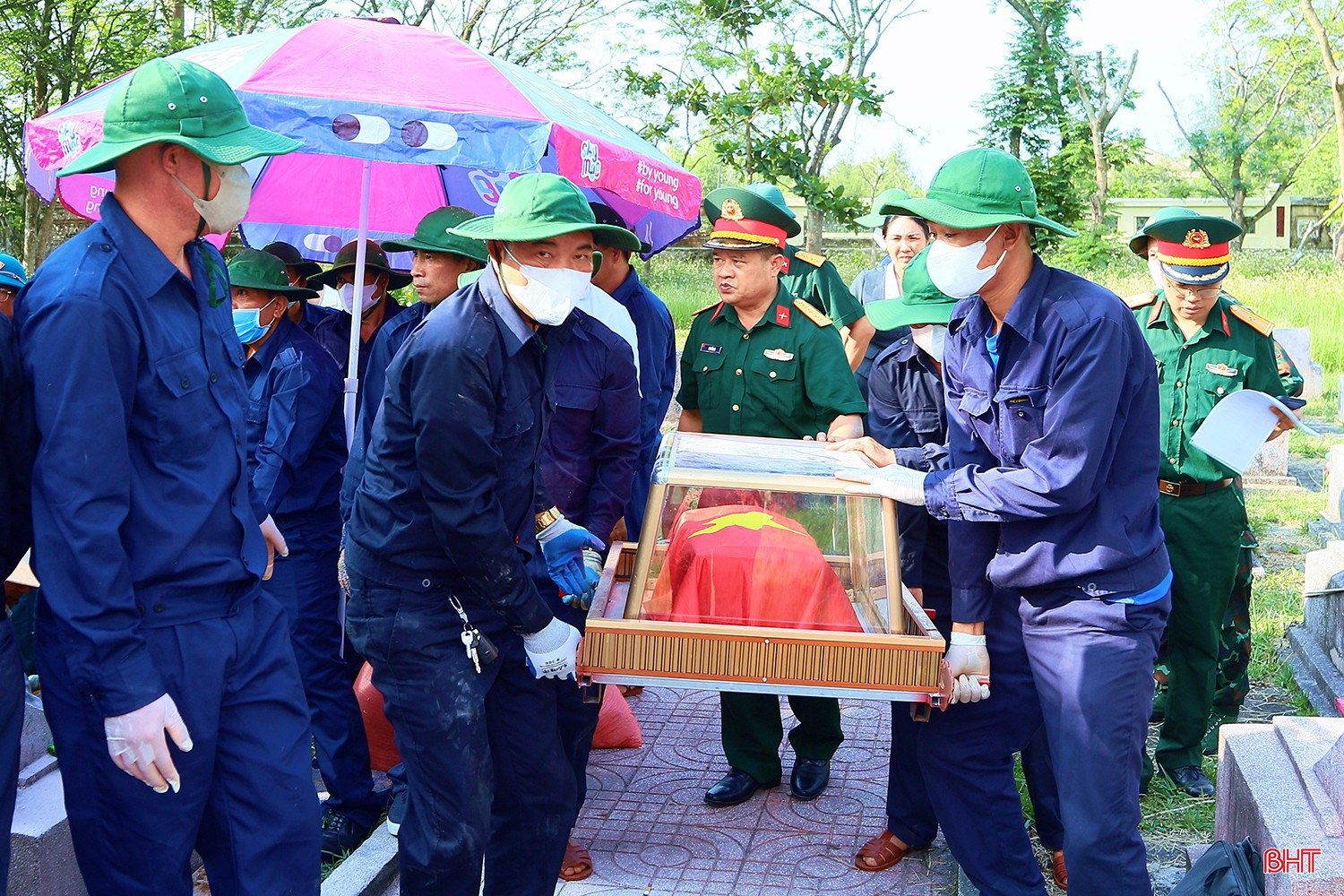
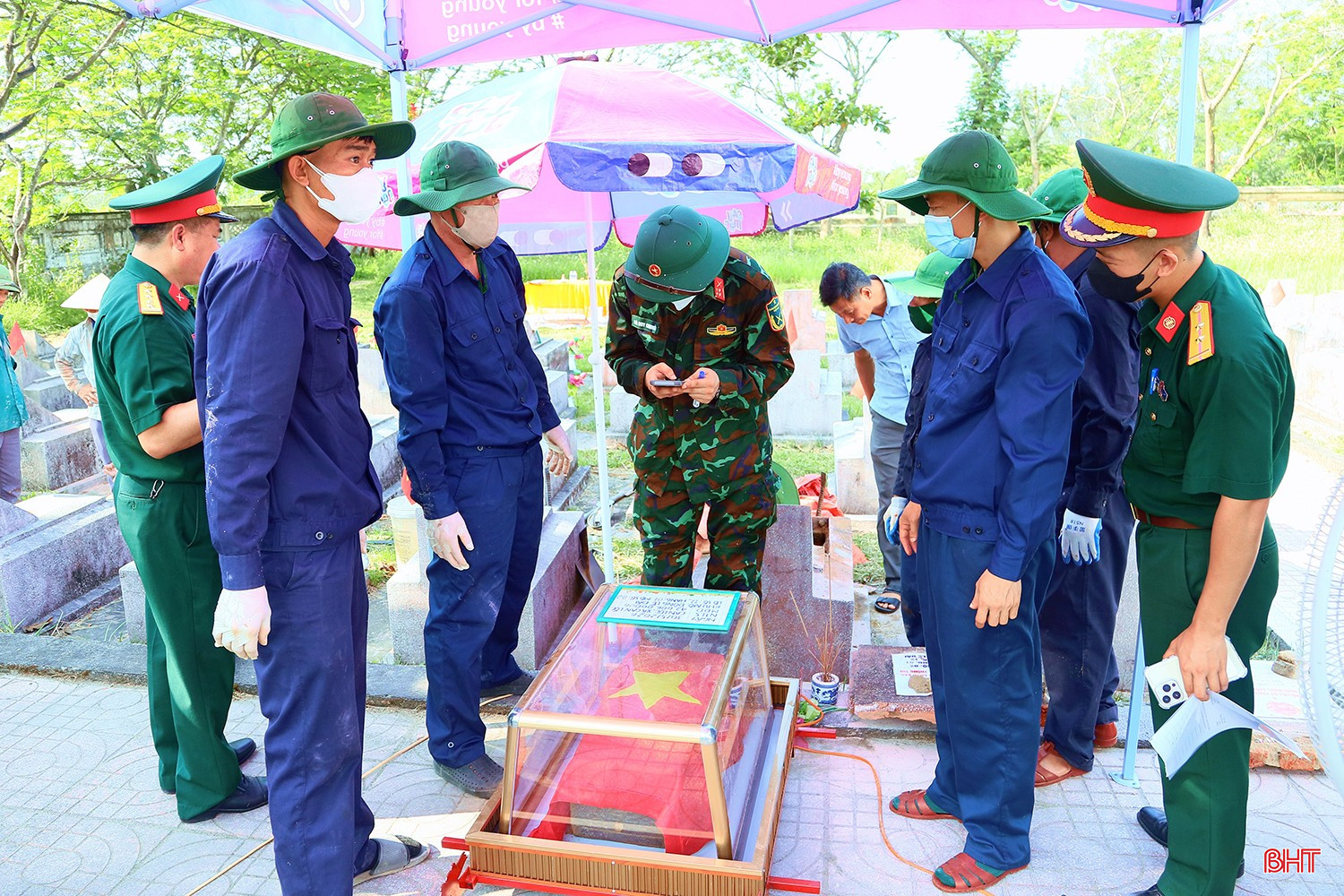
After being exhumed from their graves, the remains of the fallen soldiers are draped with military flags, placed in special glass cases, and transported carefully and solemnly.
bqbht_br_17.jpg
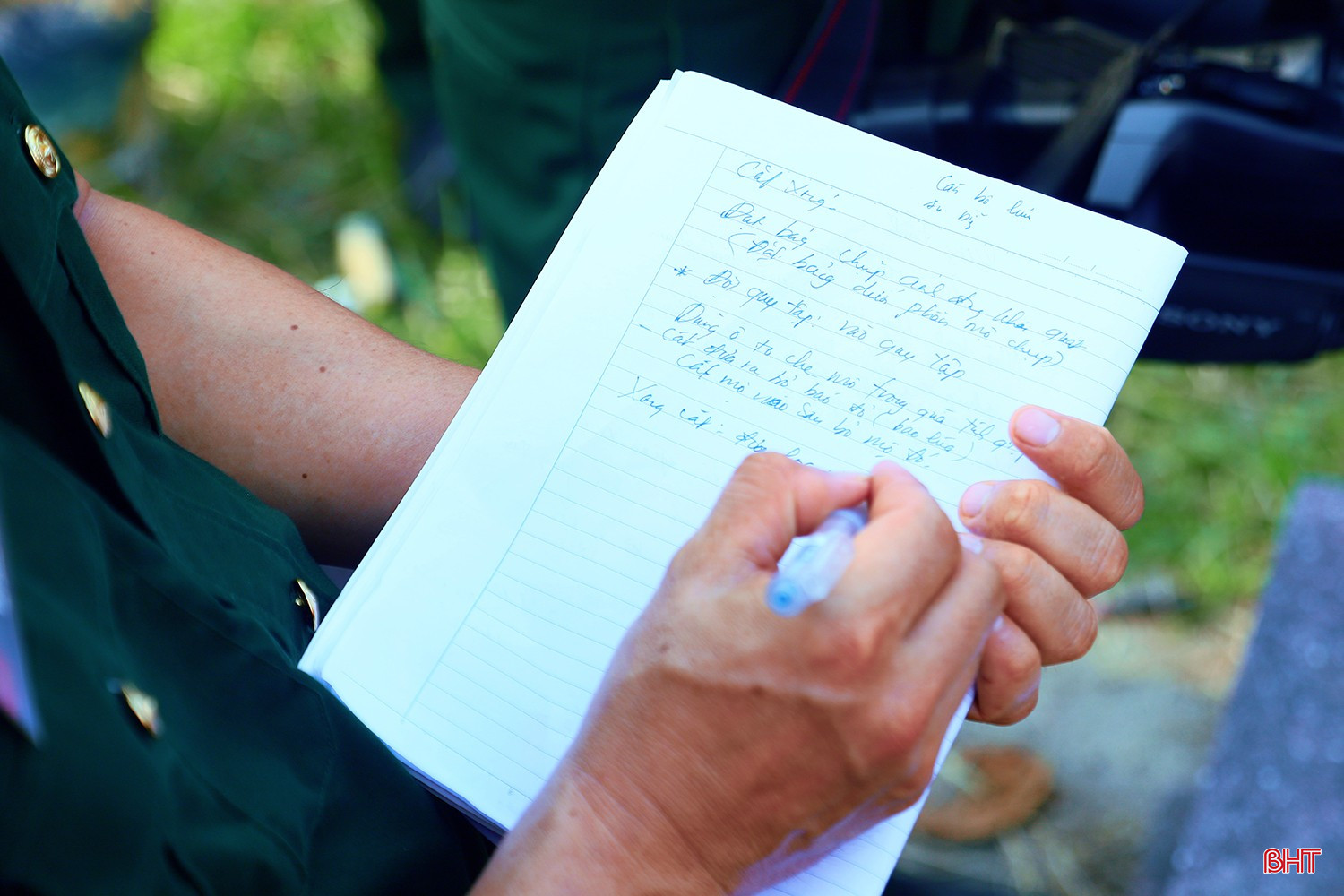
The members involved in the digitization process continue to fully update the data system, ensuring the ability to track, compare, and manage information throughout the sampling process.
bqbht_br_5.jpg
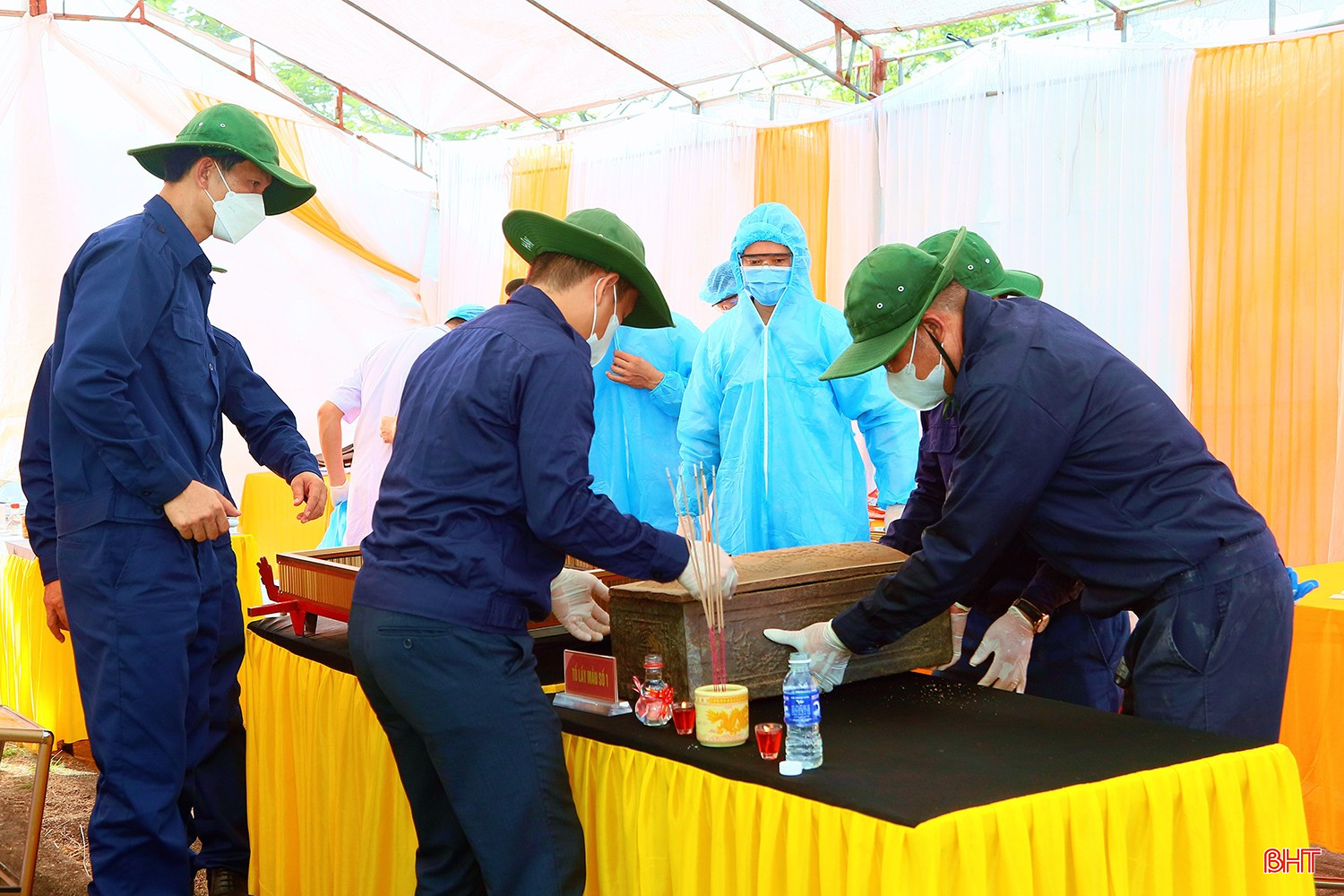
After being handed over from the excavation team, the remains of fallen soldiers were moved and returned to their graves, and the remains were transferred to a separate sampling area. Here, doctors from the sampling and data digitization team performed professional procedures under hygienic conditions, using full protective gear. Sample selection was based on an assessment of the condition of the remains, ensuring they met the requirements for DNA testing.
bqbht_br_20.jpg
The team members involved in the task performed each stage with a high sense of responsibility, coordinated closely, and strictly adhered to professional procedures.
bqbht_br_10.jpg
bqbht_br_11.jpg
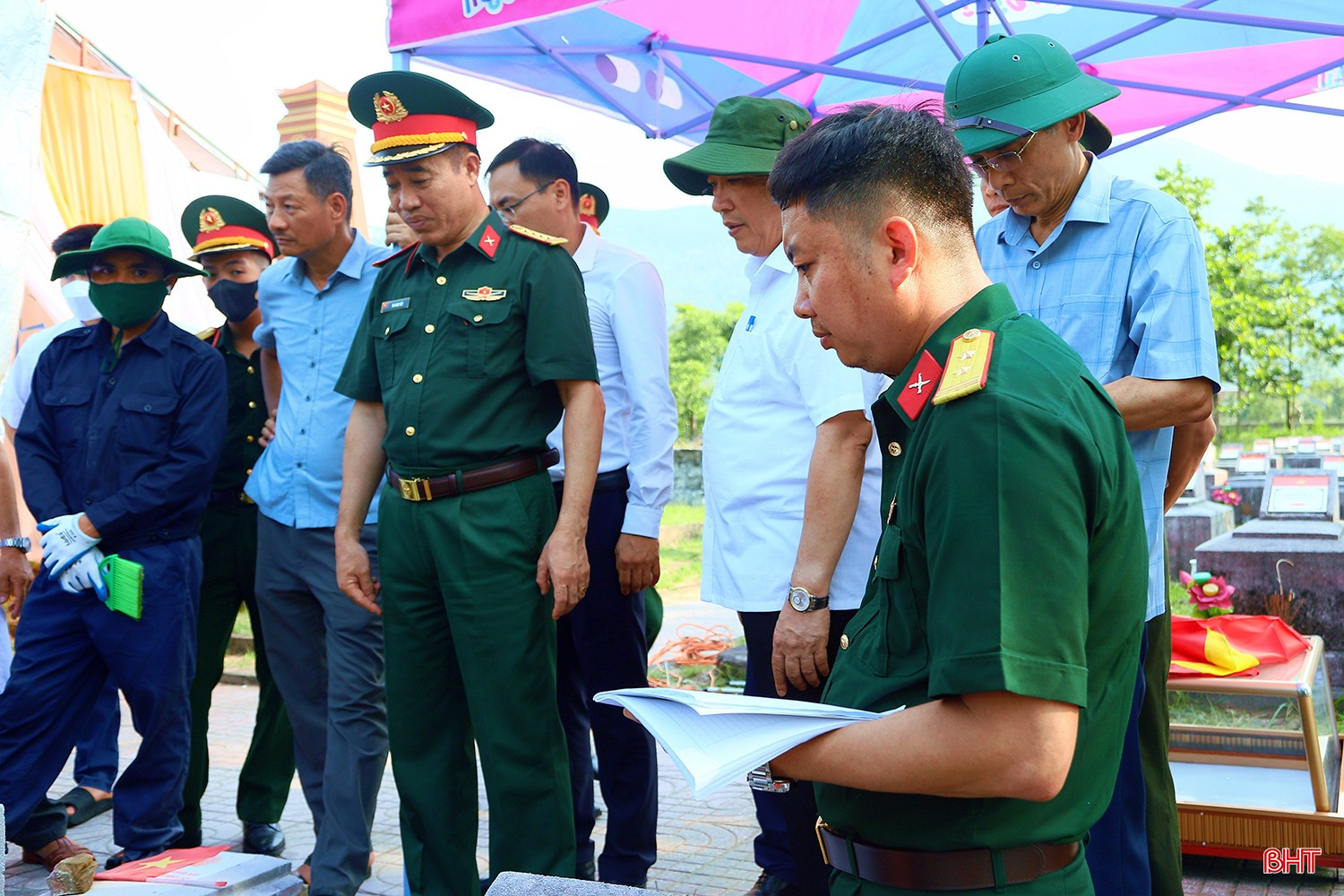
The Can Loc Martyrs' Cemetery was chosen as the first location in the province to collect remains of martyrs for DNA testing. Therefore, the process involved military personnel and officials from many communes and wards to directly monitor and understand the procedures, organizational methods, and coordination between forces, in order to apply them when implementing similar measures locally in the future.
bqbht_br_16.jpg
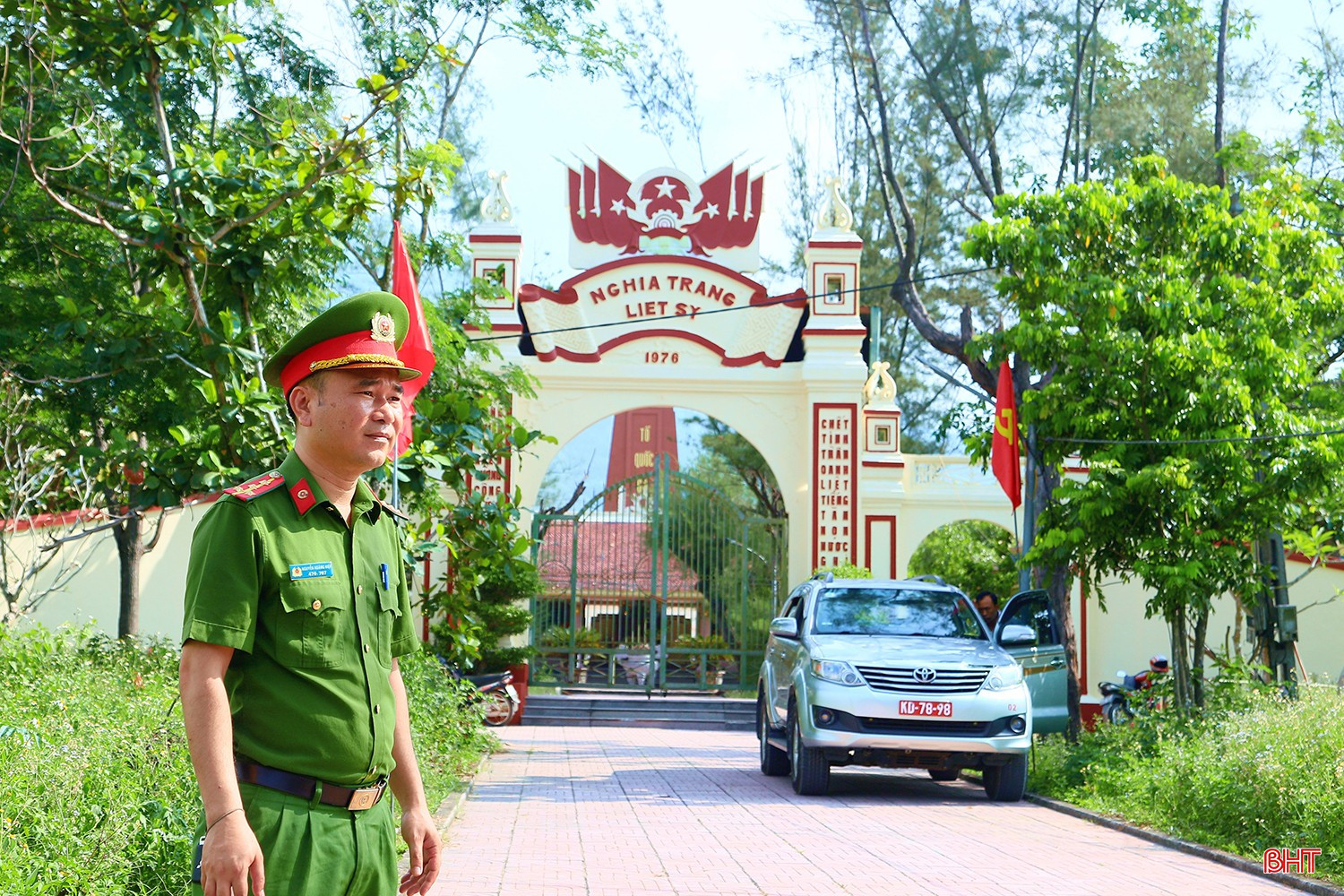
Around the cemetery area, members of the Security Team are tasked with protecting and maintaining the security and safety of the sampling area; at the same time, they strictly control the entry and exit of people and vehicles, preventing unauthorized persons from accessing the site.
bqbht_br_24.jpg
The collection of remains of fallen soldiers for DNA testing not only contributes to identifying the remains of those whose identities are still unknown, but also demonstrates the responsibility and moral principle of "remembering the source when drinking water" of the nation, fulfilling the long-held aspirations of their relatives.

Implementing the "500-Day Campaign to Intensify the Search, Collection, and Identification of Martyrs' Remains," the Provincial Military Command, acting as the standing agency of the Provincial Steering Committee 515, proactively advised and implemented many key tasks. Along with participating in training courses organized by the Ministry of National Defense and Military Region 4, the unit conducted comprehensive training throughout the province, providing professional development for sample collection teams; simultaneously, it coordinated with the Department of Interior and local authorities to review and compile statistics on the graves of martyrs whose identities have not yet been determined.

Currently, there are 890 unnamed remains of fallen soldiers in the province. The selection of Can Loc Martyrs' Cemetery as the first site for sample collection aims to evaluate and learn from the process and methods of implementation, thereby enabling the synchronized and effective implementation at other martyrs' cemeteries throughout the province in the future. The entire process is carried out with a high sense of responsibility, ensuring strict adherence to scientific procedures and professional standards, while especially emphasizing the spiritual aspect, reflecting the principle of "drinking water, remembering the source," and profound gratitude towards the heroic martyrs.

Colonel Mai Ngoc Viet - Deputy Political Commissar of the Military Command of Ha Tinh Province

Source: https://baohatinh.vn/chat-che-ti-mi-hanh-trinh-xac-dinh-danh-tinh-hai-cot-liet-si-post311535.html


Tag: Ha Tinh

Comment (0)

Please leave a comment to share your feelings!

Same tag

Same category

Same author

Heritage

Figure

Enterprise

News

Political System

Destination

Product

Happy Vietnam
Walk in peace

Walk in peace

Lingering

Lingering

Childhood is called happiness.

Childhood is called happiness.