


Medical personnel administer Ebola vaccines to residents in Kampala, Uganda. Photo: THX/VNA.
With the World Health Organization (WHO) declaring this outbreak a “public health emergency” and international aid being drastically cut, African health systems are facing immense pressure.
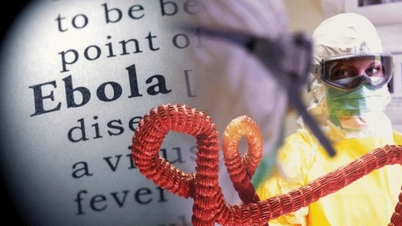
According to the Vietnam News Agency correspondent in Africa, the latest report from the Africa CDC and the health authorities of the Democratic Republic of Congo indicates that the Bundibugyo strain currently has no specific vaccine or approved treatment, with a mortality rate ranging from 50% to 89%. The epicenter of the outbreak is in Ituri province, in the Mongbwalu mining region, which experiences high traffic density and is facing a humanitarian crisis due to armed conflict. The virus has spread to major cities such as Goma and Kinshasa and crossed the border into Uganda, with over 390 suspected cases, 107 deaths, and at least 6 American aid workers exposed.
AU Commission Chairman Mahmoud Ali Youssouf stressed the risk of widespread outbreaks, urging member states and international partners to strengthen surveillance and support the response. South African President Cyril Ramaphosa also warned that Ebola knows no borders, and called for rapid information sharing and tight border controls.
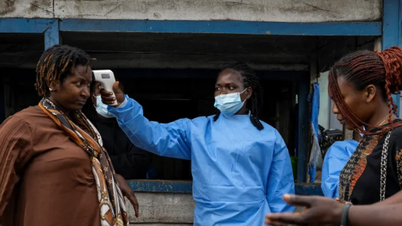
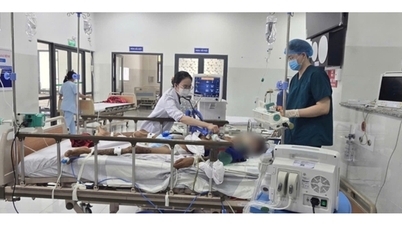
The Democratic Republic of Congo established three Ebola treatment centers in Ituri to alleviate the burden on hospitals, while the WHO sent 35 experts and 7 tons of medical supplies to the city of Bunia. The EAC activated a network of mobile laboratories and selected the Uganda Institute of Virology as a Regional Centre of Excellence to enhance diagnostic capacity.
This Ebola outbreak has also exposed the deep wounds of Africa's health system as international aid has plummeted, from $26 billion in 2021 to around $13 billion in 2025. Dr. Jean Kaseya, Director-General of the Africa CDC, warned that this is an “unprecedented health financing crisis.” Although African nations committed to allocating at least 15% of their budgets to health since 2001, only Rwanda, Botswana, and Cape Verde have met the target.
In light of this situation, African leaders are promoting the concept of "health sovereignty ," reducing dependence on external aid. Programs such as Ghana's "Accra Reset" and the African Health Security and Sovereignty Programme are being accelerated. Experts emphasize that controlling illicit funding from mining and increasing the proportion of co-funding for vaccines (US$302 million contributed to the Gavi Global Vaccine Alliance in 2025) will help Africa effectively combat Ebola in the short term while enhancing sustainable health self-sufficiency in the future.
According to baotintuc.vn
Source: https://baophutho.vn/chau-phi-bao-dong-do-truc-dich-ebola-254353.htm










































































Comment (0)