


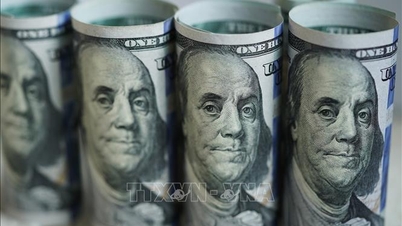
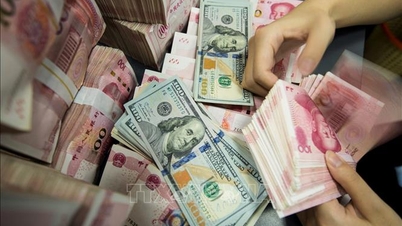
On January 27th (US time), the BBDXY index briefly fell 0.4%, reaching its lowest level since March 2022. This marked the fourth consecutive day of decline for the US dollar, following its sharpest weekly drop since May 2025.
The latest decline in the dollar comes after signs that the US may support measures to bolster the weakening yen, reigniting debate about the possibility of coordinated currency intervention by various countries to drive the USD lower against the currencies of key trading partners.
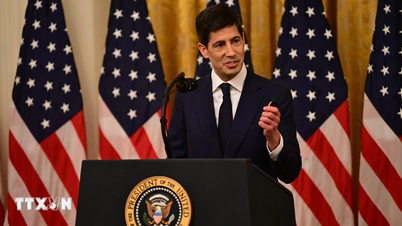
Furthermore, the weakening of the USD reflects the cautious sentiment of investors in the face of unpredictable decisions from the US government, including controversial statements by President Donald Trump such as the threat to take over Greenland. In the long term, risks related to the independence of the US Federal Reserve (Fed), the increasing budget deficit, concerns about uncontrolled fiscal spending, and deepening political polarization are also putting downward pressure on the USD.
Kit Juckes, Head of Foreign Exchange Strategy at Societe Generale, commented: "With the risk of a partial US government shutdown still present, investors betting on the USD remain concerned." According to him, US economic growth will continue to be the deciding factor in the Fed's policy easing, and thus will influence the likelihood of further USD weakening in the near future.
Recent US economic data shows that the world's largest economy continues to grow steadily, leading the market to expect the Fed to keep interest rates unchanged at this week's meeting. However, the market is predicting that the Fed will implement approximately two interest rate cuts this year, each by 0.25 percentage points. This is in stark contrast to many other major central banks, which are expected to keep interest rates unchanged or even consider raising them.
Furthermore, President Trump's commitment to announcing a successor to Fed Chairman Jerome Powell soon is also putting pressure on the USD, as the market believes the new Fed leader is likely to favor a policy of lowering borrowing costs.
Source: https://baotintuc.vn/thi-truong-tien-te/chi-so-dong-usd-cham-muc-thap-nhat-gan-4-nam-20260127215940950.htm

































































































Comment (0)