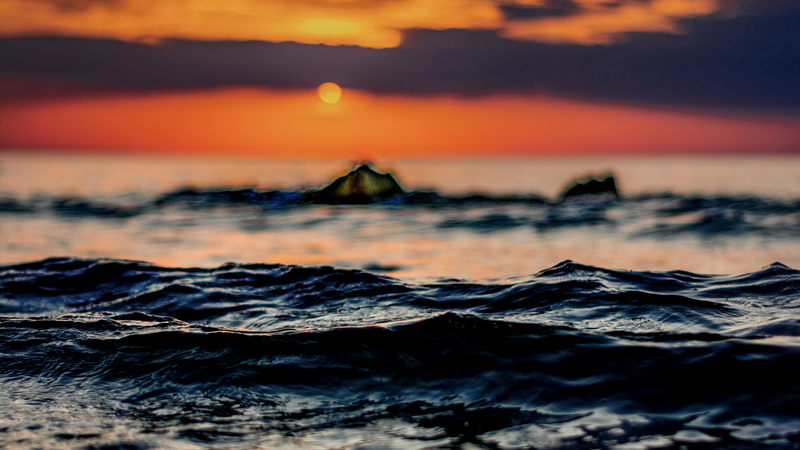
A pillar of support in the middle of the ocean.
Most notably, the worship of the Whale God is a traditional belief of the Cham people. Through cultural exchange and adaptation during their coexistence, the Vietnamese have adopted this cultural heritage. Over time, the image of the Whale God protecting and assisting fishermen at sea has become a valuable spiritual support for them, helping them in their livelihoods.
The book Gia Dinh Thanh Thong Chi by Trinh Hoai Duc, written in the early 19th century, states: "When boats encounter dangerous storms, the god [the Whale God] is often seen guiding and protecting the people on board. Or when boats sink, the god also brings people to shore during the storm; this rescue is very clear."
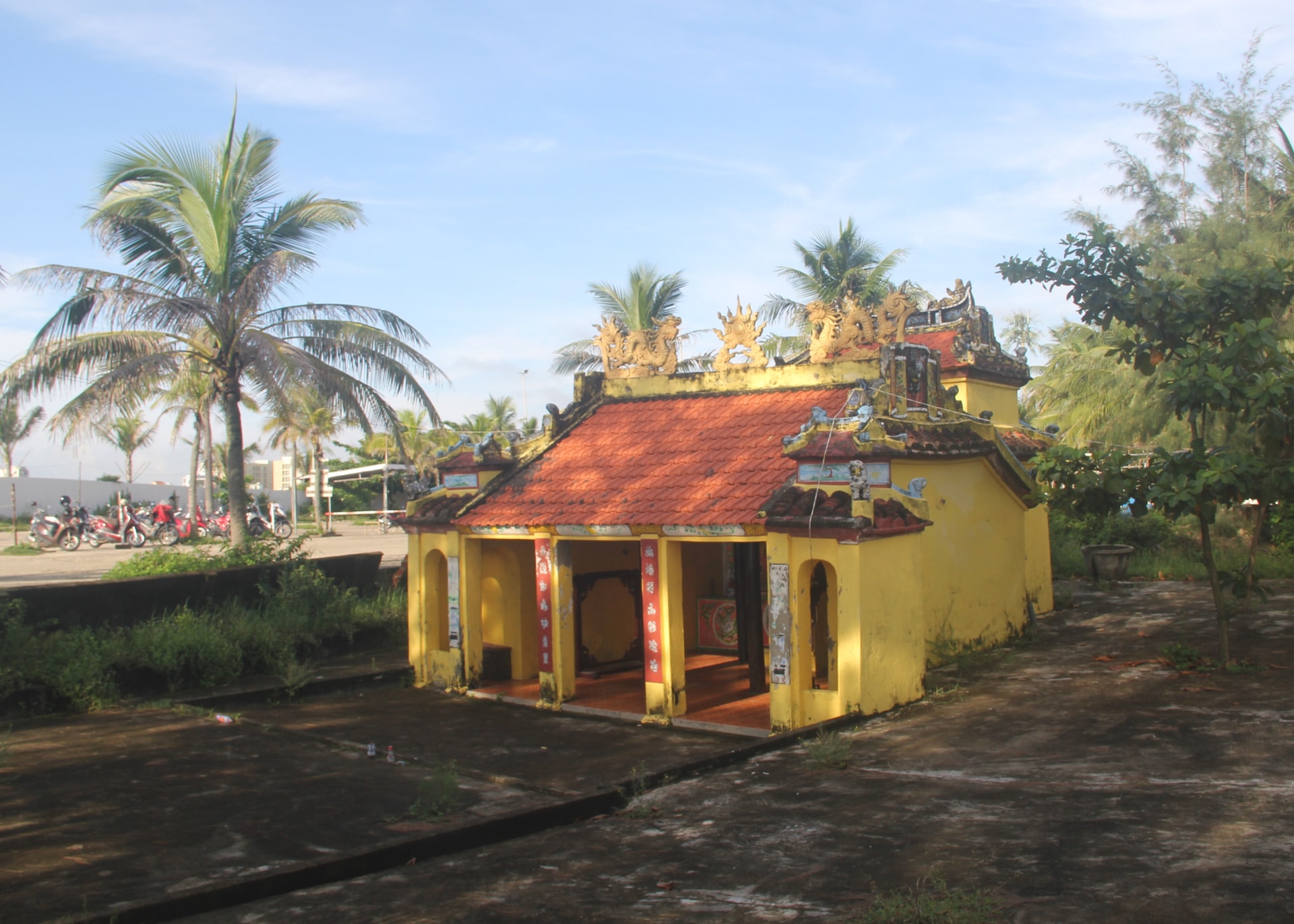
Coastal residents of Quang Nam province have long believed that the Whale God (or Whale God) always protects and rescues those in distress at sea. Therefore, most fishing villages from Cu Lao Cham, Tam Hai to Tam Tien, Cua Dai, Man Thai, Tho Quang, Thanh Khe, Nam O... have shrines dedicated to the Whale God. This belief has become a familiar part of the cultural life of the coastal people of Quang Nam. When the Whale God is alive, fishermen respectfully call him "Ong Sanh," considering him a life-saving benefactor. When he dies, he is called "Ong Luy," and people hold solemn funeral ceremonies and mourn as if he were a family member.
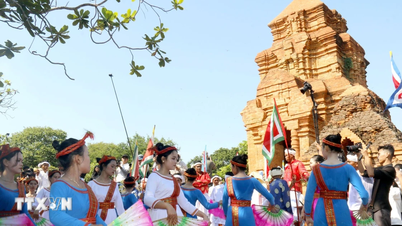
Every year, coastal villages organize the Fishing Festival with rituals such as welcoming the Whale God, offering sacrifices, and folk performances like chanting and singing traditional songs. This festival not only expresses gratitude to the protective deity but also serves as an opportunity for the coastal community to meet and bond. Through this, the Whale God becomes a symbol of faith and the harmonious relationship between humans and the sea, reflecting the fishermen's gratitude to nature for protecting and nurturing them for generations.
Goddesses of the Sea
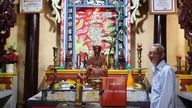
Besides the worship of the Whale God, the worship of goddesses also holds an important place in the spiritual life of fishermen. Popular goddesses revered include Thien Ya Na, Thuy Long Than Nu, Dai Can Tu Vi Thanh Nuong, Thien Hau Thanh Mau, etc.
Among them, Thien Y Ana originates from the Cham goddess Po Inu Nagar, and after Vietnamization, became a protective deity for coastal inhabitants. Thuy Long Than Nu, or Ba Thuy, is considered the goddess who governs rivers, seas, and estuaries. Dai Can Tu Vi Thanh Nuong are revered by the people as goddesses who rescue people at sea. Notably, Thien Hau Thanh Mau, a sea goddess in Chinese beliefs, is also worshipped and trusted by fishermen as a protector for their voyages.
The worship of the goddess reflects the aspiration for a peaceful and prosperous life, and safe voyages at sea. At the same time, it is also a vivid testament to the cultural exchange between the Vietnamese, Cham, and Chinese communities within the coastal cultural landscape of Central Vietnam.
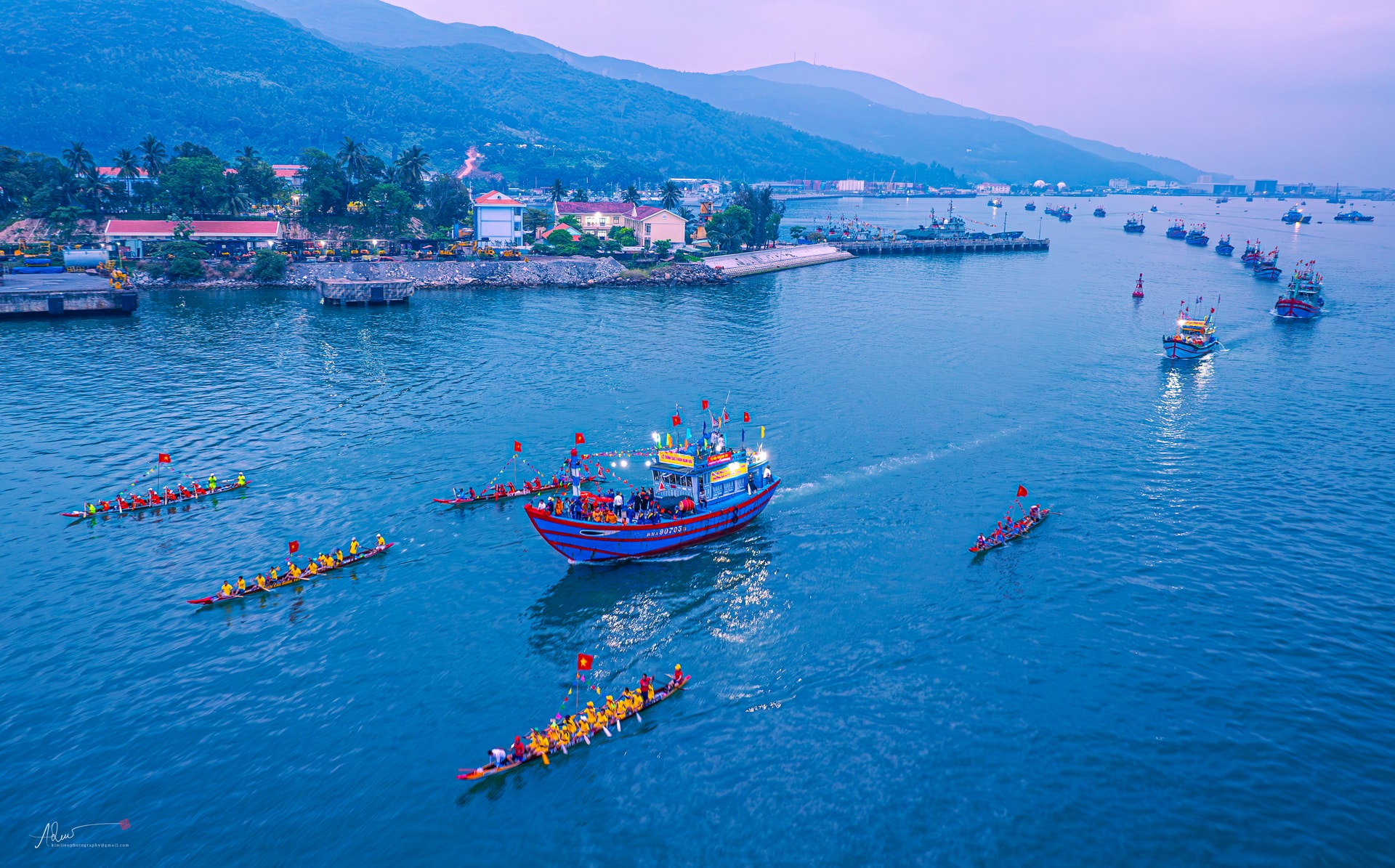
The humane nature of fishermen
Another deeply humane religious practice is the worship of wandering souls. Coastal shrines commemorate those who died without a resting place, especially those who perished at sea. Every year, fishermen hold ceremonies on the 15th day of the first and seventh lunar months to pray for the souls of the deceased. In an environment constantly facing danger, this belief demonstrates compassion and provides a sense of peace amidst the impermanence of life.
Along with the worship of deities, many taboos have been passed down from generation to generation. Before each fishing trip, fishermen often consult auspicious days, perform rituals to pray for safety, and avoid saying things considered unlucky... Although modern life has changed many customs, these taboos are still maintained as a way to bring peace of mind to those at sea.


According to researcher Do Thanh Tan, Vice President of the Da Nang City Folk Arts Association, beliefs associated with the sea still play an important role in the spiritual life of coastal residents in Da Nang. However, urbanization and changes in livelihoods are putting many customs at risk of disappearing.
Therefore, preserving religious values is not only about maintaining a folk custom but also about safeguarding the cultural memory of coastal communities. As long as the sea remains unpredictable, these beliefs continue to support people, helping them stand firm against the waves and maintain their identity in today's fast-paced life.
Source: https://baodanang.vn/cho-dua-cua-nguoi-di-bien-3339382.html

![[Image] Schools organize meetings and introduce teaching models to students admitted to grade 10.](https://vphoto.vietnam.vn/thumb/1200x675/vietnam/resource/IMAGE/2026/06/25/1782368077271_ndo_br_z7970052192242-1ec8daeb77a6eed1a4e9f58c564ddd3e-jpg.webp)
![[Image] Ho Chi Minh City: Ma Lang area, Chicken-Rice Market about to change its appearance](https://vphoto.vietnam.vn/thumb/1200x675/vietnam/resource/IMAGE/2026/06/25/1782377698627_ndo_br_m1-jpg.webp)
![[Photo] General Secretary and President To Lam receives Palestinian Ambassador Saadi Salama](https://vphoto.vietnam.vn/thumb/1200x675/vietnam/resource/IMAGE/2026/06/25/1782365384740_a1-bnd-9423-8322-jpg.webp)