

Along with modern medicine's treatments for allergic rhinitis, traditional Chinese medicine also offers effective methods for preventing and supporting the treatment of this condition.
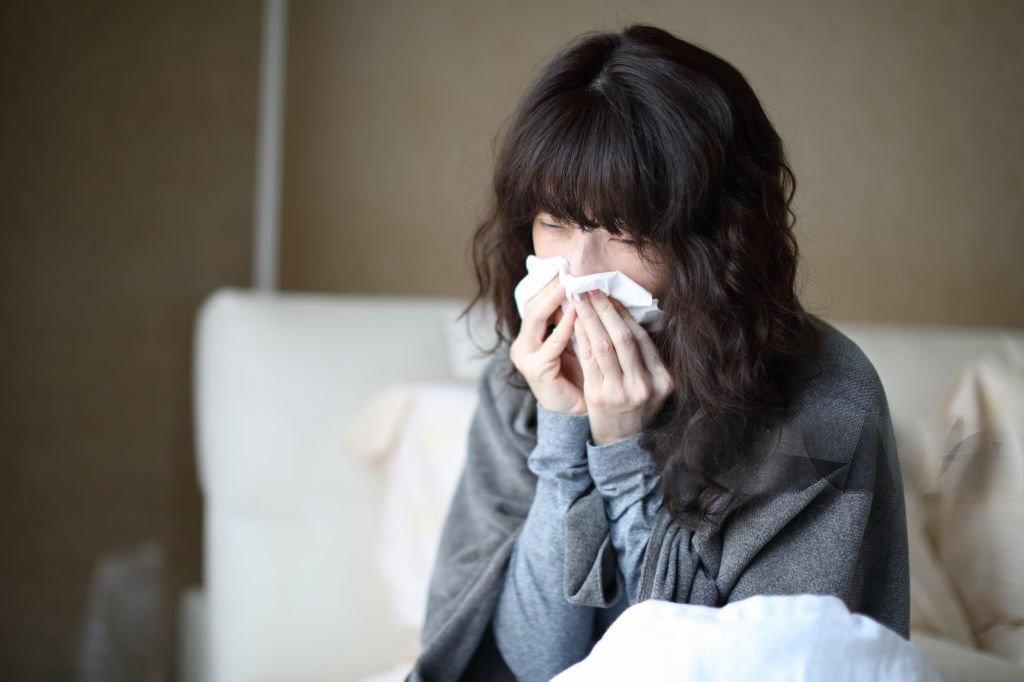
Common symptoms of allergic rhinitis include sneezing, runny nose, nasal congestion, and headaches... - Illustration/Source: Getty
The disease is difficult to cure completely and often recurs.
Dr. Tran Chien Thang - Department of Ophthalmology ( Hung Yen Provincial Traditional Medicine Hospital) - said that allergic rhinitis is a fairly common disease. With increasingly harsh climates and rising environmental pollution, the incidence of allergic rhinitis is higher.
Allergic rhinitis is not a serious condition, but it cannot be completely cured and often recurs with changes in weather.
The causes of allergic rhinitis can vary, depending on whether symptoms appear seasonally, year-round, or intermittently, such as pollen and mold spores outdoors, dust indoors, etc.
Food can also trigger allergic rhinitis; depending on the individual, allergic symptoms in the nose are often accompanied by symptoms in the skin, gastrointestinal tract, and lungs.
Common symptoms of allergic rhinitis include sneezing, runny nose (clear, not sticky), nasal congestion, headache, itchy throat, and cough... These symptoms can easily be mistaken for a cold.
According to Traditional Chinese Medicine, allergic rhinitis is characterized by runny nose and nasal congestion. The cause stems from weakened lung and nasal systems, leading to unstable defensive energy, allowing pathogenic factors to easily invade the lung meridian. This disrupts the downward flow of lung energy, causing symptoms such as runny nose, sneezing, nasal congestion, and other nasal problems.
Allergic rhinitis arises from two causes: dysfunction of the internal organs (mainly the lungs and spleen); and invasion by wind-cold and pathogenic factors. These two factors can combine to cause lung qi deficiency and heat, weakening the immune system and making one susceptible to disease.
According to Dr. Thang, the principle of treating allergic rhinitis in traditional Chinese medicine is to nourish the body's vital energy, improve blood circulation in the internal organs, balance yin and yang, enhance vital energy, and protect the body.
Use medicinal herbs that have the effects of dispelling wind, dispersing cold, eliminating dampness, clearing heat, detoxifying, fighting inflammation, and fighting bacteria.

Depending on the specific type of allergic rhinitis, traditional Chinese medicine practitioners will prescribe appropriate herbal remedies - Illustration image
Treatment tailored to each type of illness.
Depending on the specific type of allergic rhinitis, traditional Chinese medicine practitioners will prescribe appropriate remedies:
- Cold-dampness syndrome : Common symptoms include clear runny nose, frequent sneezing, nasal congestion, often appearing or worsening with cold exposure. Treatment involves using herbal remedies that dispel wind and cold, reduce secretions, and clear nasal passages.
- Wind-cold syndrome : Symptoms include headache, neck pain, sneezing, runny nose, and severe nasal congestion. The disease often flares up in cold weather, and symptoms worsen with exposure to cold. The remedies focus on dispelling wind, dispersing cold, and clearing the nasal passages.
- Yin deficiency syndrome : Characterized by symptoms such as dry, stuffy nose, sneezing and excessive runny nose, dry mouth, thirsty throat, thinness, frequent feeling of fever in the afternoon, constipation, and scanty, reddish urine. Treatment involves using herbal remedies that nourish lung yin and clear nasal passages.
- Weak constitution : In cases where patients with allergic rhinitis have a weak constitution, allowing pathogenic wind to invade, symptoms include nasal congestion, sneezing, excessive runny nose, fatigue, loss of appetite, and excessive sweating. Treatment often involves herbal remedies that tonify qi and clear the nasal passages.
In addition to medication, non-drug methods should be combined, such as nasal steaming with water boiled from grapefruit peel, lemongrass, mint leaves, garlic, and shallots... inhaling essential oils to create a feeling of clear breathing.
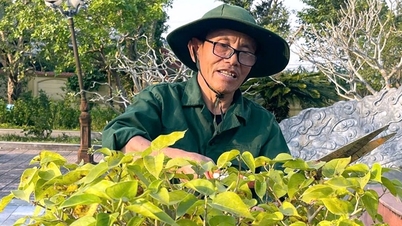
Alternatively, you can use herbs with anti-inflammatory properties that can help treat allergic rhinitis, such as mint, magnolia flower, and starfruit leaves.
It can be used alone or in combination with other herbs as prescribed by a traditional Chinese medicine practitioner. Patients should absolutely not self-medicate, as this may not cure the disease, or may even worsen it, or lead to risks due to incorrect use of the medication.
Acupressure and herbal remedies can also help support the treatment of allergic rhinitis.
To immediately relieve symptoms of sneezing and runny nose, massage several acupoints around the nose: two Yingxiang acupoints located horizontally below the nostrils, about 5mm to the sides; two Sibai acupoints located about 5mm to the sides of the curve between the bridge of the nose and the nostrils; and the Suliao acupoint, at the tip of the nose.
Press firmly and repeatedly on the acupoints with your index finger. These acupoints have both immediate and long-term effects. Therefore, you can apply pressure to these acupoints several times a day.
How to prevent allergic rhinitis?
Avoid pathogens such as inhaling smoke, dust, pollen, butterfly wings, animal fur, paint fumes, gasoline, chemical vapors, etc.
Minimize keeping dogs and cats indoors or allowing them to sleep on your bed;
Regularly clean blankets, sheets, pillows, mattresses, upholstery, cushion covers, and curtains; living, studying, and working environments should be well-ventilated, cool, clean, and free from dampness to limit mold growth.
Regarding diet, avoid foods that may cause allergies such as silkworm pupae, tuna, shrimp, crab, etc. In addition, pay attention to oral hygiene, brushing your teeth after meals, before and after waking up.
Minimize smoking; avoid or limit exposure to dust; wear a mask when cleaning the house and when going outside; keep your body warm during seasonal changes.
Regular exercise, a healthy diet, adherence to a scientific and healthy lifestyle, maintaining a positive mental state, getting enough sleep, and having good quality sleep all help to boost immunity.
 Suffering from allergic rhinitis
Source: https://tuoitre.vn/chua-viem-mui-di-ung-bang-dong-y-nhu-the-nao-20241023210551269.htm


![[Photo] Prime Minister Pham Minh Chinh presides over a meeting on private sector economic development.](/_next/image?url=https%3A%2F%2Fvphoto.vietnam.vn%2Fthumb%2F1200x675%2Fvietnam%2Fresource%2FIMAGE%2F2025%2F12%2F20%2F1766237501876_thiet-ke-chua-co-ten-40-png.webp&w=3840&q=75)



























































































Comment (0)