

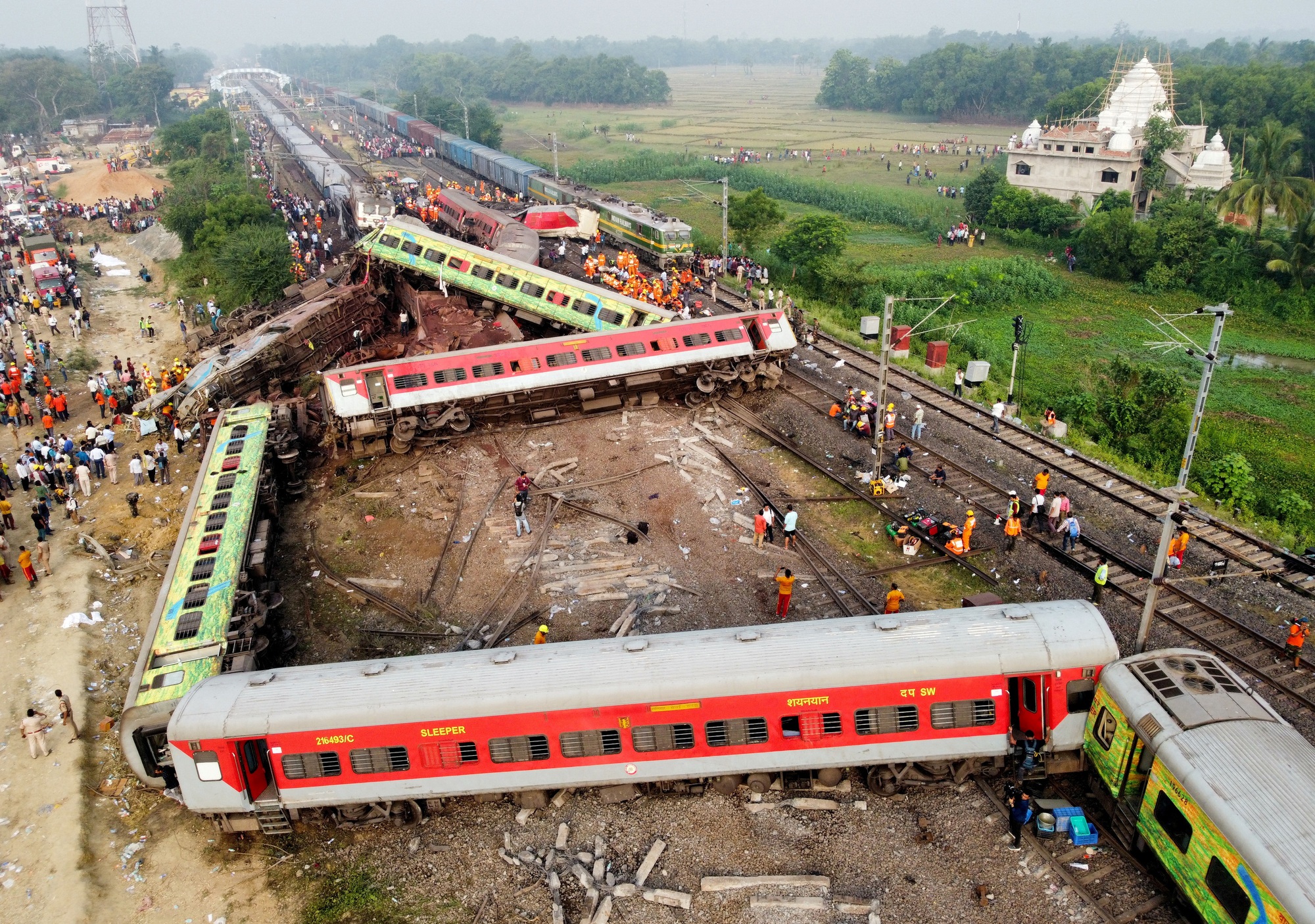
The accident scene as seen from above.
Ompal Bhatia, a survivor of the devastating train accident in India's Odisha state on June 2nd, initially thought he was going to die. When the train he was on derailed, Bhatia was traveling with three friends to Chennai for work.
Workers' boat
According to Reuters, the 25-year-old man stood for most of the four-hour journey on the Coromandel Express train. Bhatia, who works in the plywood business, said that just before the train crashed, killing nearly 300 people, some were preparing to go to sleep.
His train car, S3, was so crowded that there was only standing room. He had to hold onto a chain, as did his friends.
This train is often the preferred mode of transportation for daily wage earners and low-wage workers in industries around Chennai and Bangalore. The train carriage Bhatia is traveling in does not have air conditioning.
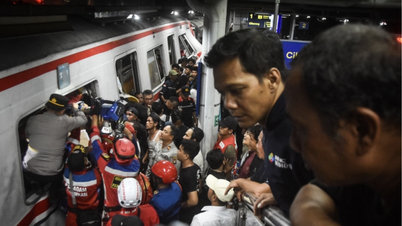
Nearly 300 dead, hundreds of ambulances at the scene of the Indian train crash.
The train travels through the hills along India's east coast, taking over 24 hours to complete the more than 1,600-kilometer journey. Many people, like Bhatia, spend the entire trip crammed into narrow train carriages with little standing room.
It was getting dark. Some people who had seats were finishing their dinner, while others were trying to rest.
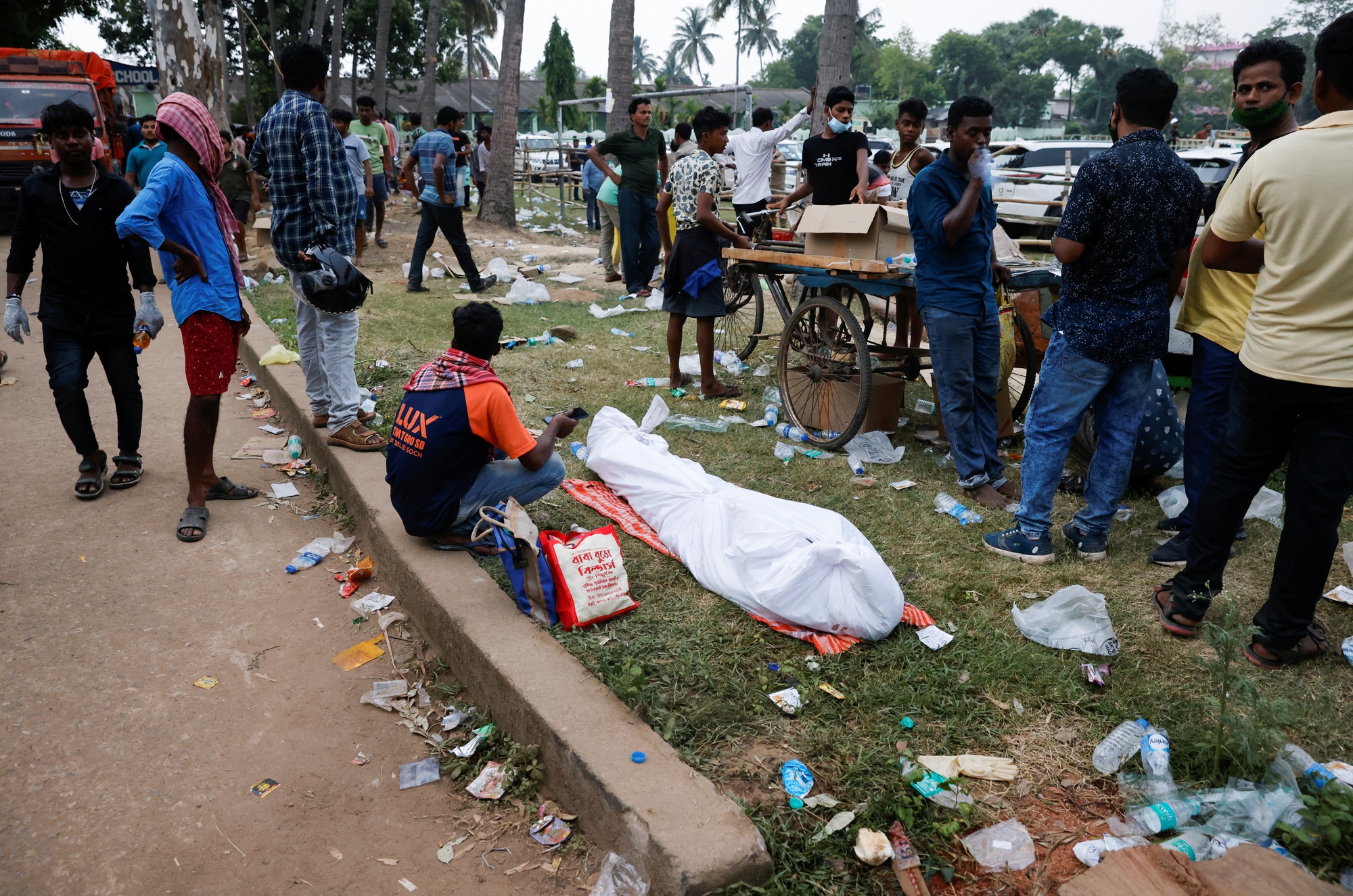
One victim's body at the scene.
Moti Sheikh, 30, was also standing and chatting with a group of six other men from the same village. They planned to eat and sleep on the ground because there was nowhere to sit.
Bhatia and Sheikh said there was suddenly a loud, violent noise, and they felt the train suddenly begin to reverse. At first, Sheikh thought it was the brakes screeching, but then the carriage overturned.
"When the accident happened, we thought we were going to die. When we realized we were still alive, we started looking for the emergency windows to get out of the train. The carriage had derailed and tilted to one side," Bhatia told Reuters by phone on June 3.
When he and his friends got outside, he found the scene around them to be chaotic.
"We saw so many dead people. Everyone was trying to save their own lives or find their loved ones," he said. Fortunately, he and his friends survived.
Sheikh said that he and his friends also felt they wouldn't survive. "We cried when we went outside," he said, adding that it was about 20 minutes before they received their first help.
Signal malfunction
The Coromandel Express train veered off course, striking a stationary freight train, and then colliding with a second passenger train coming from the opposite direction. As of the evening of June 3, at least 288 people had died in India's deadliest railway accident in decades, according to official figures. More than 800 others were injured.
A preliminary report indicates that a signal malfunction caused the accident. As rescue operations continue, the death toll is expected to rise. Indian Prime Minister Narendra Modi has visited the accident site.
"(I) have assessed the situation at the site of the tragedy in Odisha state. No words can express my profound sadness. We are committed to providing all possible support to those affected," Modi said.
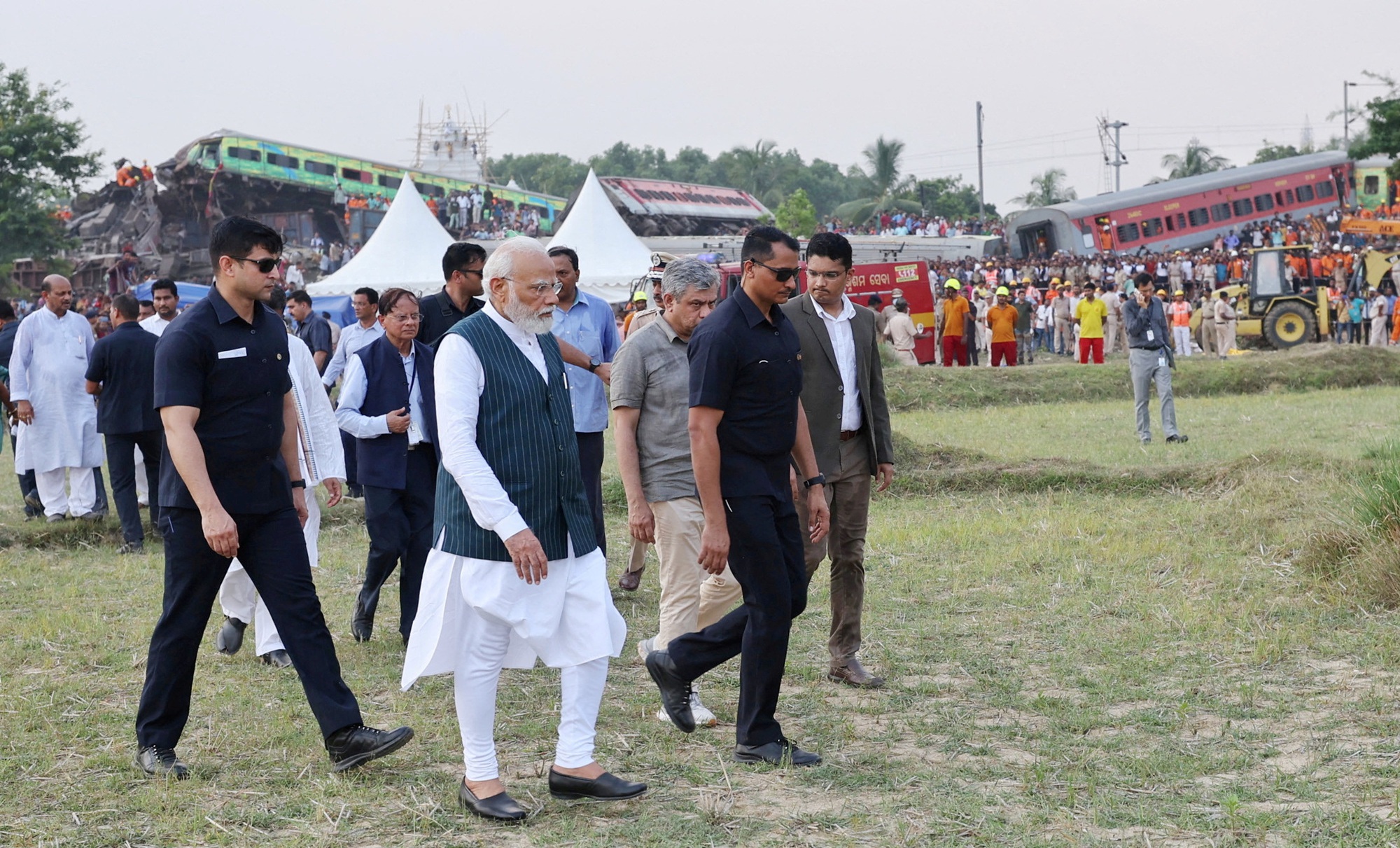
Prime Minister Modi at the scene on June 3rd.
Archana Paul, a housewife from West Bengal, was traveling on a different train, the Howrah Yesvantpur Express, when the accident occurred.
"There was a loud noise and everything went dark," she said.
While traveling with her brother and 10-year-old son, Paul realized the train had derailed. "I was okay, so I started looking for my son and brother, but I couldn't find them," she recounted.
She told everyone to start getting up slowly. "They wanted me to go outside, but I said no, I needed to find my son. But they insisted that I go out first," she said.
She was taken out of the train carriage and waited for her son to appear, but he never came. She was then taken by ambulance to a hospital in Balasore.
Lying in his hospital bed, Paul broke down in tears while speaking to Reuters and asked for everyone's help in finding his son.
Also on board the Howrah Yeshvantpur Express was Kaushida Das, approximately 55 years old. She survived the accident, but her daughter died.
"Although I survived, there's nothing left for me to fight for anymore. My daughter is everything to me," she said.
Indian Railway Minister Ashwini Vaishnaw said the families of those killed would receive 1 million rupees (approximately 285 million VND), while those seriously injured would receive 200,000 rupees and those with minor injuries 50,000 rupees. Authorities in several states have also announced compensation.
Source link



![[Photo] General Secretary and President To Lam presides over the meeting to approve the draft report on the results of the second inspection by the Politburo of the Standing Committee of the Hanoi City Party Committee.](https://vphoto.vietnam.vn/thumb/1200x675/vietnam/resource/IMAGE/2026/05/26/1779789811432_a2-bnd-4430-9620-jpg.webp)
























































































Comment (0)