

In the context of digital technology increasingly permeating all aspects of life, Dak Ka Cooperative has applied science and technology to its production and management processes, gradually meeting the growing demands of consumers both domestically and internationally.
.jpg)
With a focus on producing high-quality coffee, the Dak Ka Cooperative has boldly invested in many new technologies. In the preliminary processing stage, the cooperative has replaced manual sorting with a color sorting system using artificial intelligence (AI), which helps improve accuracy and minimize errors.
In addition, greenhouse technology is implemented during the coffee drying process to minimize the impact of weather, ensuring uniformity and stability of the coffee beans.
To create a distinctive flavor, the cooperative applies biotechnology in the coffee fermentation process, a stage considered the most important in determining product quality.
Through cooperation with the Ho Chi Minh City Biotechnology Center, the cooperative has researched, isolated, and cultivated beneficial microbial strains, incorporating them into large-scale coffee production, preliminary processing, and processing. As a result, the cooperative's coffee products are not only more flavorful but also possess a unique identity of the Dak Ka region.
In addition to focusing on production, the Dak Ka Cooperative has also undergone significant transformation in management and trade.
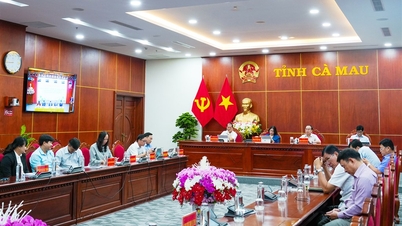
According to Mr. Tran Van Phu, Director of the Cooperative, the unit has digitized approximately 50% of its office operations and organizes online meetings, thereby reducing personnel costs by 20-30% and increasing operational efficiency.
The Dak Ka Cooperative has a linked raw material area of approximately 100 hectares. The cooperative organizes coffee production in a sustainable manner, ensuring that 100% of the coffee is harvested when ripe, processed using appropriate methods, and dried in greenhouses. This process helps preserve the natural flavor while improving the uniformity and quality of the coffee.
Mr. Tran Van Phu, Director of Dak Ka Cooperative
In the production of finished products, the cooperative uses software to automatically control the roasting process according to a pre-programmed formula. As a result, the roasted and ground coffee product achieves high consistency, saves fuel, and ensures uniform output quality.
In terms of commerce, the cooperative proactively implements digital sales channels such as TikTok, Facebook, Zalo, and websites to increase market reach.
The cooperative uses QR codes for product traceability, making it easy for customers to verify quality and enhancing trust in the Dak Ka brand.
In addition, the cooperative also applies artificial intelligence such as ChatGPT and Gemini to support the creation of digital content, fanpage management, and customer care, contributing to improved communication and marketing effectiveness.
.jpg)
Mr. Tran Van Phu, Director of the Cooperative, said that for the cooperative to successfully transform digitally, the important factors are investing in technological infrastructure, training quality human resources, and strengthening connections with research institutes and businesses. However, the digital transformation process still faces many challenges, especially for small and medium-sized cooperatives.
The experience of the Dak Ka Cooperative shows that digital transformation is not the exclusive domain of large enterprises. Cooperatives can absolutely succeed if they have the determination, the right approach, and receive appropriate support.
.jpg)
In addition to proactive implementation based on the needs and conditions of cooperatives, the support of relevant agencies in terms of capital support policies, technical training, technology transfer, and information security is necessary for the digital transformation model in cooperatives to truly spread and be effective.
Source: https://baodaknong.vn/chuyen-doi-so-de-nang-cao-chat-luong-mo-rong-thi-truong-ca-phe-255061.html




















































































Comment (0)