

Be prepared.
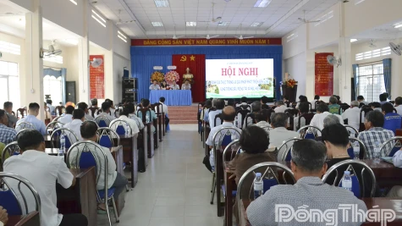
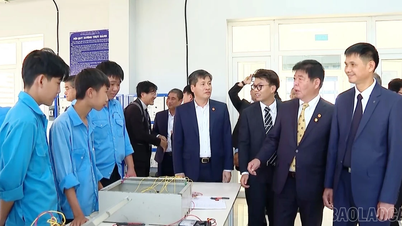
In just a few days, the current operations of the communes will officially cease to be organized according to the new commune model and a two-tiered government structure. Like many other localities, these days, the staff and civil servants of Bao Ha commune (Bao Yen district) are rushing to organize and digitize files and documents.
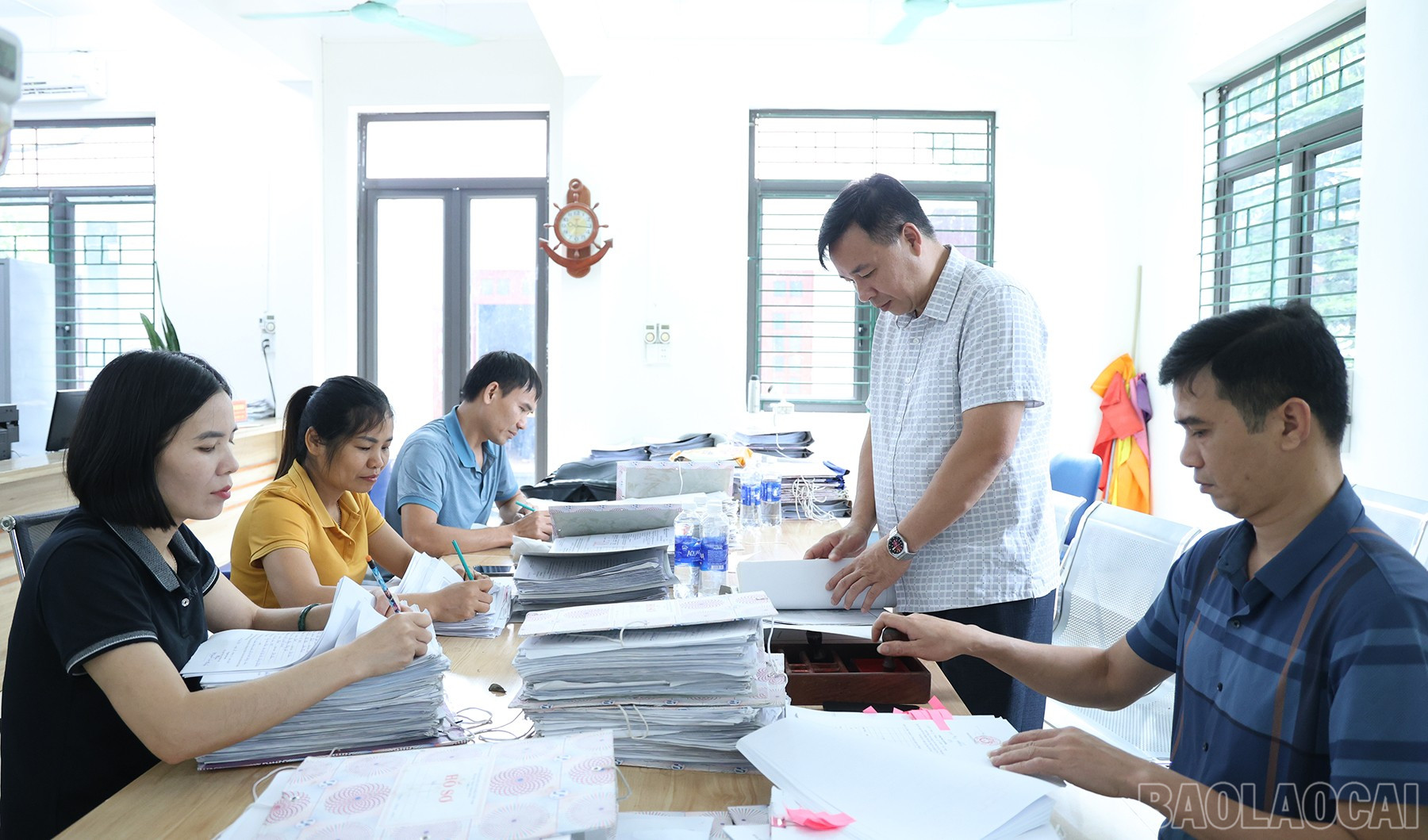
Although proactive measures were taken to organize and implement the task from the beginning of April 2025, the workload remains very large. Therefore, the locality has mobilized a team of officials, teachers, and school staff to help complete the digitization and document organization to receive documents from other communes (these files and documents will be transferred to the provincial archives in the near future).
At the same time, citizen service activities, especially the implementation of administrative procedures, continue as normal; the team of officials and civil servants maintain their presence in villages to propagate and mobilize the people to develop the economy , build new rural areas, and are determined to complete the tasks and goals for 2025.
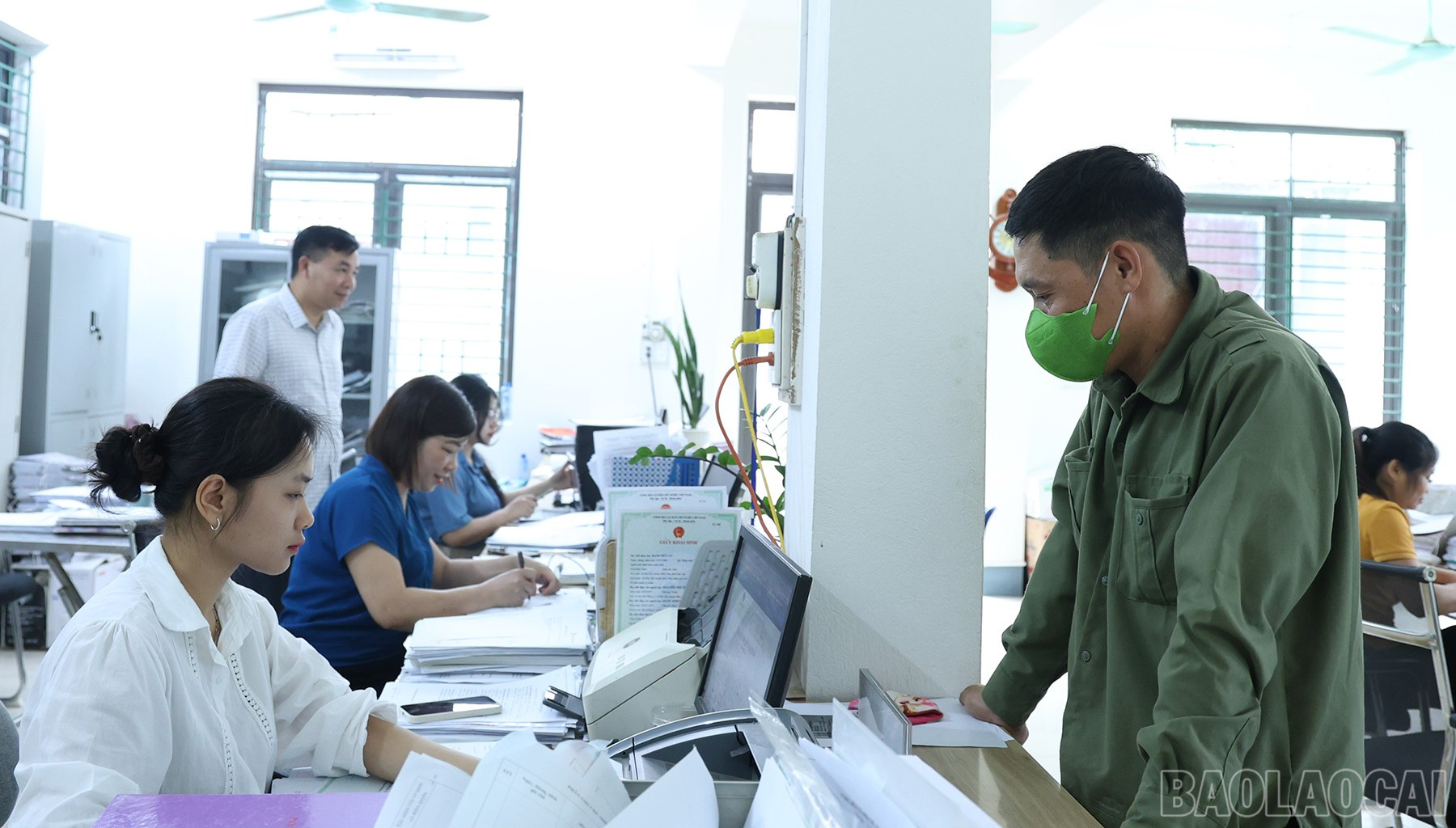
Comrade Vu Thi Thao, a civil servant in the Office of Statistics of Bao Ha Commune People's Committee, said that there was a little bit of uncertainty when the old commune model ended, but we recognized this as a major policy of the Party and the State, so we all prepared ourselves with the best mindset. In the coming time, the work may be more difficult and stressful, but we will try our best to complete the assigned tasks.
Comrade Pham Anh Tuan, Secretary of the Party Committee of Bao Ha commune, said: Thanks to effective ideological work, the commune's officials and civil servants are confident in their work, enthusiastically contributing to ensuring the timely completion of daily tasks as well as those related to the commune merger. Preparations for the operation of the new Bao Ha commune have also been thoroughly discussed, from personnel arrangements to infrastructure.
Bao Ha commune was recently formed by merging five communes: Bao Ha, Kim Son, Cam Con (Bao Yen district), Tan An, and Tan Thuong (Van Ban district), comprising 72 villages and hamlets, with a total area of approximately 243 km2 and nearly 34,000 inhabitants.
In Tan An, Tan Thuong, and Cam Con communes these days, officials and civil servants are urgently carrying out the work of surveying and counting houses, property, trees, and crops of the people in the area that needs to be cleared for the construction of the Lao Cai - Hanoi - Hai Phong railway project.
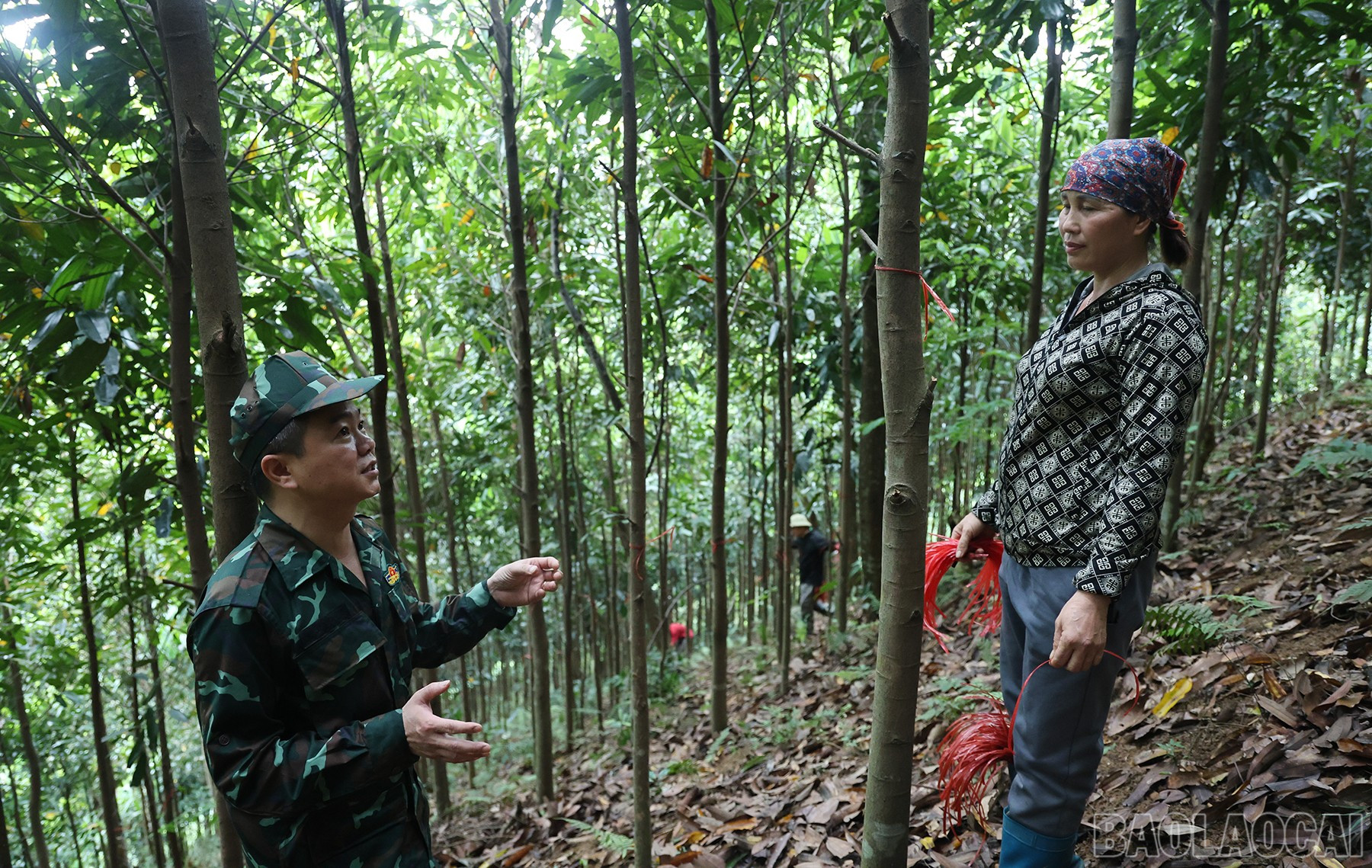
Although there are still some reservations about the organizational restructuring and the changes that will occur in the work, everyone is determined to do their best to serve the people as long as there is still work to be done.
In Kim Son commune, the atmosphere of emulation in fulfilling the tasks and goals of the 2020-2025 term remains vibrant among all levels of the people, officials, and Party members. Everyone is full of hope that after the administrative unit merger, Kim Son will better exploit the potential and advantages of the locality, especially in building stronger agricultural production chains, thereby promoting economic development and increasing income for the people.

Opportunities for breakthrough growth
Previously, in the province's urban development plan, Bao Ha - Tan An was part of a chain of urban areas along the Red River, with Lao Cai city at the beginning of the chain, followed by Pho Lu, Tang Loong (Bao Thang district), Bao Ha (Bao Yen district), and Tan An (Van Ban district). This was the central urban chain of the province, designated for the development of processing and manufacturing industries and logistics services, and was envisioned as the most important driving force for economic growth.

To realize this goal, Bao Yen district and Van Ban district are implementing planning solutions and attracting investment.
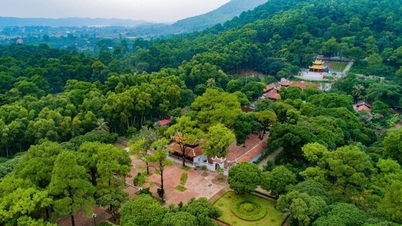
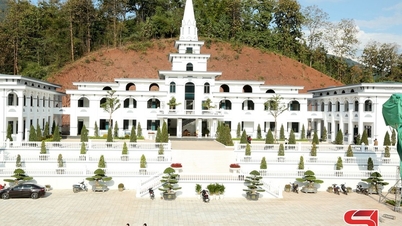
Bao Yen District has approved the general urban development plan for Bao Ha, aiming to develop it into a regional and national-level spiritual tourism center and a gateway city for Lao Cai province.
For the Tan An area in Van Ban district, an urban planning scheme is also being developed within the overall urban chain along the Red River. With the expansion of administrative boundaries and the unification of management and operation, the implementation of related plans will be more convenient.

Comrade Vu Xuan Thuy, Secretary of the Party Committee of Tan An commune, said that the open space will facilitate the planning of clearly defined functional areas, thereby forming distinct urban, tourism, small-scale industrial, and commercial agricultural production zones. This will create conditions to attract investment in the local area's strengths, as well as encourage the people in the area to boost production and increase their income.
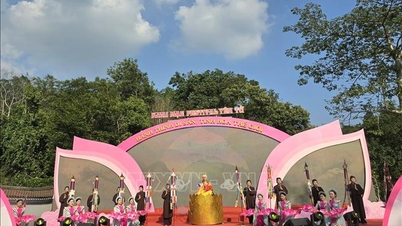
Mr. Nguyen Van Quyen, Head of the Management Board of Relics and Tourism Development of Bao Yen District, expects that the merger of administrative units will create more favorable conditions for management, effectively promote the values of relics in the spiritual tourism chain, and thereby attract more and more tourists from all over to the area.
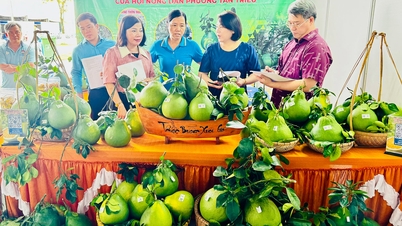
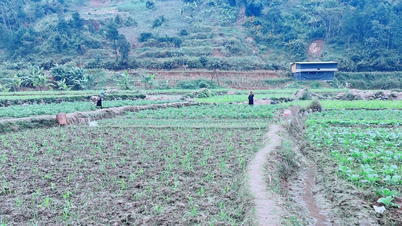
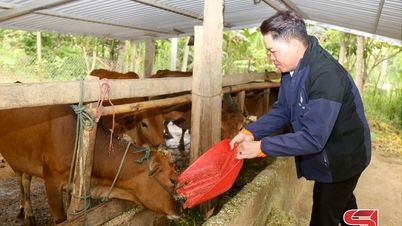
It can be said that after the merger, Bao Ha commune will possess all the potential and advantages to achieve breakthroughs. These include advantages in developing spiritual tourism with the Bao Ha Temple National Historical Site, Tan An Temple, and many provincial-level scenic spots and historical sites; and commercial agriculture with outstanding products such as seedless persimmons from Bao Ha, Tan An, and Tan Thuong, mulberry trees from Kim Son, royal bananas from Cam Con, and a vast area of forestry...
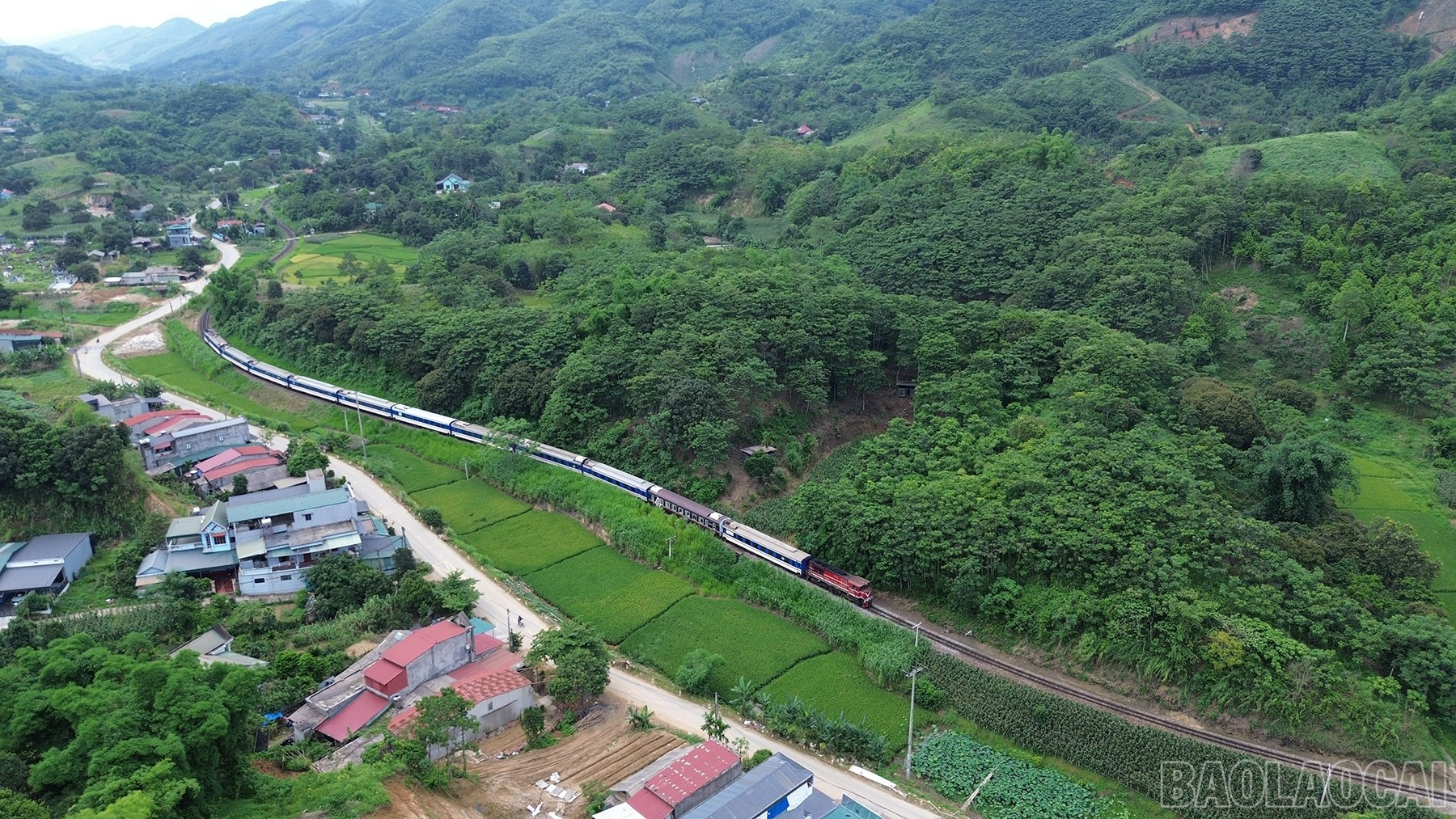
This area is also a crucial transportation hub with the century-old Lao Cai - Hanoi railway line, the Noi Bai - Lao Cai expressway, and National Highway 279. Further projects such as the Lao Cai - Hanoi - Hai Phong high-speed railway and the Sa Pa airport will be implemented, bringing Bao Ha commune closer to all modes of transportation in the future. In addition, there are small-scale industrial zones and logistics areas already included in the provincial planning.

How to effectively exploit the potential and strengths of the newly merged Bao Ha commune is also a challenge facing the Bao Ha commune Party Committee for the 2025-2030 term. Faced with this challenge, immediately after the province's policy on commune merger was announced, the Standing Committees of the Party Committees of the five communes: Kim Son, Bao Ha, Cam Con of Bao Yen district and Tan An, Tan Thuong of Van Ban district, held numerous meetings to develop documents for the congress.
Comrade Pham Anh Tuan, Secretary of the Party Committee of Bao Ha commune, said: "The central document of the congress is the political report, which we are currently researching and developing, with the requirement that it truly reflects the realities of life. The direction and tasks for the next period are being carefully discussed based on the potential and strengths of the locality, as well as within the overall development of the province."
With the mindset of its officials and Party members, along with thorough preparation for the commune's activities after the merger, Bao Ha commune is ready to join other localities in the province and the country in entering a new phase of development.
Source: https://baolaocai.vn/co-hoi-phat-trien-but-pha-post402974.html


![[Photo] Prime Minister Pham Minh Chinh attends the Conference on the Implementation of Tasks for 2026 of the Industry and Trade Sector](/_next/image?url=https%3A%2F%2Fvphoto.vietnam.vn%2Fthumb%2F1200x675%2Fvietnam%2Fresource%2FIMAGE%2F2025%2F12%2F19%2F1766159500458_ndo_br_shared31-jpg.webp&w=3840&q=75)


































































Comment (0)