

Concerned about the spread of the disease beyond borders following the appearance of two cases in Uganda's capital, Kampala, the World Health Organization (WHO) has declared the Ebola outbreak in Congo a "public health emergency of international concern".
According to Congo's health coordinating agency, the country has recorded 105 deaths suspected to be related to Ebola and 393 suspected cases in nine health areas in Ituri province, bordering Uganda. Only eight cases have been confirmed by testing so far.
Another case of infection was confirmed in the city of Goma, the capital of the neighboring North Kivu province, which is controlled by the M23 rebel forces.
Among the confirmed cases is an American missionary. The US Centers for Disease Control and Prevention (CDC) said it is coordinating his transfer to Germany for treatment and is also monitoring six other people who had close contact with him.
This outbreak is linked to the Bundibugyo strain, which is different from the previously more common Zaire strain. Currently, there is no approved specific treatment or vaccine for this virus strain.
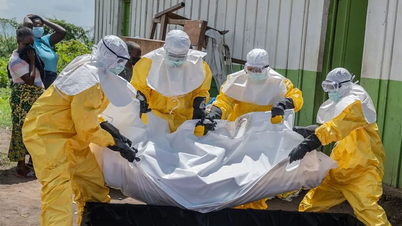
Ebola is transmitted through direct contact with the bodily fluids of infected people or animals. The disease can cause high fever, vomiting, and internal and external bleeding.
In an effort to control the outbreak, a delegation led by Congolese Health Minister Samuel Roger Kamba traveled to Bunia, the capital of Ituri province, to establish treatment centers to support overwhelmed local hospitals.
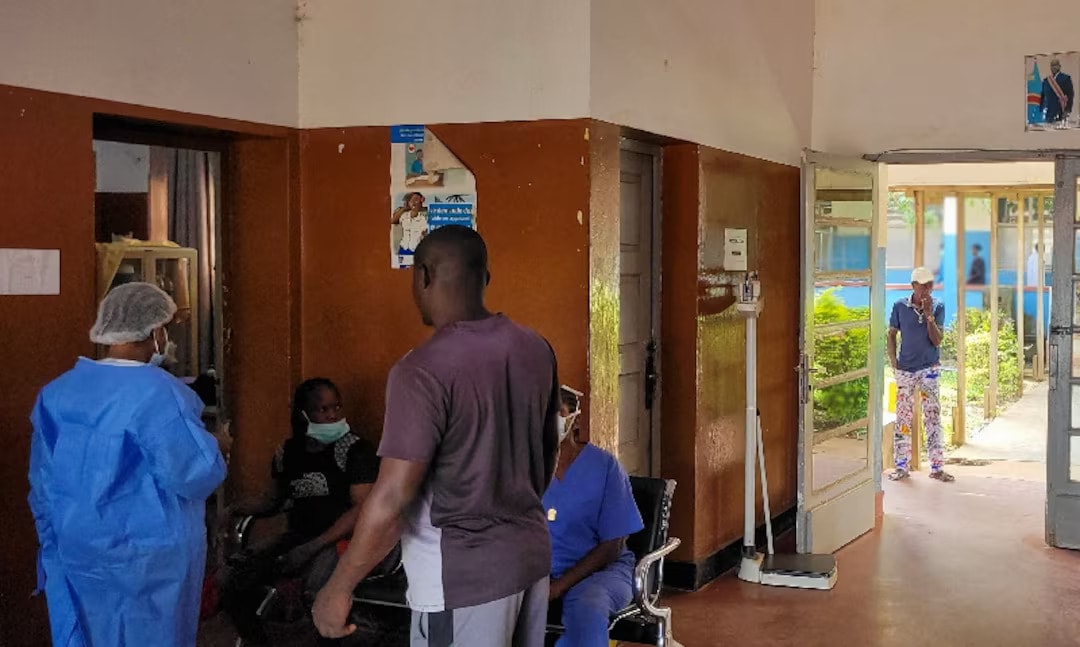
"This is not a mysterious disease. People need to report their symptoms quickly so they can receive treatment and prevent the disease from spreading further," said Kamba.
According to Jean Pierre Badombo, former mayor of the mining town of Mongbwalu, the epicenter of the outbreak, many deaths began appearing in April after a large funeral took place in Bunia.
However, Congolese officials said the virus was only detected on May 14 after samples that initially tested negative for the Zaire strain were not further tested. The Ebola outbreak was officially announced the following day.
Lievin Bangali, senior health coordinator for the International Rescue Committee (IRC) in Congo, argues that the decline in international funding is also weakening the capacity for early disease detection.
"When surveillance networks are disrupted, dangerous diseases like Ebola can spread more rapidly before communities and healthcare workers can respond," Bangali warned.
The WHO said that supplies of protective equipment in the capital Kinshasa had run out and that it was sending additional supplies from stockpiles in Kenya to Congo.
Meanwhile, the European Centre for Disease Prevention and Control (ECDC) confirmed it is sending experts to Ethiopia to assist in coordinating the response. The US CDC also said it will increase staffing at its offices in Congo and Uganda.
Concerns about the spread of the disease have also led Uganda to postpone a major religious event scheduled for next month, which attracts thousands of pilgrims from eastern Congo.
Congo has experienced 17 Ebola outbreaks since the virus was first detected in the country in 1976. According to the WHO, Ebola has an average mortality rate of around 50%, and has even reached 90% in some previous outbreaks.
(According to Reuters)
Source: https://hanoimoi.vn/congo-chay-dua-thoi-gian-ngan-dich-ebola-lan-rong-750659.html
















































































Comment (0)