

The WHO also acknowledged the proactive approach of the Vietnamese Ministry of Health in preparing its response system and capacity to be ready for any disease outbreak situation.
On May 17, 2026, the Director-General of the World Health Organization (WHO) declared a public health emergency of international concern regarding the outbreak of Bundibugyo virus disease in the Democratic Republic of Congo and Uganda.
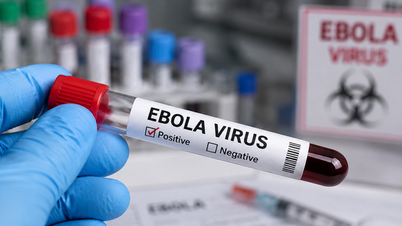
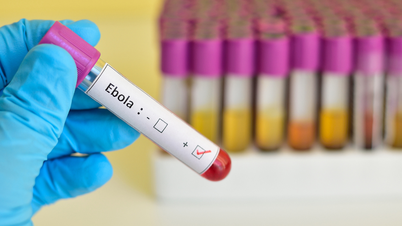
This is a rare strain of Ebola virus, and there is currently no licensed vaccine or treatment, making disease control more challenging than in previous outbreaks.
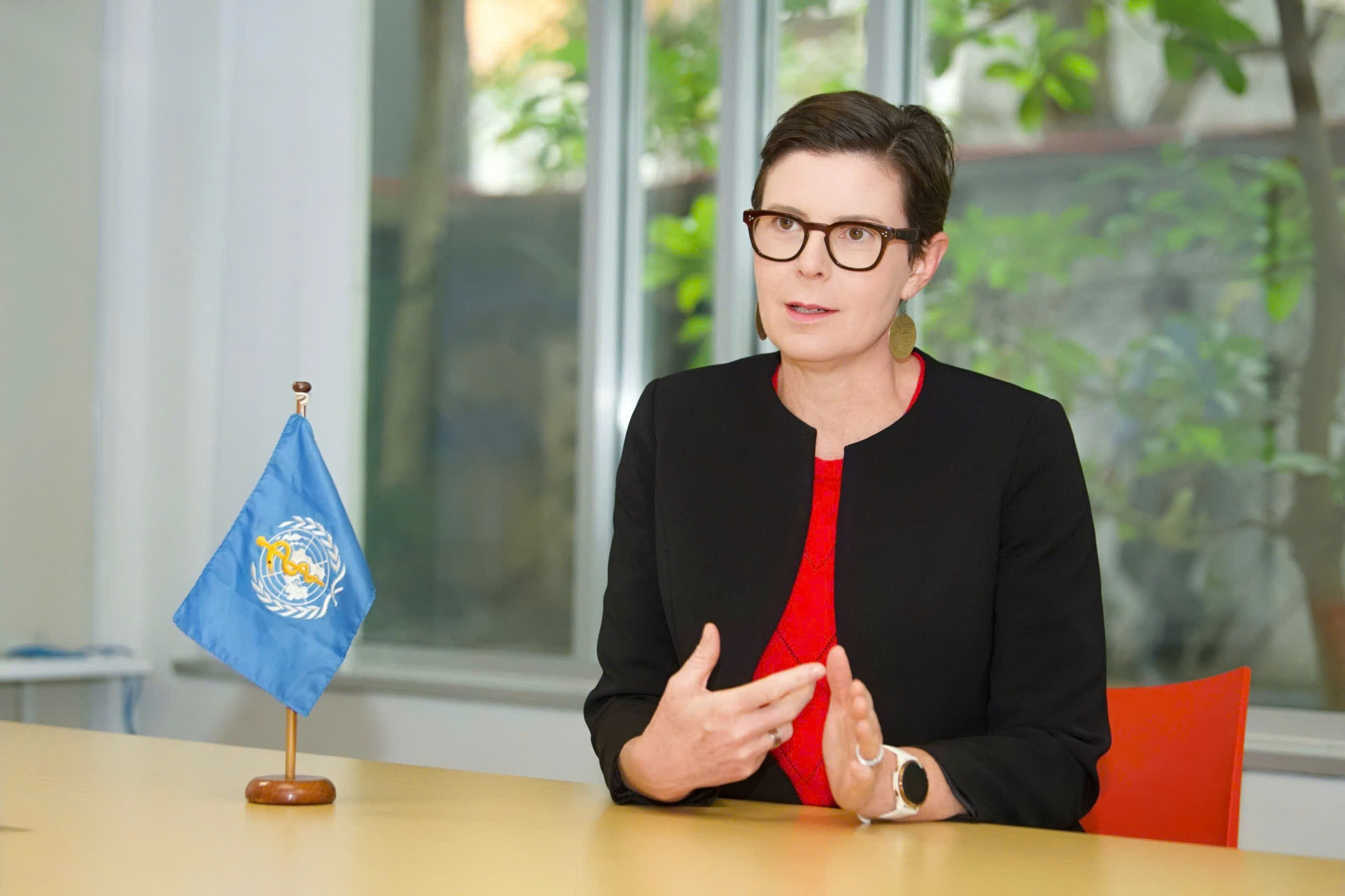 |
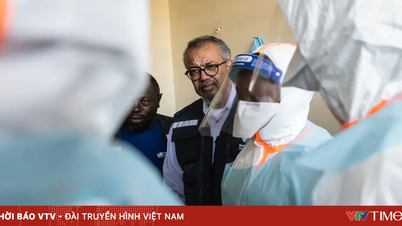
| Dr. Angela Pratt, Head of the World Health Organization's Representative Office in Vietnam, discusses the Ebola outbreak. |
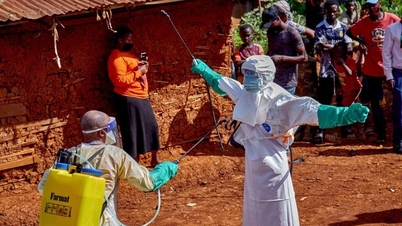
According to the WHO, as of May 21st, these two countries had recorded 85 confirmed cases and 10 deaths. In the Democratic Republic of Congo alone, there were 746 suspected cases and 176 deaths suspected to be related to Ebola, including healthcare workers. The WHO believes the actual scale of the outbreak may be even larger due to delayed detection and ongoing epidemiological investigations.
The WHO currently assesses the risk of disease spread as “very high” in Congo and Uganda, and “high” in the African region due to large-scale population mobility, social instability, and limitations in healthcare systems. However, globally, including Vietnam, the risk remains “low” and is not yet considered a pandemic.
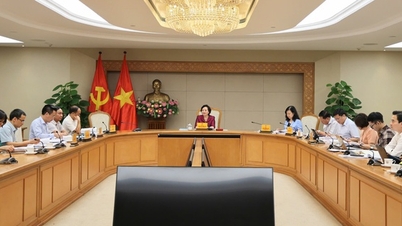
In response to the outbreak, the Vietnamese Ministry of Health has intensified risk communication to provide the public with official information on the Ebola situation and prevention measures. The WHO highly appreciates the proactive approach of the Ministry of Health and the urgent direction of the Vietnamese Government in preparing the system and response capacity.
Dr. Angela Pratt, Head of the World Health Organization's Representative Office in Vietnam, stated that current response priorities include strengthening surveillance, early detection of cases, contact tracing, infection prevention and control, expanding isolation and treatment capacity, and promoting community participation in epidemic prevention and control.
In Vietnam, the WHO Office is working closely with the Ministry of Health by updating disease information, advising on preparedness and response activities, and providing the latest technical guidance related to surveillance, contact tracing, testing, clinical management, infection control, and risk communication.
WHO also collaborated with the Ministry of Health to review and update technical guidelines on Ebola that had been developed since 2014, and supported the implementation of rapid risk assessments to guide disease prevention and control measures appropriate to the reality in Vietnam.
According to the WHO, although the risk of Ebola entering Vietnam is currently low, proactively assessing the risk and preparing early will help the health sector develop effective response measures based on scientific evidence and tailored to the actual situation.
In the coming period, WHO will continue to support the Ministry of Health in organizing intensive training courses for healthcare workers on surveillance, prevention, infection control, diagnosis, and clinical management of Ebola disease to enhance their capacity to respond should imported cases occur.
In an effort to find an urgent treatment solution, the WHO is considering using Obedesivir, an oral antiviral drug currently being tested to treat Covid-19, to prevent the risk of developing the disease in people who have been in contact with Ebola patients. The WHO considers this a promising method but believes it requires strict control during implementation.
Experts believe the current outbreak may have started about two months ago but was only recently discovered and reported. This makes controlling the outbreak much more difficult as the virus continues to spread.
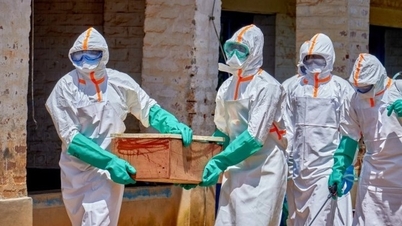
The Ebola virus is believed to be transmitted from fruit bats to humans. After an incubation period of 2-21 days, infected individuals may experience symptoms such as fever, muscle pain, and fatigue, which quickly progress to vomiting, diarrhea, liver failure, kidney failure, and severe bleeding. The virus spreads rapidly through direct contact with the blood and bodily fluids of infected individuals or the bodies of those who have died from Ebola.
Given the complex developments of the epidemic, the Vietnamese Ministry of Health has issued a warning to strengthen surveillance and proactively respond to the risk of Ebola entering the country. People returning from affected areas are advised to self-monitor their health for 21 days, while also remaining vigilant but not panicking.
In Hanoi, the Department of Health has instructed the city's Center for Disease Control and Prevention to proactively update and closely monitor the developments of the epidemic worldwide, while also strengthening surveillance of passengers entering and transiting from Congo and Uganda at Noi Bai International Airport to detect suspected cases early.
Hanoi's health sector also requested close coordination with relevant units to trace and monitor the health of cases with epidemiological risk factors, and to organize training for health quarantine staff on personal protective measures and handling disease outbreaks.
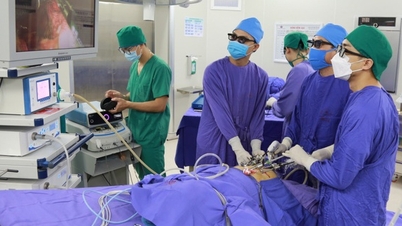
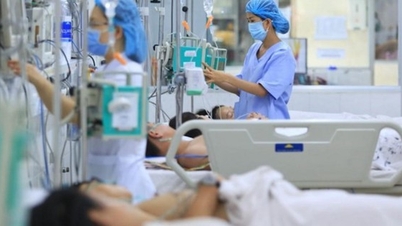
Healthcare facilities in the area are required to review isolation areas, prepare sufficient medicines, chemicals, supplies, and equipment for diagnosis and treatment, and be ready to admit, isolate, and treat patients if suspected cases appear.
According to the WHO, from April 24 to May 19, 2026, Congo and Uganda recorded more than 500 suspected cases of Ebola, including 130 deaths. On May 16, 2026, the WHO declared this a public health emergency of global concern under the International Health Regulations. To date, Vietnam has not recorded any cases of Ebola.
Source: https://baodautu.vn/who-danh-gia-nguy-co-ebola-xam-nhap-viet-nam-d603022.html















![[Photo] Reception to welcome General Secretary and President To Lam and his wife on their State visit to the Philippines](https://vphoto.vietnam.vn/thumb/1200x675/vietnam/resource/IMAGE/2026/06/01/1780295488620_vna-potal-chieu-dai-chao-mung-tong-bi-thu-chu-tich-nuoc-to-lam-va-phu-nhan-tham-cap-nha-nuoc-toi-philippines-8798060-7855-jpg.webp)























































Comment (0)