

Activate the "shield" from the initial screening stage.
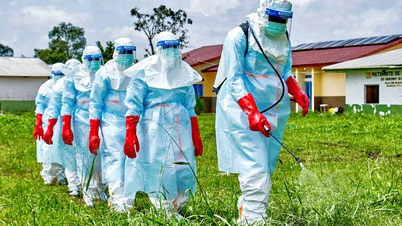
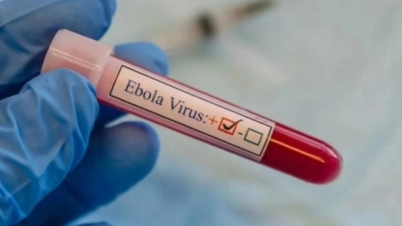
Amidst the ongoing Ebola virus outbreak in several African countries, Vietnam's health sector is proactively implementing response measures to prevent the risk of the disease entering the country. At Bach Mai Hospital, one of the largest tertiary healthcare facilities in the country, preparations have been activated with a proactive and ready but calm approach.
According to experts, Vietnam has not yet recorded any cases of Ebola. However, with the strong development of international exchange, tourism , and trade, the risk of disease entering the country via air travel or cross-border travel is always present.
The worrying aspect is that the initial symptoms of Ebola are easily confused with many other common illnesses. Patients may only experience fever, headache, muscle aches, fatigue, nausea, or diarrhea, similar to the flu, dengue fever, malaria, or other common bacterial infections. Therefore, early identification of suspected cases is crucial in epidemic prevention and control.
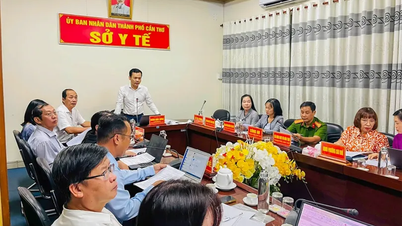
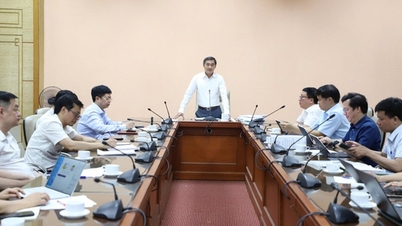
The Board of Directors of Bach Mai Hospital has requested all units to review their Ebola prevention and control plans, strengthen monitoring of suspected cases, and pay particular attention to gathering epidemiological information within the 21 days prior to the onset of the disease.
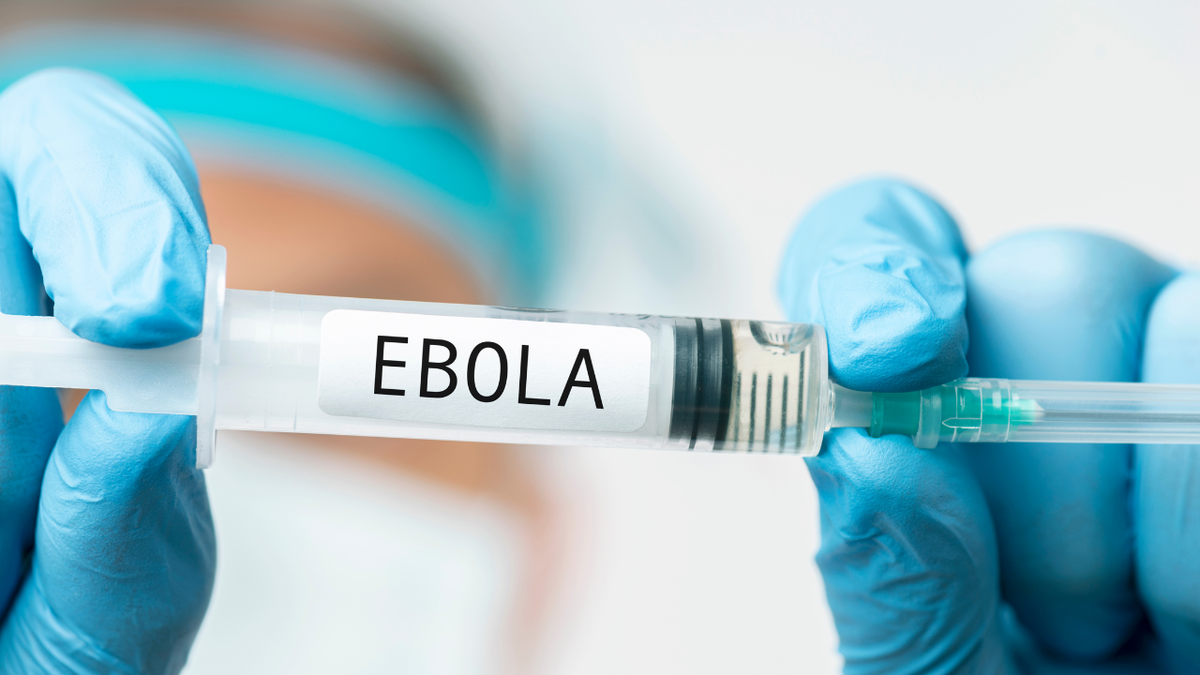
Activate a "shield" starting with initial screening to limit the spread of Ebola.
According to Dr. Doan Thu Tra, Acting Director of the Bach Mai Institute of Tropical Medicine, Ebola has an incubation period of 2 to 21 days. During the asymptomatic phase, infected individuals are not capable of transmitting the virus. However, once the disease develops, the virus can be transmitted through blood and bodily fluids.
The biggest challenge in detecting Ebola is that the initial symptoms are highly nonspecific. If healthcare workers do not thoroughly investigate the epidemiological factors, cases can be completely missed at the initial admission stage.
"In the early stages of Ebola, patients often only experience fever, headache, muscle pain, fatigue, or diarrhea. For Ebola, sometimes the right question is far more important than many subsequent tests," emphasized Dr. Doan Thu Tra.
Therefore, healthcare workers need to develop the reflex to ask about travel history, contact with affected areas, or risk factors as soon as patients come for examination. This is considered "key" to early risk identification and implementation of appropriate protective measures.
The crucial timeframe determines the effectiveness of epidemic control.
According to MSc. Nguyen Quoc Thai, Deputy Head of the Department of General Infectious Diseases, Institute of Tropical Medicine, Bach Mai Hospital, the "first two minutes" in the screening area are especially important in identifying suspected cases.
With just a few brief questions about symptoms and epidemiological factors in the previous 21 days, healthcare workers can assess the risk and immediately activate protective measures for themselves and those around them.
Based on experience in responding to dangerous epidemics around the world , experts recommend the "2-5-30" principle: 2 minutes to gather symptoms and epidemiological factors; 5 minutes for temporary isolation; and the first 30 minutes to activate the entire response system, control infection, and report according to regulations .

Thirty minutes is the crucial period that determines the effectiveness of epidemic control.
This period is considered the "golden 30 minutes" for preventing the spread of infection right from the hospital entrance. If missed, the risk of exposure for healthcare workers and other patients can increase significantly.
In the fight against Ebola, infection control is identified as the most important line of defense. Dr. Truong Anh Thu, Head of the Infection Control Department at Bach Mai Hospital, stated that all suspected cases must be handled according to the principle of "Detection – Isolation – Notification".
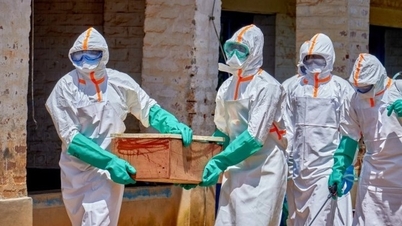
Upon identifying a suspected patient, the patient must be isolated from crowded areas, healthcare workers must use full personal protective equipment, and infection control procedures must be activated to prevent the risk of spreading infection within the hospital.
In addition, strict adherence to procedures for the use of personal protective equipment, handling of medical waste, environmental disinfection, and patient transportation is essential.
Source: https://phunuvietnam.vn/nguyen-tac-2-5-30-ngan-ebola-lay-lan-238260601145447082.htm





























![[Photo] Reception to welcome General Secretary and President To Lam and his wife on their State visit to the Philippines](https://vphoto.vietnam.vn/thumb/1200x675/vietnam/resource/IMAGE/2026/06/01/1780295488620_vna-potal-chieu-dai-chao-mung-tong-bi-thu-chu-tich-nuoc-to-lam-va-phu-nhan-tham-cap-nha-nuoc-toi-philippines-8798060-7855-jpg.webp)








































































Comment (0)