

1. The effects of MSG (monosodium glutamate)
- 1. The effects of MSG (monosodium glutamate)
- 2. Specific usage instructions and dosage
- 3. Who should not eat vegetables with MSG?
Chaya spinach (also known as Japanese papaya spinach or Lao spinach) is a leafy vegetable native to Mexico, recently introduced to Vietnam. It's called "MSG spinach" because when cooked in soup, the leaves release a naturally sweet and savory flavor, similar to that of MSG (monosodium glutamate).
Thanks to its high content of protein, iron, calcium, vitamins A and C (many times higher than common vegetables), and antioxidants, water spinach offers many benefits:
Supports blood sugar and blood pressure regulation: The potassium content and phenolic compounds help stabilize blood pressure, support blood sugar control for people with diabetes, and reduce bad cholesterol.
Good for bones, joints, and liver: Rich in calcium, magnesium, and vitamin K, which help strengthen bones and prevent osteoporosis. Antioxidants help protect liver cells and reduce metabolic burden.
Boosts immunity and improves blood health: Abundant amounts of vitamin C and iron help the body fight infections and prevent anemia.
Digestive support: Rich in fiber, helps promote bowel regularity and cleanse the intestines.
Supports increased milk production: Beneficial for postpartum women who are breastfeeding.
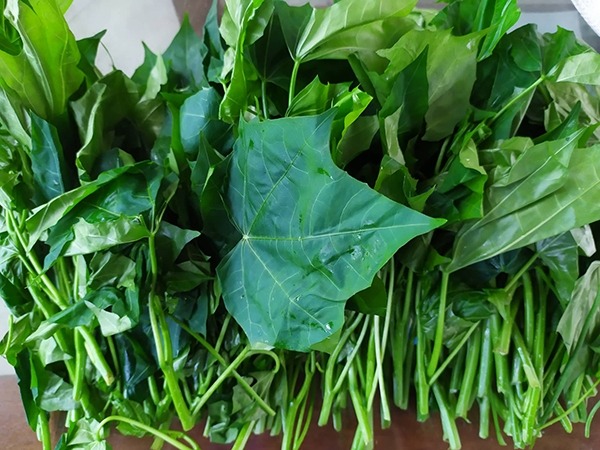
The MSG plant has many health benefits.
Note: MSG (monosodium glutamate) contains natural toxins and should absolutely not be eaten raw. The fresh leaves of this plant contain cyanogenic glycosides (a type of cyanide-releasing toxin, similar to that found in fresh bamboo shoots or wild cassava). Eating it raw or undercooked can easily lead to poisoning, stomach irritation, nausea, or diarrhea.
2. Specific usage instructions and dosage
To use MSG-rich vegetables safely and absorb the maximum nutrients, you need to follow these mandatory processing procedures:
Pre-processing and detoxification procedures (mandatory)
When harvesting: The stems of the MSG plant have small thorns and white sap that can easily cause skin irritation and itching... therefore, gloves should be worn when harvesting and washing the plant.
Boiling to remove toxins: Place vegetables in a pot of boiling water and boil continuously for 15-20 minutes.
Keep the lid open while cooking: Throughout the boiling process, you must keep the lid open so that toxins (volatile cyanide compounds) can escape with the steam.
Handling the boiling water: Discard the first batch of boiling water if you only want to eat the leaves safely.
Processing method after detoxification
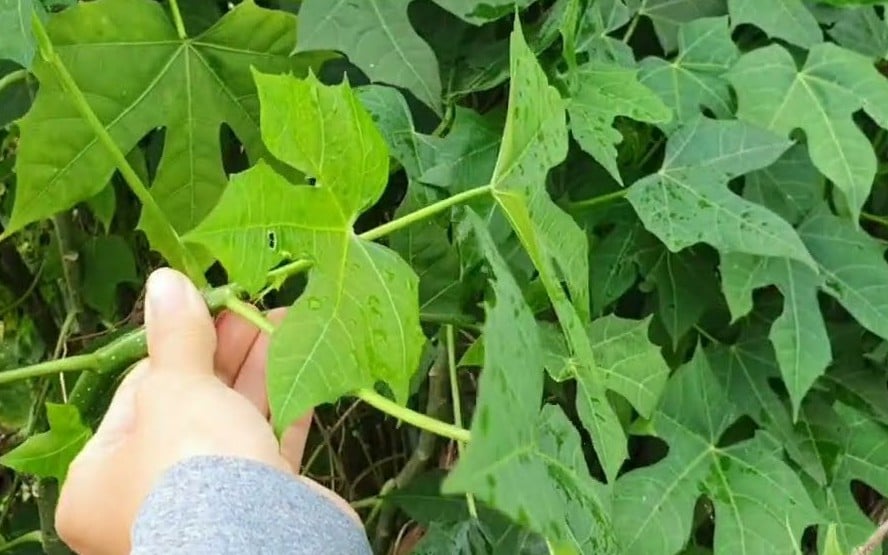
After boiling the vegetables thoroughly for 15-20 minutes to completely remove toxins, drain them and they can be used to prepare delicious dishes:
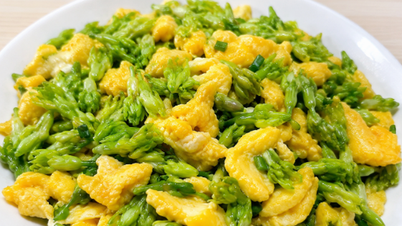
Sauté garlic, meat, or eggs: Stir-fry quickly over high heat with oil/butter and seasonings.
For making soups and stews: Chop the blanched leaves finely and use them in chicken soup, vegetable soup, or meat stews (this vegetable tolerates heat well and doesn't become mushy when simmered for a long time).
Recommended dosage: Since this is a leafy vegetable, there is no fixed "prescription" dosage like with medicine. However, you should only eat 50g – 100g of fresh (cooked) vegetables per day. It's best to eat it 2–3 times a week, not continuously for a whole month, to avoid accumulating unnecessary substances or causing nutritional imbalances.
3. Who should not eat vegetables with MSG?
People with a history of kidney stones : Vegetables containing MSG have a relatively high content of oxalates, and consuming them in large quantities can easily lead to stone formation.
Pregnant women: Although beneficial for postpartum mothers, this vegetable may worsen pregnancy-related constipation or cause unnecessary irritation for pregnant women.
People with overly sensitive digestive systems: Eating too much may cause heartburn and nausea.
Source: https://suckhoedoisong.vn/cay-rau-mi-chinh-co-tac-dung-gi-169260601095604565.htm






















![[Photo] Reception to welcome General Secretary and President To Lam and his wife on their State visit to the Philippines](https://vphoto.vietnam.vn/thumb/1200x675/vietnam/resource/IMAGE/2026/06/01/1780295488620_vna-potal-chieu-dai-chao-mung-tong-bi-thu-chu-tich-nuoc-to-lam-va-phu-nhan-tham-cap-nha-nuoc-toi-philippines-8798060-7855-jpg.webp)

































































Comment (0)