


Prioritize whole grains.
Whole grains contain more natural fiber than refined grains. You can replace white bread with whole-wheat bread, use quinoa instead of white rice, or choose whole-wheat pasta.
Eat a variety of colorful fruits and vegetables.
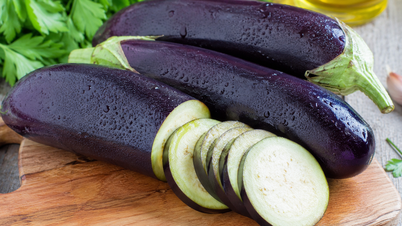
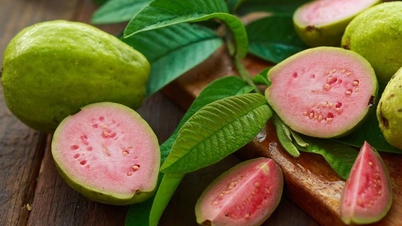
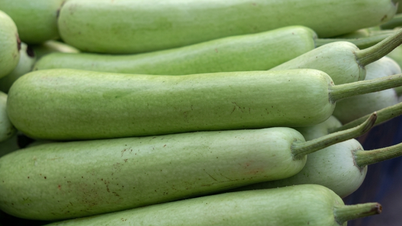
Colorful fruits and vegetables are often rich in fiber and beneficial nutrients.
Keep the packaging intact whenever possible.
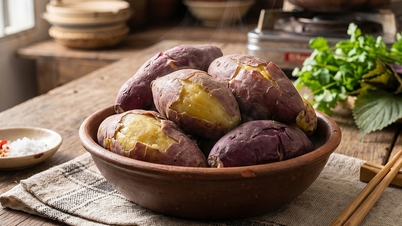
The peels of apples, sweet potatoes, and many other vegetables contain a significant amount of fiber. Therefore, peeling should be avoided if the food has already been washed thoroughly.
Add beans to your meals.
Lentils, green beans, peas, or chickpeas are both fiber-rich and high in protein. You can add them to salads, soups, or stews.
Read nutrition labels.
When buying packaged foods, pay attention to the fiber content on the nutrition label. Products that provide approximately 2-3 grams of fiber per serving are a good choice.
Drink enough water.
When you increase your fiber intake, your body also needs more water to support digestion. Adding fiber without drinking enough water can cause bloating or intestinal discomfort.
Source: https://baoquangninh.vn/cach-bo-sung-chat-xo-vao-che-do-an-uong-hang-ngay-3409359.html








































































































Comment (0)