

Focus on questioning the "hot" issues.
The 2021-2026 term marked many outstanding innovations in the supervisory activities of the Hanoi City People's Council. From the parliamentary chamber to the grassroots level, the spirit of selecting "right and relevant" issues, focusing on pressing social issues, and pursuing the responsibility of implementation to the end has left a clear mark on the capital's elected body.
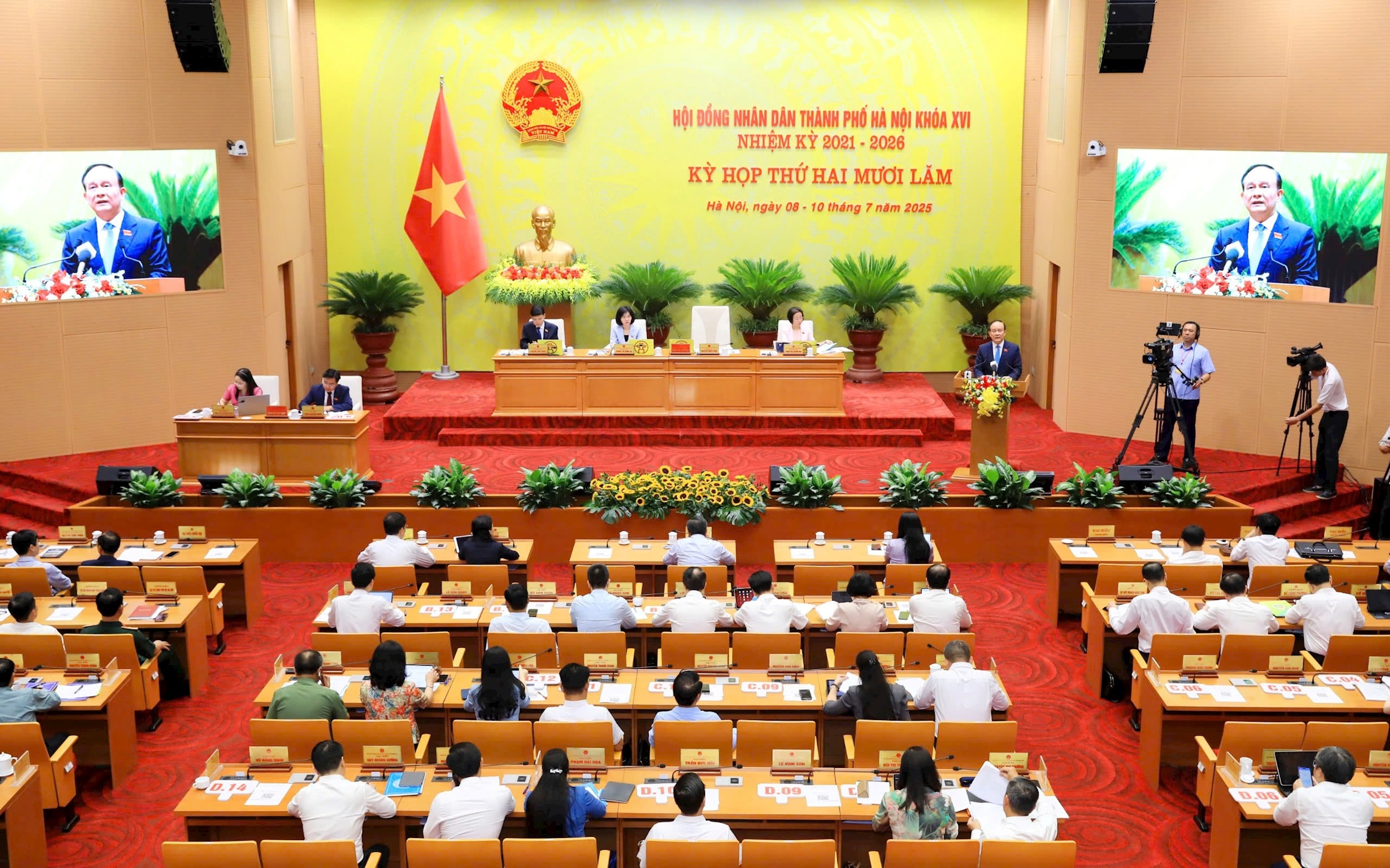
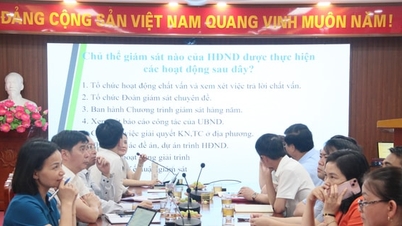
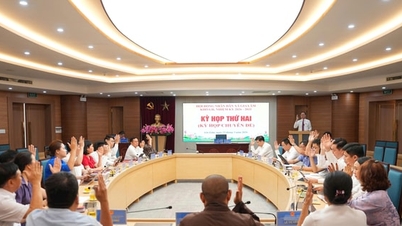
Among the various forms of supervision, direct supervision during sessions through questioning and answering questions is a highlight. During the 2021-2026 term, the City People's Council held 8 questioning sessions covering many "hot" issues that directly impact people's lives and the development of the capital city, such as: COVID-19 prevention and control; progress of investment projects; management and use of state-owned land and housing; environmental protection and wastewater treatment; administrative discipline and order; food safety, etc.
The topics for questioning were carefully selected from real-life situations, voter feedback, and public opinion. To ensure that the questioning was "accurate and relevant," the Standing Committee of the City People's Council directed the committees of the City People's Council to conduct on-site surveys and review the implementation of previous commitments in order to continue questioning those issues that were slow or had not met the requirements.
A notable innovation in the questioning sessions of the 2021-2026 term is that the questioning time at regular sessions has been increased to one day instead of half a day. Nearly half of the time is dedicated to re-questioning issues that were promised but have been slow to implement. This demonstrates the City People's Council's commitment to pursuing and resolving issues to the very end.
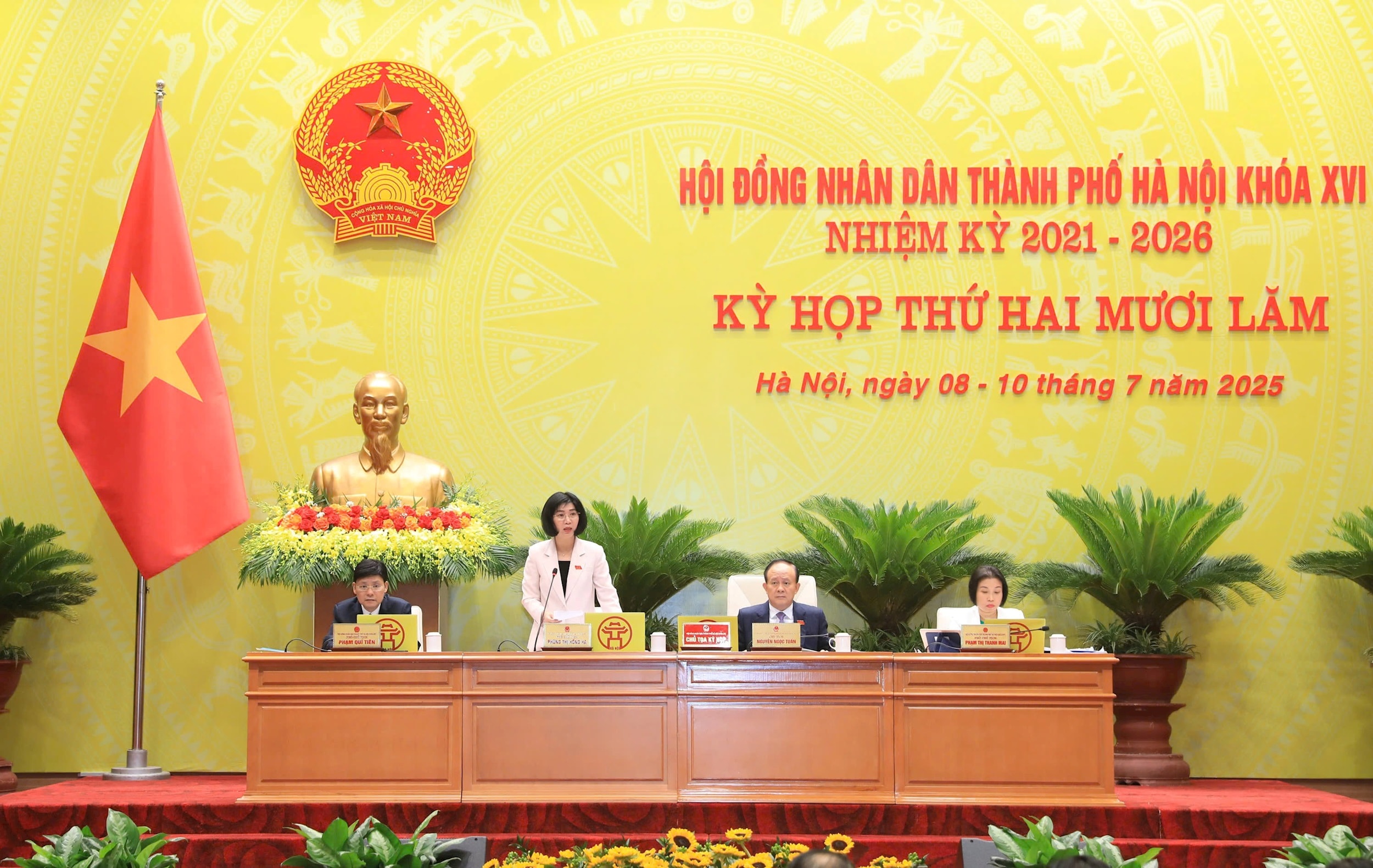
In particular, since the end of 2022, the City People's Council has closely followed the supervisory activity guide, Resolution No. 594/NQ-UBTVQH15. After each question-and-answer session, the City People's Council issues a resolution instead of the chairman's conclusion. In this resolution, each specific task is clearly outlined with commitments and promises regarding the progress of completion from the city's leaders and heads of departments and units.
This helps to increase the legal basis, creating a foundation for agencies and units to seriously fulfill their commitments, while also enhancing the effectiveness of the People's Council's oversight. Based on this, the city's People's Council representatives will continue to monitor and supervise the progress of implementation.
The implementation of Resolution No. 594/NQ-UBTVQH15 of the Standing Committee of the National Assembly is considered an important step, contributing to improving the effectiveness and efficiency of supervision and increasing the substantiveness of questioning and accountability activities.
Gradually removing bottlenecks.
Through monitoring the implementation of promises and commitments by the City People's Committee and departments, over 90% of the issues raised during questioning have been addressed with concrete results. Many long-standing problems have been gradually resolved, especially in the areas of slow-progressing projects, administrative reform, urban environment, wastewater treatment, land management, and public service discipline.
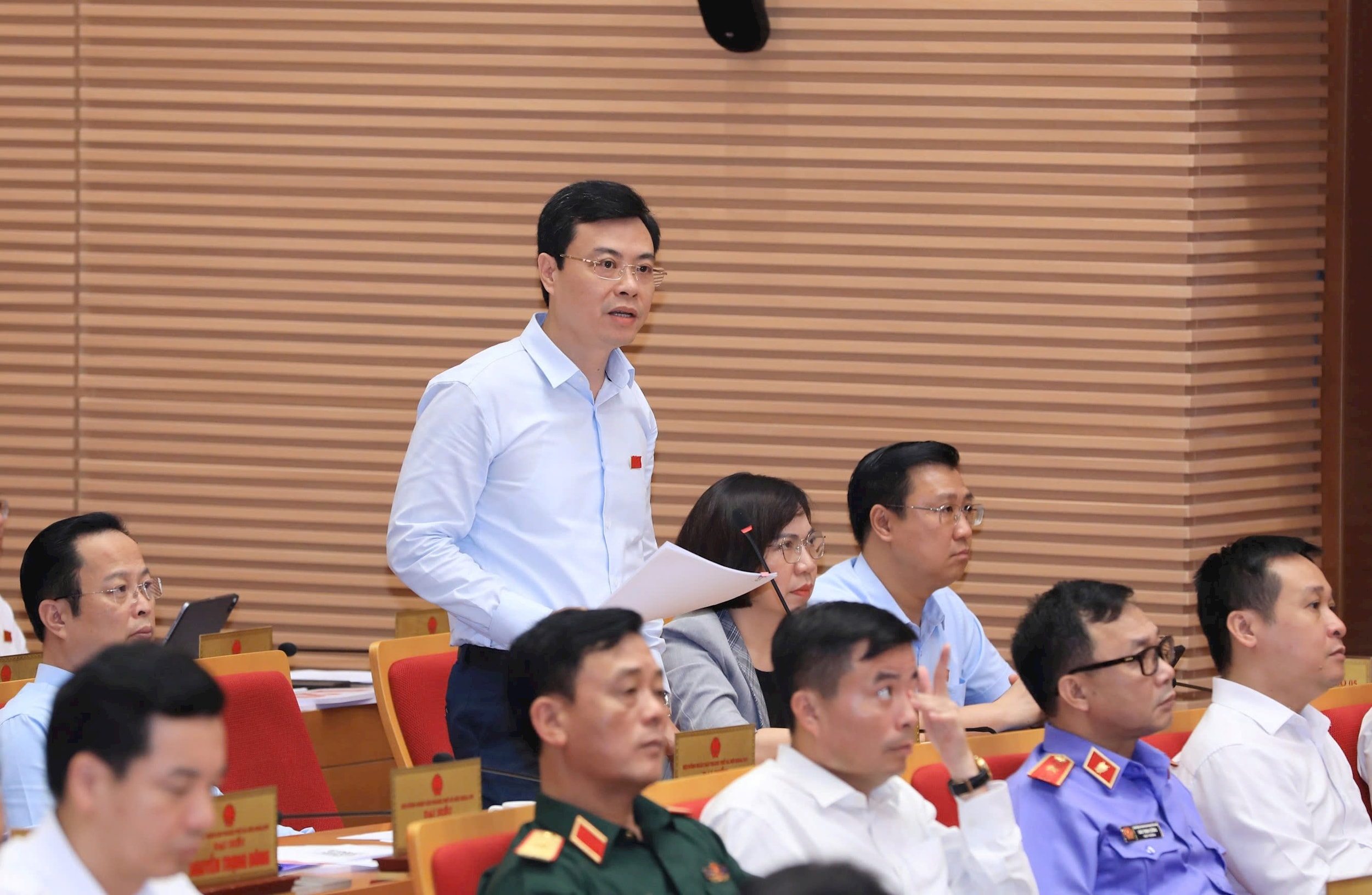
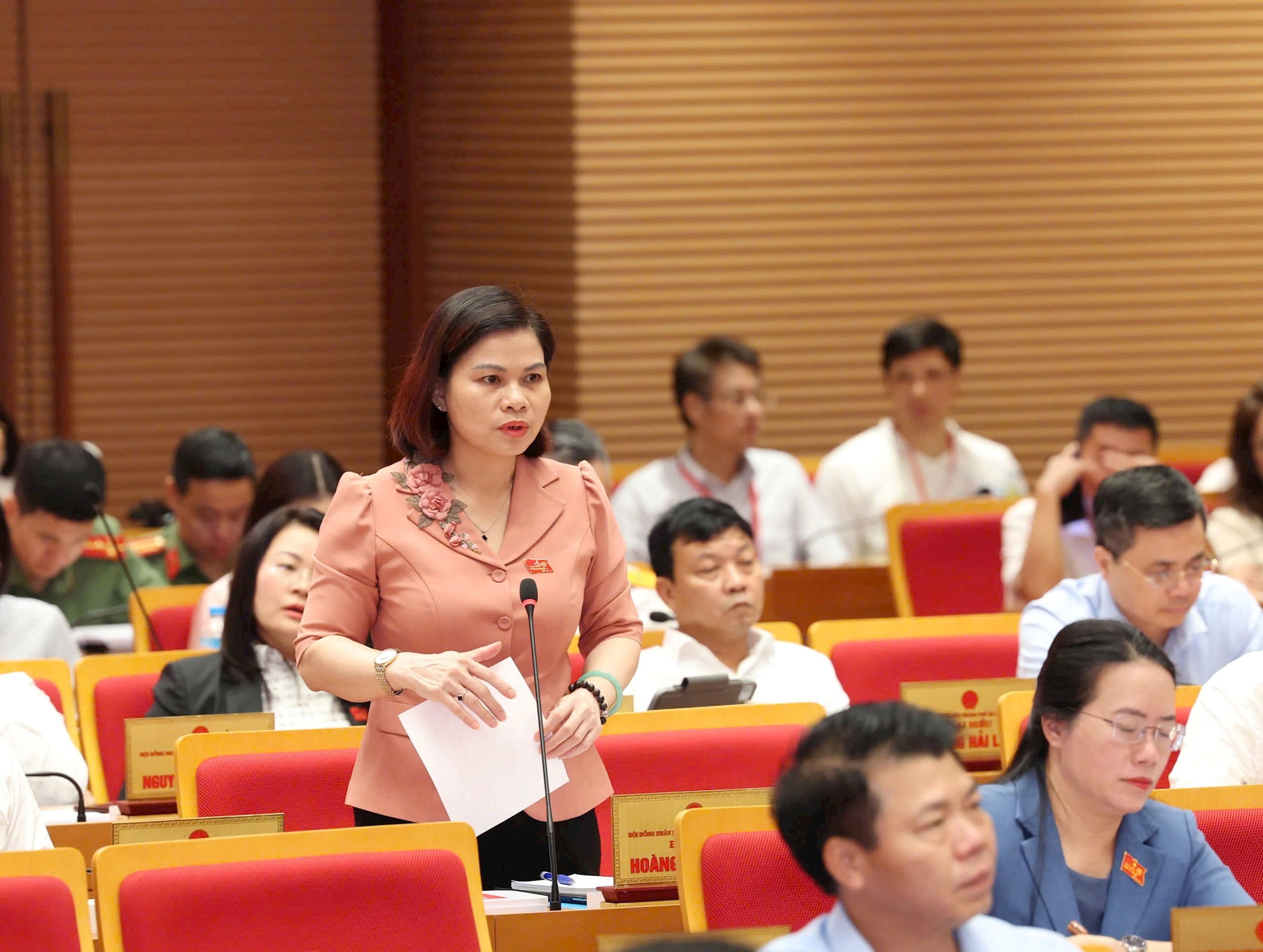
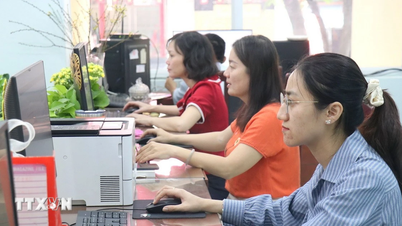
Not only at the city level, but also at the former district and commune-level People's Councils, there have been many innovations. Before July 1, 2025, district-level People's Councils held 253 questioning sessions with 1,381 issues; commune-level People's Councils held 2,737 questioning sessions with 5,014 issues. After July 1, 2025, commune and ward People's Councils will continue to hold more than 60 questioning sessions with over 170 issues, mainly focusing on pressing social issues in the locality.
It can be said that the questioning session at the council meetings is a very effective method of supervision by the People's Councils at all levels of the city, and a highlight of the People's Council meetings in the past term. The results of the questioning sessions have shown that the issues selected by the City People's Council for questioning are "spot-on and correct," important, practical, have a significant impact, and are appropriate to the realities facing the city, meeting the aspirations and expectations of voters and the people of Hanoi.
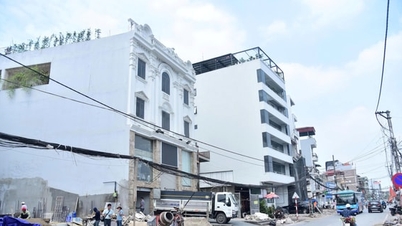
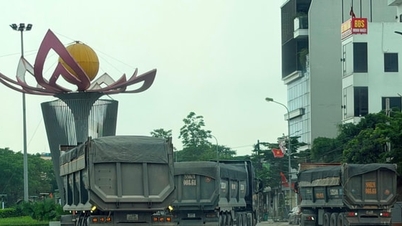
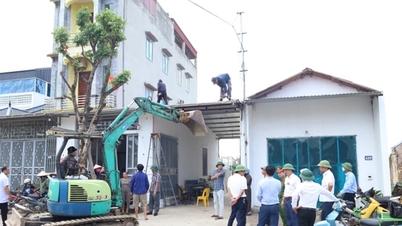
Alongside the questioning sessions, the thematic supervision work of the People's Council, its Standing Committee, committees, and delegate groups continues to be strengthened in a substantive manner. Since the beginning of the term, hundreds of thematic supervision sessions have been conducted, focusing on key and prominent areas such as: management of public assets (land and buildings owned by the State); environmental protection and wastewater treatment; administrative reform linked to digital transformation; implementation of administrative discipline and order; slow-progressing land-use projects; solid waste treatment at the Soc Son Waste Treatment Complex; urban transportation; food safety, etc.
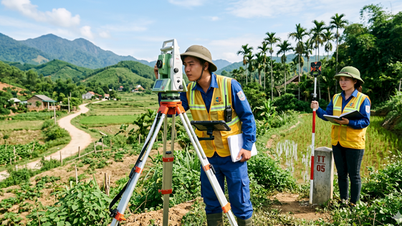
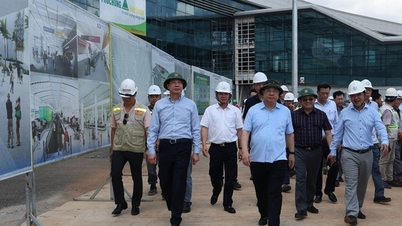
The monitoring methods have been significantly reformed towards a "on-site inspection" approach, increasing practical surveys and reducing formal reports. Monitoring teams focus on verifying actual results, clearly identifying the responsibilities of each agency and unit; recommendations made after monitoring are linked to implementation progress and are followed up and re-monitored if implementation is delayed.
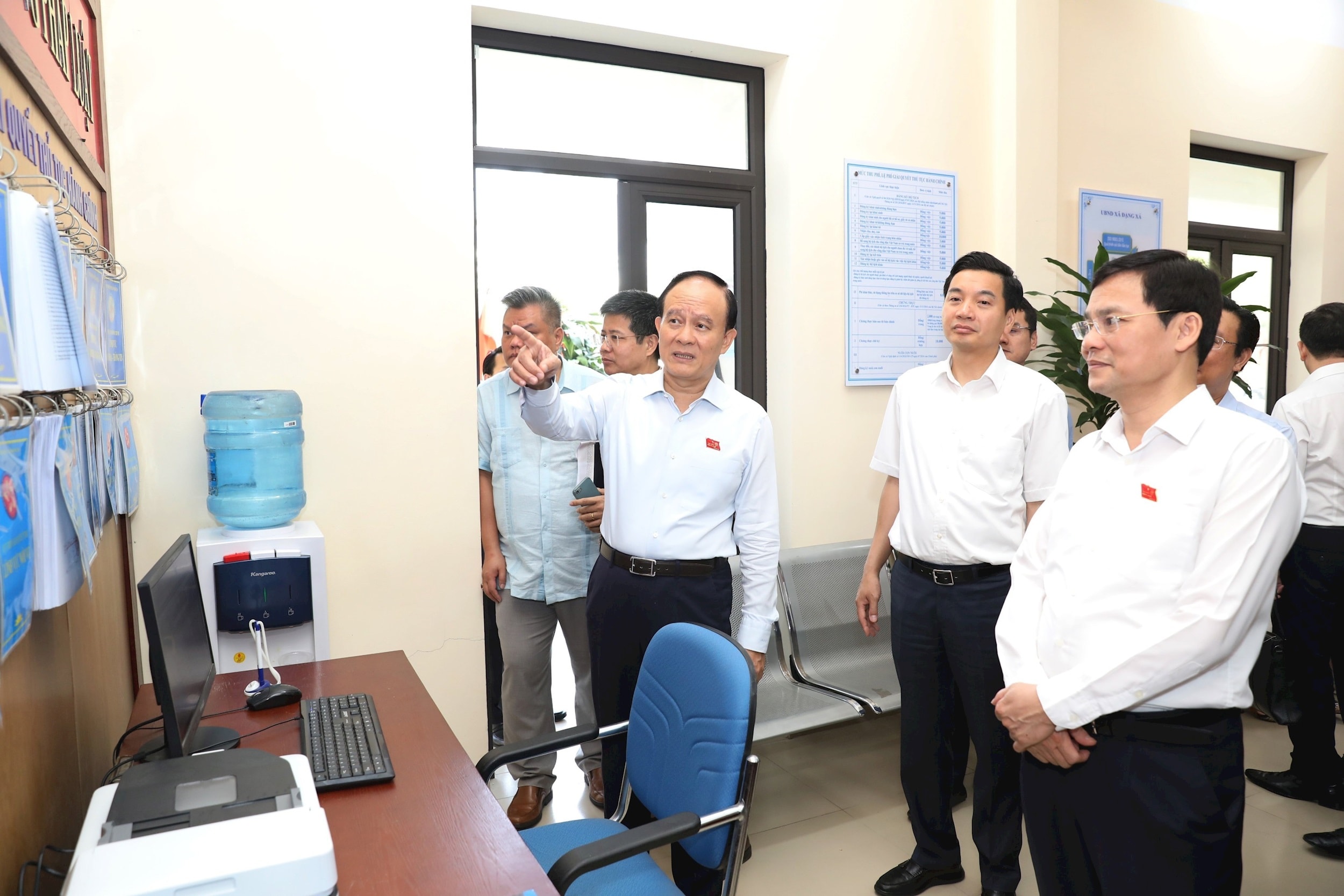
Many re-inspections have proven highly effective, especially for slow-moving projects, administrative reforms, and public service discipline, helping to resolve many long-standing bottlenecks.
The entire city had 1,319 recommendations following city-level supervision, with a resolution rate exceeding 93%; the former district level had over 14,200 recommendations with a resolution rate exceeding 91%; and the commune level had nearly 19,600 recommendations with a resolution rate exceeding 89%.
Furthermore, the 2021-2026 term marked a significant impact on the role of the Standing Committee of the City People's Council through the organization of question-and-answer sessions. During this term, the Standing Committee of the City People's Council organized 7 explanatory sessions on many pressing issues, such as: infrastructure investment in urban areas and housing complexes; construction of public schools meeting national standards; planning and management of land, and construction order in riverside and dike areas…
At the former district level, before July 1, 2025, the Standing Committees of the People's Councils of districts, towns, and cities held 110 questioning sessions and 152 explanation sessions; the Standing Committees of the People's Councils of communes held 603 questioning sessions and 768 explanation sessions. After July 1, 2025, the People's Councils of communes and wards will continue to hold more than 40 questioning sessions and more than 50 explanation sessions with hundreds of issues directly related to people's lives.
Through the questioning and explanation sessions, many existing issues have been acknowledged by departments, agencies, and localities, with commitments to address and implement them according to regulations.
These results show that the supervisory activities of the Hanoi City People's Council for the 2021-2026 term are becoming increasingly substantive, clearly demonstrating its role as a representative body of the people's will and aspirations; at the same time, contributing to improving the effectiveness and efficiency of state management, promoting socio-economic development, and strengthening the trust of voters and the people of the capital city.
Source: https://hanoimoi.vn/giam-sat-dung-va-trung-theo-duoi-den-cung-van-de-dan-sinh-buc-xuc-929638.html

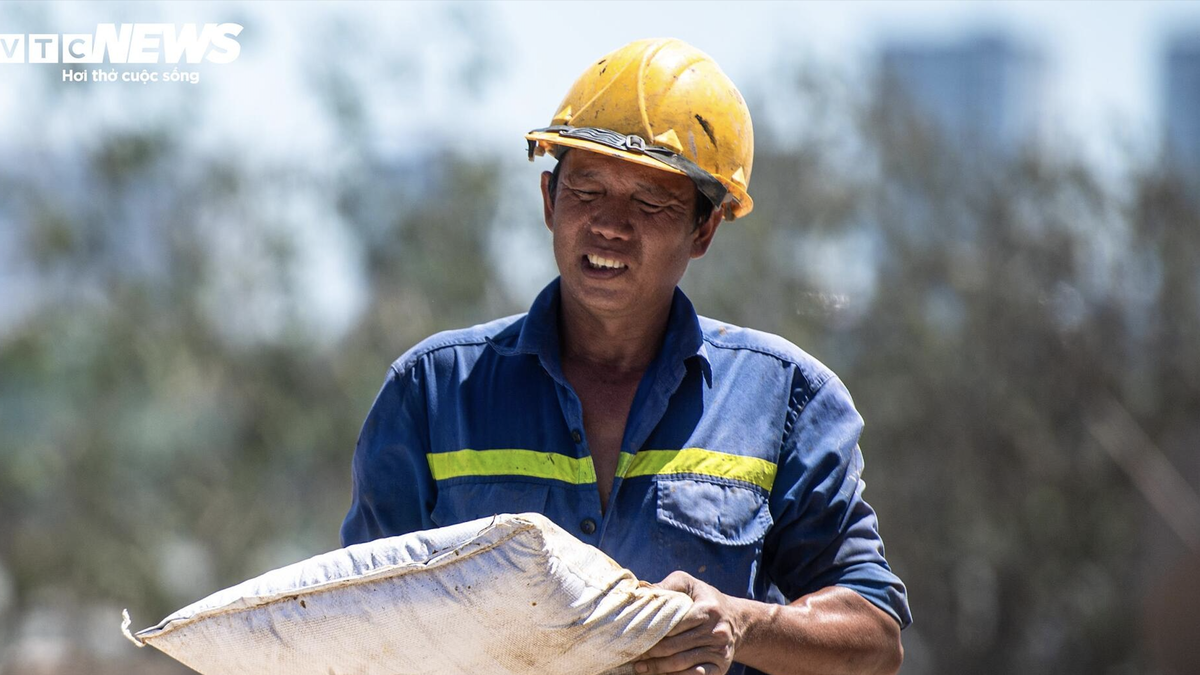
![[Image] Hanoi's urban life under the challenge of a "scorching hot" environment](https://vphoto.vietnam.vn/thumb/1200x675/vietnam/resource/IMAGE/2026/05/25/1779706979265_nang-nong-t5-2026-minh-duy-7-4636-jpg.webp)
![[Image] Close-up view of the interchange connecting the two expressways and Long Thanh Airport.](https://vphoto.vietnam.vn/thumb/1200x675/vietnam/resource/IMAGE/2026/05/25/1779703378210_ndo_br_z7863716673926-224453a31600126cce10622af6290afd-4549-jpg.webp)









































































Comment (0)