

 |
Mako Nishimura in Gifu (Japan) in 2025. |
For nearly 40 years, Mako Nishimura never lost a fight. She recounts this as a matter of course. Nishimura is only about 1.5 meters tall, a petite figure, but she is perhaps the only woman to have ever become a true yakuza – a member of Japan's notoriously violent and lawless underworld .
How did she manage to defeat the male gangsters?
“Hit him in the legs first. Use a stick or a plank to knock him down, then continue,” she calmly told The Guardian.
An "exception" to the world of yakuza
It was Nishimura's stubbornness that brought her to the attention of the yakuza in 1986, when she was just 19 years old, having run away from home and spent time in a juvenile detention center in Gifu, near Nagoya.
One night, his pregnant friend Aya called for help. Nishimura rushed over with a baseball bat and found Aya surrounded by five men. When one of them kicked Aya in the stomach, Nishimura yelled for his friend to run and then attacked the whole group. By the time the police arrived, the attackers were covered in blood, and Nishimura had disappeared.
Shortly afterward, a member of the Inagawa-kai—one of Japan's largest yakuza organizations—tried to recruit her. At that time, Nishimura had joined the Worst gang, a group that engaged in street racing and robbery, dressed like kamikaze pilots.
She also began to delve deeper into crime: running a prostitution ring, extorting local businesses, and selling and using methamphetamine.
Although she initially rejected the Inagawa-kai, the yakuza life appealed to Nishimura because it offered money, respect, and a sense of security. At age 20, she performed the sakazuki ritual—drinking sake to officially join the Sugino gang of Ryochi Sugino, a convicted murderer with a unique charisma.
She quickly became an "exception" in the male-dominated world of the yakuza. Some men mocked her for being a woman, but they also appreciated the money she earned from prostitution and drugs.
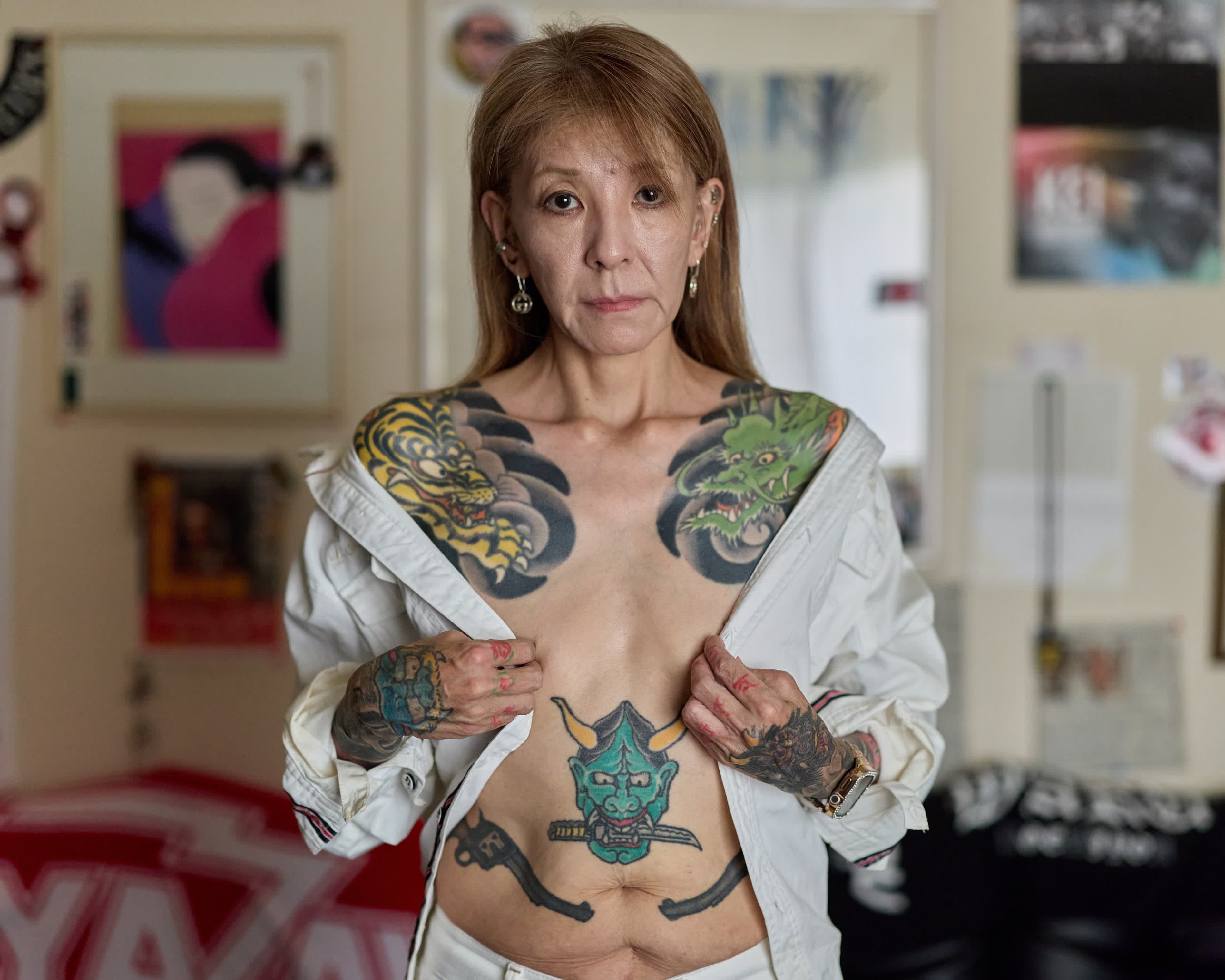 |
Nishimura was recruited by yakuza gangs because of his criminal record. |
At that time, the yakuza were at their peak. Unlike many other criminal organizations, they were not considered a marginal force in society. The yakuza had their own registered offices, logos, operated like businesses, and had cultivated an image of "patriotic criminals," claiming ties to the samurai class of the feudal era.
When Japan's economic bubble burst in the early 1990s and a series of scandals exposed the ties between organized crime and politics , public opinion increasingly demanded that the police crack down on the yakuza. After years of stricter laws and competition from technologically advanced international criminal gangs, the yakuza are now seen as a relic of the past.
Nishimura is no longer a yakuza member. She lives in a small apartment near Gifu train station, surrounded by potted plants and photos of her two sons—whom she can mostly only watch from afar because of her criminal past and drug addiction. At 59, Nishimura still bears the clear marks of her gangster days: tattoos covering her neck, hands, and a missing little finger on her left hand.
Nishimura also admitted to feeling ashamed of her decades of crime—much of it targeting women—and is seeking redemption. She writes memoirs about her life as a yakuza member and works for an organization that helps former members leave the gang.
"The Child of the Devil"
From a young age, Nishimura was fascinated by yakuza films with their characters who lived by the principle of "protecting the weak and fighting the strong." For her, that meant rebelling against her strict father. According to Nishimura, her father often beat his children for minor mistakes such as poor grades or sitting in the wrong posture.
At age 14, Nishimura started smoking, skipping school, and running away from home. When she dyed her hair blonde, her father became so enraged that he shaved her head bald.
From then on, Nishimura lived a nomadic life, sleeping in her car or under the eaves of temples. She changed her name to Mako – meaning "child of the devil" – and began tattooing herself. Some of the tattoos she did herself using a hand-held needle.
When her mother, Hiroko, learned that her daughter had become a yakuza member, she went all the way to the gang's headquarters in Gifu to plead with the boss: "Please take care of my daughter." But Nishimura felt at that moment that she had finally found "true family."
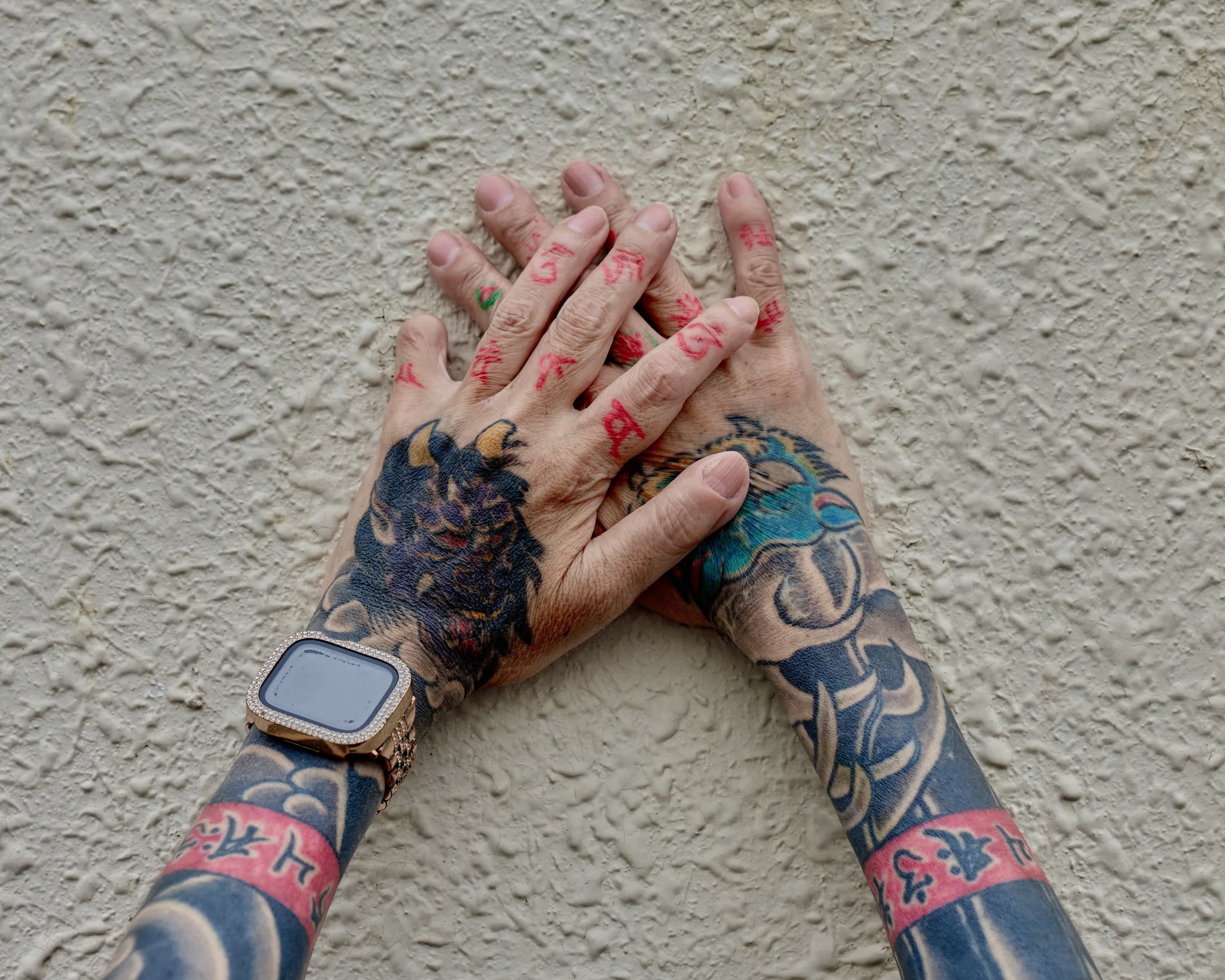 |
Nishimura once had to cut off part of his little finger after being caught using drugs. |
In her early years with the Sugino gang, she had to do all sorts of jobs like cooking, cleaning, working as a receptionist, or walking the boss's dogs. Simultaneously, she learned how to extort money from businesses and build money-making networks.
One of the yakuza's biggest sources of income was prostitution. Nishimura used to bring women to Watakano – an island known as the "prostitution island." According to her memoirs, on one occasion, a drug-addicted girl named Reiko escaped before being brought to the island. Nishimura tracked her to Osaka and hired people to bring her back.
Years later, Nishimura met Reiko again. She had paid off her debts, but her eyes were vacant and she no longer recognized Nishimura. Nishimura admitted her role in the tragedy, but also said, "If you're a yakuza member, you can't climb the ladder without doing these kinds of bad things."
Drugs, prisons, and the decline of the yakuza.
Nishimura was known for her fearlessness, to the point that many called her "the little man." But as power and money increased, her personal life also began to fall apart. Nishimura became a heavy methamphetamine addict, frequently associating with gangsters in her small apartment to inject drugs.
When mob boss Sugino found out, he forced Nishimura to apologize in the yakuza style: cutting off her little finger. She used a short sword to cut off her finger and then brought the severed part to the mob boss. Later, many other yakuza sought her out to perform this act for them.
Nishimura was later arrested for drug possession and sentenced to 2.5 years in prison. In 1990, upon her release at the age of 24, she was greeted by a line of yakuza members waiting outside the prison gates. But by then, the yakuza world was also beginning to decline.
After Japan's economic bubble burst in the early 1990s, a series of scandals exposing the ties between the yakuza and politicians turned public opinion against the gangs. The Japanese parliament subsequently enacted anti-yakuza laws, allowing for the seizure of assets and restrictions on their financial activities.
From a peak of over 184,000 members in the 1960s, the yakuza's numbers declined sharply. Foreign gangs began to encroach on the drug and prostitution markets.
The mother wants to atone for her mistakes.
At age 29, Nishimura became pregnant with a yakuza member from a rival gang. Motherhood changed her almost overnight.
"I never thought I would die for anyone. But when I had children, I thought I might," she said.
Nishimura tried to quit drugs, cut ties with the gang, and live a normal life. But with her body covered in tattoos and her missing finger, Nishimura could barely find stable work. Eventually, she returned to her old ways: running a massage parlor and dealing methamphetamine.
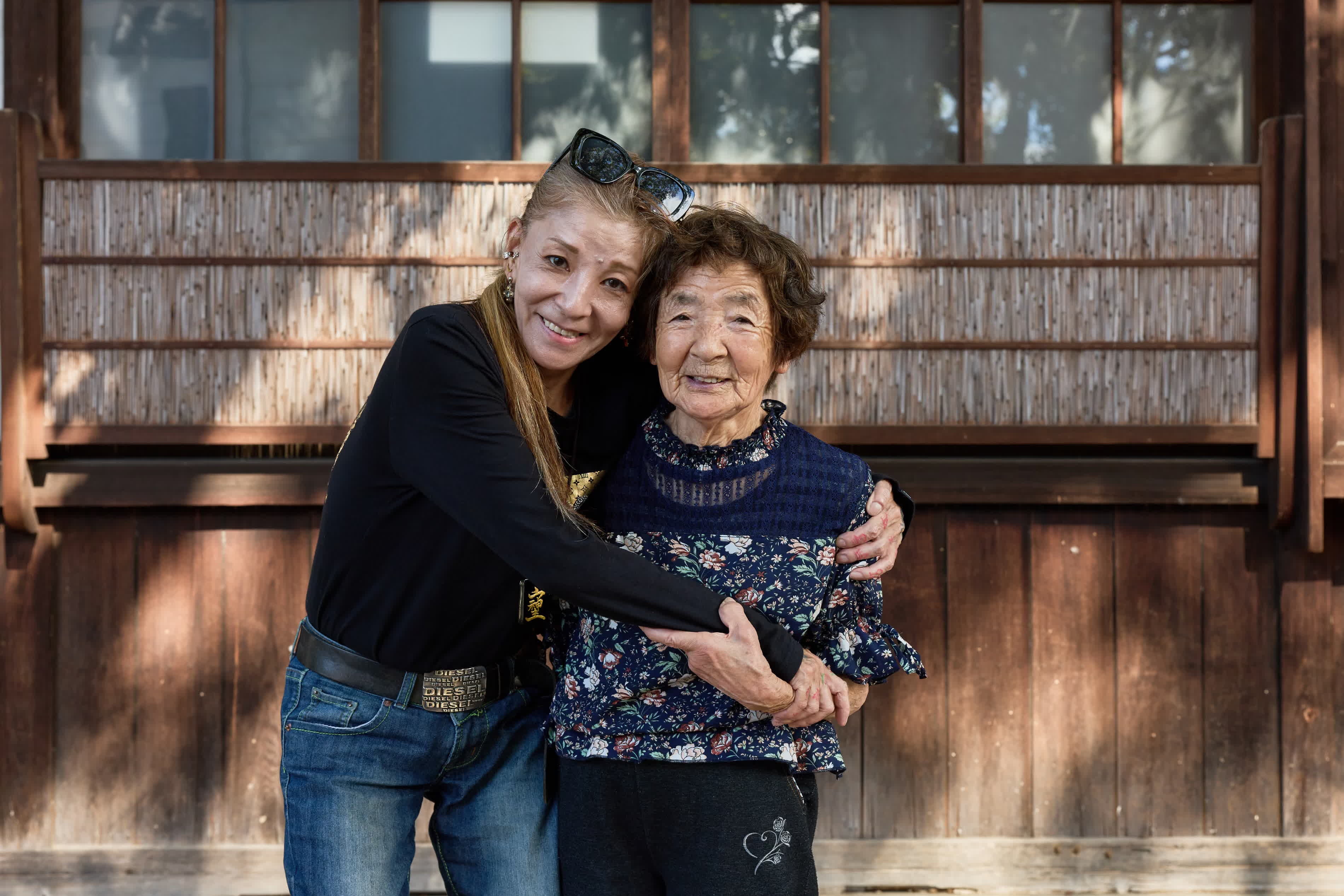 |
Nishimura reconciled with his family after leaving the yakuza. |
At the age of 39, she gave birth to her second son. Unlike his father, Nishimura did not hit his children, but she admits that she now understands, to some extent, his strictness.
For years, she distanced herself from the old yakuza and lived as a "gangster wife," cooking and cleaning for her partner's subordinates. Life became increasingly hopeless. She abused tranquilizers and was hospitalized after taking enough to paralyze her body.
When Nishimura reconnected with old friends in the yakuza, he realized things had changed. The gangs that once claimed to "protect the weak" were now involved in online scams targeting the elderly. Not long after, Nishimura left the yakuza for good.
After 2011, Japan continued to tighten its anti-yakuza laws. Gang members were unable to open bank accounts, buy cars, or even register for phone SIM cards. Traditional criminal organizations were gradually replaced by smaller groups operating online.
In 2020, Nishimura met Satoru Takegaki, a former high-ranking member of the Yamaguchi-gumi gang who had left the underworld to establish an organization supporting former yakuza members in reintegrating into society. Working with this organization helped Nishimura find a new purpose in life. She opened a branch near the gang's former headquarters in Gifu, assisting former yakuza members with drug rehabilitation, housing, and employment.
"I want people to know that no matter what the past was like, you can still face the future," she said.
But what Nishimura longed for most was family. In 2024, after decades of separation, she sat with her mother for the first time in their old home. A few months later, Nishimura reunited with her younger brother at a cafe in Gifu. He said the time his sister left home was "hell." And her elderly mother, Hiroko, broke down in tears when she spoke of her daughter.
Nishimura has now been able to reunite with his eldest son, who is now in his twenties. His younger son, however, is not yet ready to forgive.
“I realized how important family is,” she said. Then she chuckled softly and revealed a rare detail about her life as a criminal: “If I were a man, I probably would have been murdered a long time ago.”
Source: https://znews.vn/cuoc-doi-kho-tin-cua-nu-yakuza-duy-nhat-o-nhat-ban-post1653156.html






































































Comment (0)