

For over 94 years of leading the Revolution, our Party has continuously improved its leadership methods and enhanced its leadership and governance capabilities. Currently, as the country faces a new historical moment and a new era, the urgent need for a strong renewal of the Party's leadership methods to guide the nation into a "new era of progress" has become pressing.

Practical experience and history, both domestically and internationally, have provided concrete examples showing that when revolutions faced difficulties, crises, or even failures, the cause did not stem from policies or guidelines, but rather from inappropriate leadership methods that failed to keep pace with the prevailing situation and context. Throughout the revolutionary leadership process, the Party has always prioritized the renewal of leadership methods, implementing them step by step with appropriate and effective tasks and solutions.
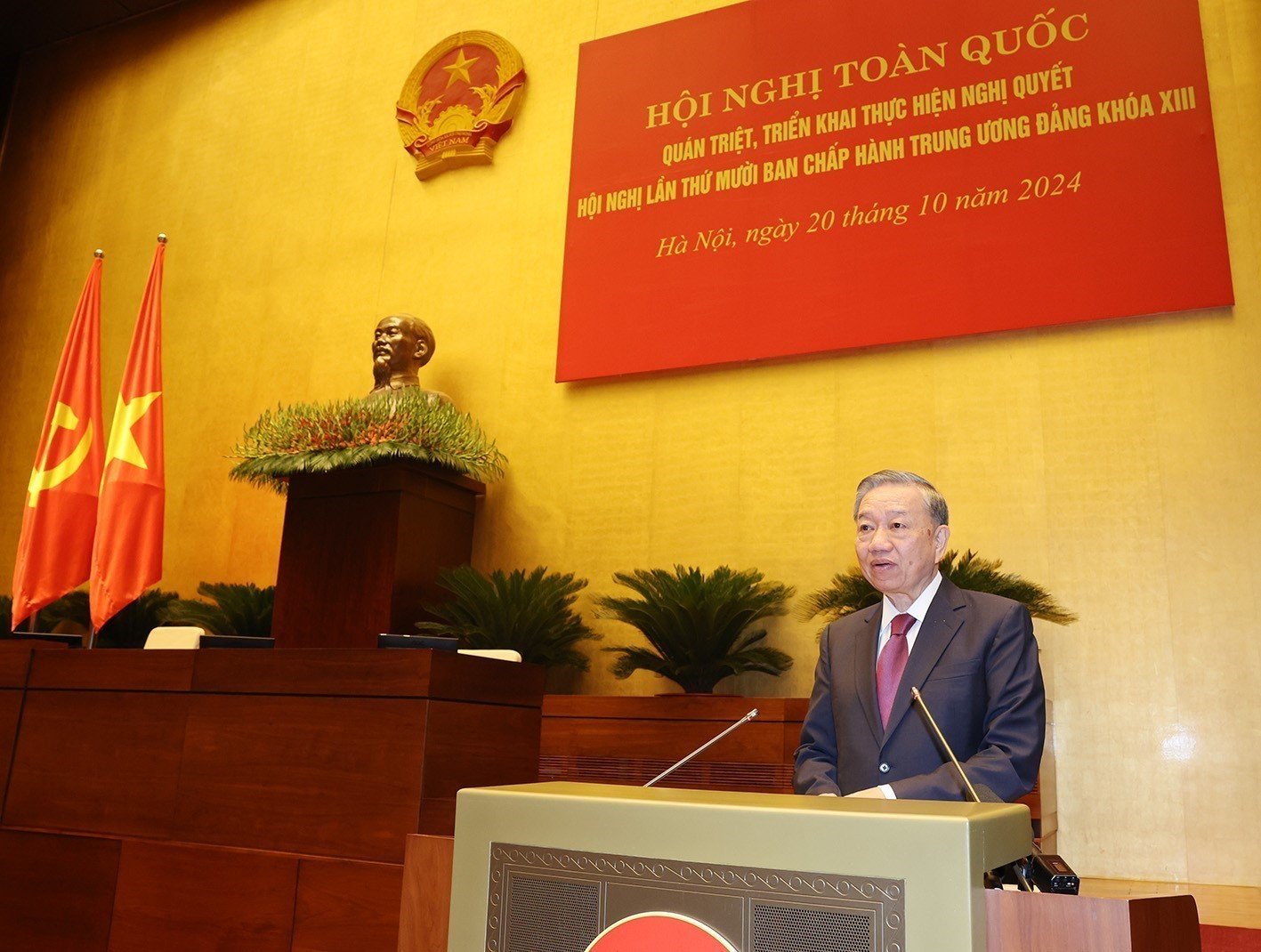
Dr. Nguyen Viet Chuc, a member of the Central Committee of the Vietnam Fatherland Front and Deputy Chairman of the Cultural and Social Advisory Council, believes that continuing to supplement and improve the Party's leadership methods is necessary and of great importance in the current new context. These are objective requirements. It is the flexibility, creativity, and improvement of the Party's leadership methods that have steered the nation through difficulties.
According to Dr. Nguyen Viet Chuc, as General Secretary To Lam said about the new era, this era refers to a new era of development, a new stage of development in Vietnam, setting forth a great aspiration. The aspiration is to become a high-income developing country by 2030, and especially to become a high-income developed country by 2045. Therefore, it is necessary to continue to innovate the Party's leadership methods. This is the experience of our Party throughout the revolutionary process: always creative, always innovative, but the essence remains unchanged. The principle is to not change the Party's leadership position, but innovation in methods is necessary.
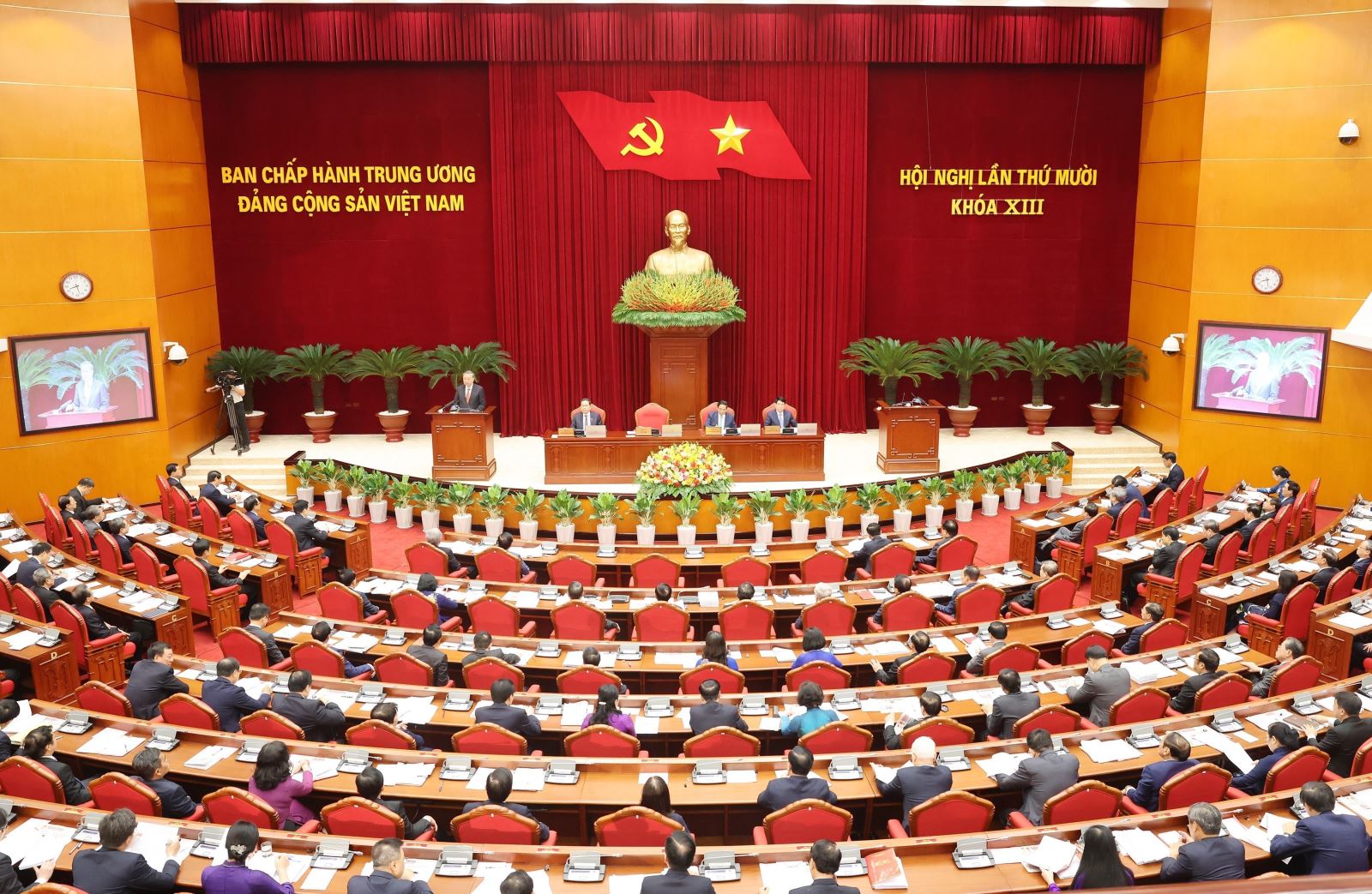
Based on the viewpoints of Marxism-Leninism and Ho Chi Minh Thought, the 7th Party Congress for the first time addressed the issue of "renewing the content and methods of the Party's leadership," emphasizing the need to "specifically define the relationship and working methods between the Party and the State and people's organizations at all levels, first and foremost at the central level." The 8th, 9th, 10th, 11th, and 12th Party Congresses continued to supplement and develop the viewpoint on the Party's leadership methods. The 13th Party Congress emphasized "continuing to strongly renew the Party's leadership methods in the new conditions." Based on a summary of 15 years of implementing Resolution No. 15-NQ/TW of the 10th Party Central Committee, the 6th Central Committee Meeting of the 13th Party Congress issued Resolution No. 28-NQ/TW on November 17, 2022, on continuing to renew the Party's leadership and governance methods over the political system in the new period. The Party's leadership and governing role over the State and society is affirmed in the Constitutions of the Socialist Republic of Vietnam; the mechanism of "Party leadership, State management, and people's ownership" was also affirmed and implemented early on through strict regulations in the Party Charter, the Constitution, and legal provisions, as well as the regulations and rules of other organizations in the political system and mass organizations.
Associate Professor, Dr. Truong Ngoc Nam, former Director of the Academy of Journalism and Communication, affirmed that the Party has fulfilled its historical role and mission. Although there have been certain difficulties in its development, the Party has overcome these challenges, even quickly identifying and correcting its shortcomings and weaknesses to continuously improve its leadership capacity and fighting strength, which is the decisive factor in all the victories of the Vietnamese revolution in all periods. Building the ruling Party in accordance with the spirit of President Ho Chi Minh means that leadership involves formulating the correct guidelines for national development and, through those guidelines, leading the State and mass organizations to implement those guidelines.

Throughout its leadership, the Party has consistently innovated, developed, and perfected its leadership and governance methods to suit the requirements and tasks set forth, thereby leading the Vietnamese nation to achieve many great and historically significant accomplishments, enabling our country to have the foundation, potential, position, and international prestige it enjoys today.
Ms. Nguyen Thi Thuy, Head of the Party Building Department at the Binh Duong Provincial Political School, stated that the Party's leadership role in the current period is a key factor in ensuring its purity and strength, helping the Party overcome all difficulties and challenges to develop the country.
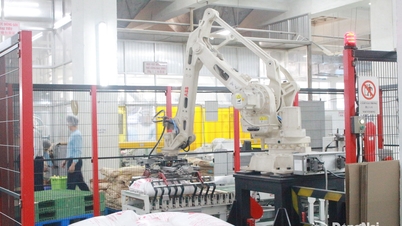
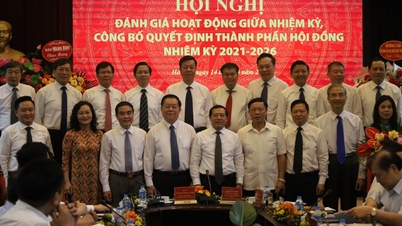
Analyzing the practical situation in Binh Duong, Ms. Nguyen Thi Thuy, M.A., believes that the province has made significant progress thanks to innovative leadership methods. At the mid-term review conference for the 2020-2025 term, the role of the Provincial Party Committee was highly appreciated in guiding socio-economic development. With policies to attract investment and improve the business environment, Binh Duong has become a leading province in attracting FDI capital. This development not only boosts the economy but also improves the quality of life for its people through social welfare, education, and healthcare programs.

To maintain this momentum, Binh Duong province continues to strengthen Party building and the political system, as well as implement Conclusion No. 21-KL/TW, dated October 25, 2021, on Party building and rectification. In particular, the province will focus on sustainable urban development, accelerating the progress of key projects, and building a smart city and innovation center.
Ms. Nguyen Thi Thuy expressed her belief that, with a spirit of daring to think, daring to act, and daring to take responsibility, the goal of Binh Duong province becoming a centrally-governed city by 2030 will become a reality, contributing to making the province a civilized and modern locality; and helping the Southeast region become a leading economic, financial, educational, and science and technology center in the country.
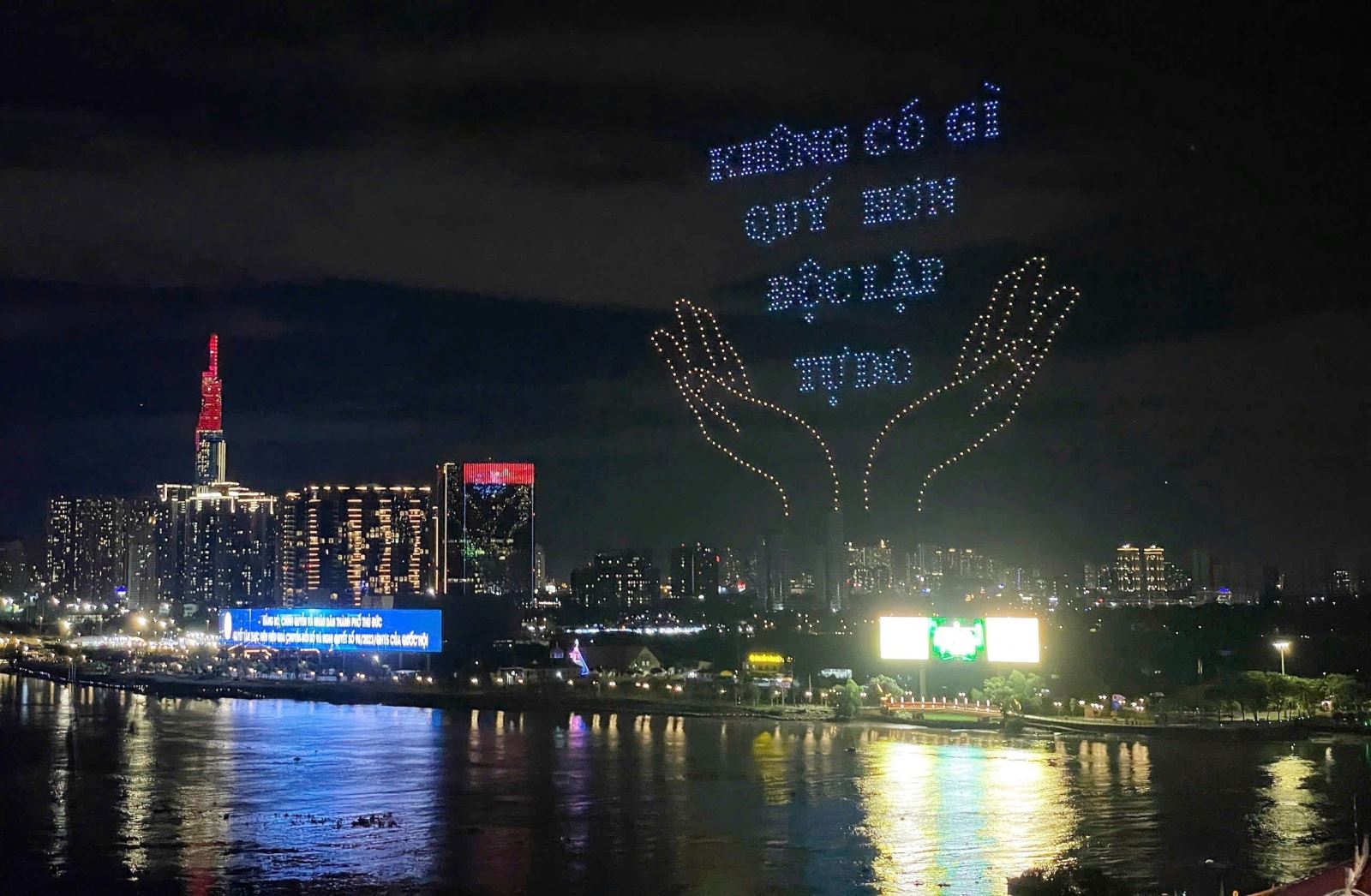
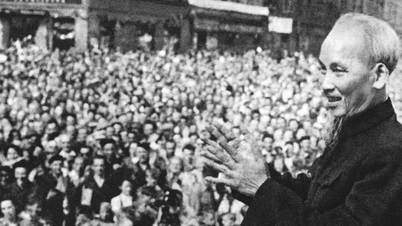
Under the leadership of the Communist Party of Vietnam – a Party that always takes serving the people as its raison d'être and goal, always absolutely and unconditionally loyal to the interests of the nation and the people, as President Ho Chi Minh said, "apart from the interests of the Fatherland and the people, our Party has no other interests" – the revolutionary ship has been steered, guiding Vietnam through all rapids and achieving many miracles.
From a country that was virtually unknown on the world map, heavily devastated by war, Vietnam has risen to become a symbol of peace, stability, and hospitality, a destination for international investors and tourists. From a backward economy, Vietnam has risen to become one of the top 40 economies, with a trade volume among the top 20 countries globally, a crucial link in 16 Free Trade Agreements (FTAs) connecting with 60 key economies in the region and worldwide. From a country isolated and besieged, Vietnam has established diplomatic relations with 193 United Nations member states, has strategic and comprehensive partnerships with 30 countries, including all major powers, and is an active member of over 70 regional and international organizations. With the happiness and well-being of its people as its ultimate goal, Vietnam is regarded by the United Nations and international friends as a success story, a shining example of poverty eradication and continuous improvement of the material and spiritual lives of its people.

Entering the 21st century, Vietnam has achieved tremendous successes in socio-economic development. The estimated average GDP growth rate for the period 2021-2025 is 5.7-5.9% per year, placing it among the leading countries in the region and the world; the size of the economy is projected to increase 1.45 times, reaching an estimated US$500 billion by 2025. Per capita income is expected to increase sharply from US$3,400 to approximately US$4,650, placing Vietnam in the group of upper-middle-income countries by 2025… In particular, with the direction, goals, and tasks of the entire Party, people, and army for the next five years (2026-2030), our country will continue to implement the 10-year socio-economic development strategy (2021-2030); aiming towards the milestone of 100 years of the country under the leadership of the Party; laying the foundation to realize the vision for 2045, when we celebrate the 100th anniversary of the nation's founding…
In the face of these pivotal milestones, cadres, Party members, and the people are eagerly anticipating and placing great expectations on the Party's new, strong, and wise policies to bring about breakthroughs in the country's development.
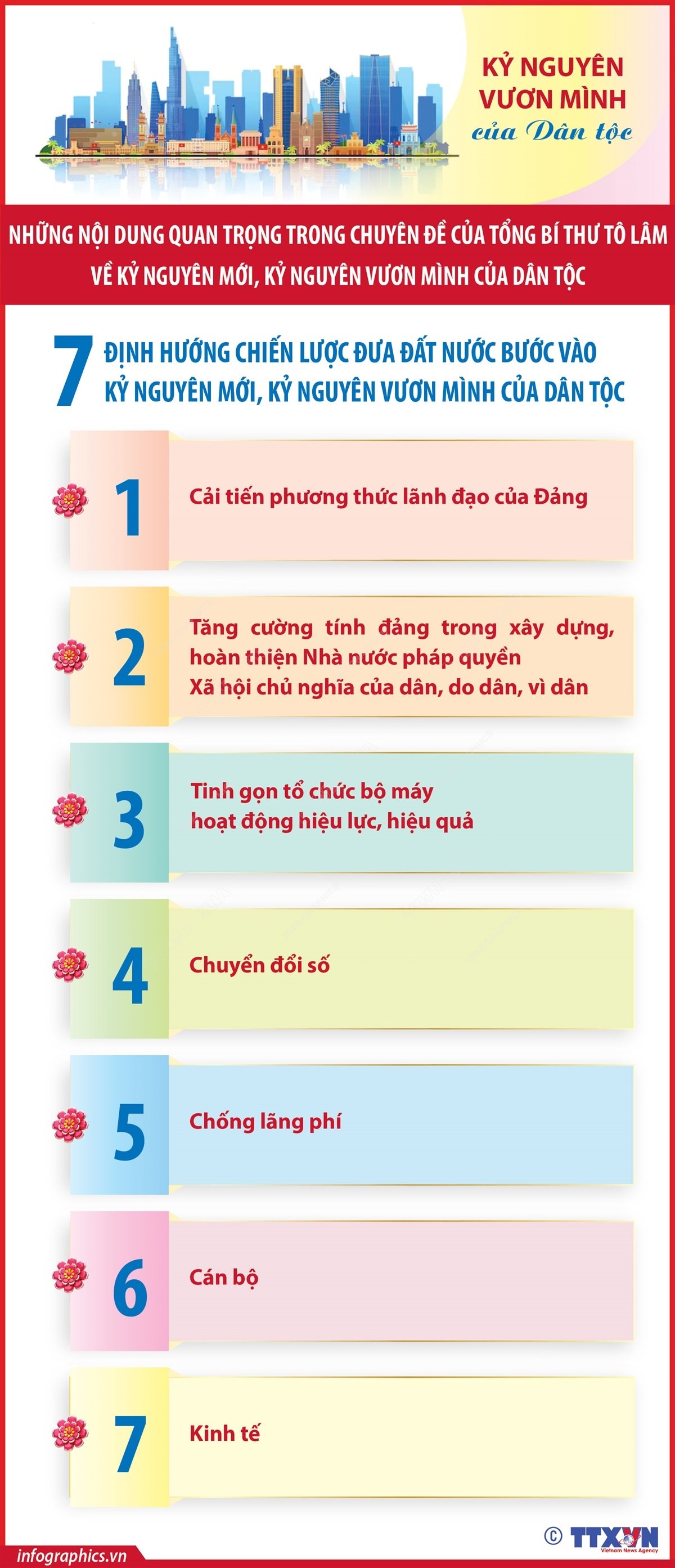

To significantly innovate the Party's leadership methods and governing capacity, each locality and unit will have different specific solutions, based on steadfast adherence to the Party's principles. And any innovation will inevitably face certain obstacles and difficulties, but with the motto of prioritizing the common good, the national interest, and the well-being and happiness of the people, we will achieve the goals of the 13th Party Congress and enter a new era of national progress.
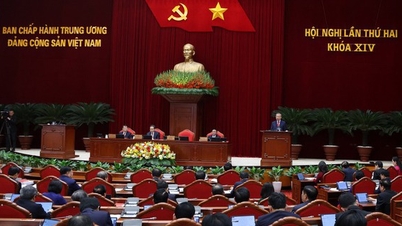
On September 18th, the 10th Plenum of the 13th Central Committee of the Communist Party of Vietnam officially opened in Hanoi, featuring several notable innovations. This meeting took place earlier and was shorter than initially planned, with work extending beyond regular office hours. At this meeting, the Central Committee discussed and provided input on 10 issues, categorized into two groups: strategic issues and several specific tasks. While a massive and crucial workload is evident, the Central Committee determined that these tasks must be carried out with the highest determination, the greatest effort, and decisive action, employing numerous solutions to achieve maximum effectiveness and ensure the achievement and exceeding of set goals. This demonstrates the Party's responsibility to the people, to the glorious history of the nation, and to international friends; it is a testament to the Party's leadership capacity, governing ability, and fighting spirit. Therefore, all resources and measures must be focused on completing these tasks.
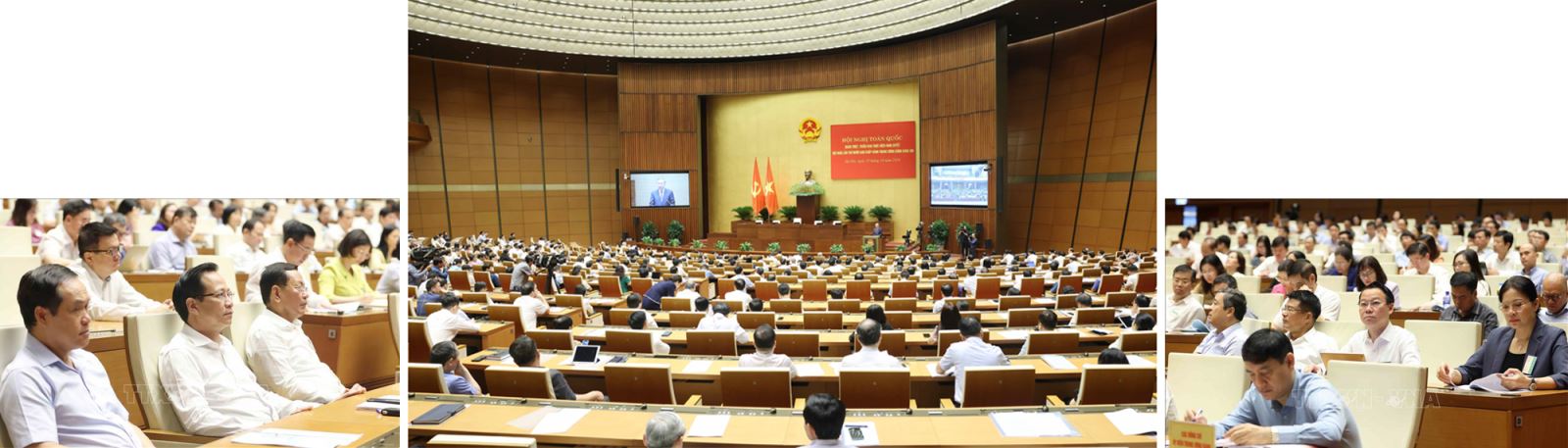
The exemplary spirit of the Party Central Committee at this new historical moment, this new era, this era of national resurgence, will certainly spread to all levels and sectors within the entire political system.
This is precisely the time to continue the vigorous reform of the Party's leadership methods and governing capacity, a process that this Central Committee meeting has pioneered, as demonstrated in the organization of its sessions and conferences… to focus on urgent and important tasks for the nation and the people. This, once again, strengthens the people's trust in the Party.
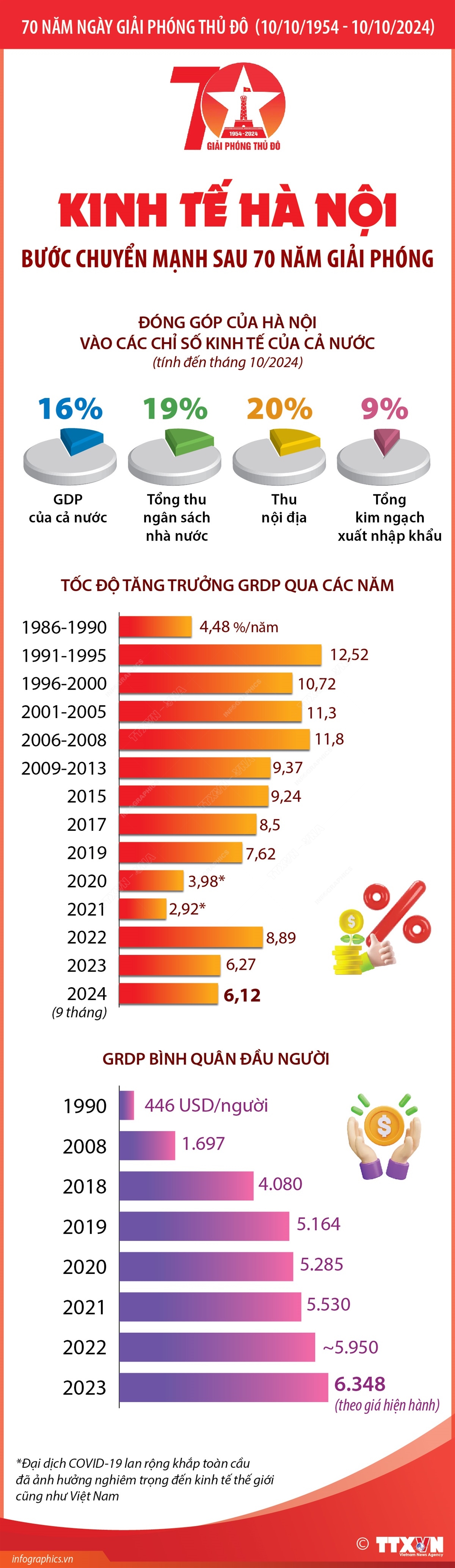
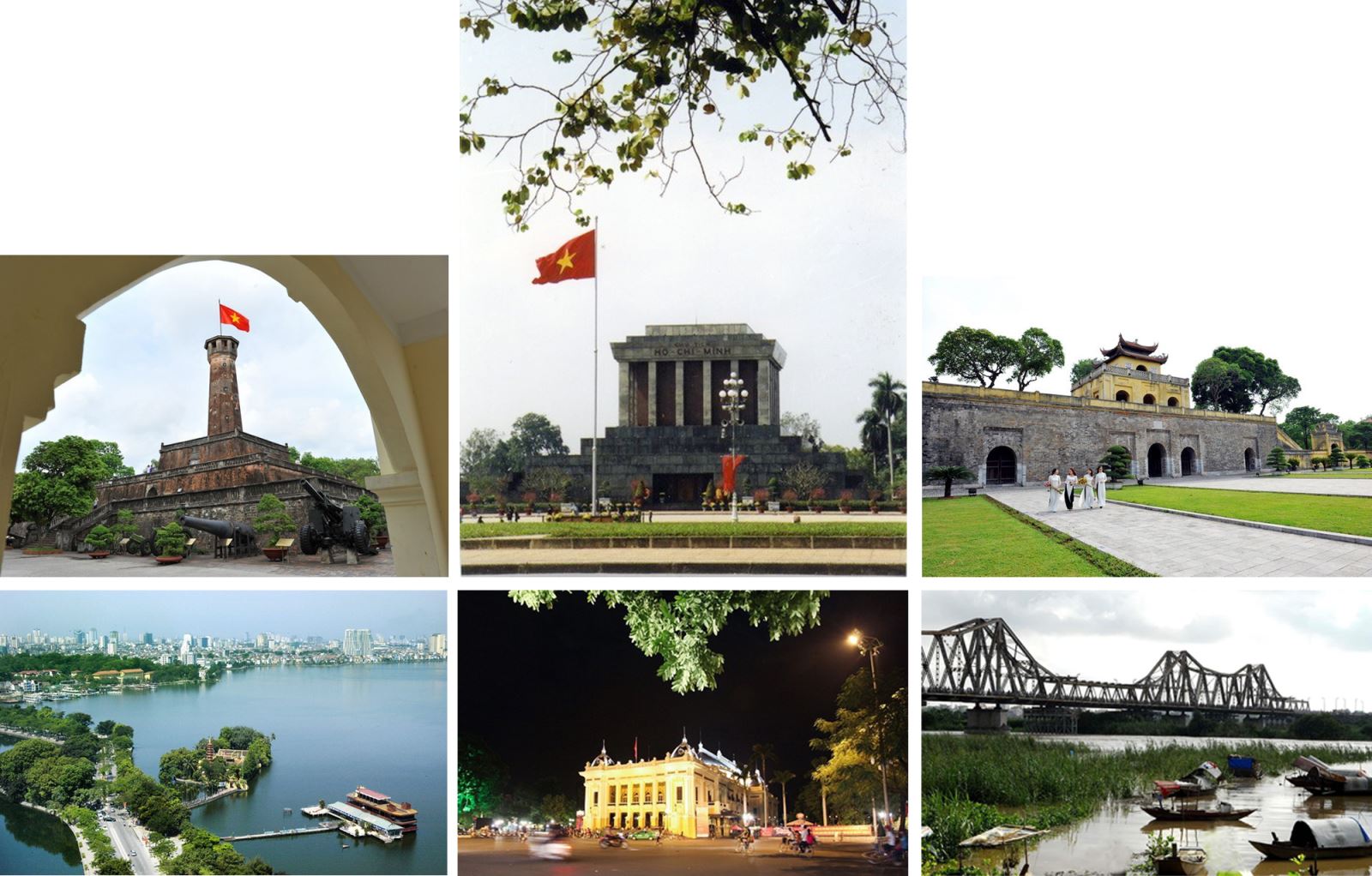
For Hanoi, deeply aware of its position as the capital, the heart of the country, the Party Committee holds a very special place, with a resilient revolutionary tradition and over 90 years of development and growth. It currently boasts the largest number of grassroots Party organizations and members in the country (with 50 higher-level Party committees directly under the City Party Committee, and over 2,300 grassroots Party organizations, accounting for nearly 10% of the country's Party members). The Party Committee, government, armed forces, and all strata of the people of Hanoi always remember and strive to fulfill President Ho Chi Minh's sacred teachings: the Hanoi Party Committee must set an example for other Party committees. This has always been considered a task, a goal, and a driving force in building and developing the capital throughout the years, worthy of the trust and expectations of the Central Committee and the people of the whole country. To date, the capital's economy has recovered strongly, continuing to be a bright spot amidst the general difficulties of the international and domestic economies.
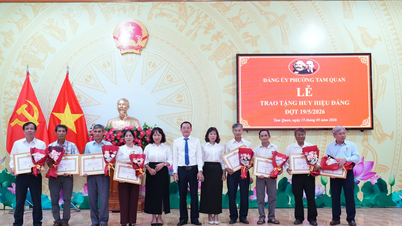
Located in the northern part of Dong Anh district, Hanoi, Xuan Non commune, upholding its heroic traditions and strengthening the Party and political system, has been focusing intensely on leadership and guidance to achieve political, economic, cultural, and social targets. In particular, it is determined to improve the quality of criteria already met and complete those yet to be met in order to finalize the plan to transform Xuan Non commune into a ward.
Comrade To Van Ngoc, Standing Deputy Secretary of the Party Committee and Chairman of the People's Council of Xuan Non commune, shared that the commune's Party Committee has focused on leading the review of all functions, tasks, and organizational structures of the political system to ensure the principle of avoiding excuses or taking over responsibilities. All aspects of Party and government work, as well as the activities of the Fatherland Front and other mass organizations, are managed synchronously and uniformly, with each task assigned to a single unit to avoid overlapping, duplication, or omissions, in accordance with practical realities and current regulations. The working regulations of the Party Committee, government, and mass organizations of the commune are regularly reviewed, supplemented, and perfected to ensure transparency, scientific rigor, and adherence to the Party's organizational principles. The responsibilities and powers of collectives and individuals, especially the leaders, and working relationships are clearly defined. The key tasks should be clearly defined, responsibilities assigned, and the initiative and creativity of Party committees, cadres, and Party members, as well as of each unit, organization, and individual within the political system, should be promoted.

The principle of leadership by the ruling party is to avoid interfering and to not take over other people's responsibilities; this has long been affirmed. Currently, this requirement has become urgent as we are accelerating reforms, combating corruption and negative practices, and promoting production and business activities. Therefore, it is necessary to strengthen the Party's leadership and governing functions, guiding and leading society.
The new context demands that the Party continuously innovate its leadership and governance methods. General Secretary and President To Lam emphasized the need to promote decentralization and delegation of power with the motto "local authorities decide, local authorities act, local authorities are responsible"; and to strictly implement the Party's leadership and governance methods, "absolutely preventing any excuses, substitutions, or laxity in the Party's leadership."
According to Vu Duc Bao, Head of the Hanoi Party Committee's Organization Department, the Standing Committee of the Hanoi Party Committee is determined to focus on implementing decentralization and delegation of power to create correct awareness among cadres and Party members, especially civil servants and public employees, fostering a sense of responsibility; building a legal basis and conditions, and resolutely organizing the delegation of power according to regulations. Therefore, there is no longer any hesitation, avoidance, or shirking of responsibility. Hanoi's approach closely follows the spirit of the 13th National Party Congress Resolution, ensuring that decentralization is implemented on the principle of: work is carried out more efficiently, with clear responsibilities for each person and task.
Raising the issue of the Party not interfering or taking over responsibilities in the current period is very practical. This is because if the Party interferes or takes over responsibilities, it will create dependence, reliance, and a lack of initiative and creativity among Party members and management agencies. Of course, the Party's leadership must not be relaxed either, because any relaxation will lead to social disorder, and sometimes even violations of the law. This has already happened in practice at the central level and in some localities recently.
In reality, some local Party secretaries often make decisions that completely override the government's responsibilities. This often occurs with individuals who, before being elected as Party secretaries, had previously held leadership positions in local governments. Upon assuming the role, they tend to overstep their authority and take over the government's responsibilities, essentially mistaking their roles. Conversely, laxity of leadership often occurs with Party secretaries who lack experience and competence, often failing to meet the demands of the task. Therefore, in many cases, all responsibilities are delegated to the government. Thus, the issue of overstepping boundaries, taking over responsibilities, or neglecting the Party's leadership role is a problem that needs to be clearly addressed.
In recent times, the Party has issued numerous resolutions and policies to streamline the organizational structure and agencies of the Party, aiming for greater efficiency and effectiveness in reducing overlapping management and enhancing proactive governance. Working styles and methods have been significantly reformed towards a more scientific and professional approach, with the motto "play the right role, know the job," clearly assigning responsibilities to specific individuals and tasks. Therefore, reforming leadership methods and ensuring the collective leadership role while fully utilizing the role of the leader is crucial for enhancing the leadership capacity and fighting strength of current Party organizations.
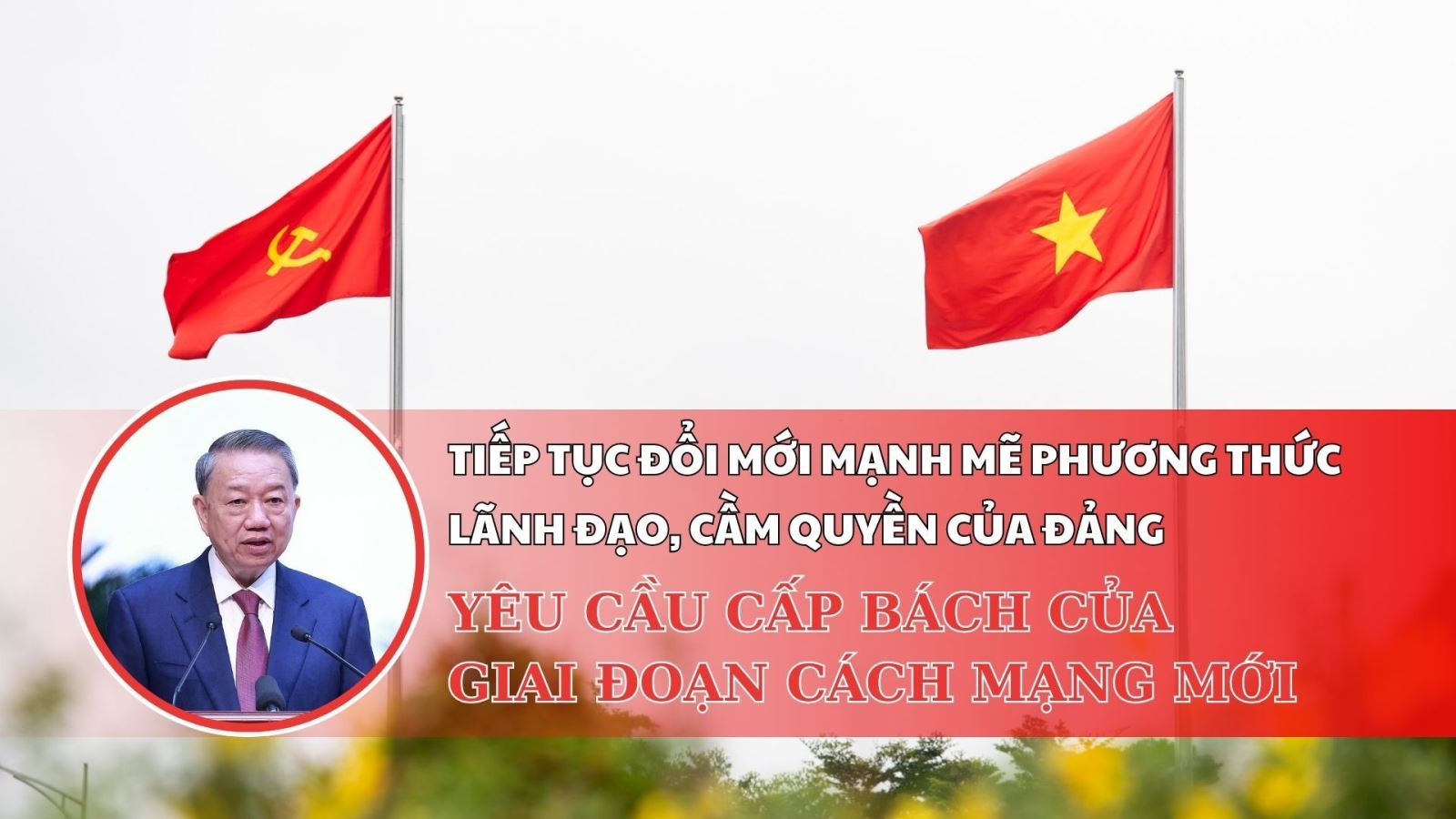
In the article "Continuing to vigorously innovate the Party's leadership and governance methods: an urgent requirement of the new revolutionary stage," General Secretary and President To Lam outlined several key tasks, emphasizing: "Building truly streamlined advisory bodies for Party committees; ensuring advisory staff possess strong political qualities, capabilities, excellent professional skills, expertise, responsibility, and proficiency in their work. Researching and promoting the merger of some advisory and support agencies of the Party; conducting a comprehensive assessment of the practice of holding multiple positions within the Party and political system to make appropriate decisions."
The Party's organizational structure, through numerous improvements and gradual shaping, is continuing to be reformed and reorganized towards a more streamlined, effective, and efficient operation. This direction affirms its suitability and superiority, and enjoys the trust of the vast majority of cadres, Party members, and people from all walks of life.

By promoting democracy and the combined strength of the entire political system, the consensus of all strata of the people, and innovative and effective leadership, guidance, and management methods, Hoang Mai district (Hanoi) has successfully implemented many of its set targets and tasks in recent years, with some exceeding expectations.
According to Nguyen Duc Dung, Standing Deputy Secretary of the Hoang Mai District Party Committee: Party building and rectification work has seen many innovations; organizational and personnel work has received attention; the apparatus has been streamlined and operates effectively and efficiently. The district regularly consolidates, arranges, and strengthens the organizational structure of Party organizations and agencies within the political system. Specifically, Hoang Mai district has strengthened the Standing Committee of the People's Council, the committees of the People's Council, and the leadership of the District People's Committee for the 2021-2026 term; transferred, rotated, and appointed 194 individuals; reappointed 95 individuals; and supplemented and strengthened personnel at the grassroots Party committee level for the 2020-2025 term for 113 individuals.
Mr. Nguyen Duc Dung also stated that the Hoang Mai District Party Committee has reviewed its subordinate Party organizations and branches. Previously, in 2018-2019, there were over 80 Party organizations and branches in enterprises, especially privatized enterprises. Following this, Hoang Mai restructured and reorganized its organization, transferring 30 Party organizations and branches under the enterprise sector to the Enterprise Sector Party Committee, no longer under the direct control of the District Party Committee.
Regarding the issue of ensuring that the Party's leadership responsibilities do not overlap with management responsibilities, it is necessary to clearly distinguish and define the specific tasks of each leadership level, avoiding situations where the Party committees and organizations at various levels can override or take over the implementation of policies. Party committees at all levels set the direction and policies, while state management agencies will concretize those policies under the supervision of Party committees at all levels. Government agencies, including People's Committees at all levels, that fail to implement those policies must report back to the Party committees, making recommendations and proposals. In such cases, Party committees will work alongside the government to make appropriate adjustments.

Bui Cong Bien, Secretary of Party Branch 7, Xuan La Ward, Tay Ho District (Hanoi), emphasized the importance of ensuring that the Party's leadership responsibilities do not overlap with management responsibilities. He argued that if this overlap occurs, the line between leadership and management will become blurred in some places and situations. Leaders could use their leadership role to interfere in professional work, even making decisions on behalf of subordinates, with Party committees acting and making decisions on behalf of the government.
Along with building truly streamlined advisory bodies for Party committees, which do not replace management functions but also do not relinquish leadership, Party committees at all levels also need to cultivate advisory staff with strong political qualities, capabilities, and excellent professional skills, ensuring the right person is in the right job.
To ensure that Party committees and organizations truly serve as the intellectual core and vanguard leading State agencies, Party committees and organizations, especially the leadership and Party members, must strongly innovate their working style and methods towards a scientific, professional approach, ensuring they are "in their roles and know their responsibilities."
According to Professor and Doctor of Science Phan Xuan Son (Ho Chi Minh National Academy of Politics), the renewal of the Party's leadership and governance methods in the current period is reflected in the Party not interfering too deeply in the work of State agencies and "leaving room" for the creativity and dynamism of State agencies and Party members holding State positions. If this is achieved, the Party's leadership and governance will be more flexible, and with such flexibility, the implementation of political goals, or the goals set by the Party through resolutions, policies, and platforms, will be more effective, faster, and achieve better results.
Sharing the same viewpoint, Associate Professor, Dr. Vu Van Phuc, Vice Chairman of the Scientific Council of the Central Party Agencies, stated that Party leadership is collective leadership; all Party decisions are discussed democratically and decided collectively, not through any single individual. In particular, Party leadership is achieved through the exemplary conduct of Party members and cadres. This is a superior aspect of the Party's leadership method. If Party members and cadres set an example, especially those in leadership and management positions, the ripple effect throughout the Party and society is immense. The revolutionary cause and the renewal process of our nation and people are constantly evolving and developing to adapt to new situations and contexts. This reality demands that our Party must also constantly innovate its leadership methods to be worthy of its role as the leader of the Vietnamese revolution leading to victory.
Innovating leadership methods and ensuring the Party remains the great helmsman, leading our nation forward with strength:
Article by: Hong Diep - Dinh Thuan
Photos and graphics: VNA – VNA publishing; Video: Vnews
Editor: Ha Phuong
Presented by: Ha Nguyen
Source: https://baotintuc.vn/long-form/emagazine/dang-doi-moi-dua-dat-nuoc-vuon-minh-20241108144710186.htm













































































Comment (0)