

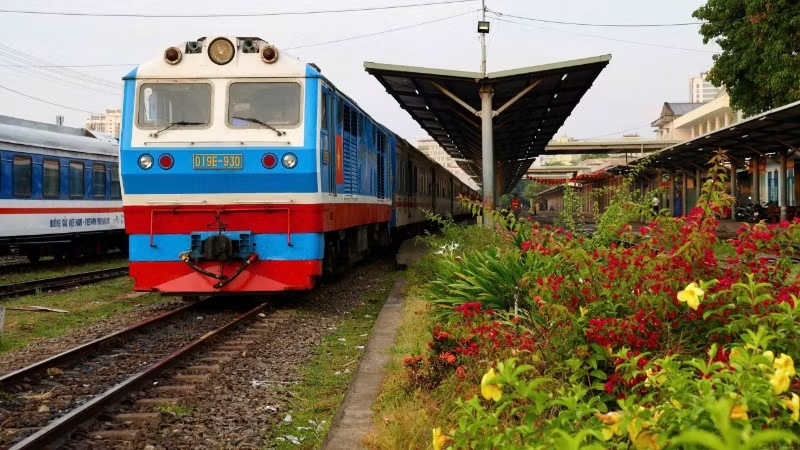
For the railway industry, spring may not arrive according to the calendar, but rather from the saplings taking root in the station grounds and along the tracks, and the seasons of flowers blooming in abundance, overcoming the harshness of the weather, climate, and the unique nature of the workers' jobs.
Trees and flowers continue to flourish, attracting everyone's attention thanks to the hands of the workers after their shift. The "Railway-Flower-Line" movement, implemented by the railway industry in recent years, has gradually transformed the once sterile technical corridors into green spaces.
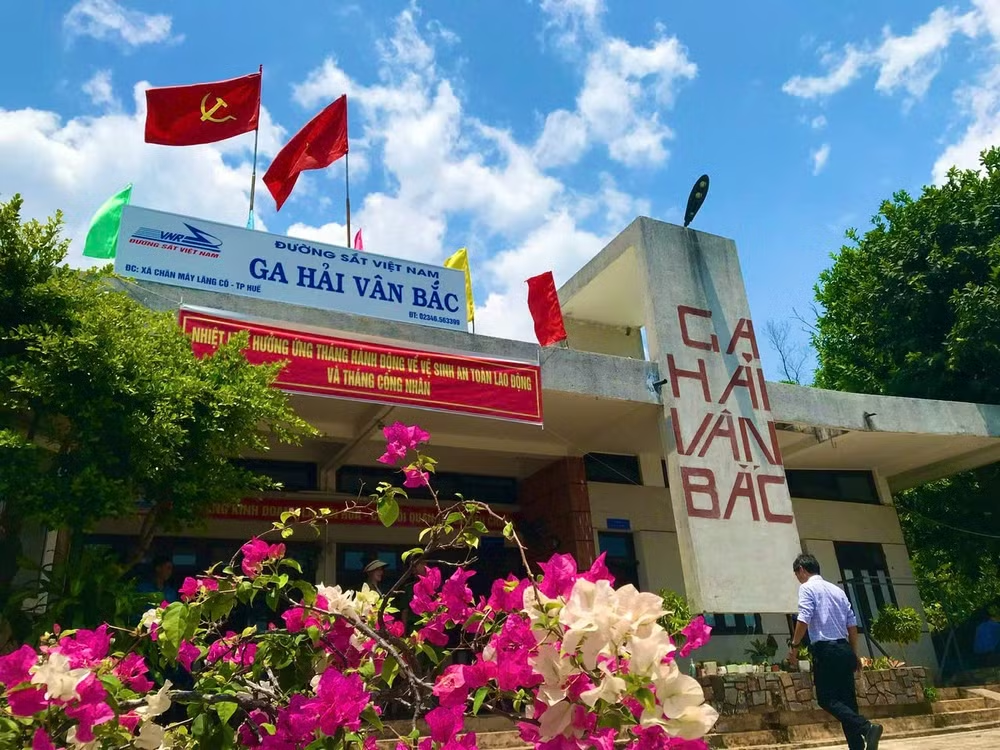
Contributing to this unique feature are the stories of the people who live alongside the railway tracks every day. There, railway workers ensure the safety of train operations and also personally plant trees, make pots, water them, and prune each branch and leaf.
It's a unique working space, where technology and life blend together in a common rhythm. From a grand perspective, the railway corridor traces a long line connecting the two regions of the country. But slowing down and observing more closely, you'll see patches of color appearing, interwoven between the concrete, gravel, and steel rails.
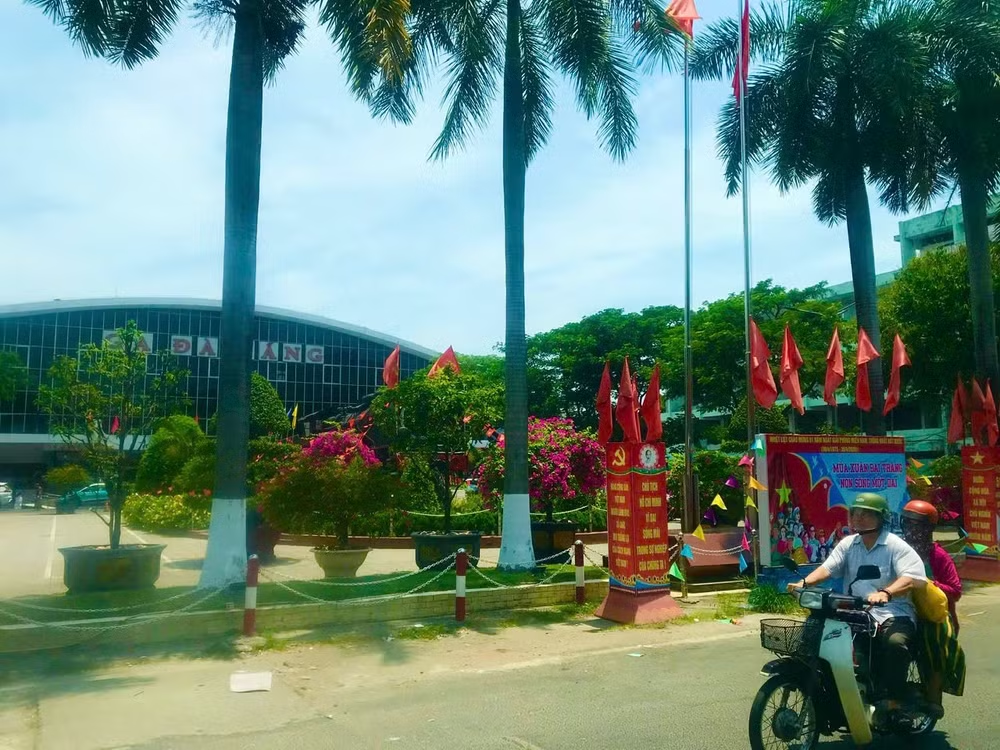
In many units of the industry, plant pots are cast right at the station using readily available materials: cement, sand, crushed stone, etc. Many workers, previously accustomed to strenuous technical work such as inspecting tracks, guarding levels, and patrolling the tracks, now patiently bend down to adjust each flower pot and measure the distance between each planter to ensure they do not obstruct the safe view for train operation. It's a very natural transformation, from those responsible for technical safety to those who cultivate the green landscape.
What's special about this movement is that there's no rigid model; each unit and each route adapts its implementation to its specific conditions. Where there's ample land and a favorable climate, long rows of flowers are planted along the route. Many stations with limited space in front utilize every square meter to create miniature flower gardens. In other places with limited manpower and demanding train schedules, plant care is arranged in shifts.
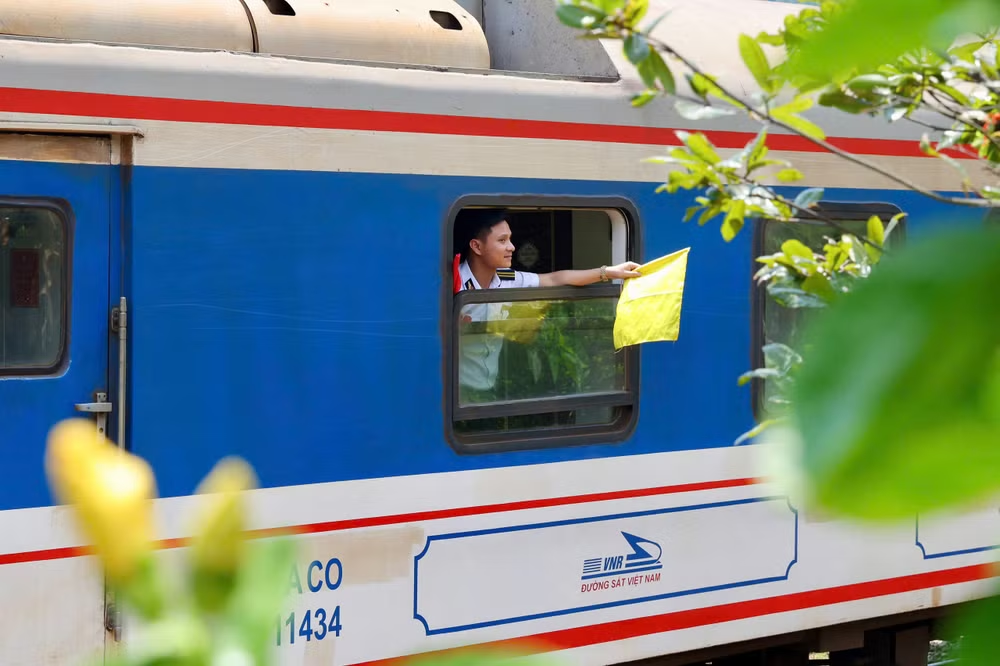
This flexibility creates a unified network of "railway gardens" in spirit: self-care, maintenance, and beautification of their own workspaces, while also demonstrating care for passengers and tourists. There is no dedicated landscape maintenance force; everything is done by the railway workers themselves.
The railway system is an interconnected network, and the "Railway-Flower Road" movement operates in that spirit. Not all units have the same conditions. Some areas experience harsh weather with prolonged periods of intense heat, others frequent storms, and some have limited manpower due to the specific nature of their routes. Instead of isolation, the units have naturally formed a sharing mechanism. Those that perform better and have more favorable conditions proactively provide seedlings, share potted plants, and offer technical guidance on plant care to units facing difficulties.
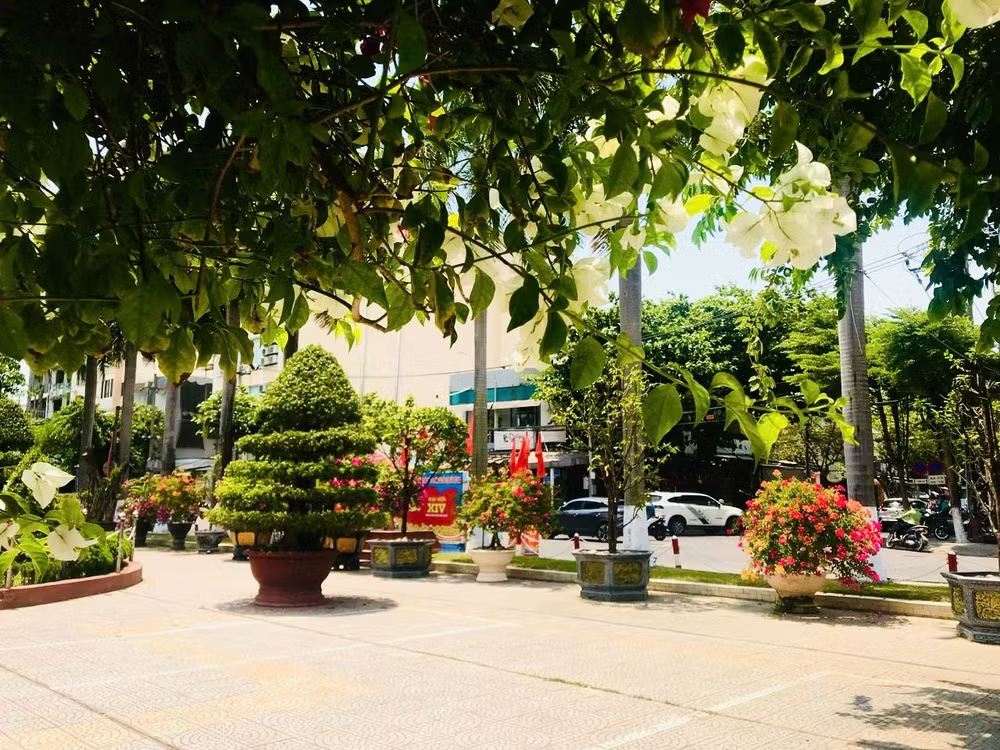
In some places, they even send trees from more fertile areas to harsher regions, or provide supplies to help remote stations maintain their greenery. This spirit of sharing stems from a shared understanding: the railway line is a unified whole. It's touching that the movement also includes retired railway officials and workers. Although they no longer work directly on the line, they still follow every train, station, and familiar route.
Many retired officials and workers personally plant trees and tend flowers in their home gardens before donating them to their former units. Some even encourage their families and children to contribute trees and their accumulated gardening experience.
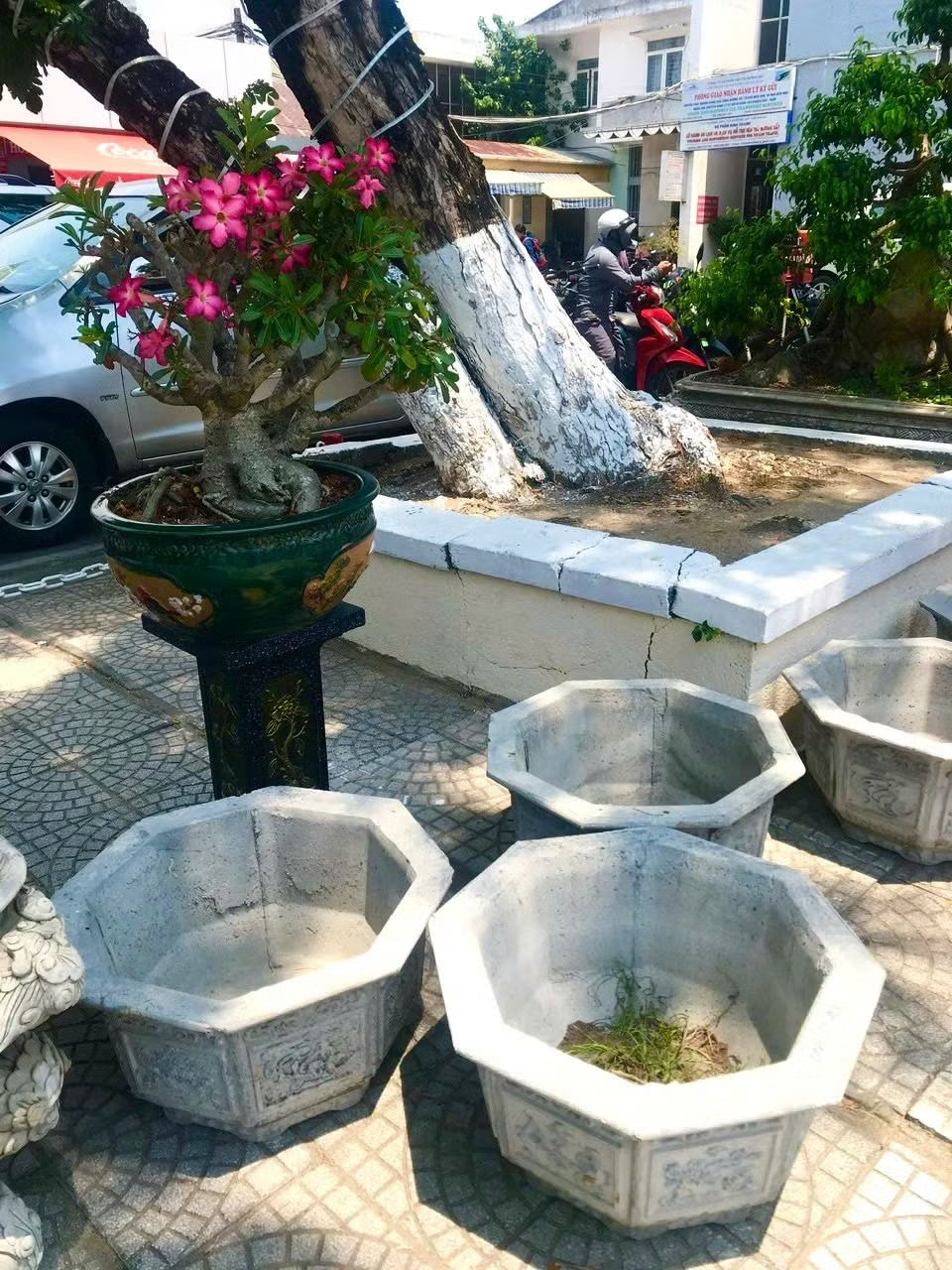
Comrade Le Van Chien, Secretary of the Party Committee and Director of the Nghia Binh Railway Exploitation Branch, shared that he was particularly moved by that warm sentiment.
According to him, each potted plant and flowerbed also represents professional memories and hopes that people in the industry share with each other. The participation of the retired generation has given the movement depth, demonstrating a connection between the past and the present, between those currently working and those who have left their shifts but have never truly left the industry.
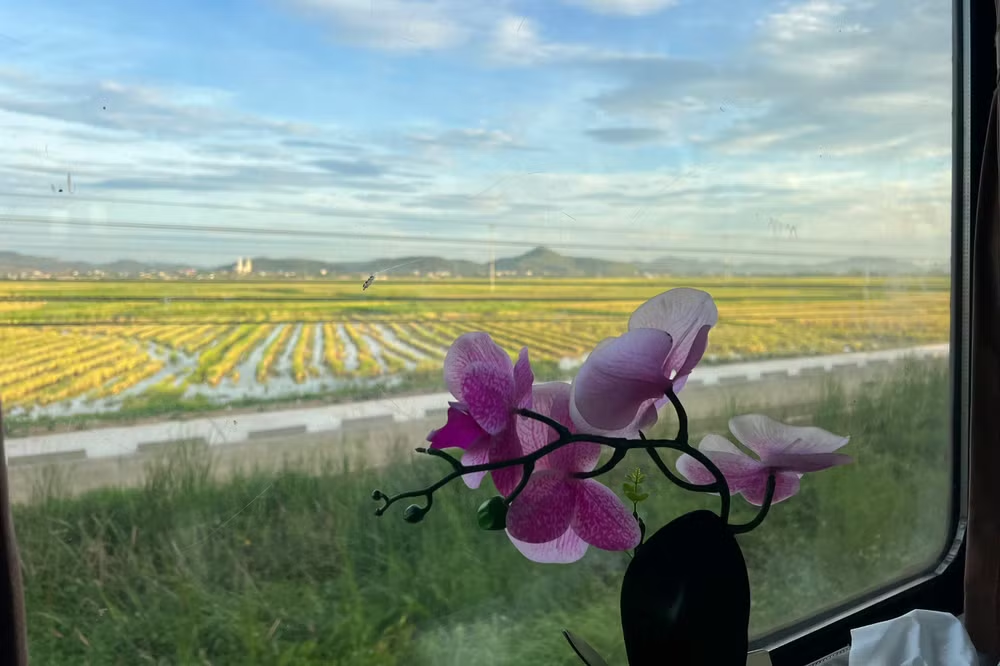
For a long time, railways have been viewed as merely technical infrastructure. However, with the "Railway-Flower Road" movement, that perception is gradually changing. Train stations and railway tracks are also places where people live, work, and connect with each other every day.
There are conversations between shifts, mornings spent watering plants in front of the station, and evenings when colleagues adjust flower pots after a major storm. So many everyday moments are closely intertwined with the work. The technical space thus becomes a living space where people and nature harmonize and complement each other.
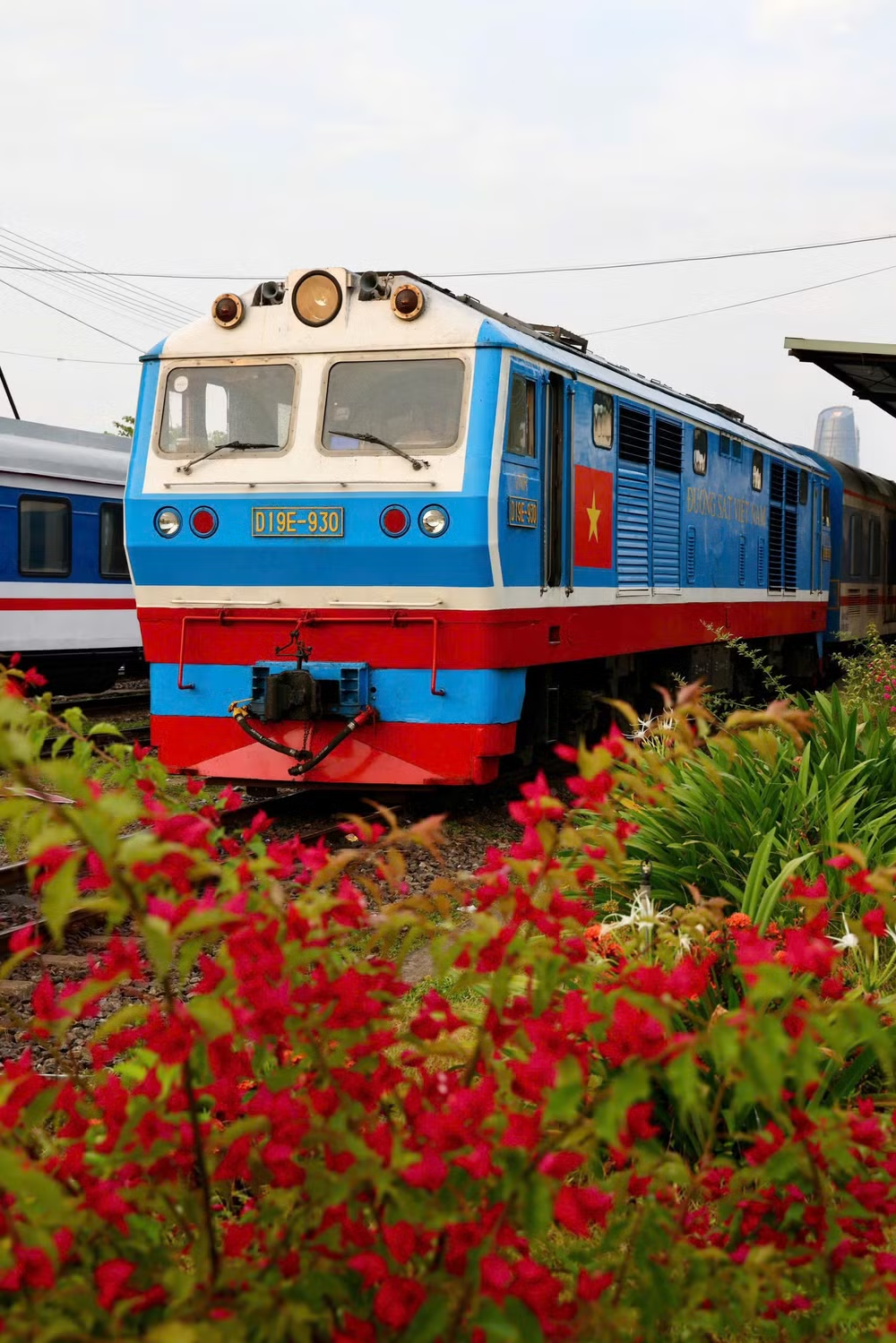
Every movement needs a beginning, and more importantly, sustainability. With the "Railway-Flower Road" initiative, enduring vitality stems from the daily repetition of small actions: watering plants, tending flowers, making flower pots, sharing seeds, and supporting struggling units. These actions accumulate into lasting change.
In fact, along the railway station system across the country, one can find many gardens, potted plants, and bonsai trees that have been meticulously cared for over the years, possessing aesthetic value that is in no way inferior to the work of any professional artist.
Even among bonsai artists, the origins and information of many famous trees associated with the railway industry are still passed down through generations. However, for those in the industry, most bonsai trees and flowers are not viewed from an economic perspective, nor are they created to be commercial products, but rather stem from a deep connection and love of beauty.
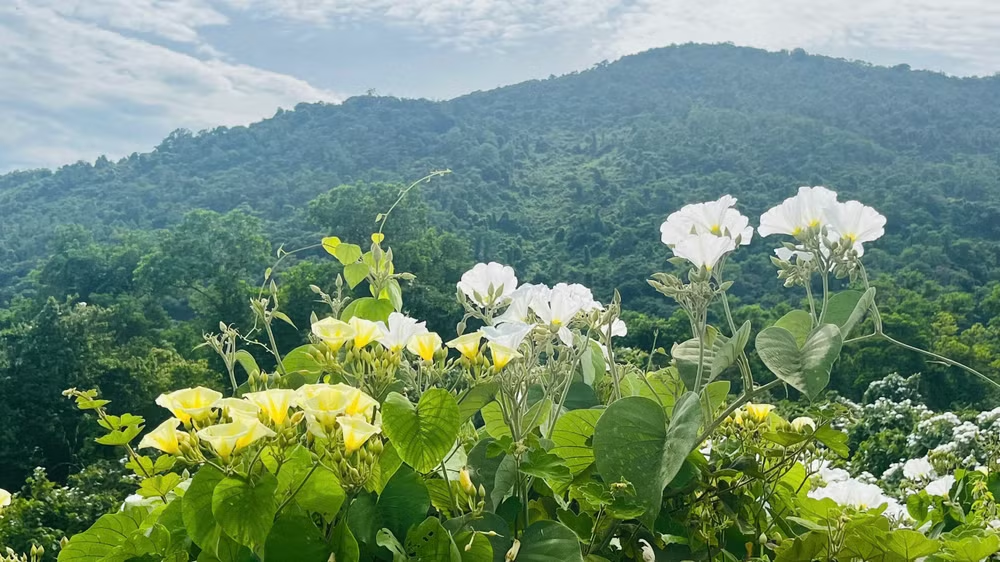
Along the railway line today, it's easy to feel and enjoy the blossoming trees and flower arches that gradually appear, spreading along the route or standing still beside the station platforms, like highlights of the station and life. Spring truly comes from human hands. From the workers on night duty still taking the time to water the plants. From retired officials donating potted flowers as a precious memento. From the units sharing saplings with each other across hundreds of kilometers of railway tracks.
On the endless journey, the train continues to run steadily. Meanwhile, the spirit of spring is always awakened by the unity of labor and the people who tirelessly sow greenery for the country.
Source: https://nhandan.vn/danh-thuc-mua-xuan-doc-duong-ray-dat-nuoc-post962942.html
![[Photo] General Secretary and President To Lam presides over a working session with the Central Policy and Strategy Committee on the development of the materials industry.](https://vphoto.vietnam.vn/thumb/1200x675/vietnam/resource/IMAGE/2026/05/21/1779359935432_a3-bnd-3129-1412-jpg.webp)




![[Photo] National Assembly Chairman Tran Thanh Man working with the Standing Committee of the Law and Justice Committee](https://vphoto.vietnam.vn/thumb/1200x675/vietnam/resource/IMAGE/2026/05/21/1779378929214_ndo_br_1-4610-jpg.webp)























































Comment (0)