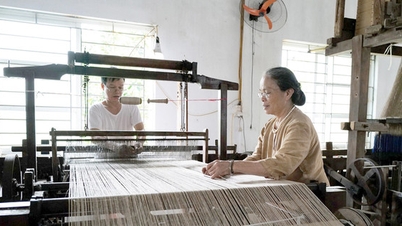
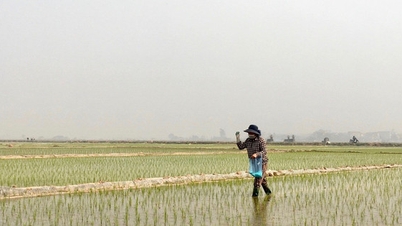
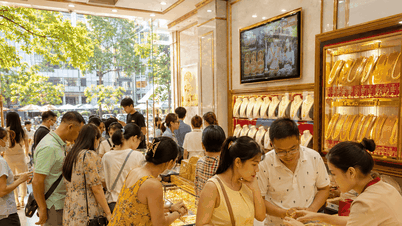
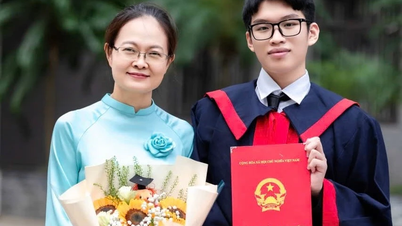
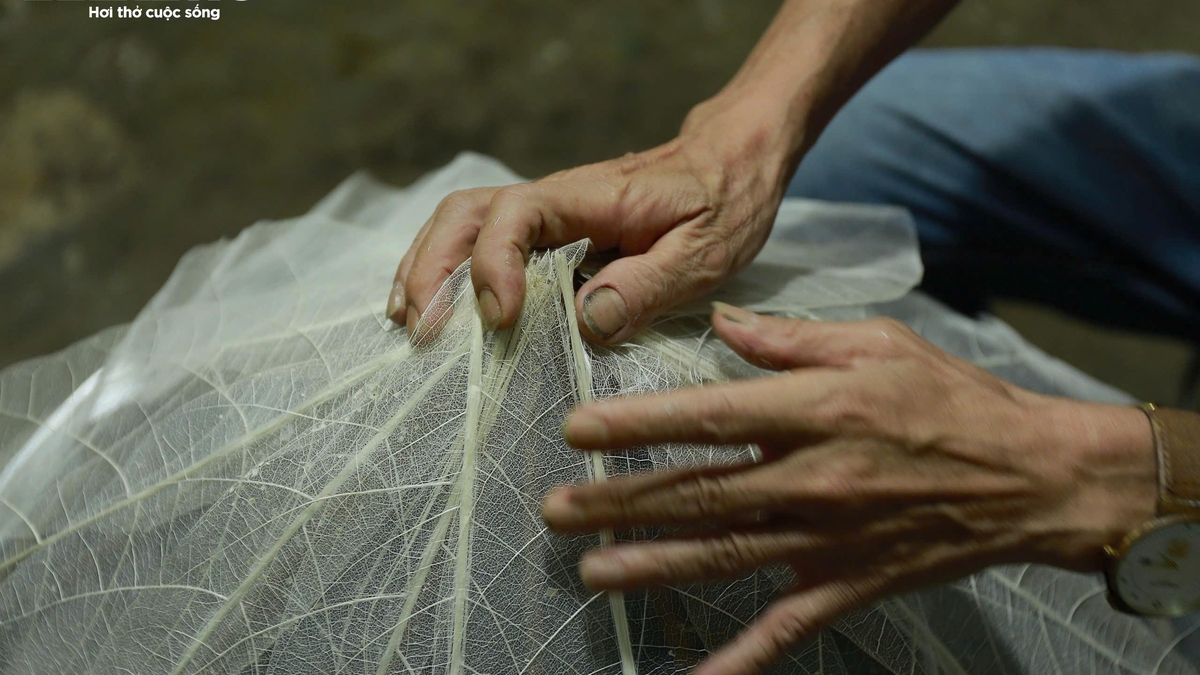
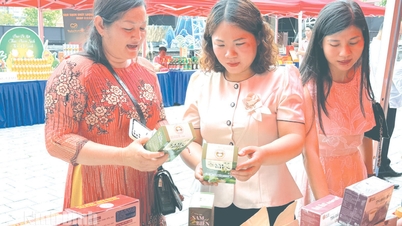
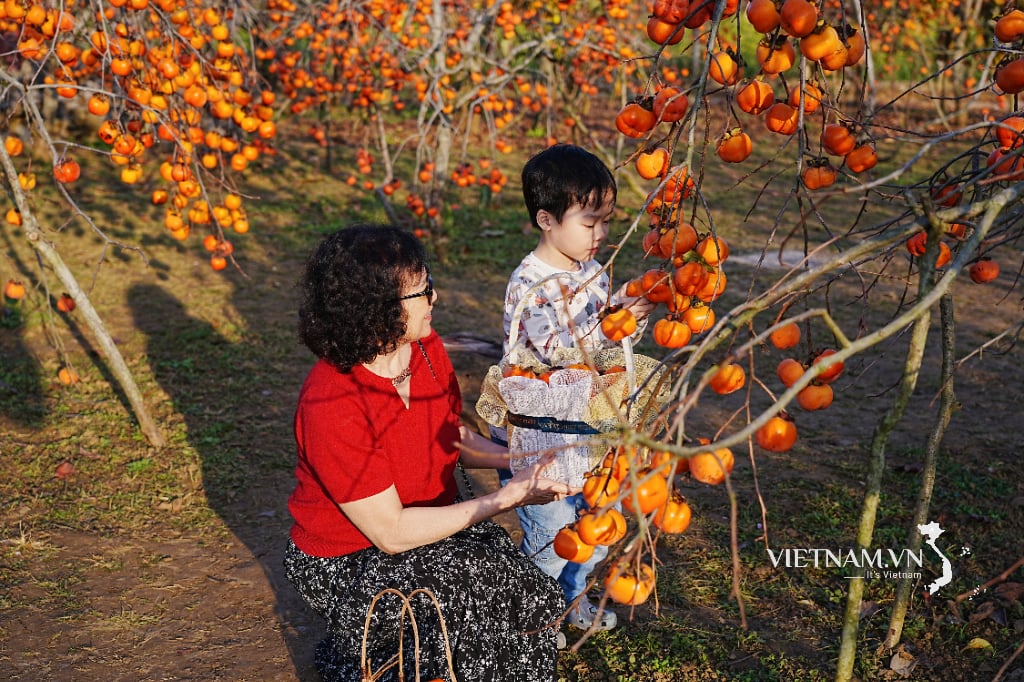
However, what is noteworthy today is that along with the increase in life expectancy, the quality of life, educational level, and access to technology of the elderly are also changing dramatically. Millions of elderly people still participate in production, business, scientific research, passing on skills, and making positive contributions to the community. They are not only beneficiaries of policies but also creators of value in life.
This realization is creating a significant shift in development thinking. Instead of simply viewing the elderly as a group needing care, the Party and the State are increasingly recognizing them as a vital resource for the country, and this represents a shift in national development thinking.
The shift is from viewing them as a group in need of support to seeing them as a resource for development. This is the foundation of the "silver economy "—a trend that many developed countries are now seeing as a new engine of growth for the present and the future.
In reality, the "silver economy" is not simply a market for goods and services for the elderly, but also a process of effectively leveraging the knowledge, experience, professional skills, and social prestige of a generation that has accumulated value over many decades. Thus, an aging population does not necessarily mean a country is becoming outdated. What determines whether that country knows how to transform human lifespan into a resource for development. Looking at the world , many countries have considered the "silver economy" a pillar in their long-term development strategies. For Vietnam, the opportunity is opening up, but time to prepare is running out.


The first essential step is to improve the institutional framework by moving beyond traditional welfare thinking. The elderly need to be recognized within human resource development strategies. The state needs to build a comprehensive policy system to encourage the elderly to continue contributing and creating value for society according to their individual abilities.
Another crucial task is developing the "silver economy" market. This is not just a matter for the healthcare or social welfare sectors, but involves urban planning, transportation, tourism, culture, finance, insurance, education, and digital technology. Currently, most products and services on the market still target middle-aged and young customers. Meanwhile, the elderly are becoming a large population group with increasingly diverse needs and higher purchasing power. If this trend is correctly identified, the "silver economy" will become a potentially lucrative growth area for businesses and the economy.
Alongside this, it is crucial to prepare social resources to adapt to an era of increasing life expectancy. Healthcare systems, cultural institutions, lifelong learning programs, digital transformation initiatives, and age-friendly living environments need to be invested in early and comprehensively.
In particular, society needs to eliminate invisible prejudices about age. In many places, the notion persists that older age equates to reduced ability to contribute. However, reality is proving that age is not a barrier to creativity, dedication, and value creation.



Population aging is an irreversible trend, but the "silver economy" presents a completely seizing opportunity. If we view population aging merely as a burden, we will only see pressure; however, if we recognize the elderly as a special social "capital," the "golden generation" of intellect and experience, Vietnam can completely transform this challenge into a new driving force for development.
Source: https://hanoimoi.vn/danh-thuc-tiem-nang-kinh-te-bac-1208799.html
![[Photo] Prime Minister Le Minh Hung presides over the thematic session on promoting science and technology development and innovation.](https://vphoto.vietnam.vn/thumb/1200x675/vietnam/resource/IMAGE/2026/06/23/1782207872934_ndo_br_dsc-1724-jpg.webp)