

The concept of land subject to planning regulations and common types of planning regulations.
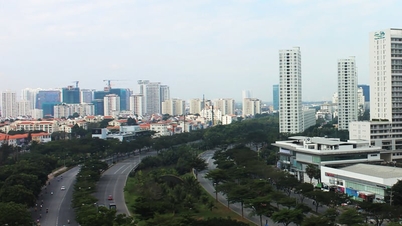
Land subject to planning regulations is a term commonly used to refer to land areas that fall within a scope designated by competent state authorities for future use, such as road construction, residential area development, or public works projects. Typically, this land may be included in land use planning, urban planning, or transportation planning.
Common types of planning currently in use include:
- Transportation planning
- Residential area planning
- Public works planning
- Urban planning or commercial project
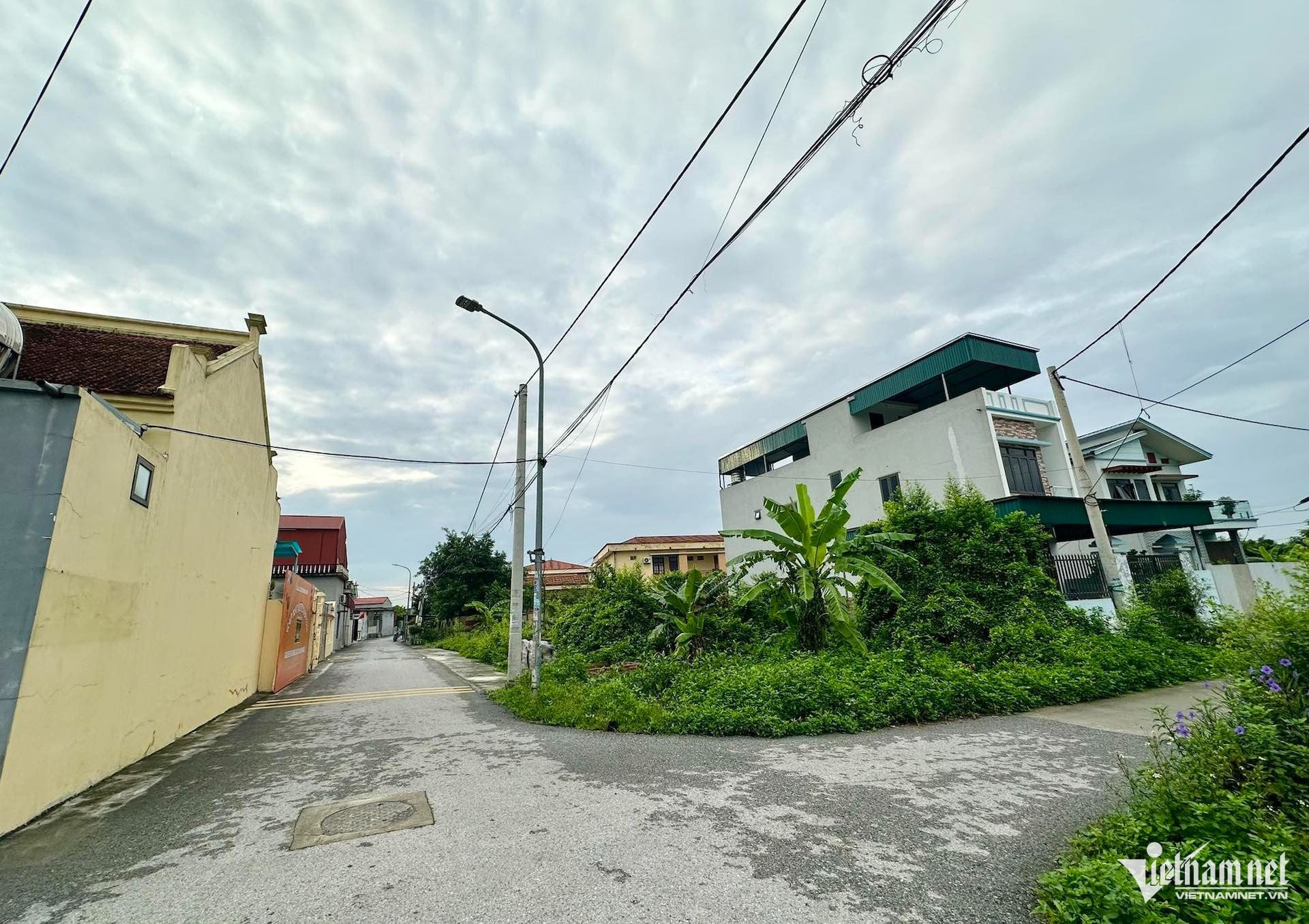
Regulations regarding the issuance of land ownership certificates for land located within planned areas.
According to current land law regulations, the issuance of land use right certificates (land title deeds) for land located within a planned area depends on whether that plan already has a specific land use plan.
If the land is only included in the planning but there is no annual land use plan at the district level, people can still exercise their legal rights such as registering for land use certificates, building houses, transferring ownership, etc., as usual. This is considered to ensure the rights of land users until the State carries out land acquisition according to the plan.
Conversely, if the land is already included in the annual land use plan announced by the State, people will have some rights temporarily restricted. Specifically, while awaiting land acquisition, the issuance of land ownership certificates, land subdivision, or changes in land use purpose will not be approved, in order to ensure the plan is implemented on schedule.
Can land designated for development be transferred or sold?
The issue of transferring land affected by zoning plans is one of the most common questions. The general principle is: if the land does not yet have an annual land use plan, the owner can still conduct transactions normally. Contracts for buying, selling, gifting, inheriting, etc., are all notarized and registered like other legally owned land.
However, once the land is included in a specific land use plan for that year, the right to transfer ownership is restricted. Land registration offices will usually not record changes in ownership in this case. If the transaction is still conducted using handwritten documents or improperly signed civil agreements, it may be invalid, causing losses to the buyer.
In some cases, when planning has dragged on for many years without implementation, residents can submit a request to the competent authority to consider adjusting or allowing temporary use or transfer of the land. However, this depends on the policies of each locality and must be specifically approved.
Common risks when buying land affected by zoning regulations.
Land buyers often focus only on location and price, paying little attention to planning regulations. As a result, there are many cases where people buy land that is slated for expropriation, leading to total loss or restricted use. Common risks include: inability to obtain a land title, inability to build, inability to subdivide the land, and a sharp decrease in market value.
Another risk is suspended planning – meaning a plan that has existed for a long time but has not yet been implemented. During this time, people's rights are "suspended," and they cannot carry out many land and housing procedures.
What should be done when land falls within a planned development zone?
To determine if a plot of land is included in the planning scheme, people can check official sources such as: the local planning information portal, the Department of Natural Resources and Environment, or the People's Committee at the commune or ward level. In addition, many places now provide online planning maps, allowing people to quickly search using coordinates or plot numbers.
If land is found to be within a planned area, the next step is to determine whether that plan already includes a specific land use plan. If not, people can still proceed with the procedures for obtaining a land title or conducting transactions. If a plan already exists, buying and selling should be temporarily suspended until an adjustment notice is issued or the plan's implementation period expires.
Understanding the planning status not only helps people protect their legal land use rights but also avoids disputes or financial risks when engaging in real estate transactions.
Source: https://vietnamnet.vn/dat-dinh-quy-hoach-co-duoc-cap-so-do-chuyen-nhuong-khong-2519032.html
































![[Photo] Reception to welcome General Secretary and President To Lam and his wife on their State visit to the Philippines](https://vphoto.vietnam.vn/thumb/1200x675/vietnam/resource/IMAGE/2026/06/01/1780295488620_vna-potal-chieu-dai-chao-mung-tong-bi-thu-chu-tich-nuoc-to-lam-va-phu-nhan-tham-cap-nha-nuoc-toi-philippines-8798060-7855-jpg.webp)






































































Comment (0)