

Sleep apnea causes patients to snore loudly, gasp for breath, and feel tired the next morning, which can affect sleep quality and overall quality of life.
According to the U.S. Centers for Disease Control and Prevention (CDC), insufficient sleep can contribute to numerous chronic diseases such as type 2 diabetes, cardiovascular disease, obesity, and depression. The agency also warns that more than 30% of American adults sleep less than the recommended amount.
Sleep apnea is among the symptoms that prevent continuous, healthy sleep in adults. Dr. Melissa Lipford, a neurologist at the Mayo Clinic, says sleep apnea is "a common disorder in which breathing is interrupted repeatedly during sleep." The American Medical Association estimates that about 30 million people have sleep apnea, but only 6 million are officially diagnosed.
Sleep apnea is divided into several types, including central sleep apnea, obstructive sleep apnea, and complex sleep apnea. Dr. Lipford says obstructive sleep apnea is the most common. This occurs when the muscles at the back of the throat relax, blocking all or part of the airflow into the lungs. The brain then senses the lack of oxygen, waking the person to reopen the airway.
These awakenings are often so brief that people don't remember them, but they occur multiple times during the night and can significantly affect sleep quality, potentially leading to other serious health consequences.
"Waking up multiple times during the night can lead to daytime sleepiness, poor concentration, and an increased risk of accidents while driving. Additionally, untreated sleep apnea can lead to high blood pressure, heart attacks, strokes, and memory problems," Lipford said.
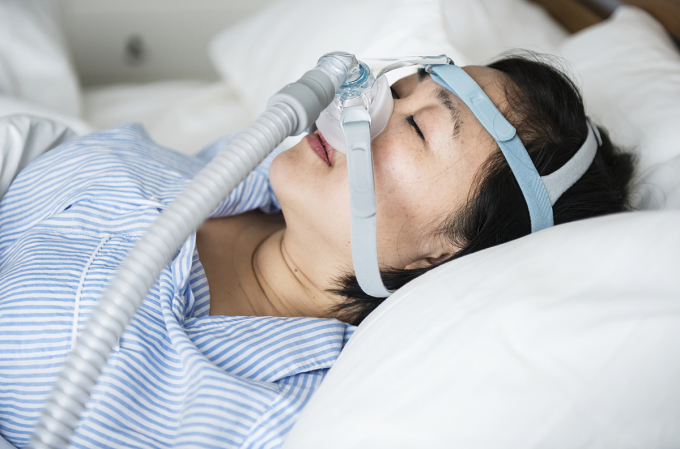
A woman wearing an anti-snoring device. Photo: Freepik
Signs of sleep apnea include loud snoring (due to blocked airways), gasping for breath during sleep, and fatigue despite sleeping through the night.
Although sleep apnea cannot be completely cured, doctors can treat it to minimize harm to the body. Experts recommend that if symptoms affect work or daily activities the following day, people should consult a doctor.
"During a health checkup, doctors don't always ask about sleep. So, you can proactively share any concerns related to this issue," says Dr. Lipford. The doctor will then suggest tests to measure the severity of the problem and the frequency of symptoms.
After diagnosis, your doctor will help you create a treatment plan that suits your needs.
Thuc Linh (According to USA Today )
Source link
































































































Comment (0)