

The dwelling place of ancient Vietnamese people
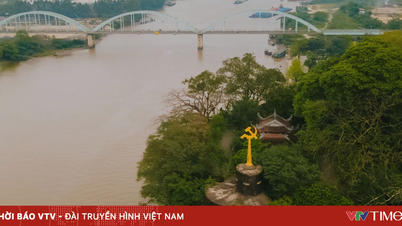
The Ngòi Nhù stream, also known as the Nhù stream (or Nậm Chăn stream), is formed by the confluence of streams from the upstream of the former Sơn Thủy commune, flowing meanderingly in a northwest direction. Upon reaching Văn Sơn commune, formerly Văn Bàn district, the stream changes direction, flowing northeast through Phú Nhuận commune before merging into the Red River at An Thắng village, formerly Sơn Hà commune (now Bảo Thắng commune).
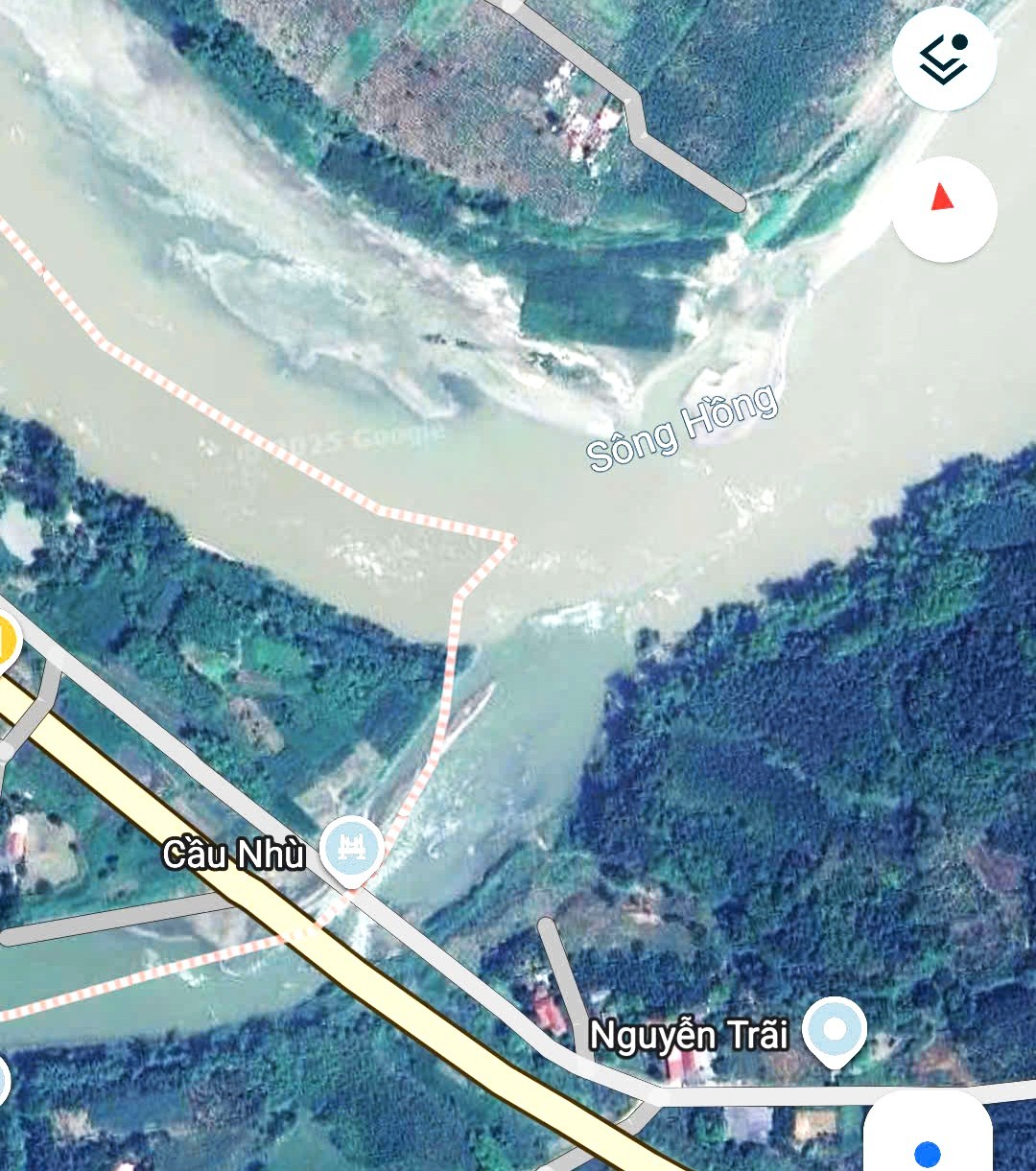
After a long journey of about 22 km, crossing many mountains and villages, An Thang village is formed by the alluvial deposits of the Ngoi Nhu stream and the Red River, creating a fertile land with lush greenery. Located at the confluence of three rivers, bordered on one side by the Ngoi Nhu stream and on the other by the Red River, An Thang village has a relatively flat terrain and fertile soil. For a long time, the people here have taken advantage of this to cultivate corn, bananas, and many other crops.
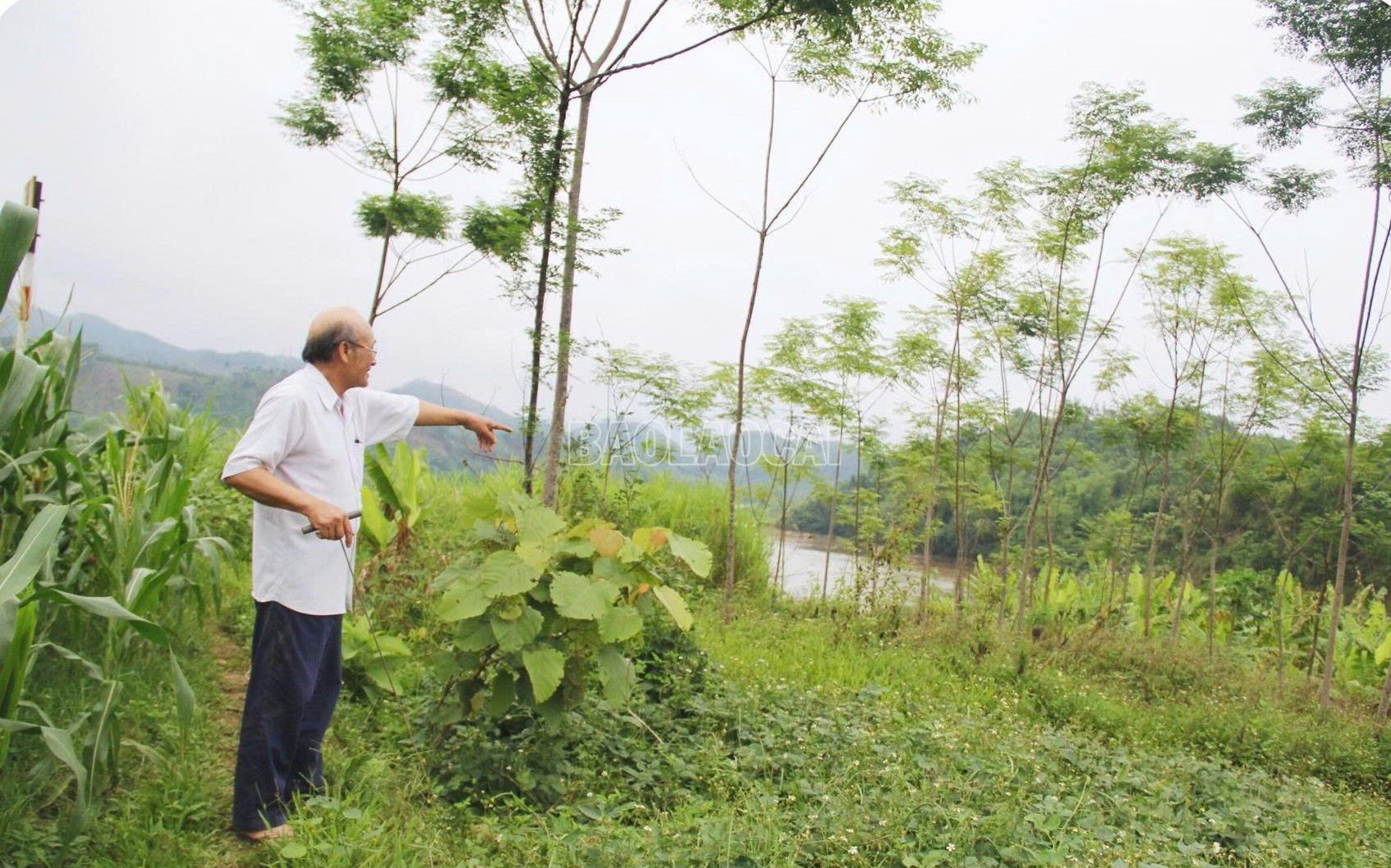
Leading us to the mouth of the Ngoi Nhu stream, Mr. Vu Thanh Lan, the head of An Thang village, said that he was born and raised by this stream. Having lived in his homeland for nearly 60 years, he had often heard the elders in the village recount that this was an ancient land, bearing many traces of ancient Vietnamese people.
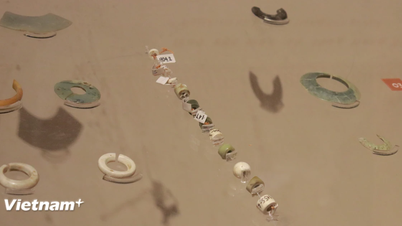
According to Mr. Lan, the area at the confluence of the rivers has a flat terrain, abundant water resources, and lush vegetation, making it very favorable for habitation and food gathering for prehistoric people. Beyond oral traditions, during the process of clearing land and cultivating crops along the Ngoi Nhu stream, local people discovered many stone and bronze artifacts, evidence of the existence of ancient people.
A land of diverse cultural strata.
Mr. Lan's story brought back memories of our first visit to this area about five years ago. At that time, Mr. Nguyen Van Ngoc, an elderly villager, said that his family had moved here from Hai Phong to clear land and establish a livelihood in 1960. During their time living along the Ngoi Nhu stream, Mr. Ngoc collected hundreds of stones that resembled fragments, stone axes, and stone pestles – tools used by ancient Vietnamese people.
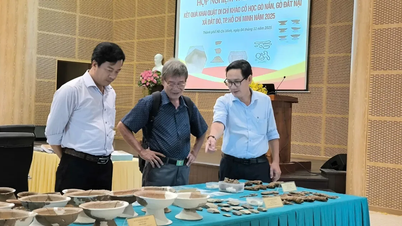
Later, when officials from the Lao Cai Provincial Museum came to survey and research, Mr. Nguyen Van Ngoc donated all the artifacts he had collected to the museum.
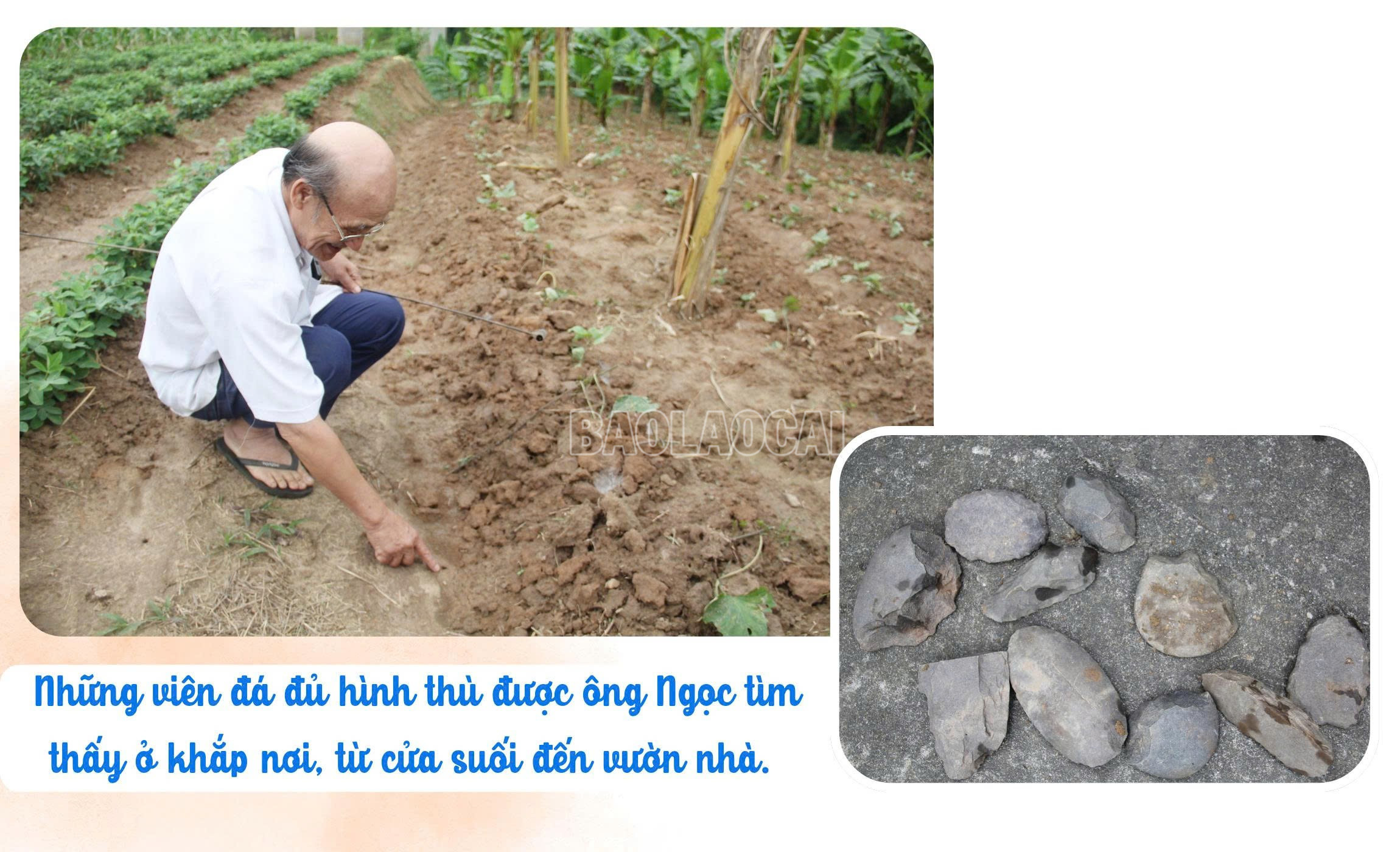
Ms. Bui Thi Huong, Deputy Director of the Lao Cai Provincial Museum, affirmed that the artifacts found along the Nhu stream completely match the stone tools of ancient Vietnamese people, dating back approximately 20,000-15,000 years, belonging to the Son Vi and Hoa Binh cultures. Based on this valuable information, in early May 2018, the Lao Cai Provincial Museum, in coordination with experts from the Southeast Asian Prehistory Center, the Institute of Archaeology, and local authorities, conducted surveys and excavations at several sites in the province.
The results show that the Ngoi Nhu site (Son Ha commune, former Bao Thang district) is where many artifacts belonging to the Son Vi culture (Old Stone Age) and Hoa Binh culture (New Stone Age) were discovered, dating from approximately 20,000 to 10,000 years ago, along with metal artifacts belonging to the Dong Son culture, dating from approximately 2,500 to 2,000 years ago. Through stratigraphic research, scientists determined that the Ngoi Nhu stream area has many cultural layers deposited over various historical periods, explaining why this site preserves a large number of archaeological artifacts.
The site needs to be protected for archaeological research.
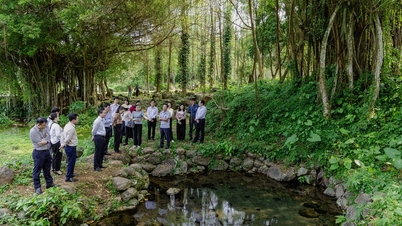
At the confluence of the Ngòi Nhù stream and the Red River today, Mr. Vũ Thành Lân - Head of An Thắng village - not only showed us fragments of stones shaped like tools used by ancient Vietnamese people, but also told us many related stories.
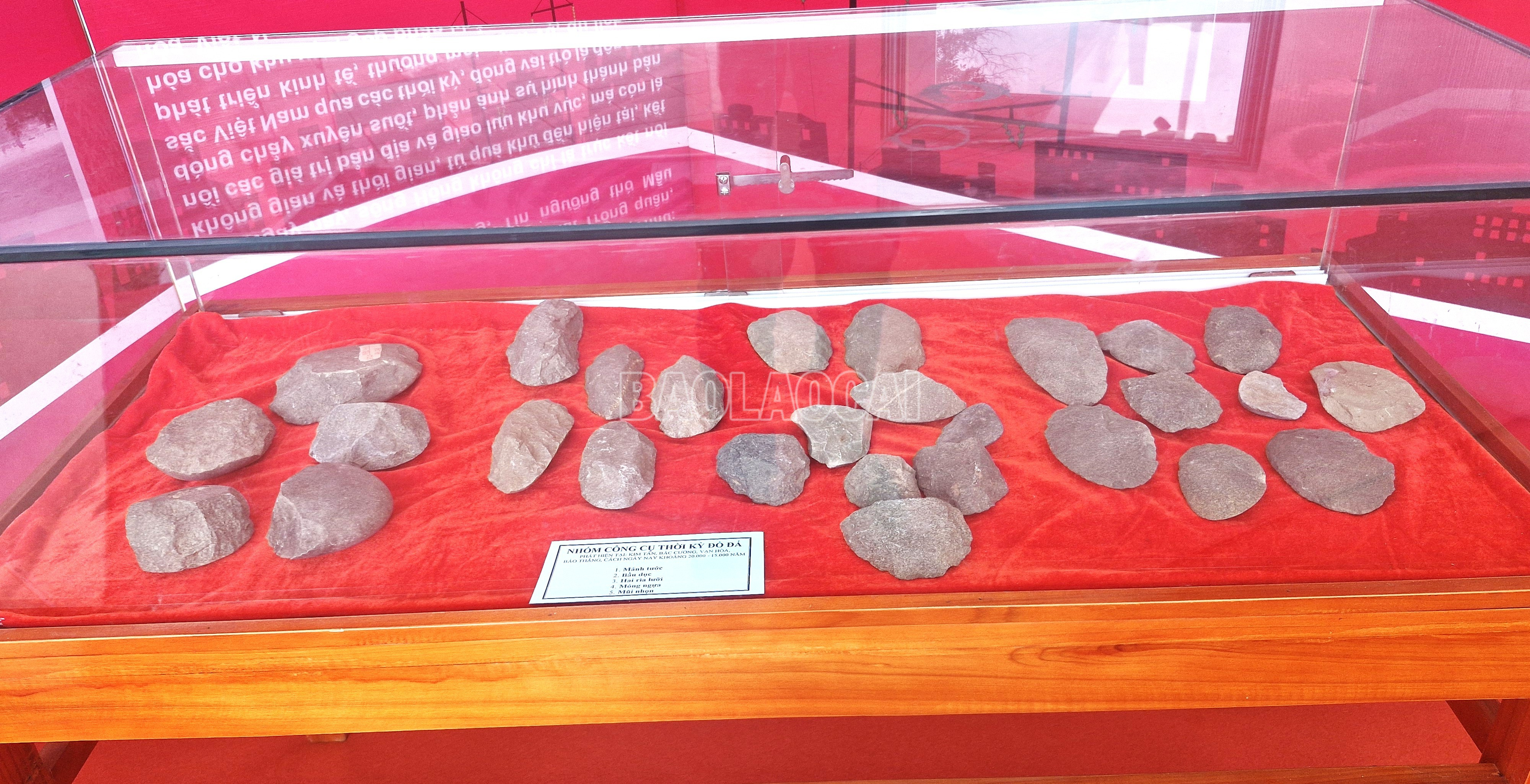
According to Mr. Lan, since local residents discovered many ancient artifacts in the Ngoi Nhu stream area, the information spread, attracting much attention. Besides the joy of having the cultural and historical value confirmed, there were also times when local people worried about the appearance of strangers with malicious intentions, secretly digging and searching for ancient artifacts.
An elderly man in An Thang village once recounted that one evening, he heard strange noises near the stream. When he went to investigate, he saw flickering lights and a group of people digging with hoes and shovels. The next morning, many deep pits appeared along the stream bank, riddled with traces of exploration; these people even left behind a nearly 2-meter-long iron probe used for searching for ancient artifacts, along with fragments of bronze and ceramic objects.
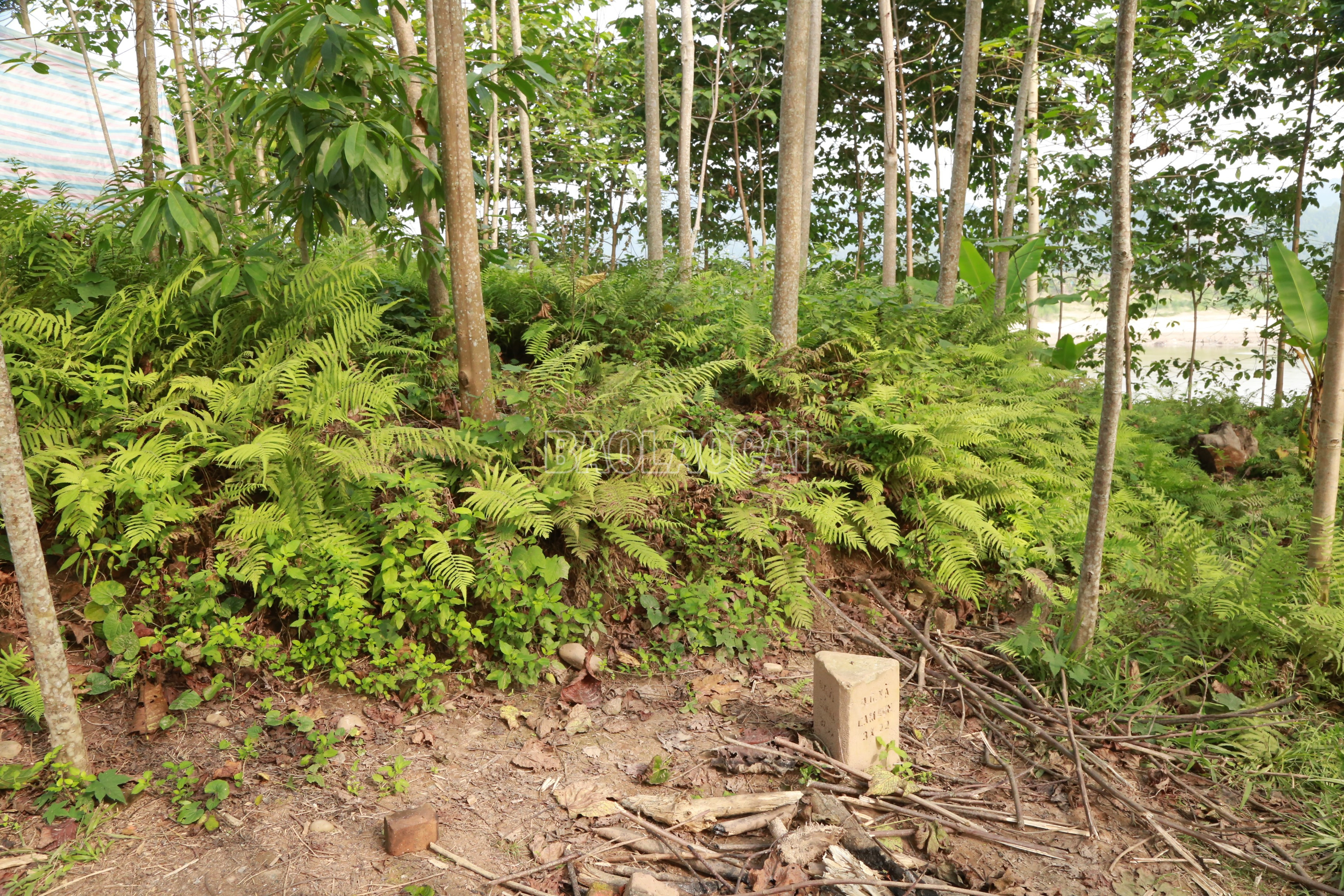
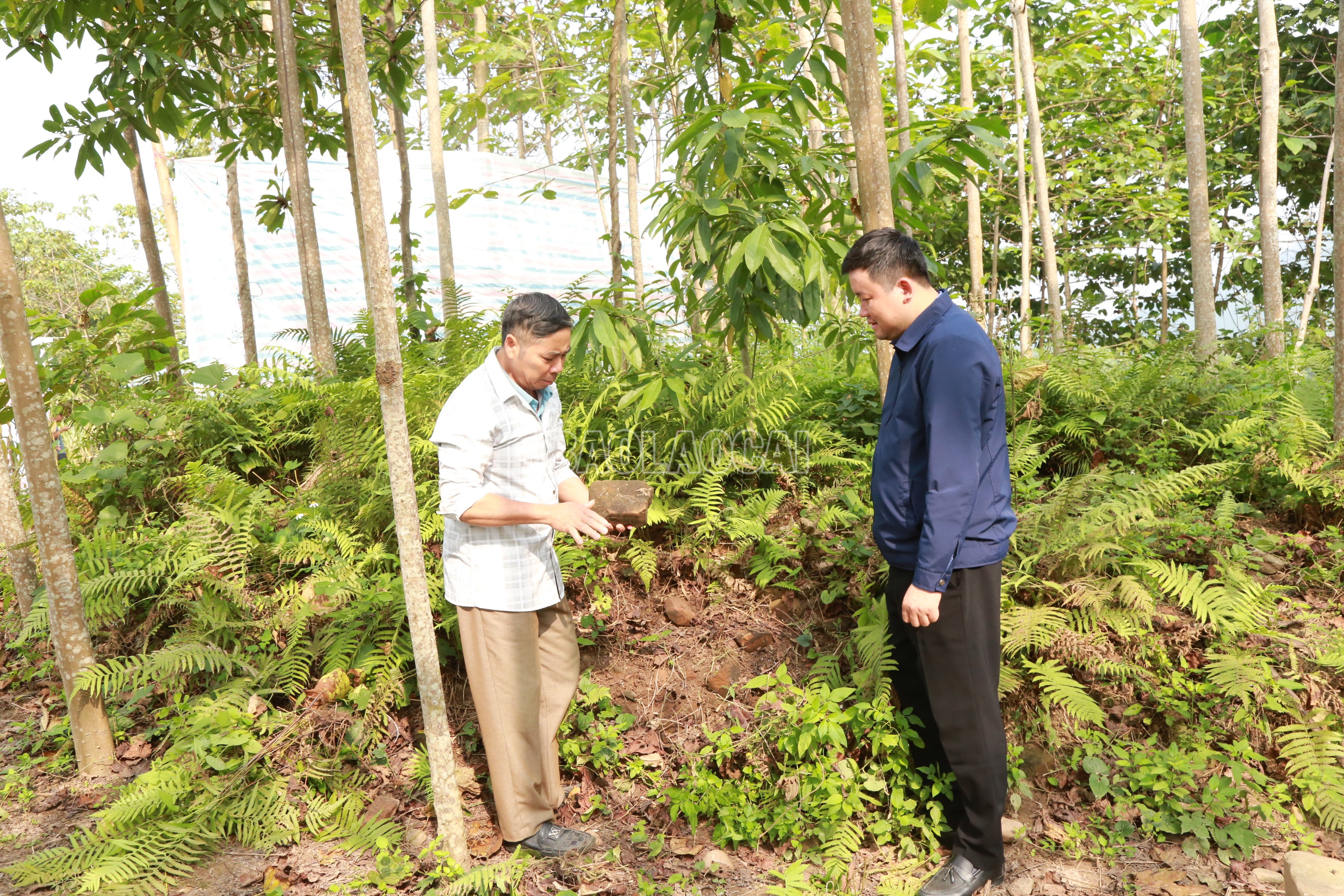
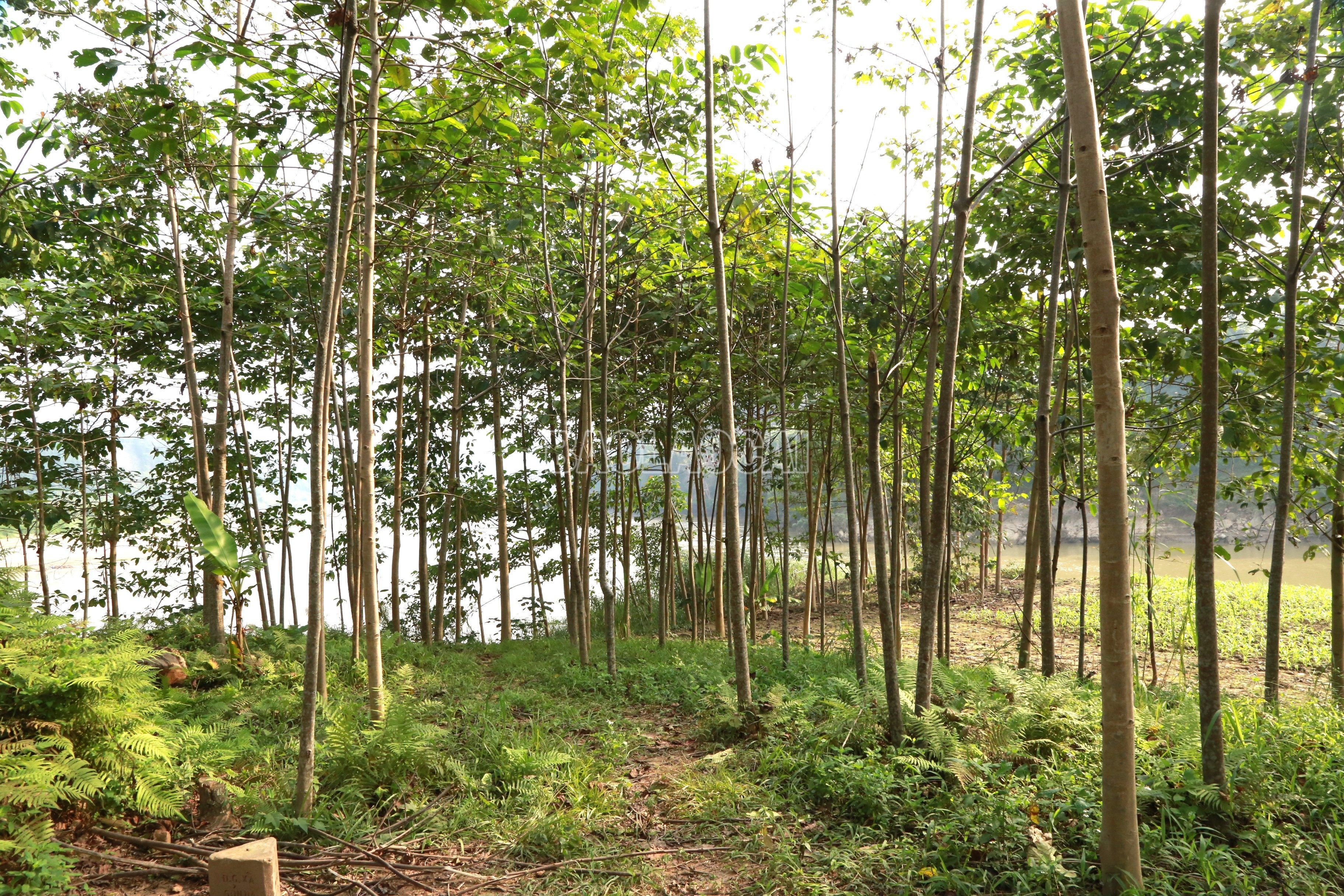
Returning to our conversation, Mr. Vu Thanh Lan pointed to a raised mound of earth overgrown with trees at the confluence of the Ngoi Nhu stream and said that since childhood he had heard the elders recount that this was the foundation of an ancient temple, though it was unclear when it was built or who was worshipped there. What remained were solid bricks, about 30cm long, used to build the foundation and walls of the temple. It is possible that this is the ruin of a structure related to spiritual culture that needs researchers to study and decipher.
Currently, the Ngoi Nhu archaeological site is receiving attention from researchers. Here, we met a delegation of faculty members, lecturers, and students from the Department of History, Faculty of Social Sciences and Humanities (Vietnam National University, Hanoi) who came to conduct field research.
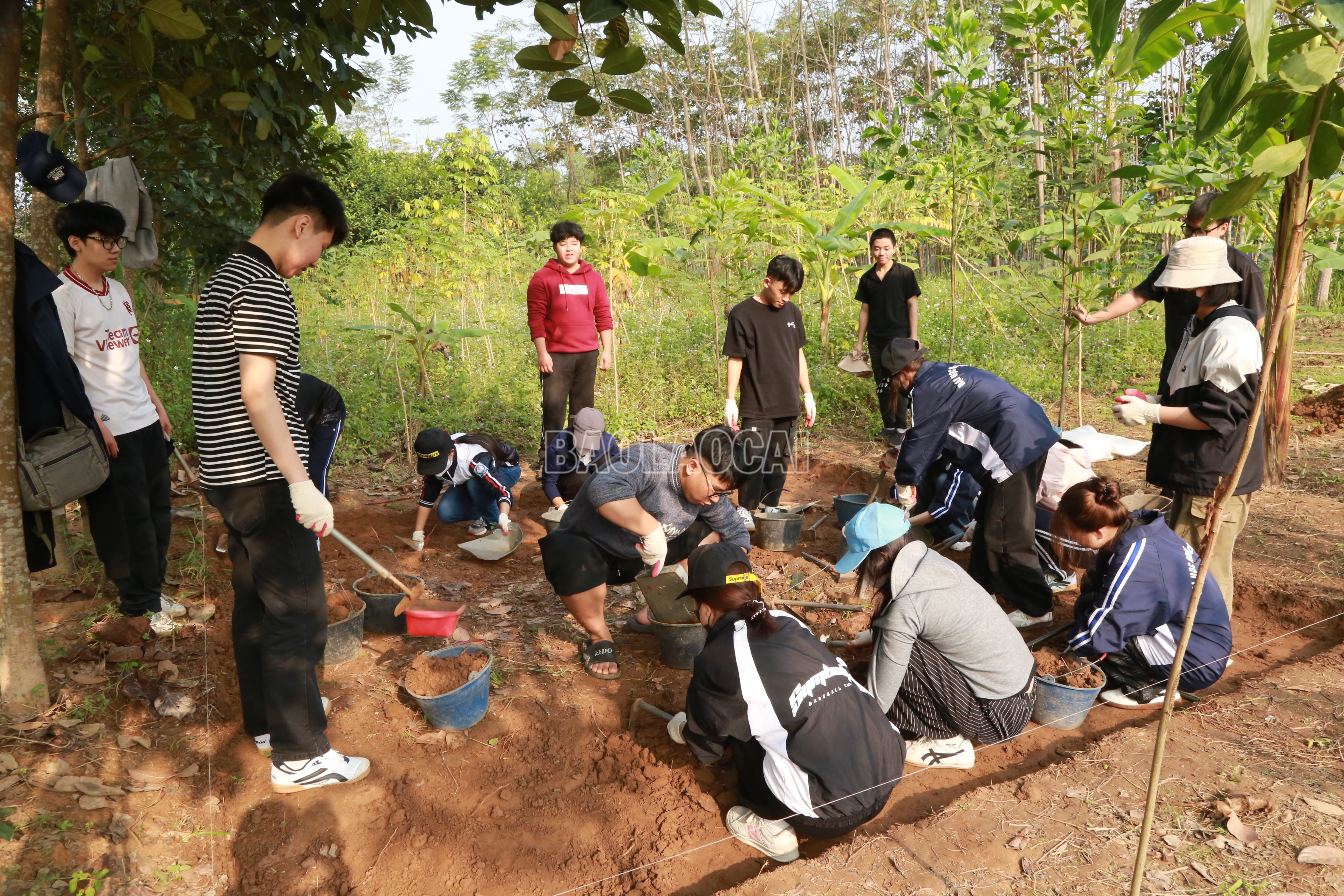
Nguyen Luu Anh, a student from the K70 cohort of the History Department at the University of Social Sciences and Humanities, said: "Directly surveying the site has helped me better understand the lives of ancient Vietnamese people tens of thousands of years ago. I am very happy and proud to have visited and learned firsthand about the site, gaining more information and knowledge to support my studies and archaeological research."
Mr. Hoang Van Diep, a lecturer in the History Department of the University of Social Sciences and Humanities (Vietnam National University, Hanoi), shared: "In areas where rivers and streams meet in Lao Cai province, there are often archaeological sites, including Ngoi Nhu. The artifacts found here reflect changes in the lives of people in the past through many historical periods. Taking students to these sites not only serves their studies and research but also contributes to educating them about history and national cultural heritage."
Amidst the lush, fertile land where the Ngòi Nhù stream merges with the Red River flowing from upstream, we clearly felt the historical depth of this region – a place where the earth still preserves many traces of prehistoric people and layers of ancient cultures. We hope that this site will continue to receive attention and protection from all levels and sectors, serving archaeological research and simultaneously fostering a love of history and heritage in future generations.
Source: https://baolaocai.vn/dau-tich-nguoi-viet-co-ben-suoi-ngoi-nhu-post889124.html



![[Photo] General Secretary and President To Lam presides over a meeting on preparations for the review of one year of operation of the three-tiered government system.](https://vphoto.vietnam.vn/thumb/1200x675/vietnam/resource/IMAGE/2026/06/02/1780391821195_a1-bnd-4595-9717-jpg.webp)

























![[Image] Affirming the aspirations and new standards of the Vietnamese real estate market in the new era.](https://vphoto.vietnam.vn/thumb/1200x675/vietnam/resource/IMAGE/2026/06/03/1780441948766_giai-thuong-bat-dong-san-2026-minh-duy-6-7364-jpg.webp)

















































Comment (0)