

Peace in every home
"I wish my parents would pay more attention to me..."
"I think parents shouldn't compare their children to other people's children..."
"My family also experiences domestic violence..."
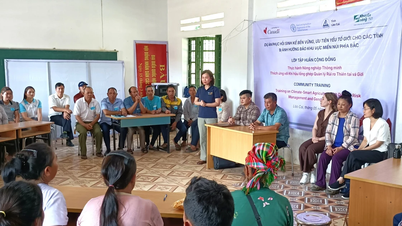
The heartfelt words of the children during a media event in the mountainous region of Bac Ha moved many to tears. Their wishes weren't grand; all they needed was to be loved, listened to, and to live safely in their own homes.
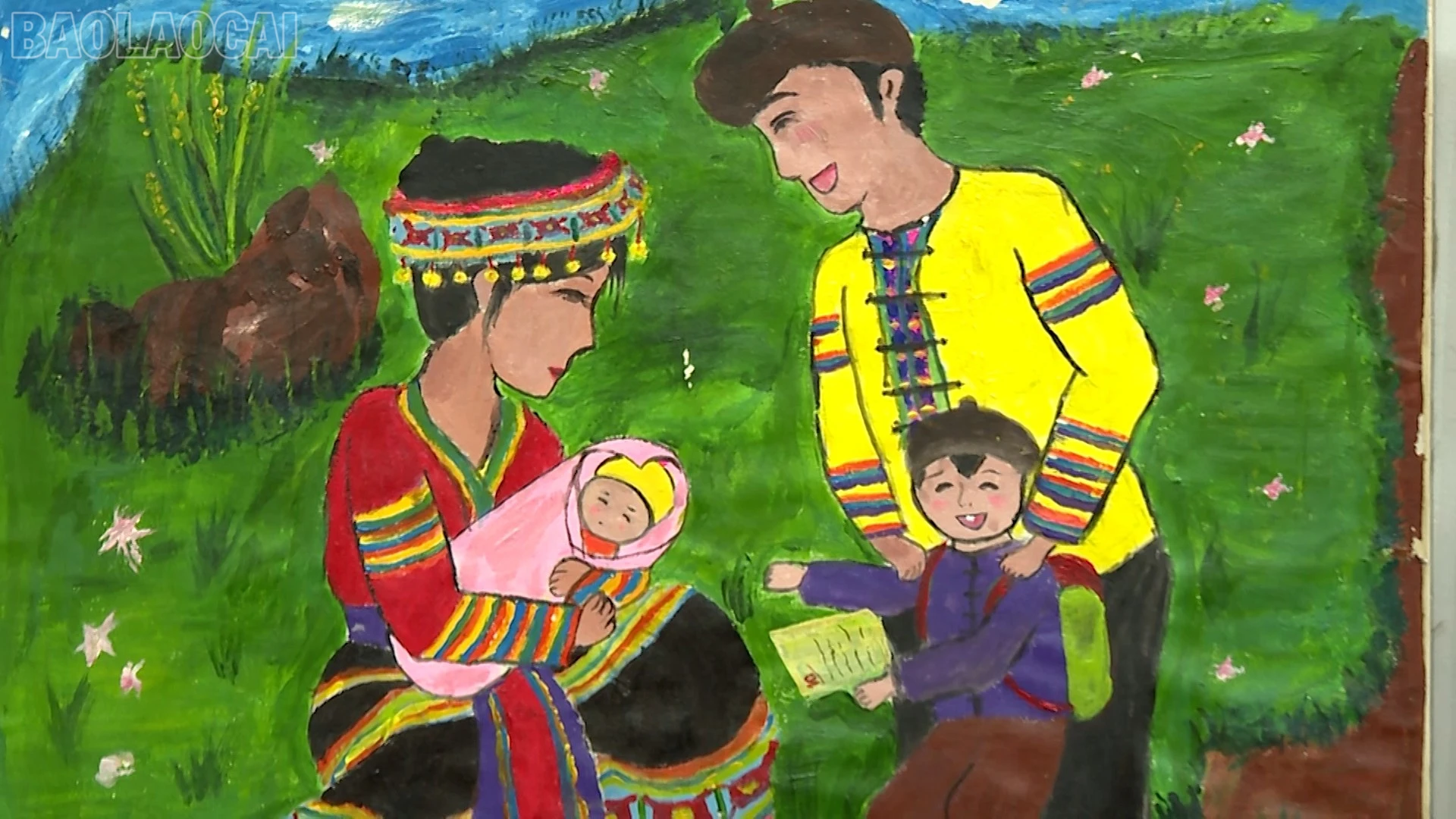
Children need to grow up surrounded by laughter, protection, and peaceful embraces. Yet, acts of violence and abuse still occur, leaving deep physical and psychological scars. Some children carry fear throughout their childhood simply because they lack the attention of adults. Others silently withdraw after beatings, scolding, or the invisible pressure from their own families.
In Si Ma Cai commune, these days, Vang Thanh Thao, a student at Can Cau Primary School, can focus on her studies without worrying about her parents having to work far away from home as before.
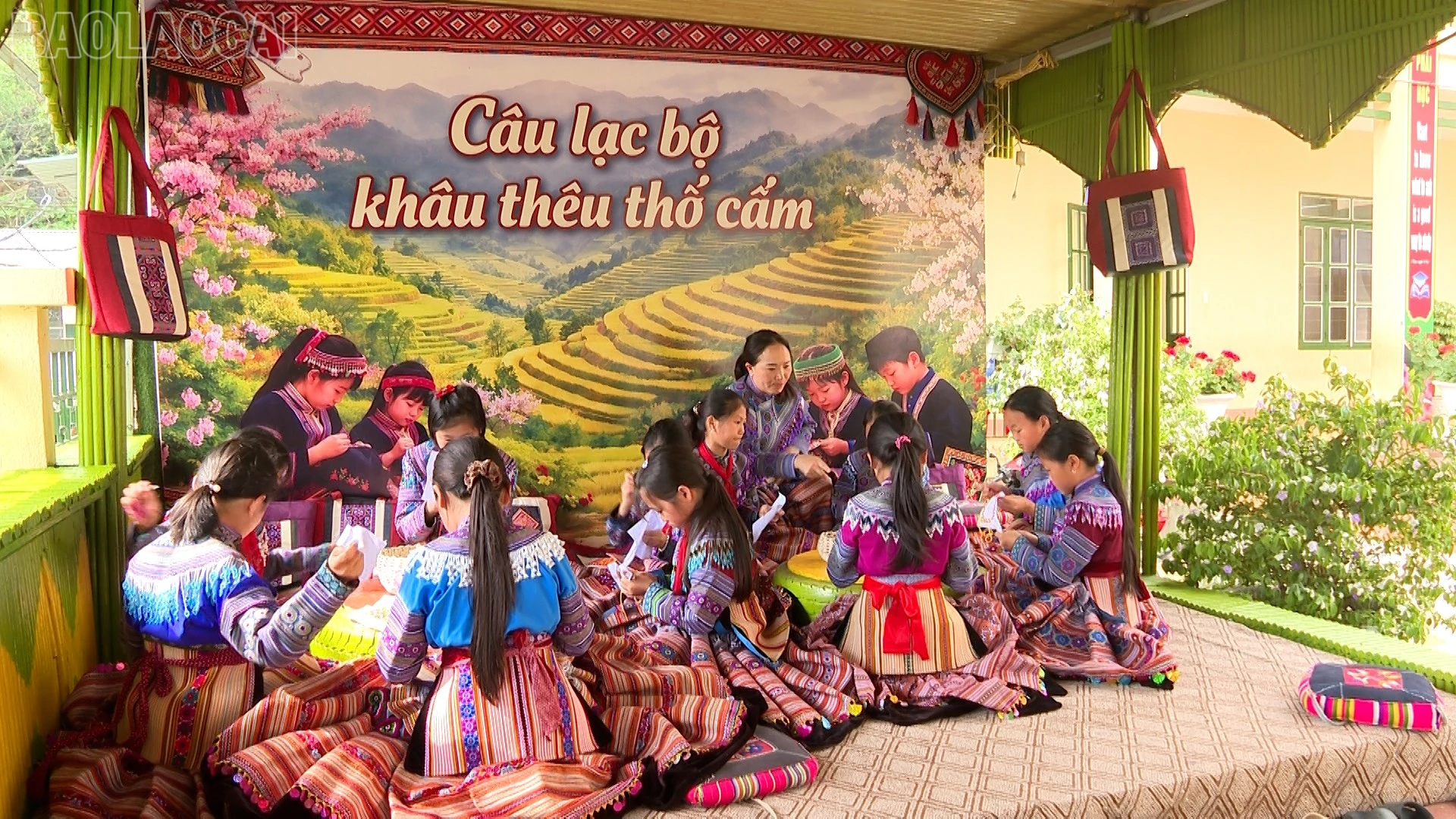
In the eyes of this little girl from the highlands is the simple joy that many children always long for: "My family isn't well-off, so my parents used to work far away. But now they've come back to take care of us. I don't have anything to worry about anymore," Thao happily shared.
That innocent remark made the listener feel more acutely the emotional void that many children in mountainous regions have faced. The struggle for survival forces many parents to leave their hometowns for work far away, leaving their children with grandparents or to care for themselves. Lacking the closeness and sharing of family, many children easily fall into feelings of inferiority, insecurity, or face the risk of violence and abuse.
Beyond physical harm, many experts believe that indifference, authoritarianism, or comparisons within the family can also leave psychological scars on young children.
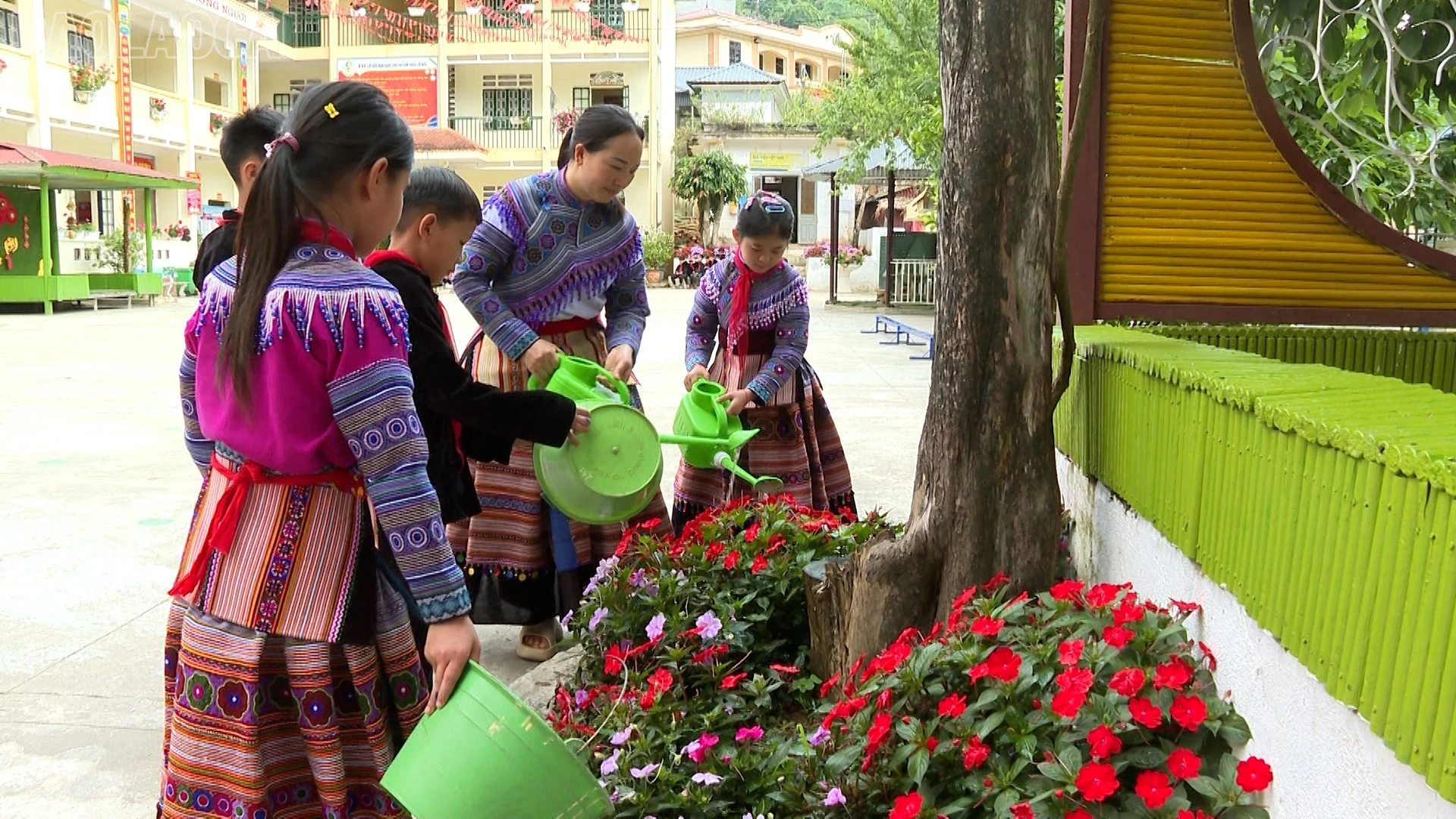
Ms. Nguyen Thi Thuy Hang, Principal of Can Cau Primary School, said that recently, the school has recorded a few cases of students experiencing mild psychological distress due to domestic violence. Upon noticing any unusual signs, the teachers quickly intervened; on one hand, they contacted the families to understand the situation, and on the other hand, they encouraged and supported the students to overcome their feelings of shame and guilt .
Over the years, numerous communication and education activities focusing on life skills and self-protection have been widely implemented in schools and communities in Lao Cai. The content extends beyond simply disseminating legal information; it also aims to change the perceptions and behaviors of adults towards children.
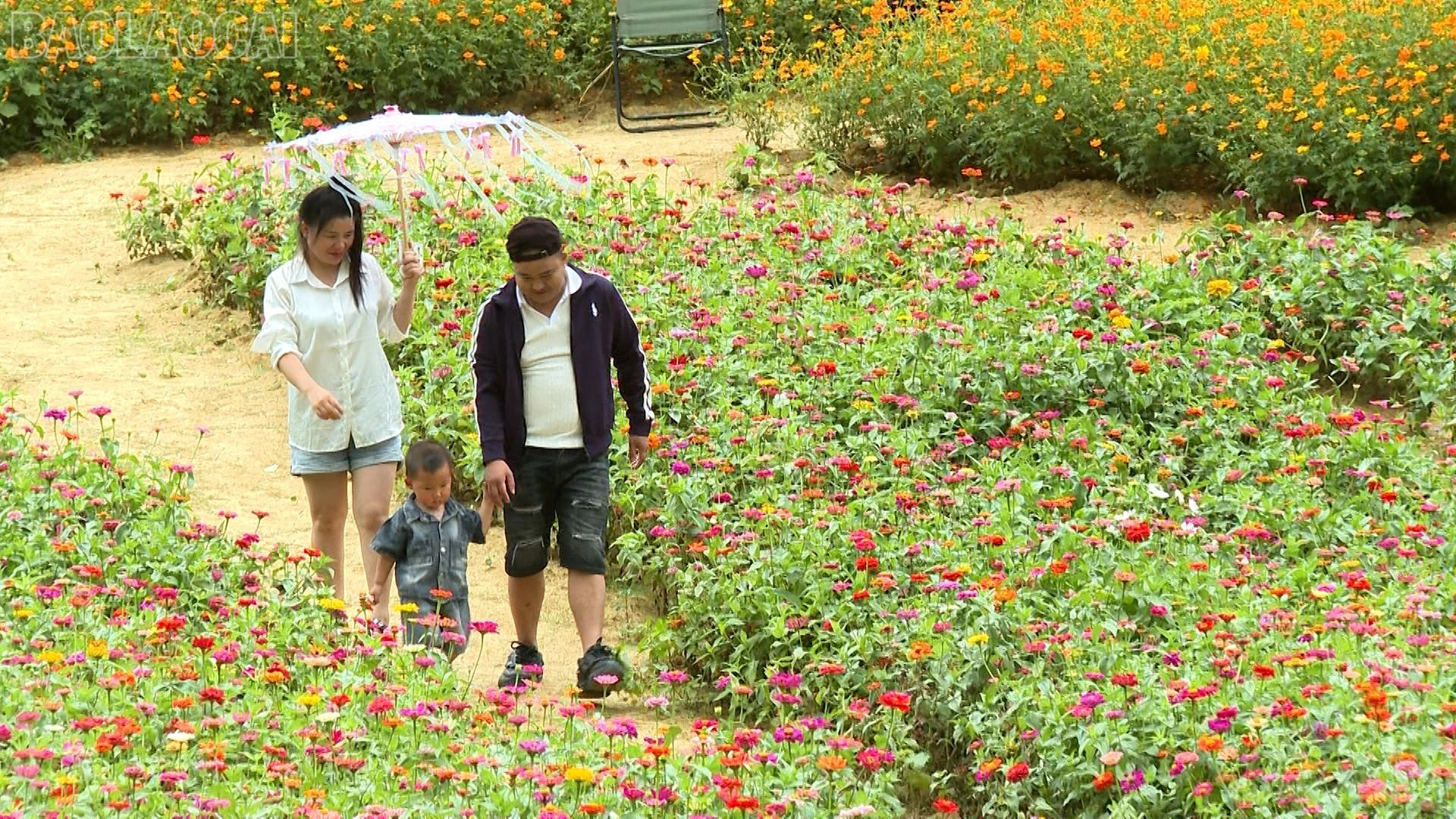
Ms. Vang Thi Mai, Chairwoman of the Women's Union of Si Ma Cai commune, said that the locality is strengthening activities to help children acquire more self-protection skills against dangers in life.
"We have four Leaders for Change clubs, eleven media teams, and two trusted addresses. These serve as both centers for disseminating information about the law and for protecting children and women from the risk of violence and abuse in the family and community," Ms. Mai added.
Building a "shield" to protect children from the community.
Protecting children cannot begin only after an incident has occurred. More importantly, it is crucial to create a safe "shield" early on within the family and community.
The province currently maintains nearly 1,000 models for preventing and combating domestic violence with nearly 22,000 participating members; and has established more than 620 trusted addresses in the community to support victims when incidents occur.
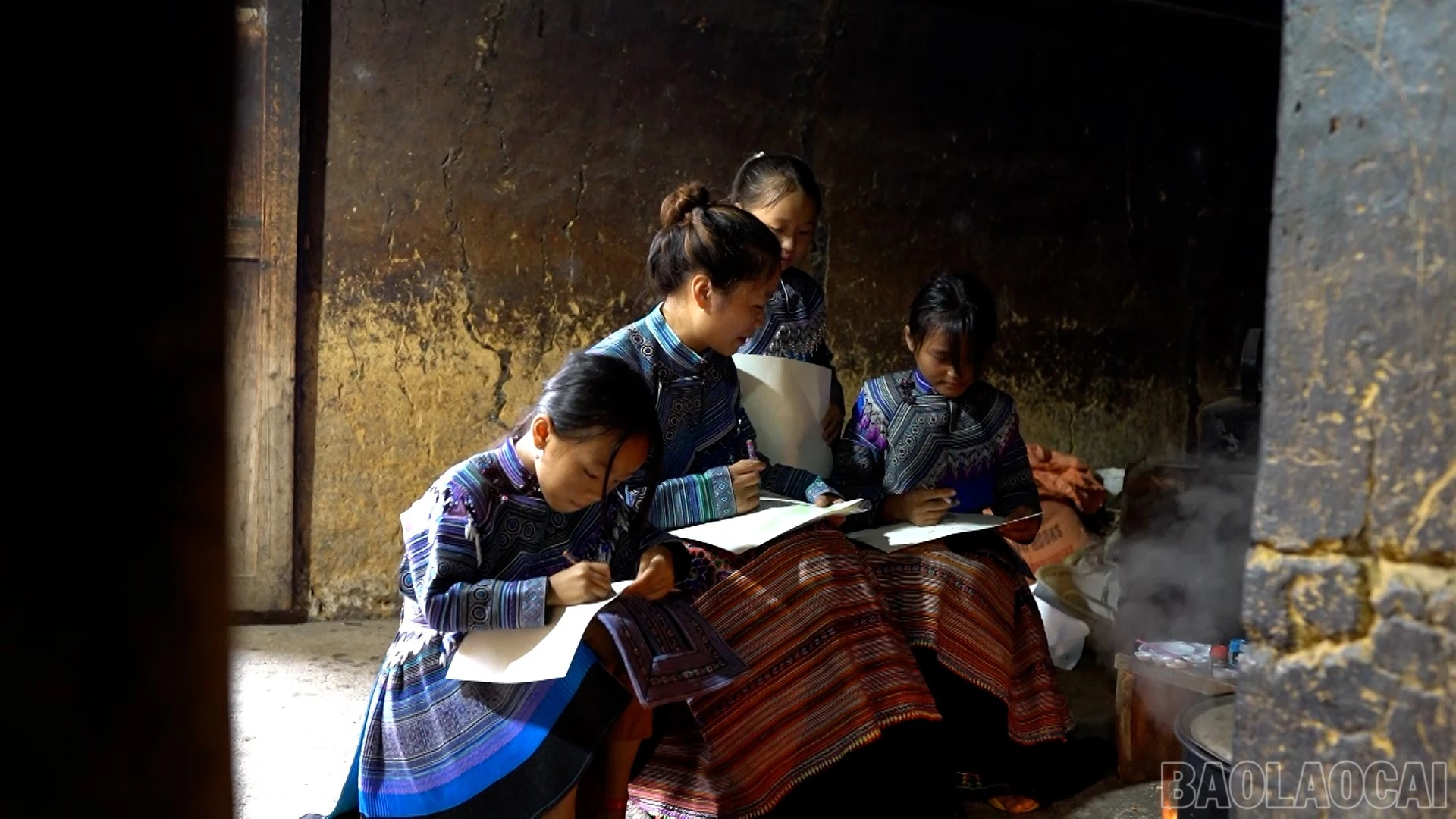
Behind those figures lies the persistent effort of local authorities, organizations, and social workers to extend their "protective embrace" to children in remote and disadvantaged areas.
Alongside awareness campaigns, the province has consistently implemented timely detection, support, and intervention measures. During the period 2020-2025, functional forces detected and handled 165 cases related to child abuse involving 176 perpetrators. 100% of children who were victims of violence or abuse received support and intervention as prescribed by law.
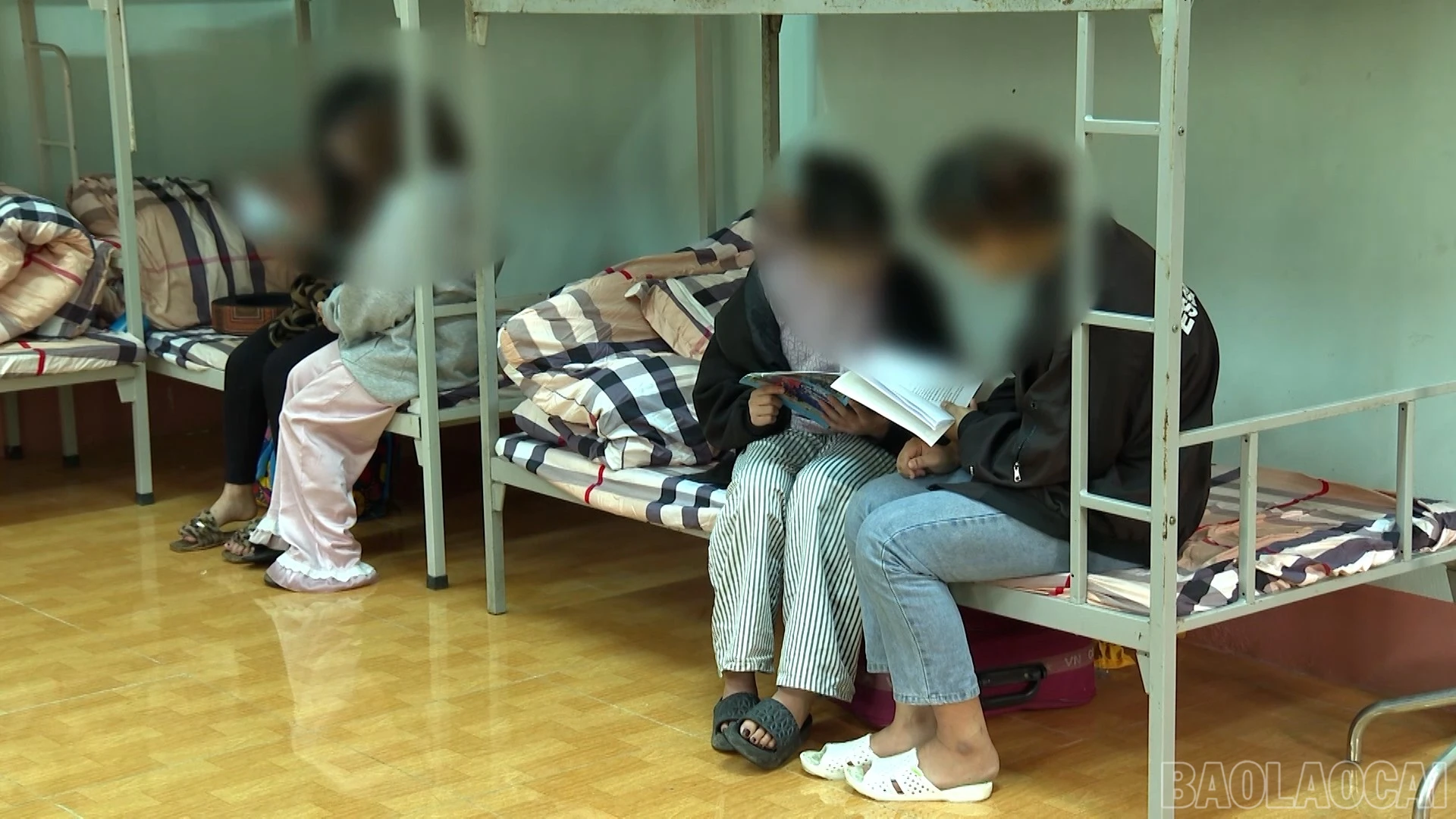
From 2017 to the present, the Provincial Center for Social Work and Social Protection has managed more than 400 cases of children in extremely difficult circumstances; and has also provided emergency intervention for dozens of cases of child abuse and exploitation.
For those working in child protection, every call, every piece of information received is a race against time to ensure the safety of children.
Ms. Le Thuy Ha, Head of the Social Work and Emergency Support Services Department at the Social Work and Social Protection Center No. 2 in Lao Cai province, said: “As soon as we receive the information, we send specialized staff to coordinate with local authorities and families to intervene and support the children promptly. Since the beginning of the year, the center has supported 6 cases of child abuse and exploitation.”
It's not just about material or legal support, but also about helping children overcome psychological crises and regain a sense of security after trauma.
Protecting children begins with the care of adults.
Despite achieving many positive results, child protection efforts, especially in mountainous areas, still face numerous challenges. In remote and isolated regions, legal awareness among some residents remains limited; many parents do not genuinely care about their children's psychological well-being.
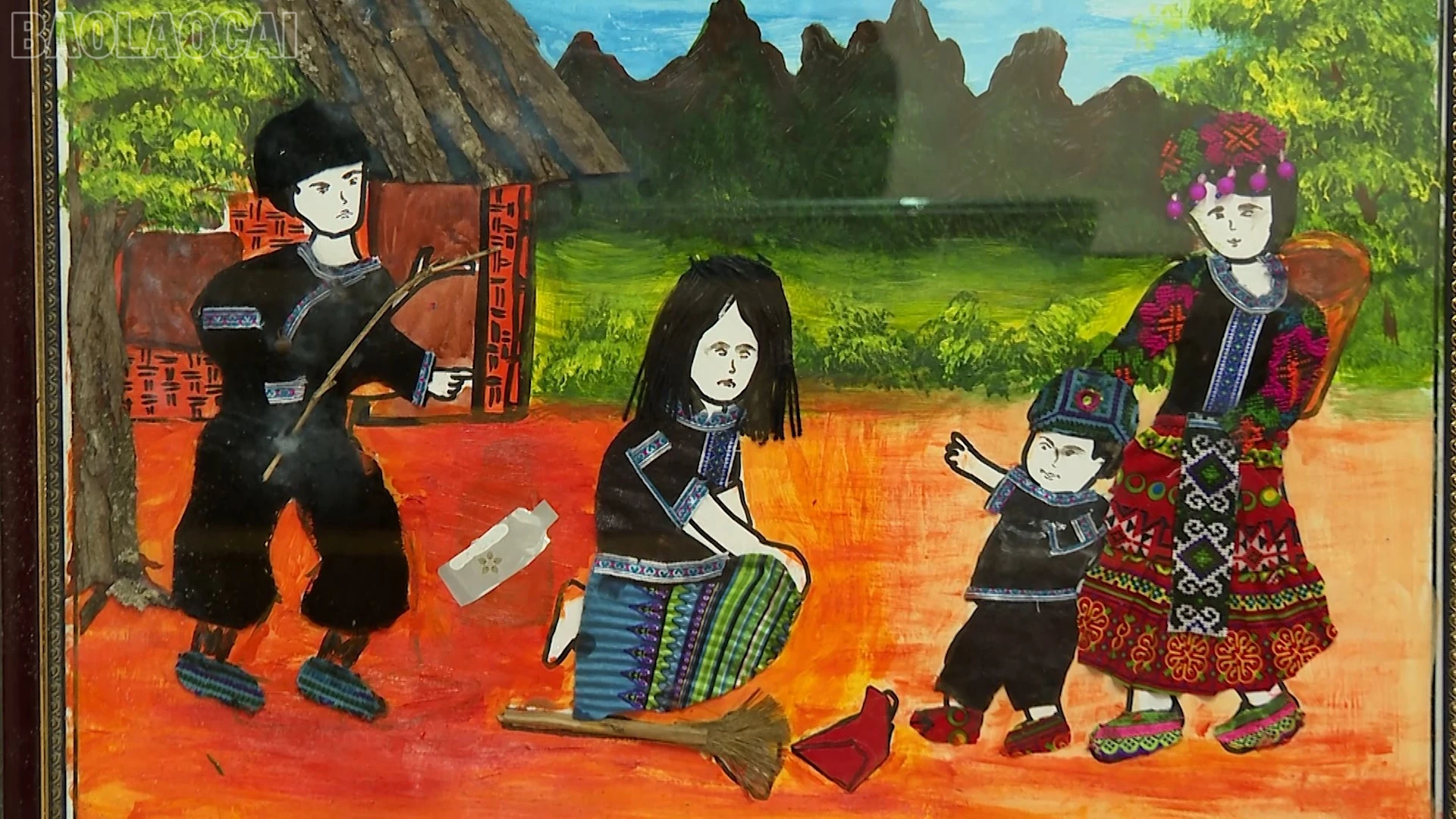
Meanwhile, the development of social media and the internet environment also exposes children to new risks. Many children lack the skills to identify and protect themselves from scams, manipulation, or violence in cyberspace.
This reality shows that protecting children is not only the responsibility of the authorities, but also requires the involvement of families, schools, and the wider community.
In document No. 3026/UBND-VX dated April 21, 2026, the Chairman of the Provincial People's Committee requested departments, agencies, and localities to continue effectively implementing the tasks according to Decision No. 782/QD-TTg of the Prime Minister , aiming to improve the effectiveness of prevention, detection, intervention, and support for children at risk of or currently engaged in illegal labor.
The People's Committee of Lao Cai province also requested increased inspection and supervision, timely detection and strict handling of organizations and individuals using child labor in violation of the law, contributing to ensuring a safe and healthy living environment for children in the area.
Recently, the People's Committee of Lao Cai province also issued a plan to implement the "Program for Protecting and Supporting Children's Development in the Online Environment giai đoạn 2026 - 2030" with a "dual objective": both strengthening child protection and supporting children's healthy and positive development, enhancing digital skills in the context of national digital transformation. Accordingly, the province will develop and implement technological solutions to support digital skills education, counseling, and smart support for children; while ensuring that 100% of children who are victims of online abuse receive timely support and intervention when needed.
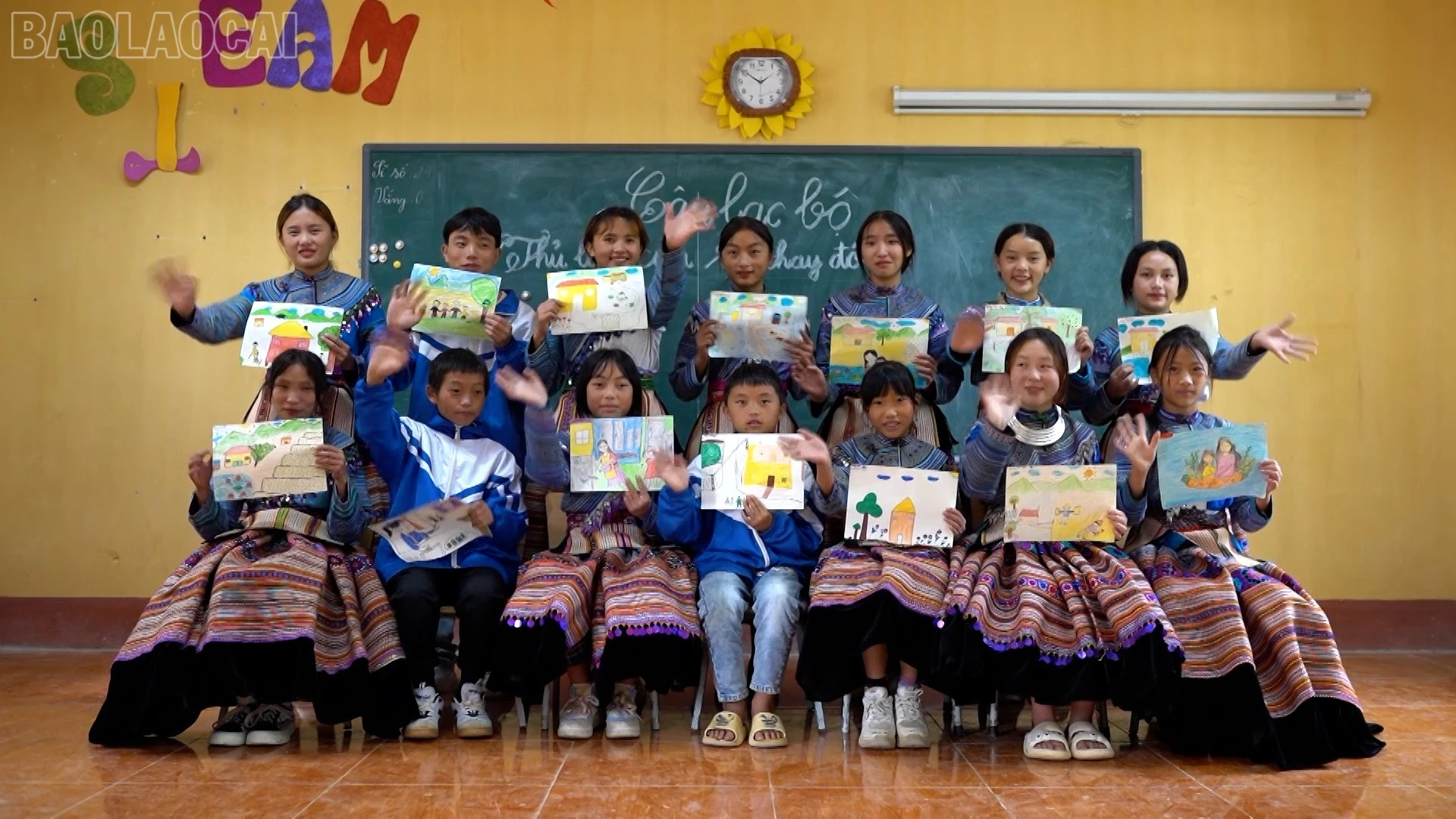
Only when children live in a safe environment, are respected, and are protected by genuine love can they grow up confident, happy, and become a solid future for society.
Source: https://baolaocai.vn/de-tre-em-duoc-lon-len-trong-yeu-thuong-post900303.html

![[Photo] The courage of new recruits of Brigade 144 on the training ground.](https://vphoto.vietnam.vn/thumb/1200x675/vietnam/resource/IMAGE/2026/05/27/1779881651341_anh-man-hinh-2026-05-27-luc-18-32-52.png)
![[Photo] The heat at the fireworks display site on the opening night of the Da Nang International Fireworks Festival 2026](https://vphoto.vietnam.vn/thumb/1200x675/vietnam/resource/IMAGE/2026/05/27/1779889741485_ndo_br_z7872039145157-fecaba5112f39e8352544099d7ef4738-5140-jpg.webp)




























































![[Photo] The courage of new recruits of Brigade 144 on the training ground.](https://vphoto.vietnam.vn/thumb/402x226/vietnam/resource/IMAGE/2026/05/27/1779881651341_anh-man-hinh-2026-05-27-luc-18-32-52.png)


























Comment (0)