

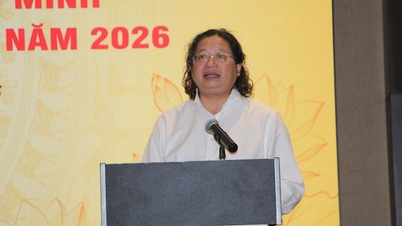
Mr. Quan stated that the Vietnam National University Ho Chi Minh City is developing specific standards and conditions for this plan. The program targets talented students in all high schools, not just specialized schools. It is expected that students will learn through MOOC (Massively Multi-Course Online Courses) online lectures from member universities, and then take an in-person exam to receive credit recognition.
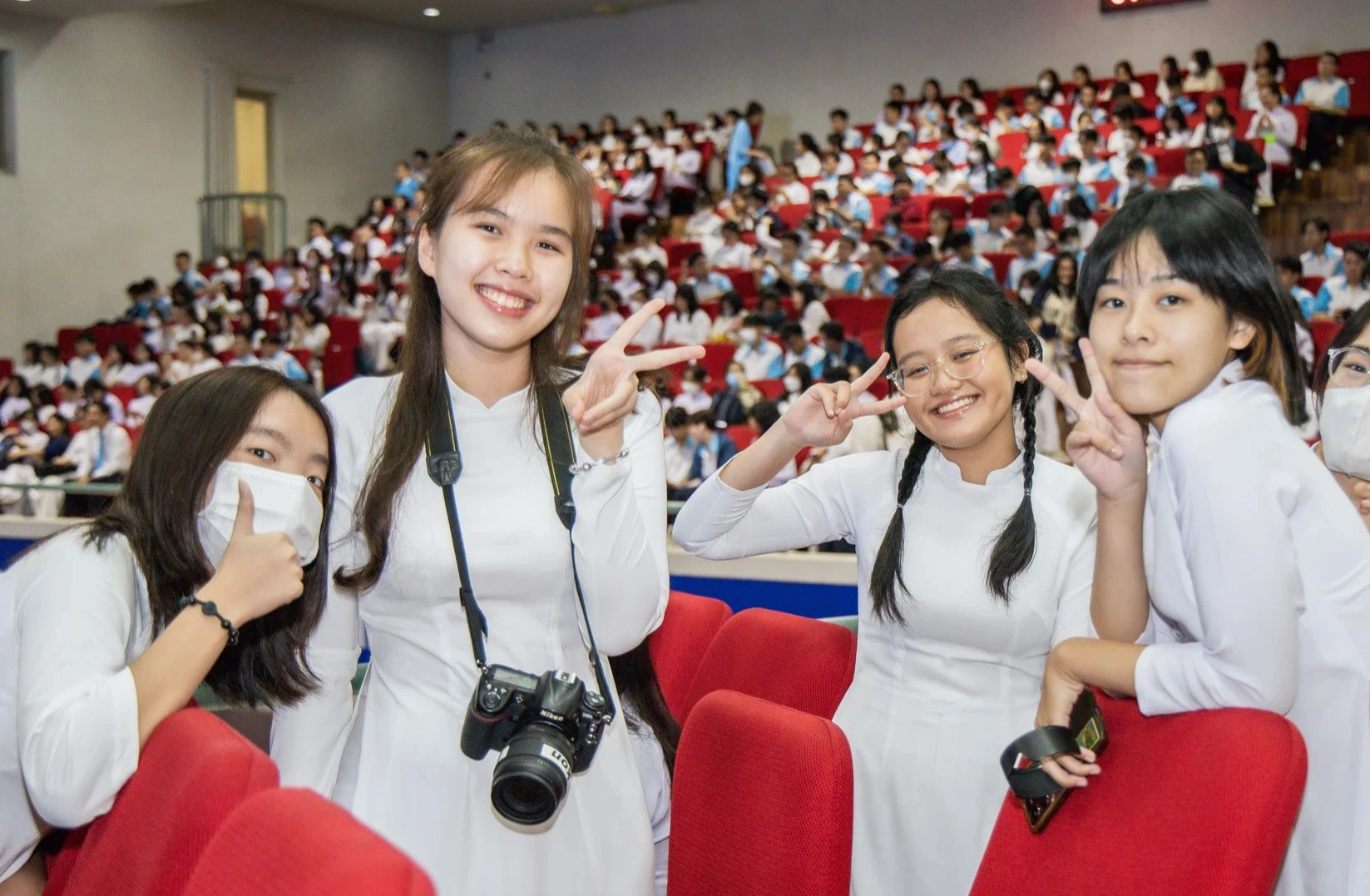
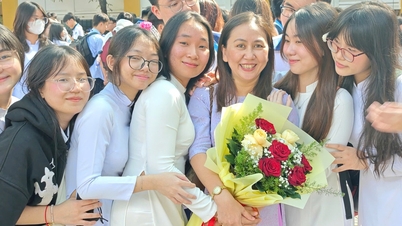
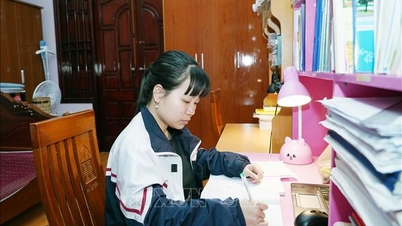
Students from the High School for the Gifted, affiliated with the Vietnam National University Ho Chi Minh City.
"If the project is implemented, talented students could shorten their university studies by up to one year. Importantly, this is an opportunity for students to familiarize themselves with the university environment and get early career guidance," Mr. Quan commented.
This is not the first time the Vietnam National University Ho Chi Minh City (VNU-HCM) has proposed this. More than 10 years ago, the university had a plan for high school students to study and take credit-based exams in some university-level subjects. At that time, the plan was intended to be piloted with gifted students from the High School for the Gifted under VNU-HCM. However, the member schools did not reach a consensus due to issues related to tuition fees, credit allocation methods, and student learning formats.
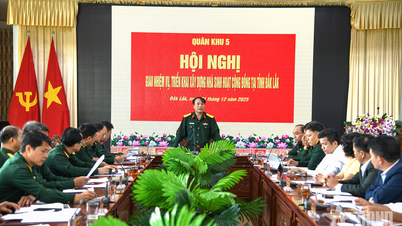
Also at yesterday's conference, Mr. Vu Hai Quan stated that one of the key tasks for the coming year of the Vietnam National University Ho Chi Minh City is to implement the project "Attracting, retaining, and developing outstanding young scientists and leading scientists working at the Vietnam National University Ho Chi Minh City." This includes piloting a new method of evaluating staff, officials, and employees based on output results, and researching and proposing a restructuring plan for the High School for the Gifted.
According to Associate Professor Vu Hai Quan, the Vietnam National University Ho Chi Minh City will also open several new interdisciplinary, inter-university training programs to serve the country's development needs, such as: semiconductor technology - integrated circuit design, new energy technology, and green growth models. In addition, the university will increase the number of postgraduate students and the number of international publications by postgraduate students...
Source link
![[Photo] Prime Minister Pham Minh Chinh presides over a meeting on private sector economic development.](/_next/image?url=https%3A%2F%2Fvphoto.vietnam.vn%2Fthumb%2F1200x675%2Fvietnam%2Fresource%2FIMAGE%2F2025%2F12%2F20%2F1766237501876_thiet-ke-chua-co-ten-40-png.webp&w=3840&q=75)

![[Photo] Prime Minister Pham Minh Chinh presides over the conference announcing the establishment of the International Finance Centre in Vietnam.](/_next/image?url=https%3A%2F%2Fvphoto.vietnam.vn%2Fthumb%2F1200x675%2Fvietnam%2Fresource%2FIMAGE%2F2025%2F12%2F21%2F1766309817714_ndo_br_dsc-3400-jpg.webp&w=3840&q=75)





































































Comment (0)