

 |
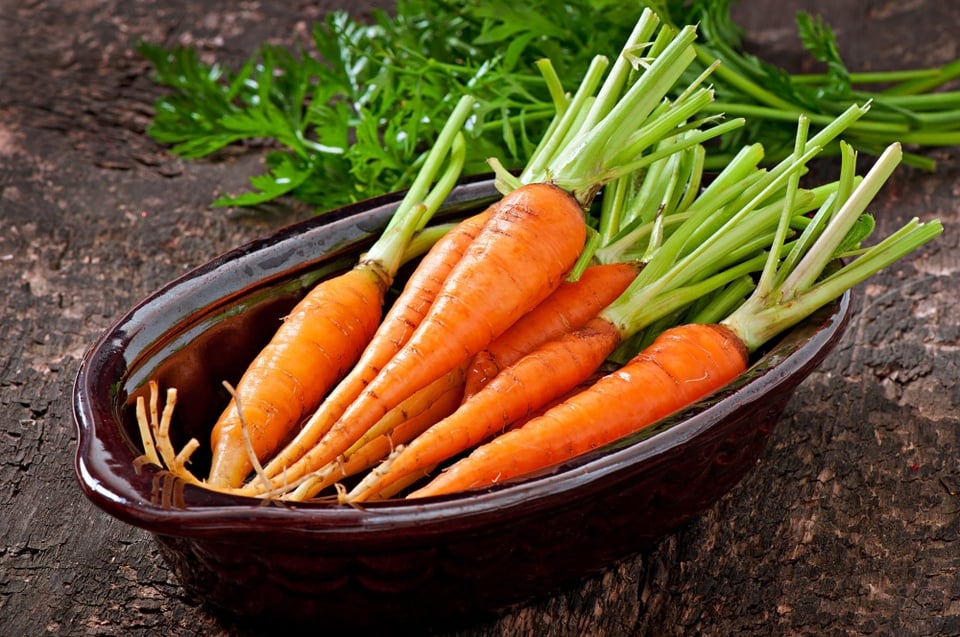
Carrots are one of the richest natural food sources of beta-carotene (a precursor of vitamin A). Photo: Magnific . |
Vitamin A is one of the essential micronutrients for the body, but we cannot synthesize enough of it ourselves. Therefore, actively supplementing it through our daily diet is the key to maintaining lasting health and preventing disease.
According to micronutrient documents from the World Health Organization (WHO) and UNICEF, vitamin A is essential for the holistic development of children. Specifically, the Ho Chi Minh City Center for Disease Control (HCDC) emphasizes that vitamin A plays many particularly important roles in health, including:
- Vision protection: Helps the eyes adjust and see more clearly in low light conditions, effectively preventing night blindness and dry eyes.
- Boosting immunity: Supports optimal immune system function, helping the body increase its ability to fight off common infections such as respiratory infections, diarrhea, or measles.
- Promoting growth: For children, this micronutrient directly participates in the process of height and weight development, helping children develop comprehensively.
- Cell protection: Contributes to maintaining the structure and integrity of the skin and mucous membranes.
Who is most susceptible to vitamin A deficiency?
High-risk groups include: children under 5 years old, pregnant or breastfeeding women, people with poor diets, those who rarely eat vegetables/animal products, or those who have recently experienced prolonged infections.
Suggestions for foods rich in vitamin A and how to prepare them.
The Ho Chi Minh City Center for Disease Control (HCDC) points out that vitamin A is abundant in many familiar, common, and easily accessible food groups found in family meals:
- Animal-derived sources: Liver, eggs, milk, various types of fish.
- Dark green leafy vegetables: Water spinach, sweet potato leaves.
- Yellow-orange vegetables and fruits: Carrots, pumpkins.
- Ripe fruits: Papaya, mango, gac fruit.
Because vitamin A is a fat-soluble (lipid-soluble) vitamin, experts recommend that parents add a reasonable amount of oil or fat when preparing meals. This helps dissolve the micronutrient, supporting maximum absorption by the child's body.
For young children who are starting to eat solid foods, parents can flexibly add pureed vegetables to porridge or baby food, and stir in a few drops of suitable cooking oil.
Besides improving nutrition at home, the HCDC (Ho Chi Minh City Center for Disease Control) advises parents to monitor and bring children aged 6 to 36 months to commune/ward health stations twice a year (in June and December) to receive high-dose vitamin A according to the national program. This is a right and a double protection measure for millions of Vietnamese children.
Source: https://znews.vn/diem-danh-4-nhom-thuc-pham-giau-vitamin-a-post1653957.html

![[Image] Hanoi's urban life under the challenge of a "scorching hot" environment](https://vphoto.vietnam.vn/thumb/1200x675/vietnam/resource/IMAGE/2026/05/25/1779706979265_nang-nong-t5-2026-minh-duy-7-4636-jpg.webp)
![[Image] Close-up view of the interchange connecting the two expressways and Long Thanh Airport.](https://vphoto.vietnam.vn/thumb/1200x675/vietnam/resource/IMAGE/2026/05/25/1779703378210_ndo_br_z7863716673926-224453a31600126cce10622af6290afd-4549-jpg.webp)


















































































Comment (0)