

According to the Hanoi Department of Transport, the project to urgently improve infrastructure and organize traffic at several intersections and routes to reduce traffic congestion (phase 1) has a total estimated investment of nearly 225 billion VND, funded by the Hanoi People's Committee budget.
Of that amount, construction costs exceed 188 billion VND. The project is scheduled for completion between 2024 and 2027.
The project will adjust the size of sidewalks and median strips, and reorganize traffic at several intersections on seven roads: Giang Vo, Lang Ha, Le Van Luong, To Huu, Hoang Dao Thuy, Hoang Minh Giam, and Khuat Duy Tien.
These are all routes with exceptionally high traffic density, frequently experiencing congestion during rush hour.
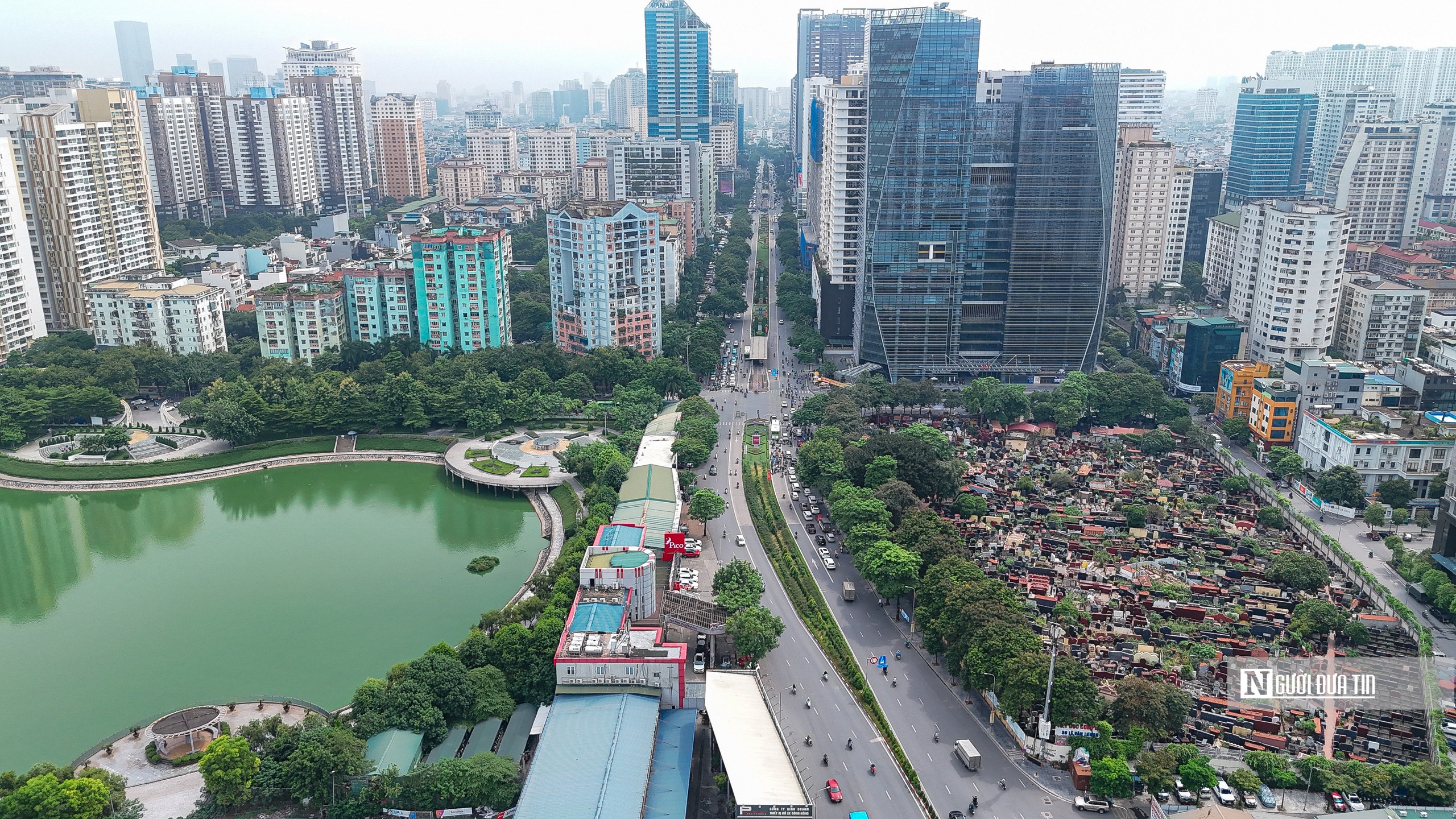
The Hanoi Department of Transport has submitted to the City for appraisal and approval a project to urgently improve infrastructure and organize traffic at several intersections and routes to minimize traffic congestion.
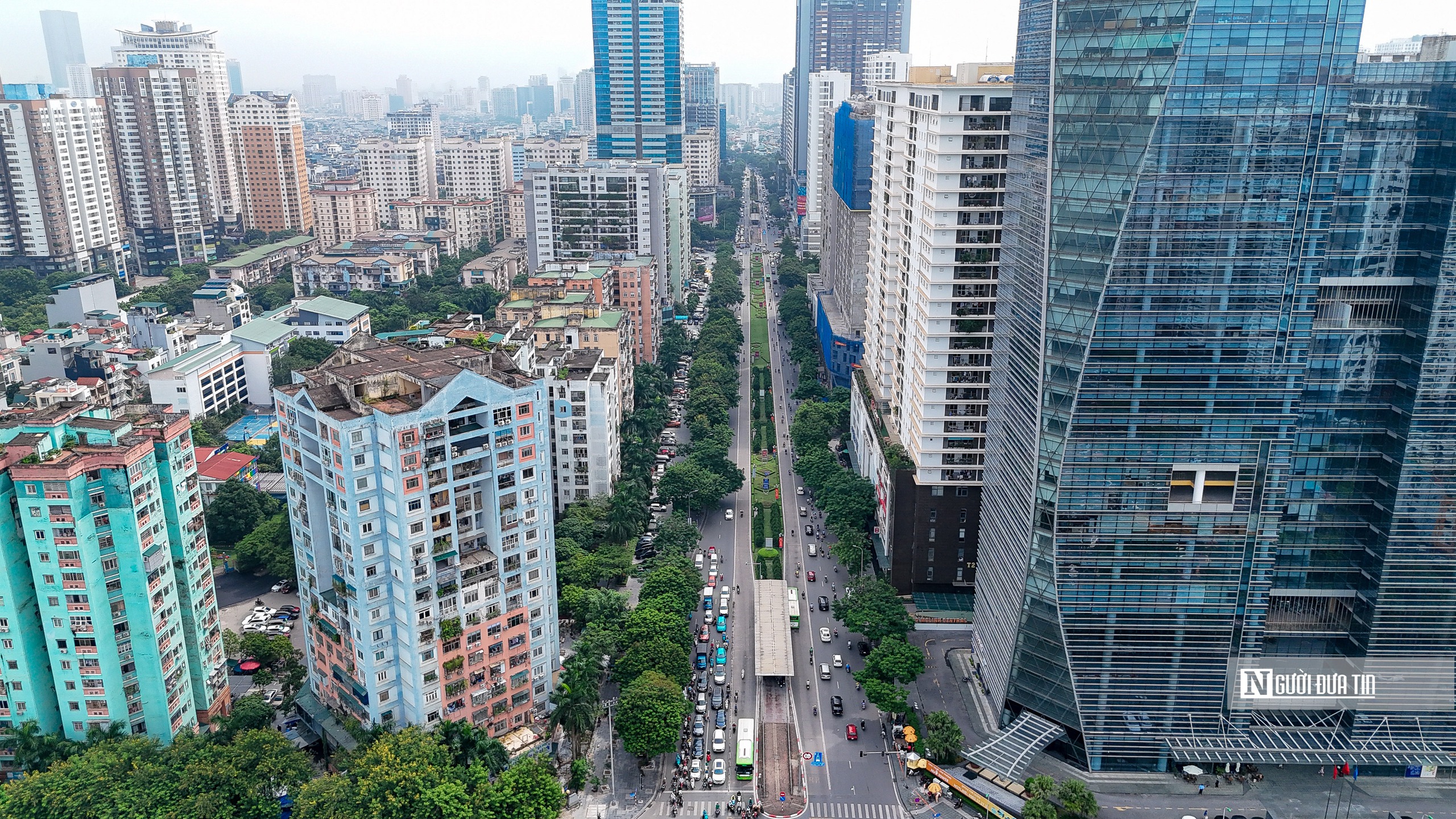
The project will adjust the size of sidewalks and median strips on 7 roads: Giang Vo, Lang Ha, Le Van Luong, To Huu, Hoang Dao Thuy, Hoang Minh Giam, and Khuat Duy Tien.
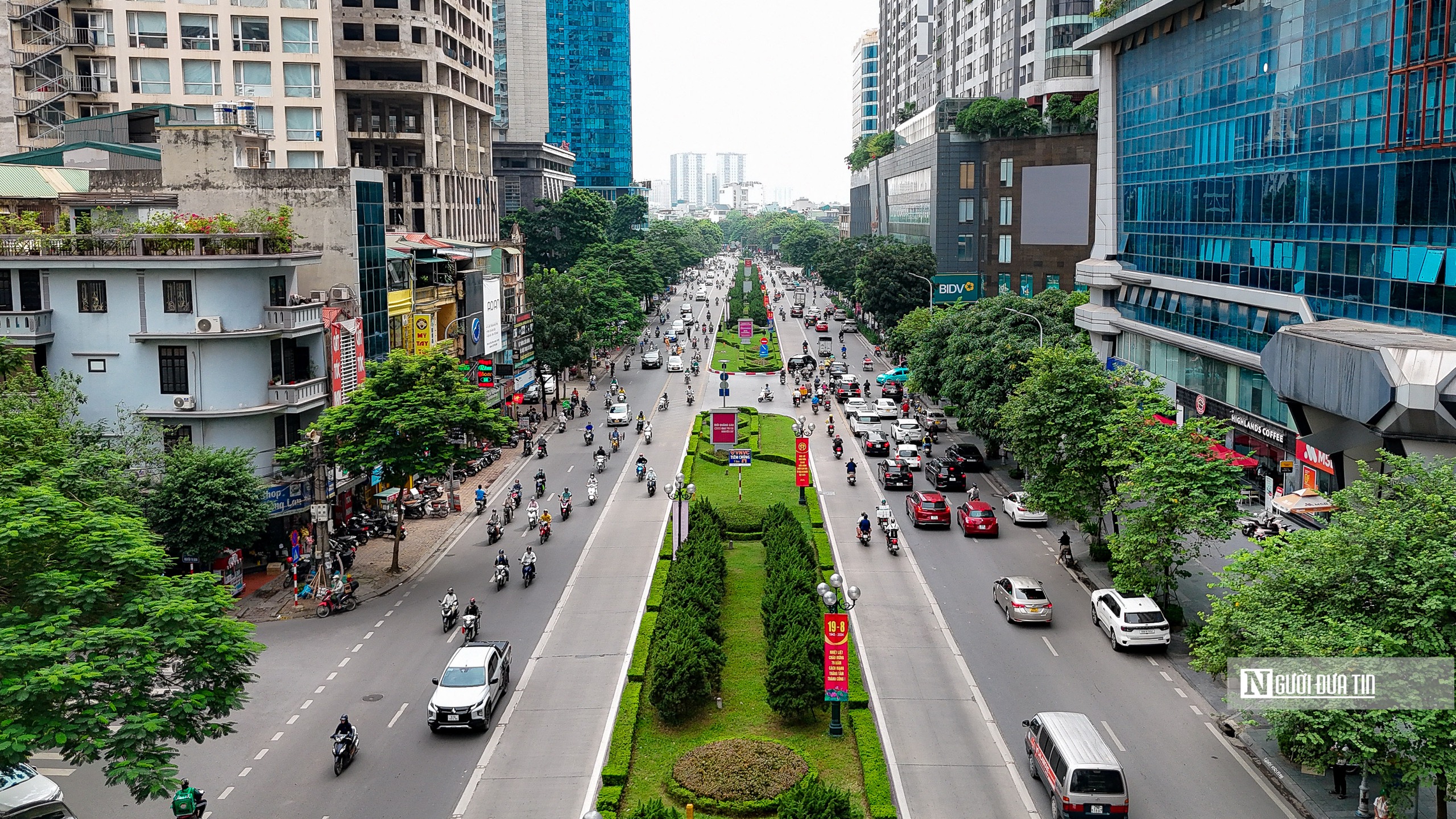
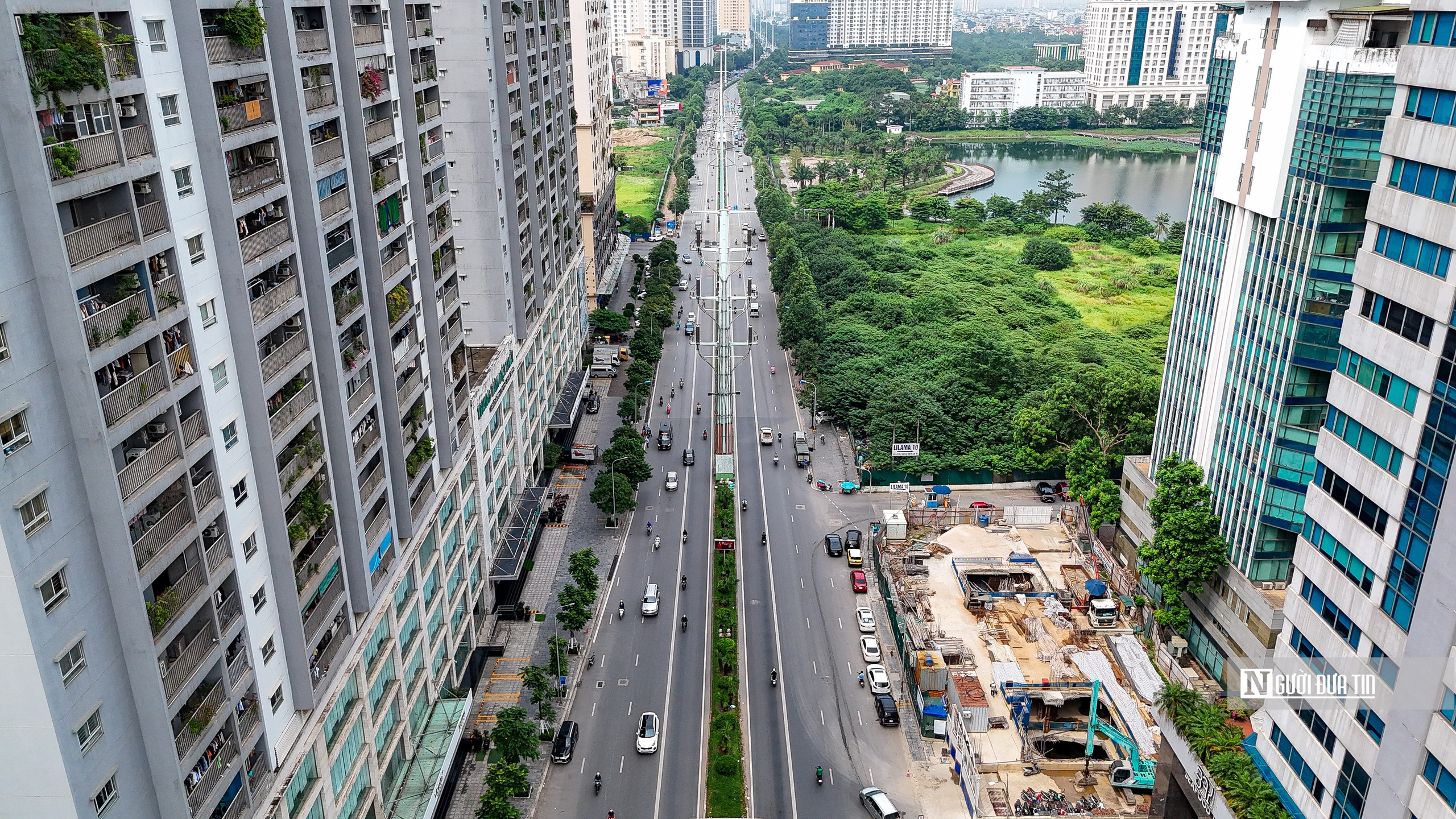
According to Nguoi Dua Tin, Le Van Luong road has many sections with wide median strips, while the road itself is narrow, and there are even dedicated lanes for the BRT (Bus Rapid Transit) system.
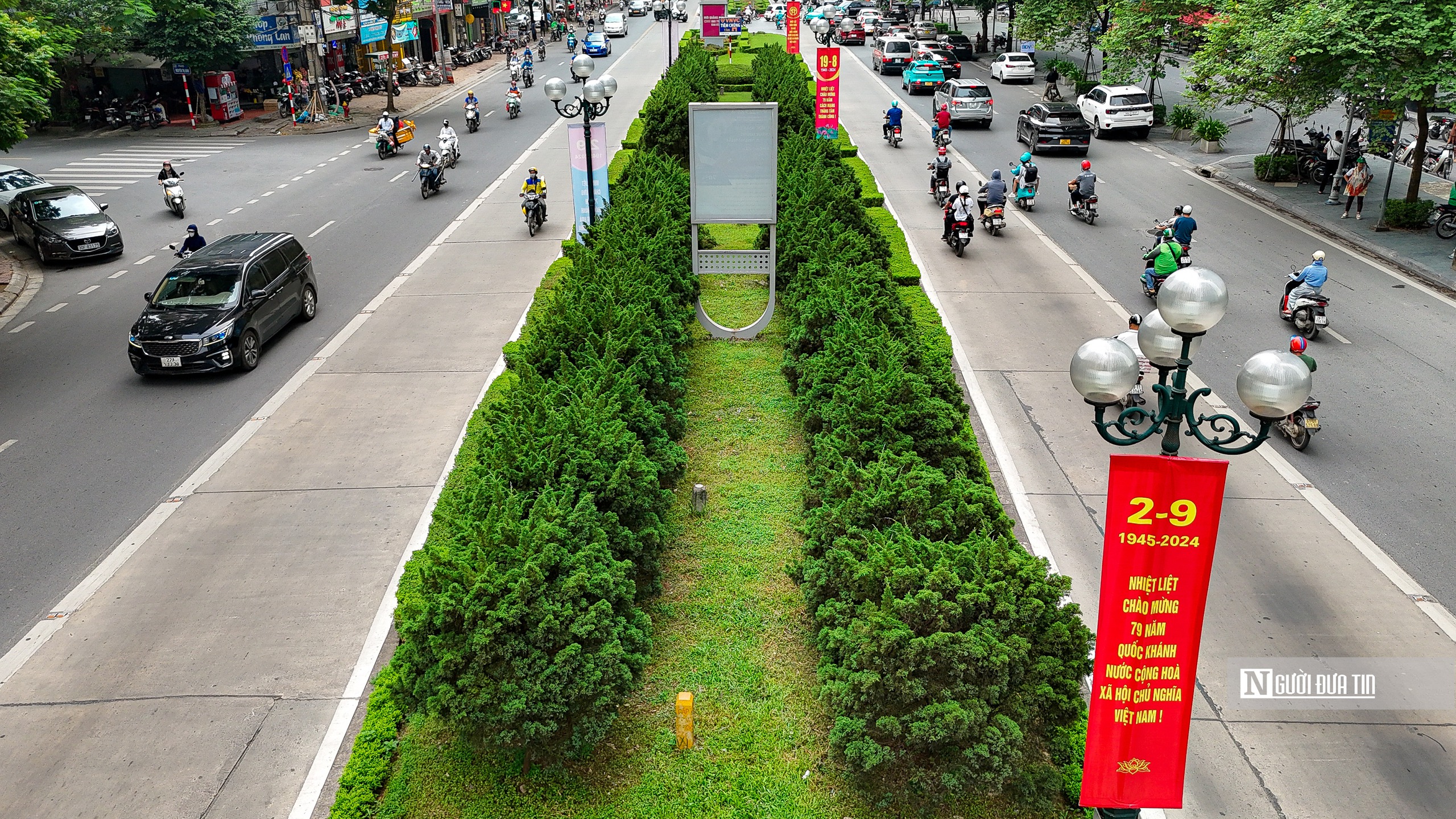
The median strip on Le Van Luong Street is relatively wide.

According to observations by the reporter, the sidewalks along Le Van Luong street are relatively wide. Currently, they are being used as parking areas for cars and motorbikes.
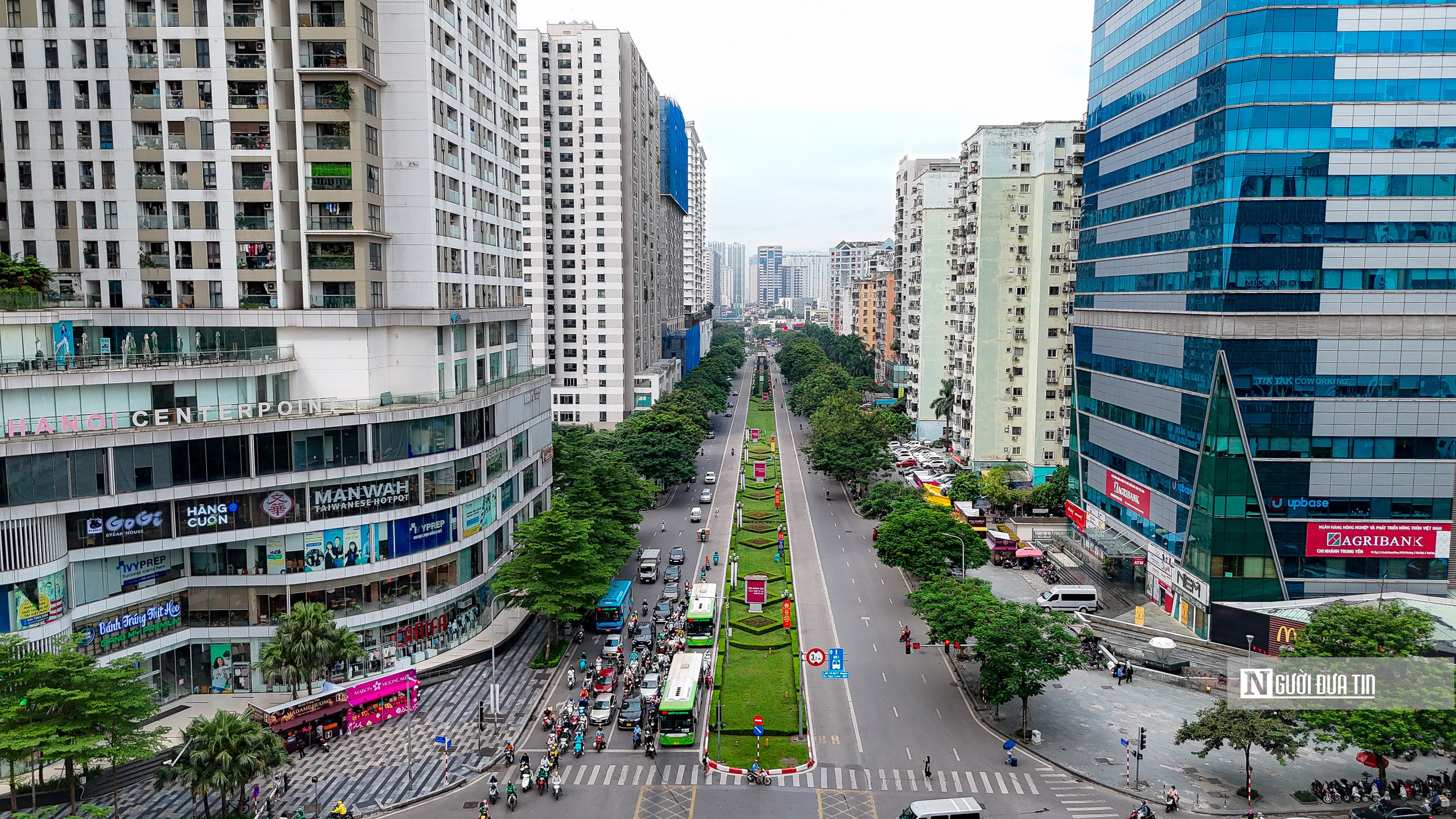
Le Van Luong Street has a high traffic density, and traffic congestion frequently occurs during peak hours. According to the Hanoi Department of Transport, Giang Vo, Lang Ha, Le Van Luong, and To Huu streets, which are part of the BRT (Bus Rapid Transit) route, are central traffic arteries. Due to the concentration of vehicles entering and exiting the city center, the volume of vehicles increases significantly, especially during peak hours, causing traffic jams.
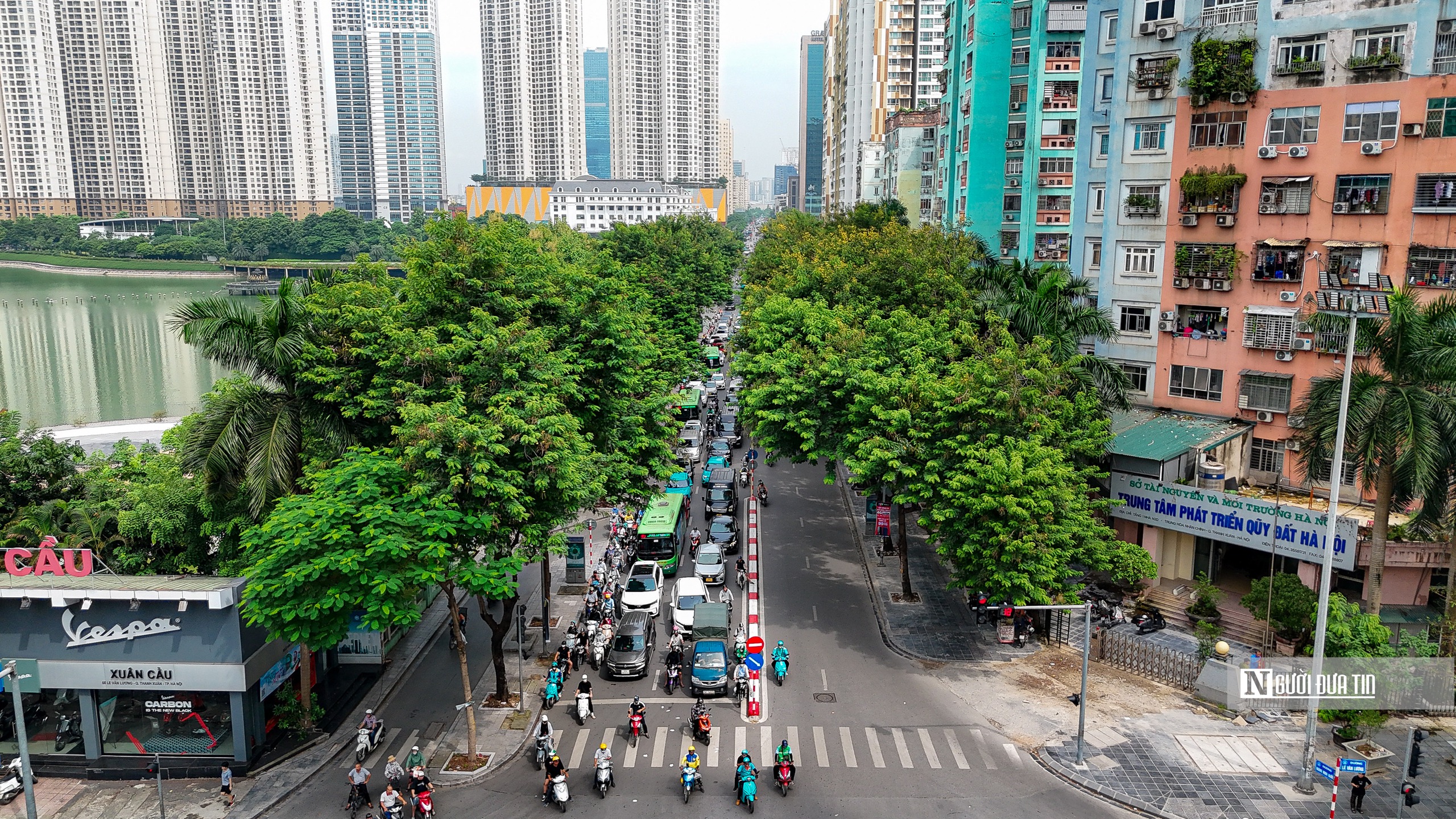
The sidewalk size on Hoang Minh Giam street will also be adjusted. According to Nguoi Dua Tin's observations, the sidewalks on this street are relatively wide and have many trees.
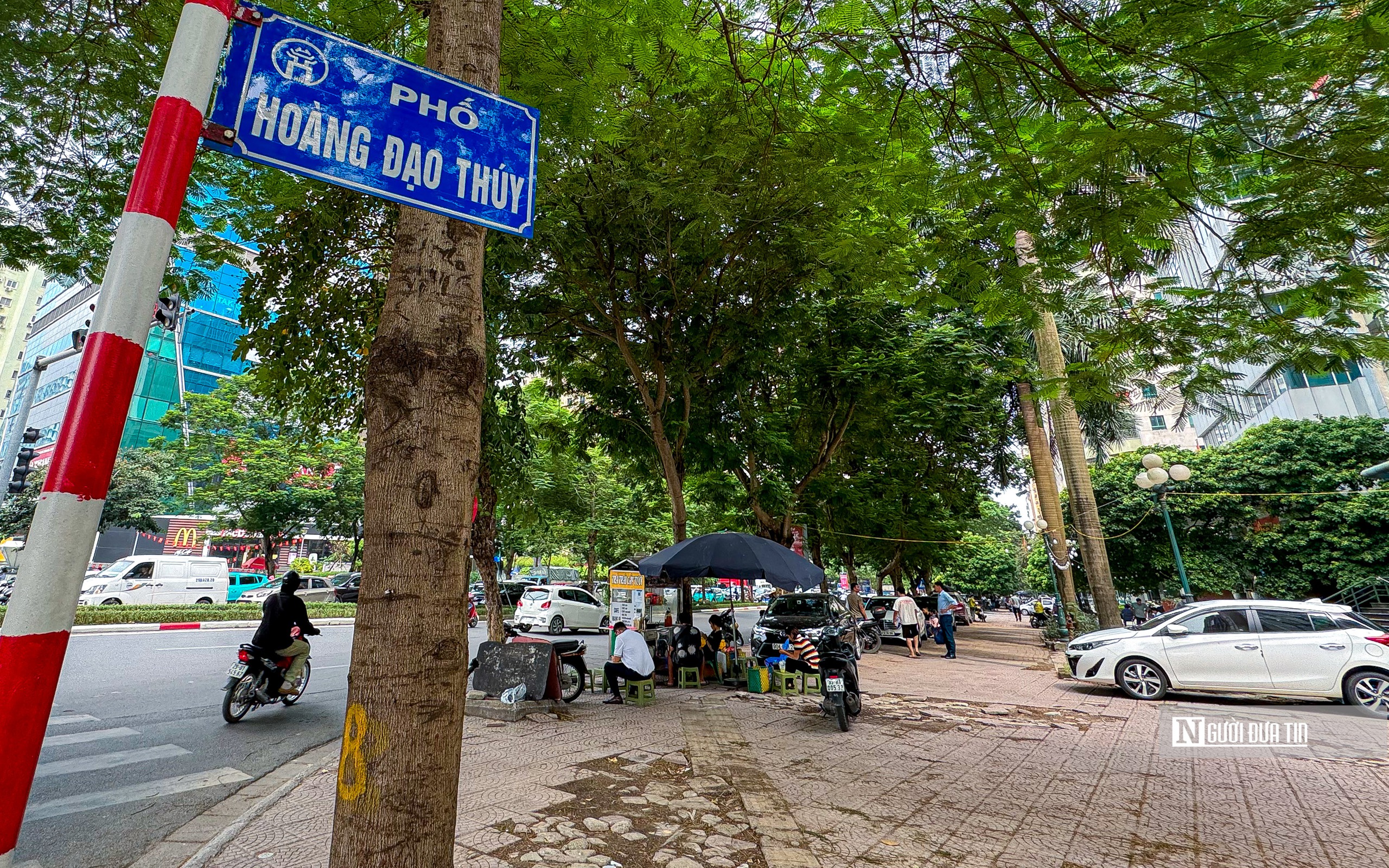
Similarly, on Hoang Dao Thuy street, the sidewalks are also very wide.
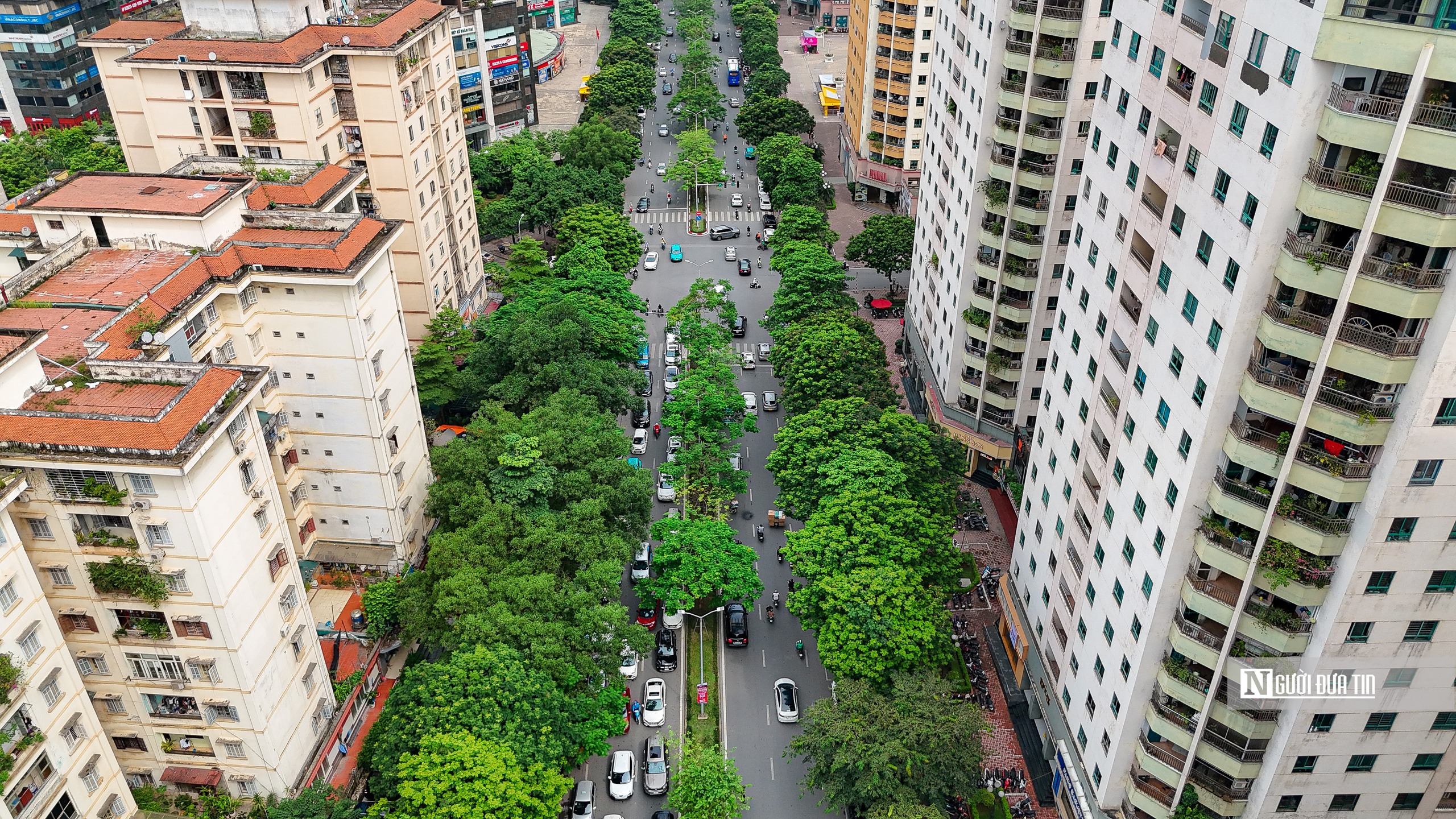
Viewed from above, the trees have completely covered the sidewalks of the street.
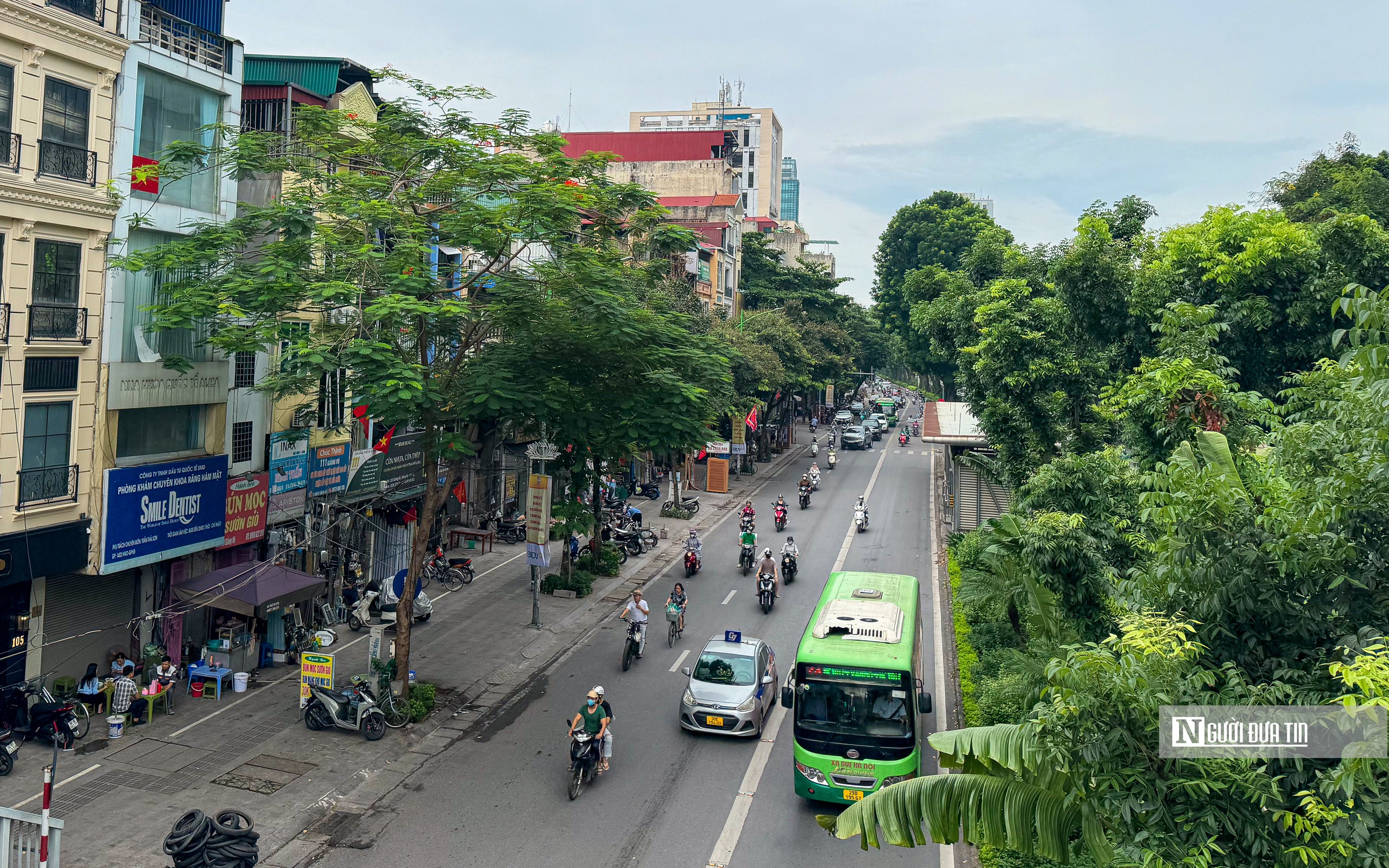
Giảng Võ Street, where the BRT (Bus Rapid Transit) line runs, will have its road width expanded to accommodate more pedestrian traffic.
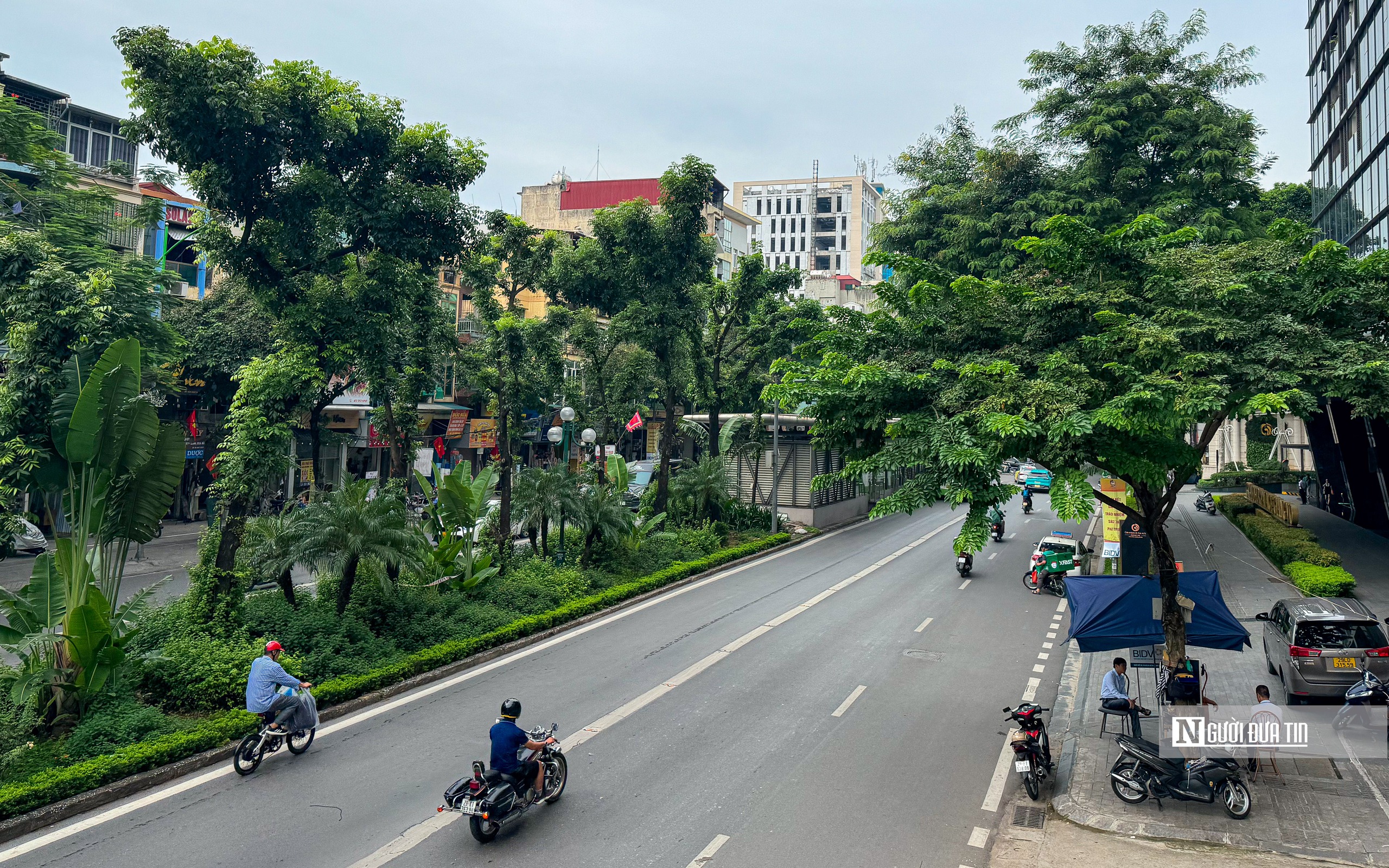
According to the Hanoi Department of Transport, the project to urgently improve infrastructure and organize traffic at several intersections and routes to reduce traffic congestion (phase 1) has a total estimated investment of nearly 225 billion VND, funded by the Hanoi People's Committee budget.
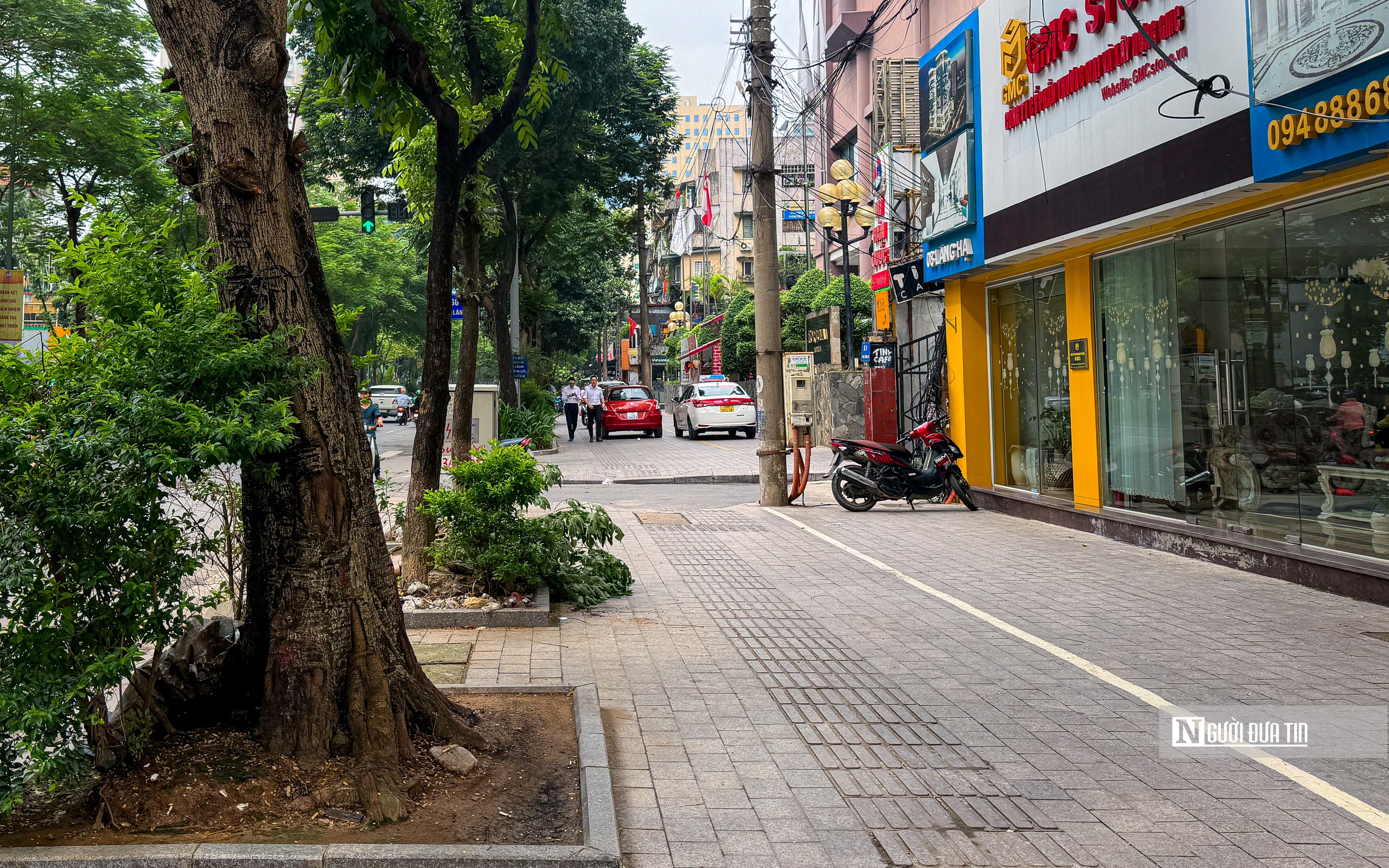
Of that amount, construction costs exceed 188 billion VND. The project is scheduled for completion between 2024 and 2027.

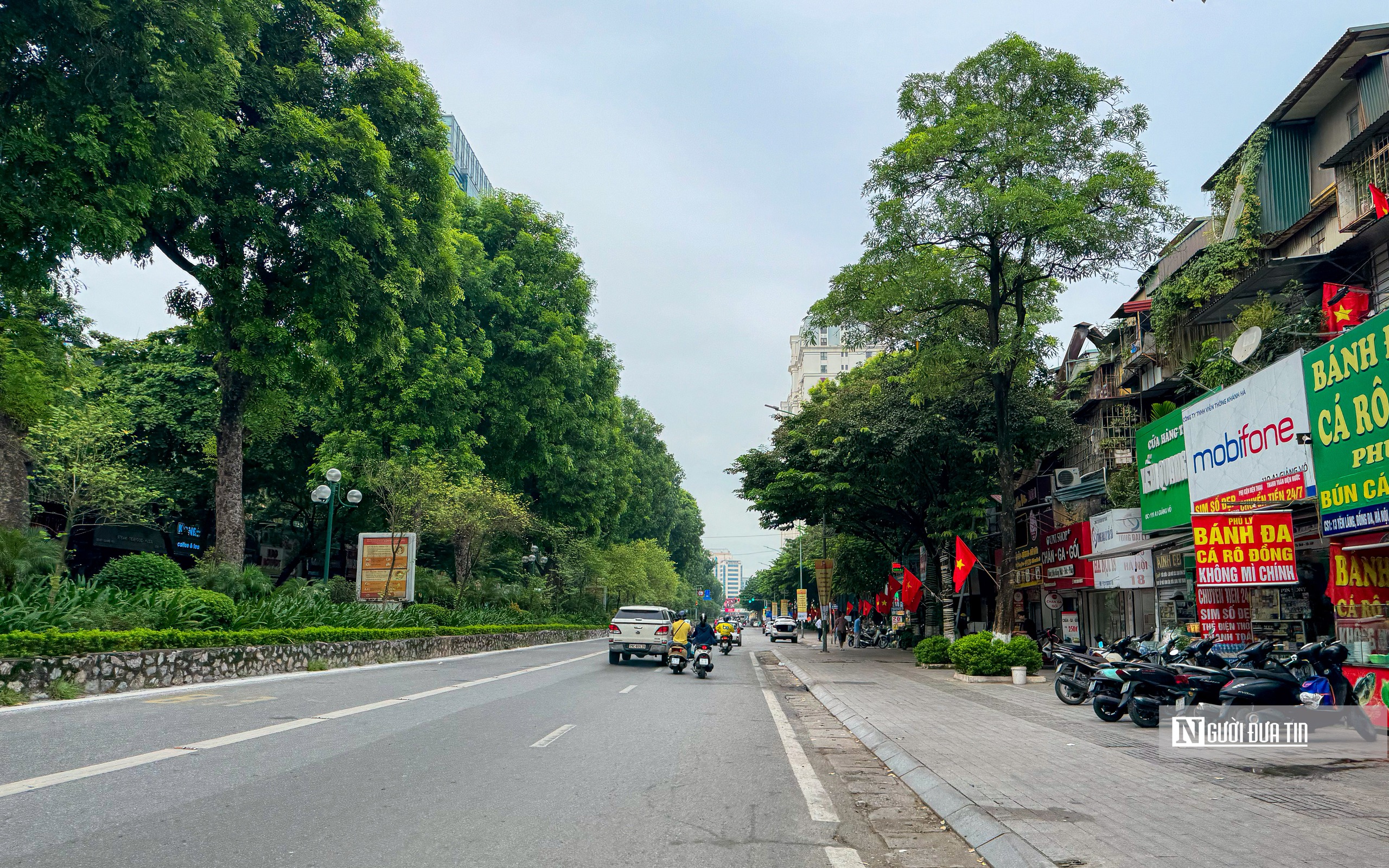
The photo shows Lang Ha Street, one of seven streets where sidewalks will soon be narrowed to increase traffic space.
The To Huu road, which also has heavy traffic and frequently experiences congestion during rush hour, will also have its sidewalks and median strips narrowed in sections where conditions permit.
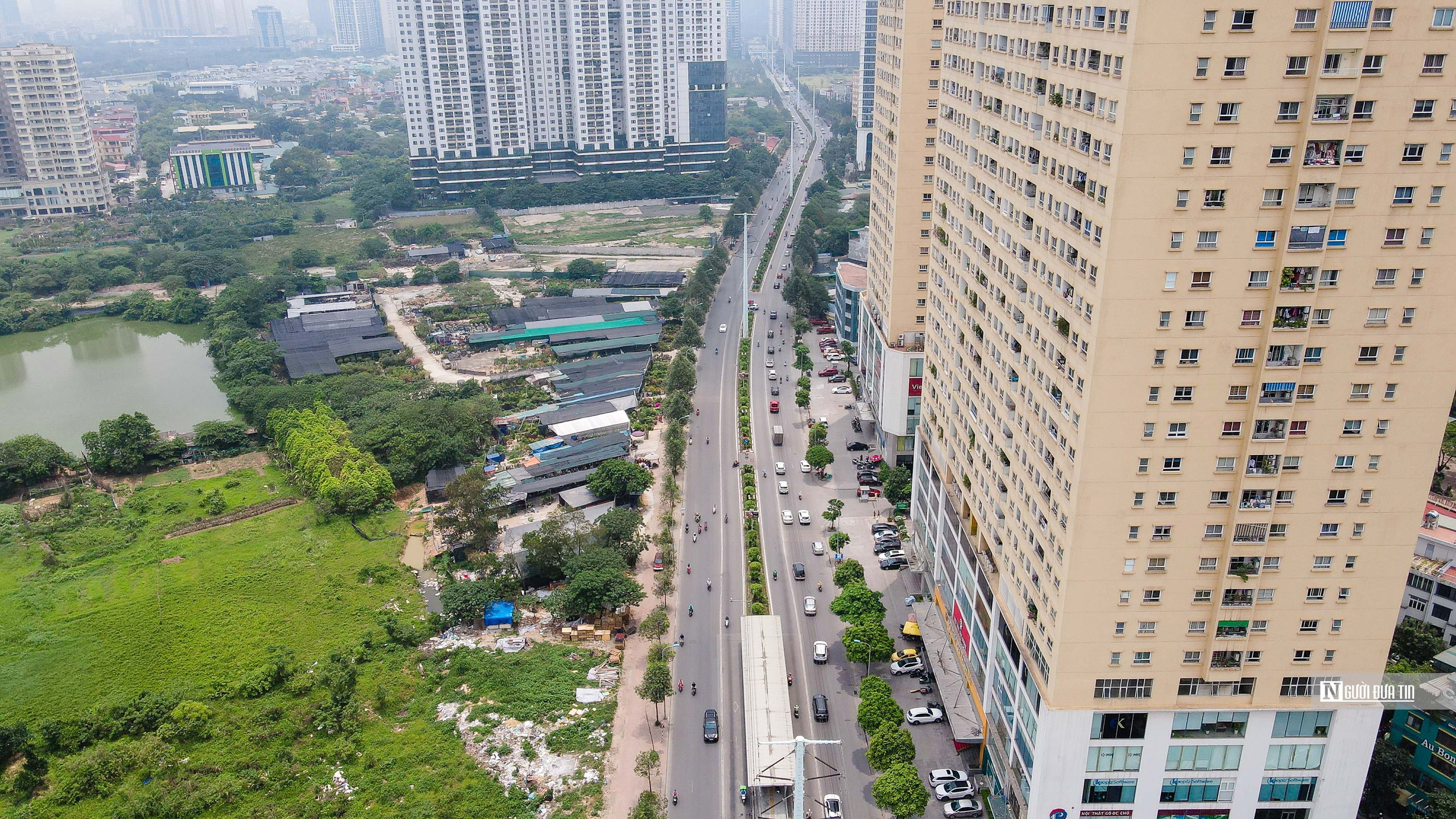
According to Nguoi Dua Tin, the sidewalks on To Huu Street currently have a wide surface and are planted with many trees.
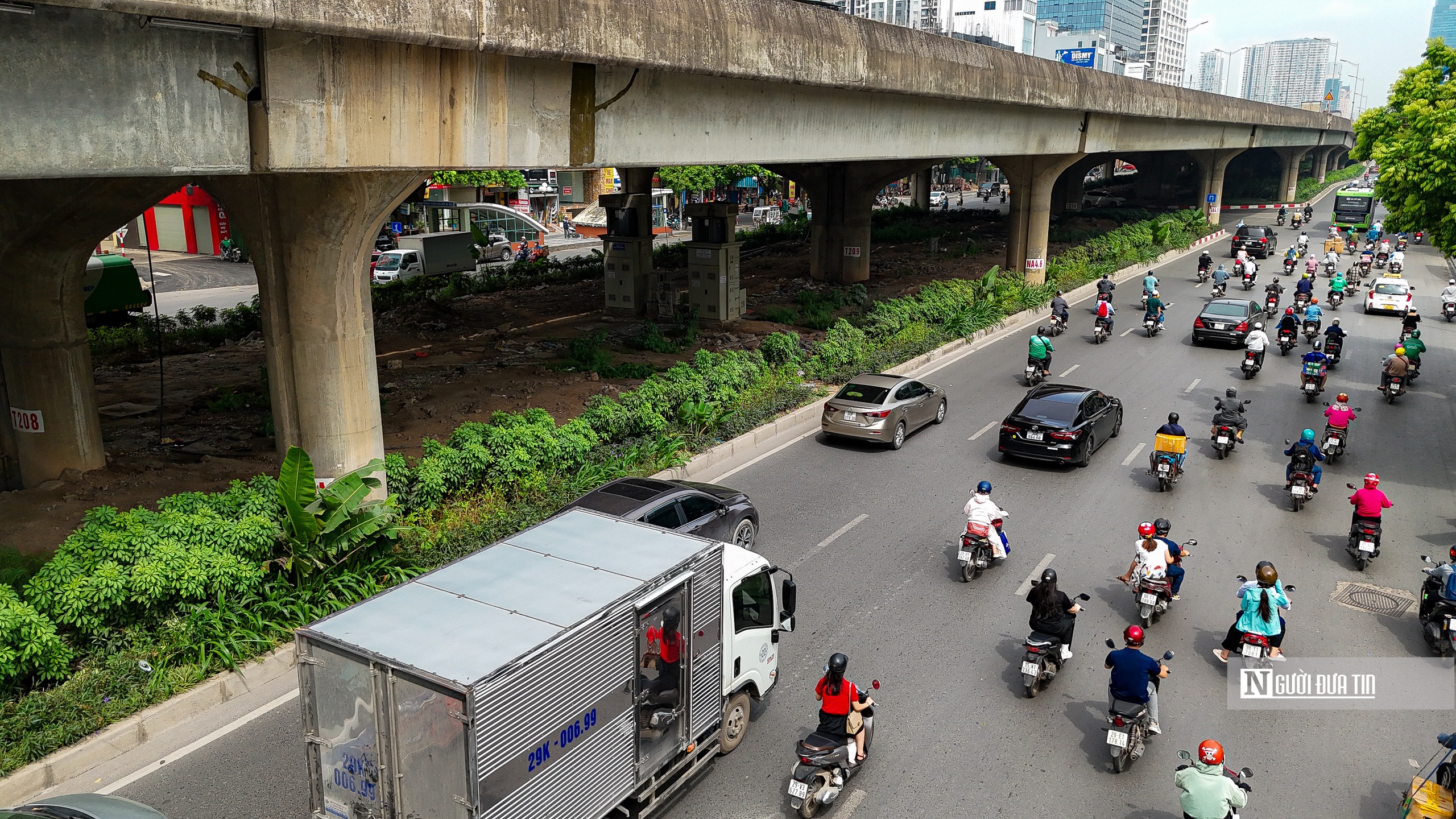
Khuat Duy Tien Street has a wide median strip, which will soon be adjusted and narrowed for infrastructure improvement. Narrowing the sidewalks and median strip to widen the road is a temporary solution, and the Hanoi Department of Transportation has been implementing it on several roads for several years. This will give people more space to move around, but in the long term, a comprehensive solution is needed, as reserve land for this purpose has been exhausted.
Source: https://www.nguoiduatin.vn/diem-mat-cac-tuyen-duong-o-ha-noi-sap-bi-xen-via-he-dai-phan-cach-20424082014291545.htm
![[Photo] Prime Minister Pham Minh Chinh presides over a meeting on private sector economic development.](/_next/image?url=https%3A%2F%2Fvphoto.vietnam.vn%2Fthumb%2F1200x675%2Fvietnam%2Fresource%2FIMAGE%2F2025%2F12%2F20%2F1766237501876_thiet-ke-chua-co-ten-40-png.webp&w=3840&q=75)







![[Photo] General Secretary To Lam meets with voters in Hanoi.](https://vphoto.vietnam.vn/thumb/402x226/vietnam/resource/IMAGE/2025/12/15/1765783098527_image.jpeg)
































































Comment (0)