

However, for this aspiration to become a reality, the province needs to build a more complete operating system for the startup ecosystem, in which the establishment of well-structured business incubators is a practical requirement.
In reality, this shift is facing systemic obstacles as the majority of local startups are still stuck in a family-based mindset, lacking a systematic management vision and the ability to apply core technologies such as big data or artificial intelligence (AI) to production practices.
The shortage of venture capital and the "brain drain" of high-quality human resources to major cities are creating a gap in the province's startup ecosystem. This means that potential "seeds" face the risk of dying prematurely before they even have a chance to "sprout".
 |
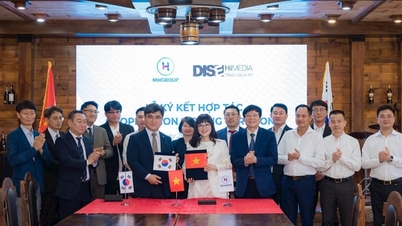
| PCA Productivity Training Academy and My Duc Minh Business Development and Training Consulting Joint Stock Company signed a cooperation agreement to jointly create a startup incubator within the DakLak Innovation Hub. |
Ms. Luong Thi Thuy Anh, President of the Productivity Training Academy (PCA) and Director of the Daklak Innovation Hub (DIH), shared that many startups not only lack business management thinking and a systematic development vision, but also lack "unicorn aspirations" or value propositions for expansion. More importantly, many startups have a business mindset rather than an entrepreneurial one. While a "business" mindset focuses on generating profit from day one, tightly managing cash flow, and serving customers in practice, an entrepreneurial mindset focuses on user growth and company valuation. Startups with this mindset tend to prioritize fundraising, market expansion, and spending money to gain market share. They also rely on venture capital funds, angel investors, or equity issuance to drive growth. Furthermore, the application of Big Data, AI, or Blockchain in agricultural product traceability remains largely untapped for the majority of small and medium-sized enterprises in the locality.
To realize the aspiration of building a new generation of entrepreneurs capable of competing internationally, establishing well-structured business incubators has become an urgent need. This is also the missing piece in the province's startup ecosystem. These "incubators" not only provide shared workspace but also act as specialized "multi-specialty clinics," where startups are guided by experienced mentors and have direct access to support resources ranging from policy to finance.
Here, the "dual transformation" strategy will be concretized through encouraging circular economy models, utilizing agricultural by-products, and exploiting the forest carbon credit market, which is a unique strength of the province. When fragmented resources are brought together under one umbrella, combined with the Creative Startup Investment Fund operating under an open model, Dak Lak will create a strong synergistic effect, helping the startup community not only withstand market fluctuations but also lead the private economy towards sustainable development in a green and digital direction.
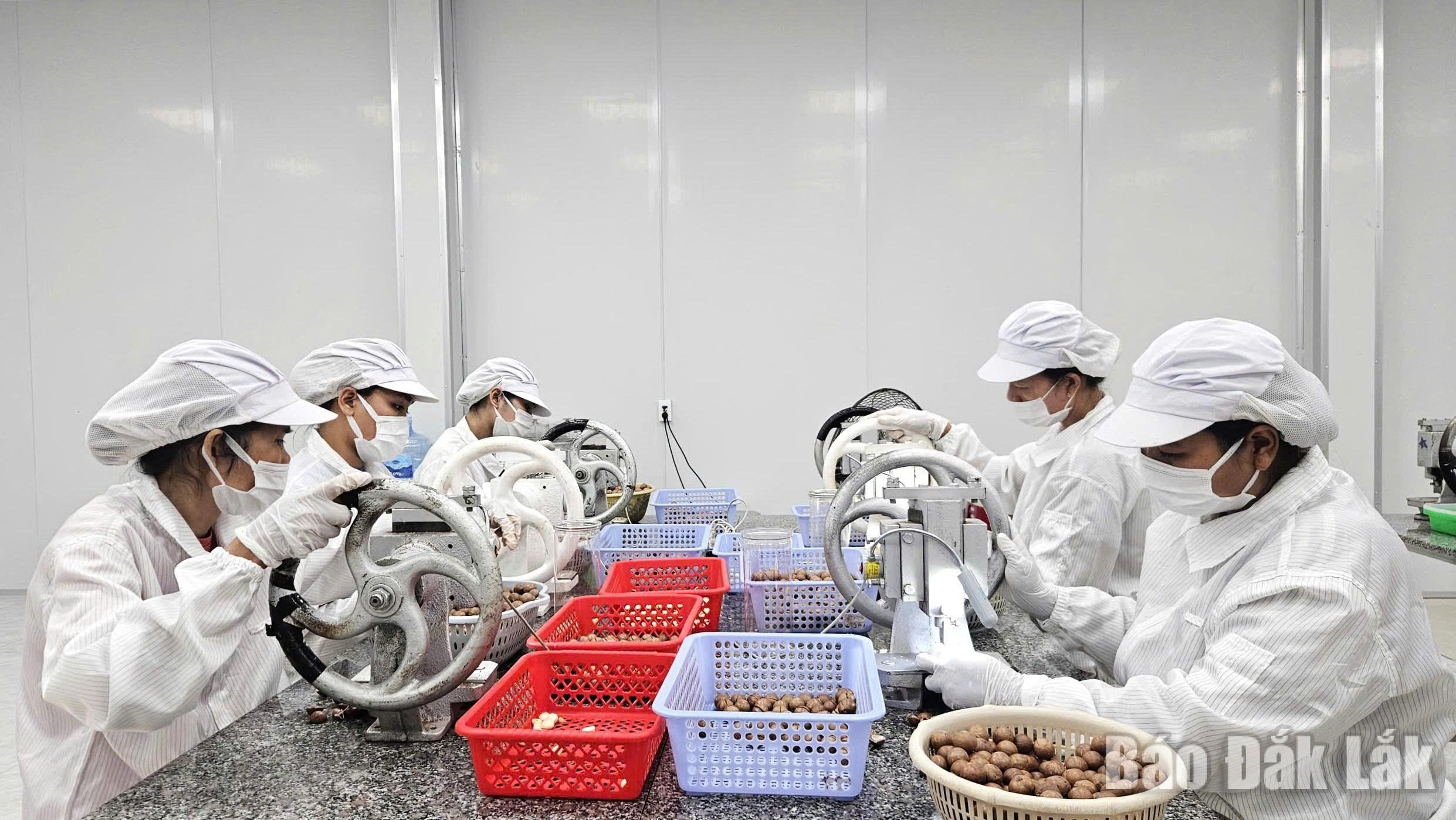 |
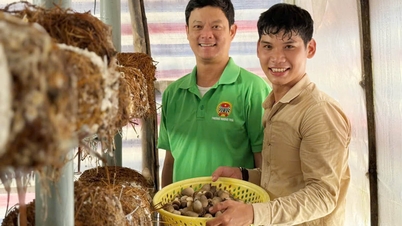
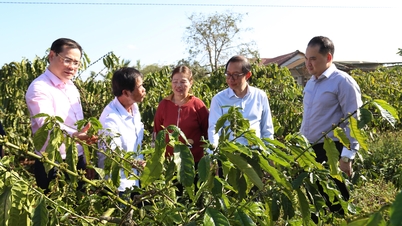
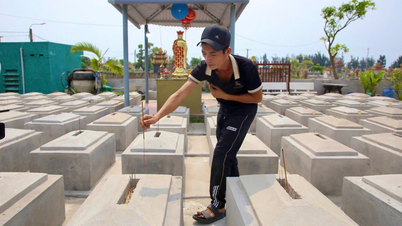
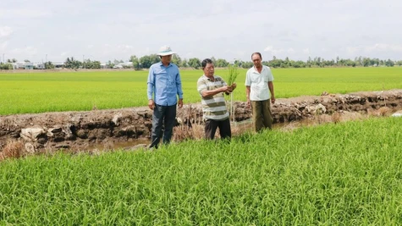
| A business in Buon Ma Thuot ward started up using local agricultural products. |
Ms. Pham Thi Duc Hanh, Chief of the Office of the National Startup Advisory Council and Chairwoman of the Board of Directors of My Duc Minh Business Development and Training Consulting Joint Stock Company, stated that the company is currently cooperating with DIH to support local businesses in developing and bringing the names of Dak Lak's products and culture to the world stage. In addition, the company is also collaborating with PCA to train leadership teams, aiming to build a genuine business incubator. New businesses, considered "seeds," will receive proper support from the outset regarding roadmaps and international standards to avoid future problems with capital, marketing, or personnel. As for established businesses, even those with revenues of hundreds of billions of dong, they need to be upgraded and innovate to avoid falling behind in the integration process.
According to Mr. Nguyen Kien Nhan, Co-founder of the Design Thinking Community, Techfest VN, Head of the Central Highlands Region for the "Entrepreneurial Spirit" Project, and Director of Happy Key Communication and Career Guidance Company, in order to both preserve cultural identity and achieve economic breakthroughs in a modern, practical, and sustainable direction, the government can play a supporting role by building digital transformation support centers in localities. At the same time, it is necessary to attract technology companies and startups to the localities through preferential policies on land, taxes, and infrastructure, especially in Buon Ma Thuot, to create a nucleus for dissemination. Finally, the development of experiential tourism linked to the Central Highlands identity, combining culture, agriculture , and technology, cannot be overlooked.
Kha Le
Source: https://baodaklak.vn/kinh-te/202605/dinh-hinh-tuong-lai-khoi-nghiep-4bf2e8b/




![[Photo] Standing Committee member of the Party Central Committee Tran Cam Tu working with the Central Inspection Committee](https://vphoto.vietnam.vn/thumb/1200x675/vietnam/resource/IMAGE/2026/05/28/1779969579668_ndo_br_bnd-2495-jpg.webp)

































































Comment (0)