

Development for children is closely linked to social stability and long-term growth.
While previously, investing in children was often placed within the framework of social responsibility, separate from core economic decisions, this approach is rapidly changing. According to an analysis by the Financial Times, global social welfare initiatives are shifting from short-term support to strategic investment in systems that protect children, including laws, social services, education, and healthcare.
This shift stems from a reality proven through numerous crises: when systems are weak, children are the first to be affected and the slowest to recover; conversely, when foundations are sufficiently robust, the resilience and recovery of society as a whole are significantly improved. Development for children, therefore, is not merely a matter of ethics or humanities, but is closely linked to social stability and long-term growth.
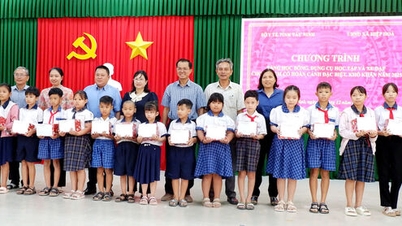
Vietnam is one of the countries that clearly demonstrates the shift from emergency support to system building. Since becoming the first Asian country to ratify the United Nations Convention on the Rights of the Child in 1990, policies on health, nutrition, education , clean water, and child protection have been progressively strengthened. The progress achieved over the past three decades has not only had social significance but also contributed to laying the foundation for sustainable economic development.

Vietnam is rapidly entering a period of population aging. This process will shrink the workforce in the coming decades, while simultaneously placing higher demands on the quality of human resources to sustain growth. In this context, every healthy, well-educated, and comprehensively developed child is not only a beneficiary of policies but also a strategic resource for the future economy.
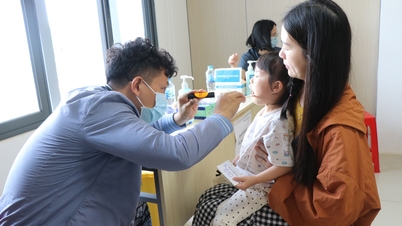
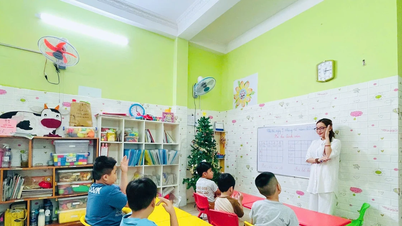
Investing early in nutrition, education, and physical and mental health for children therefore yields benefits that extend beyond the immediate future. These investments help reduce healthcare and social welfare costs in the long term, while enhancing the adaptability, creativity, and contribution of the workforce.

When the private sector is more than just a financier
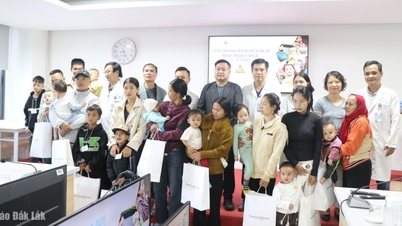
Building on over 50 years of partnership with Vietnam, UNICEF continues to play a systemic development partner, promoting a child rights-based approach and connecting stakeholders in society. At the heart of this approach is strengthening long-term foundations – from policies and institutions to implementation capacity and data – to ensure all children have equitable and sustainable access to essential services.
Building on that foundation, the private sector is increasingly encouraged to integrate children's rights into its sustainable development strategies, from risk management and human resource development to supply chain responsibility and the digital environment. At the global level, Unilever is a prime example of this trend, incorporating goals related to nutrition, clean water, and safe living environments for children into its ESG strategy.
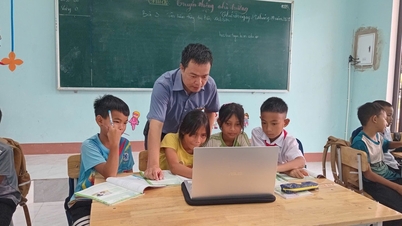
In Vietnam, Masterise Group Joint Stock Company also demonstrates a similar approach by collaborating with UNICEF in the "Innovation for Children - Future-Changing Initiative" program, aiming to change school hygiene issues to improve safe living and learning environments for children in disadvantaged areas, as part of its long-term development vision.

Notably, the collaborative model is shifting from individual funding to co-creation of solutions, linking economic growth with social progress.
According to Masterise Group, child-focused systems can only operate effectively with the synchronized participation of the government, the private sector, and the community, rather than fragmented interventions. In this context, investing in children not only demonstrates a commitment to supporting children but also represents an investment in the sustainable future of the business itself and the prosperity of Vietnam.
Ngoc Minh
Source: https://vietnamnet.vn/doanh-nghiep-no-luc-gop-phan-kien-tao-tuong-lai-cho-tre-em-2474015.html

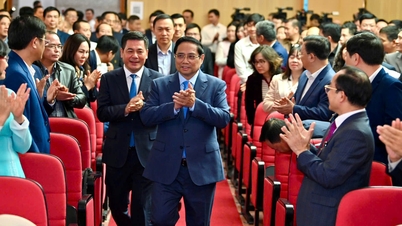
![[Photo] Prime Minister Pham Minh Chinh attends the Conference on the Implementation of Tasks for 2026 of the Industry and Trade Sector](/_next/image?url=https%3A%2F%2Fvphoto.vietnam.vn%2Fthumb%2F1200x675%2Fvietnam%2Fresource%2FIMAGE%2F2025%2F12%2F19%2F1766159500458_ndo_br_shared31-jpg.webp&w=3840&q=75)














































































Comment (0)