

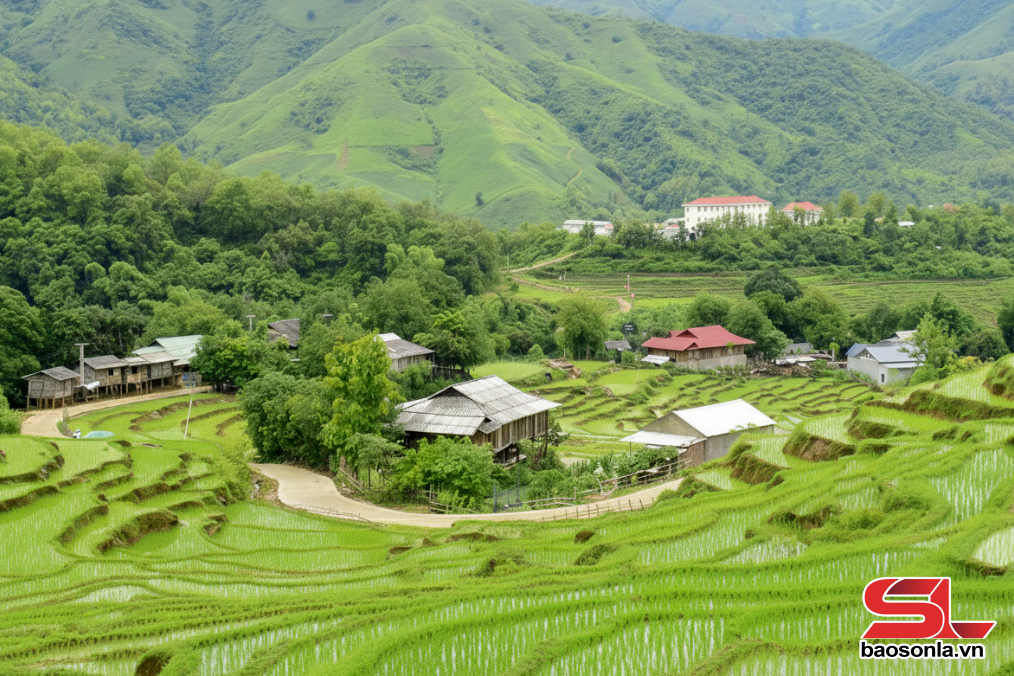
Photo: PV
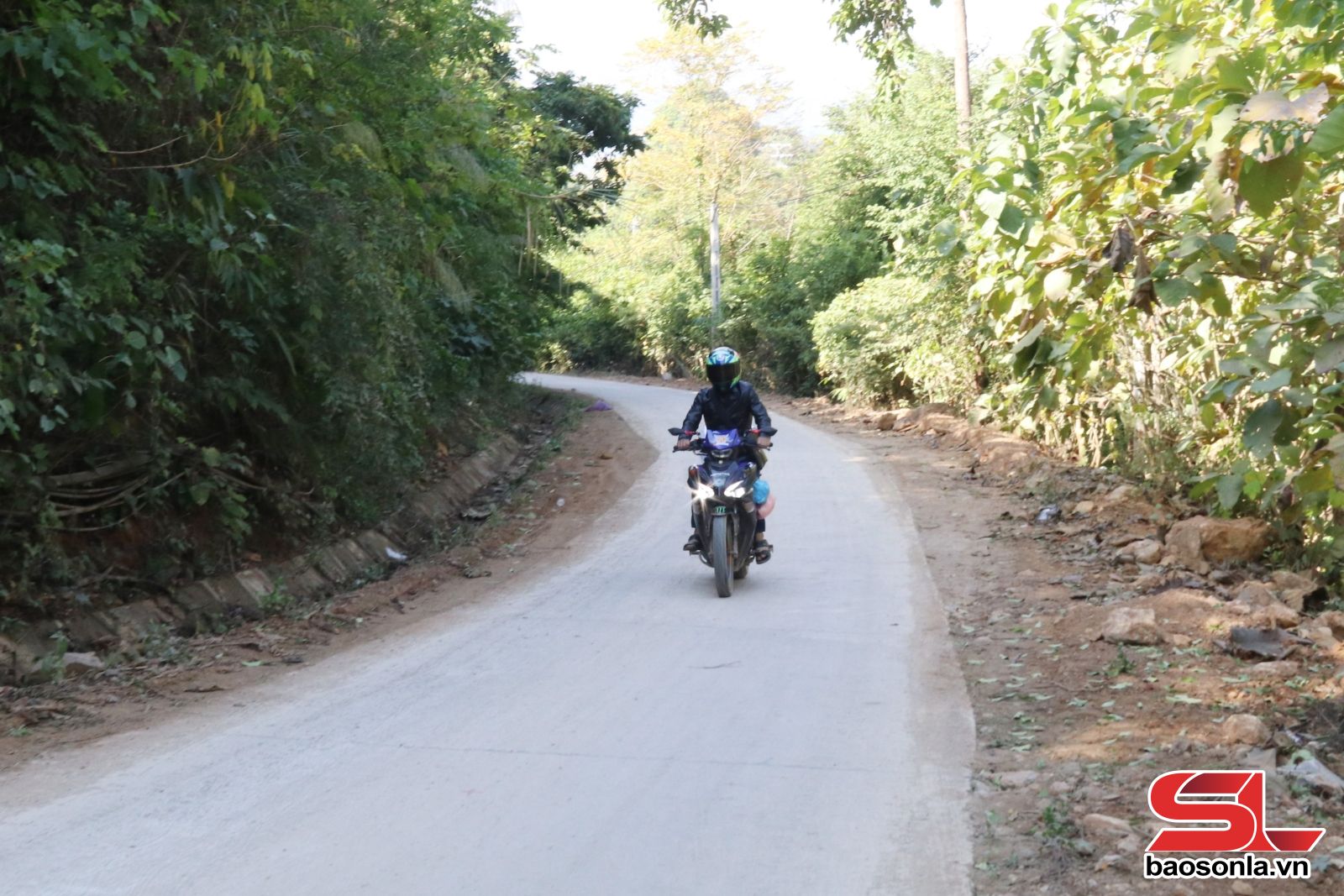
We visited Muong Pia village, which is striving to achieve the new rural standard in the 2025-2030 period. The changes were evident right from the village entrance. A newly completed, sturdy, and clean concrete road made travel easier for the villagers. The village's cultural center, recently built, is spacious and serves as a community space for meetings, gatherings, and cultural exchanges.
According to Luong Van Thuc, Party Secretary and Head of the village, Muong Pia has 394 households, mainly ethnic Thai people. Previously, the villagers relied on growing corn and cassava for their income, leading to difficult living conditions. The Party branch guided, propagated, and encouraged the people to switch to different production methods, promoting the cultivation of vegetables, fruit trees, and raising local pigs for commercial purposes. Now, people's incomes have improved, and the poverty rate has decreased to 5.07%. With the economy thriving, the villagers have unanimously contributed hundreds of man-days to building roads, improving the landscape, renovating houses, planting trees, and beautifying the village.
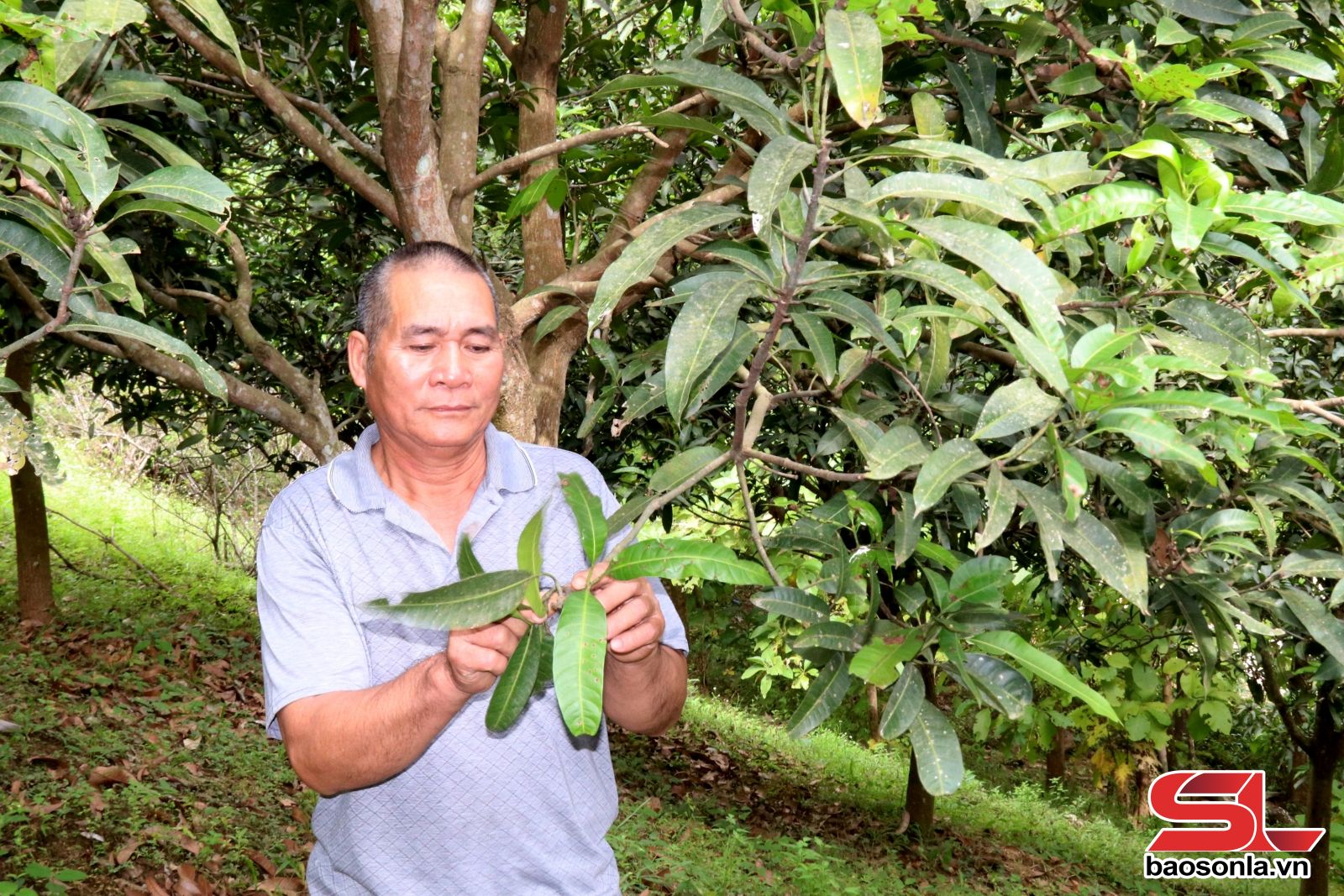
Following the introduction from the commune officials, we continued our journey to Ta village to visit the exemplary economic model of Mr. Tong Van Hoa. On the large plot of land surrounding his house, Mr. Hoa grows elephant grass, ensuring a steady supply of feed for his livestock, which includes 7-8 breeding buffaloes and cows, and nearly 50 goats per litter. Developing livestock farming towards a commercial scale and applying advanced techniques, his family earns nearly 200 million VND annually. Mr. Hoa shared: "Thanks to the guidance from technical staff on how to grow grass and choose good breeds, my family's income has improved significantly, allowing us to buy household items and provide for our children's education."
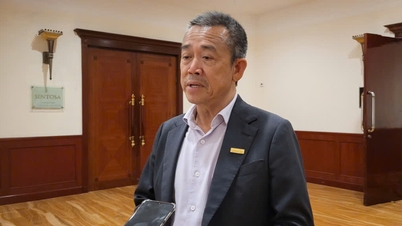
In our conversation, the Chairman of the People's Committee of Cu A Dang commune shared: Chieng Hoa has 35 villages, with 3,242 households and over 17,400 inhabitants, including the Thai, Mong, and La Ha ethnic groups living together. As a particularly difficult mountainous commune, with a fragmented terrain, many villages are far from the center, and the people's lives are still full of hardships, with fragmented agricultural production and low productivity. Faced with this reality, the commune determined that it had to choose a suitable direction and implement specific production models so that the people could "see and hear" firsthand, thereby building trust and following suit.
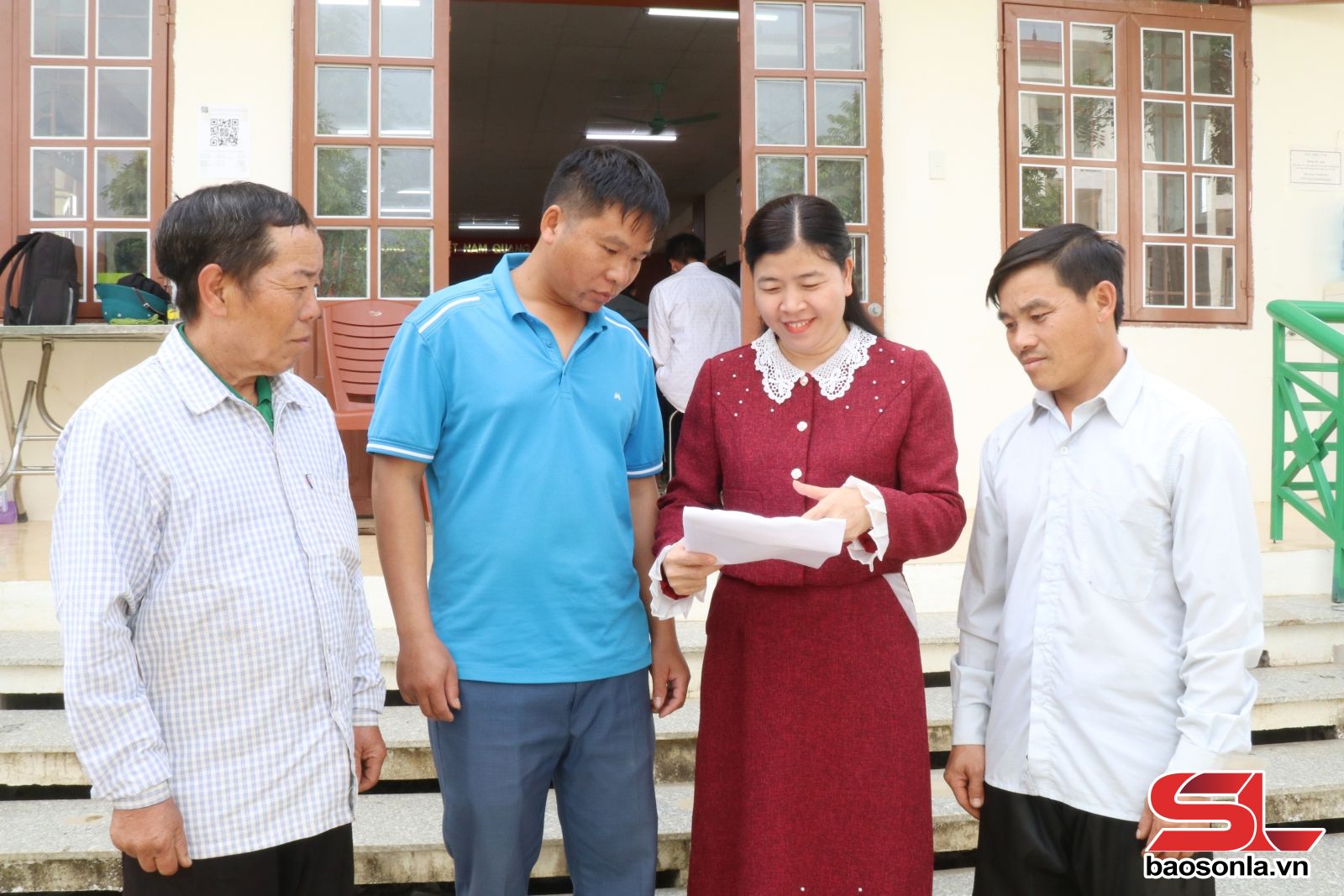
Immediately after the merger, the commune conducted a review of the current state of socio-economic development, poverty reduction, and infrastructure, as a basis for building a development plan for the 2025-2030 period. This included focusing on improving infrastructure, transforming livelihoods, and replicating effective economic models; mobilizing local resources to repair inter-village roads; and upgrading school and health station equipment. Commune working groups intensified their efforts to inspect and guide production, prevent diseases in crops and livestock, and assist people in accessing capital policies.
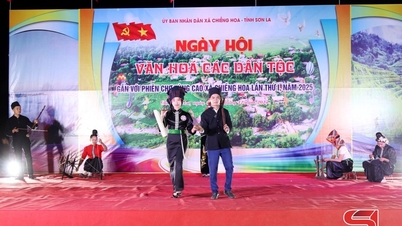
The entire commune currently maintains nearly 4,700 hectares of food crops, nearly 800 hectares of fruit trees, 800 hectares of hawthorn trees, and 168 hectares of medicinal plants; the total livestock and poultry population exceeds 74,000 head. Many models generate income exceeding 100 million VND per year, an increase of more than 1.3 times compared to 2020. Cultural, artistic, and sports activities are increasingly vibrant, and the movement to renovate houses and plant trees is widespread. Young people and children have new spaces for recreation, and traditional festivals continue to be preserved. The multidimensional poverty rate has decreased to 28.9%.
Speaking about future directions, Comrade Vu Van Suan, Secretary of the Commune Party Committee, said: Chieng Hoa strives to eliminate poverty according to the multidimensional poverty standard for the 2021-2025 period by 2030, achieving 10 out of 19 criteria for new rural development, and having 8 new rural villages... The commune will continue to prioritize infrastructure improvement, especially projects under national target programs and resettlement; replicate effective economic models; and promote digital transformation in management and public services.
Effective economic models have helped improve the material and spiritual lives of the Thai, Mong, and La Ha ethnic minority people in Chieng Hoa commune, contributing to building a more prosperous and beautiful highland commune.
Source: https://baosonla.vn/xa-hoi/doi-thay-o-chieng-hoa-VhE0Q9GvR.html


![[Photo] Prime Minister Pham Minh Chinh attends the Conference on the Implementation of Tasks for 2026 of the Industry and Trade Sector](/_next/image?url=https%3A%2F%2Fvphoto.vietnam.vn%2Fthumb%2F1200x675%2Fvietnam%2Fresource%2FIMAGE%2F2025%2F12%2F19%2F1766159500458_ndo_br_shared31-jpg.webp&w=3840&q=75)





























































Comment (0)