

Pioneers
In early December, after the northeast monsoon had passed, the weak winter sunlight, not yet enough to dispel the cold, brought a touch of warmth, heralding the arrival of spring. We traveled upstream along the Chay River, returning to the Ham Rong area in Phuc Khanh commune to listen to the stories of people who left their homeland more than half a century ago, giving up their land to build the Thac Ba hydroelectric power plant – a symbol of hydroelectric industry during the socialist era.
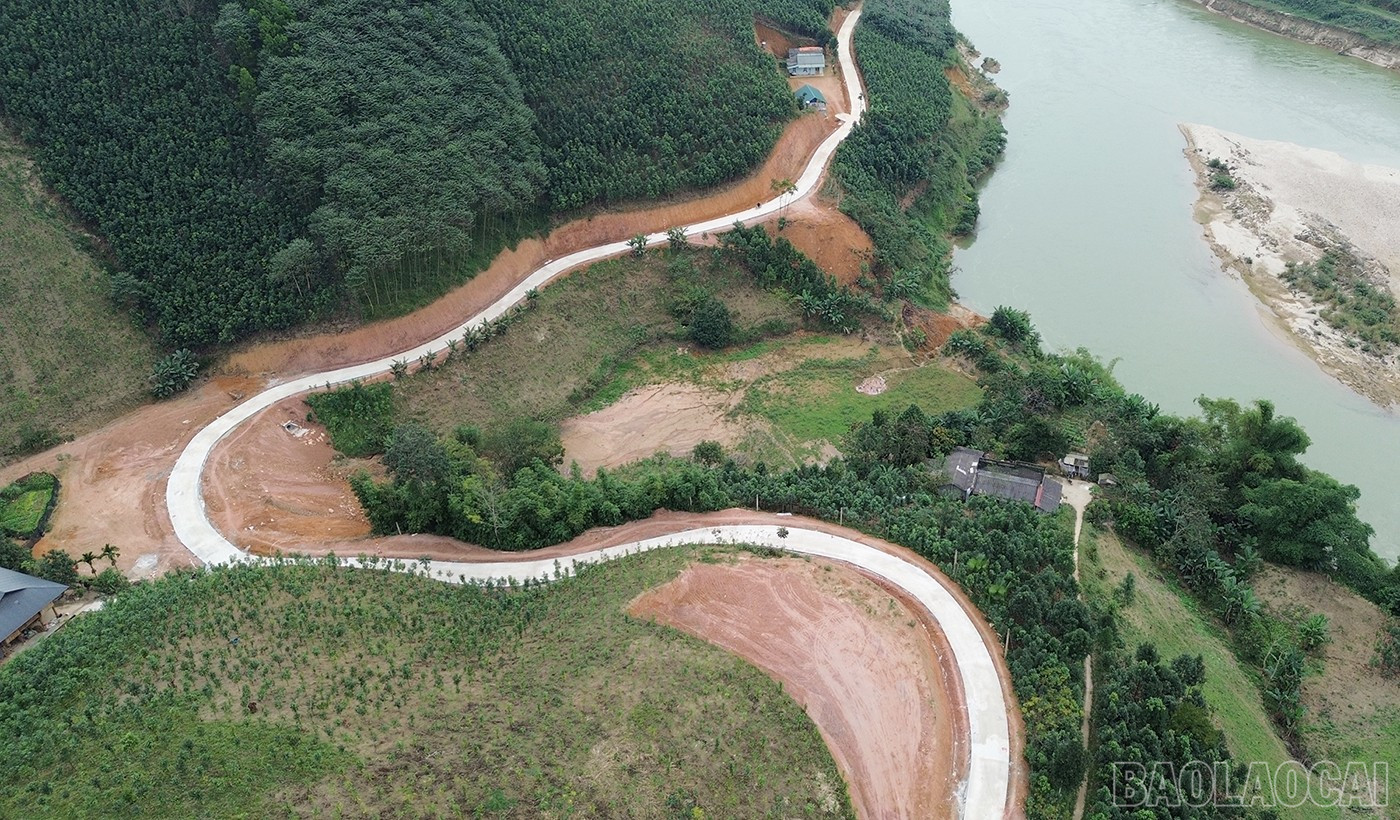
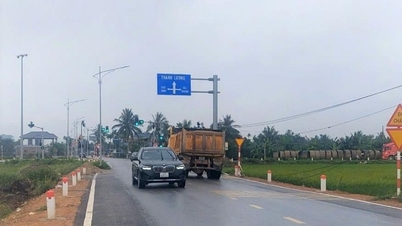
The road from the commune center to Ham Rong village is now paved with clean, widened, and well-maintained concrete. The Secretary of the Phuoc Khanh Commune Party Committee, Comrade Hoang Quoc Hung, happily stated: “This is the first road in the commune to be concreted nearly 15 years ago, when Lao Cai launched the new rural development movement. Now that the road has been widened and upgraded, it promises to help people transport agricultural products more conveniently.”
Mr. Le Duy Hung, Party Secretary and Head of Ham Rong village, happily shared: "To complete the road widening to 6.5 meters and the concreting of more than 4.3 kilometers, dozens of households in the village have donated 5,600 square meters of land."
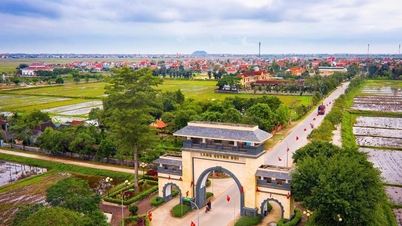
The new concrete roads and lush green rice fields on either side are clear evidence of the transformation of Ham Rong - a land that was once a desolate place, where people from Yen Binh (formerly Yen Bai) came to clear land and settle in 1966 and 1967.
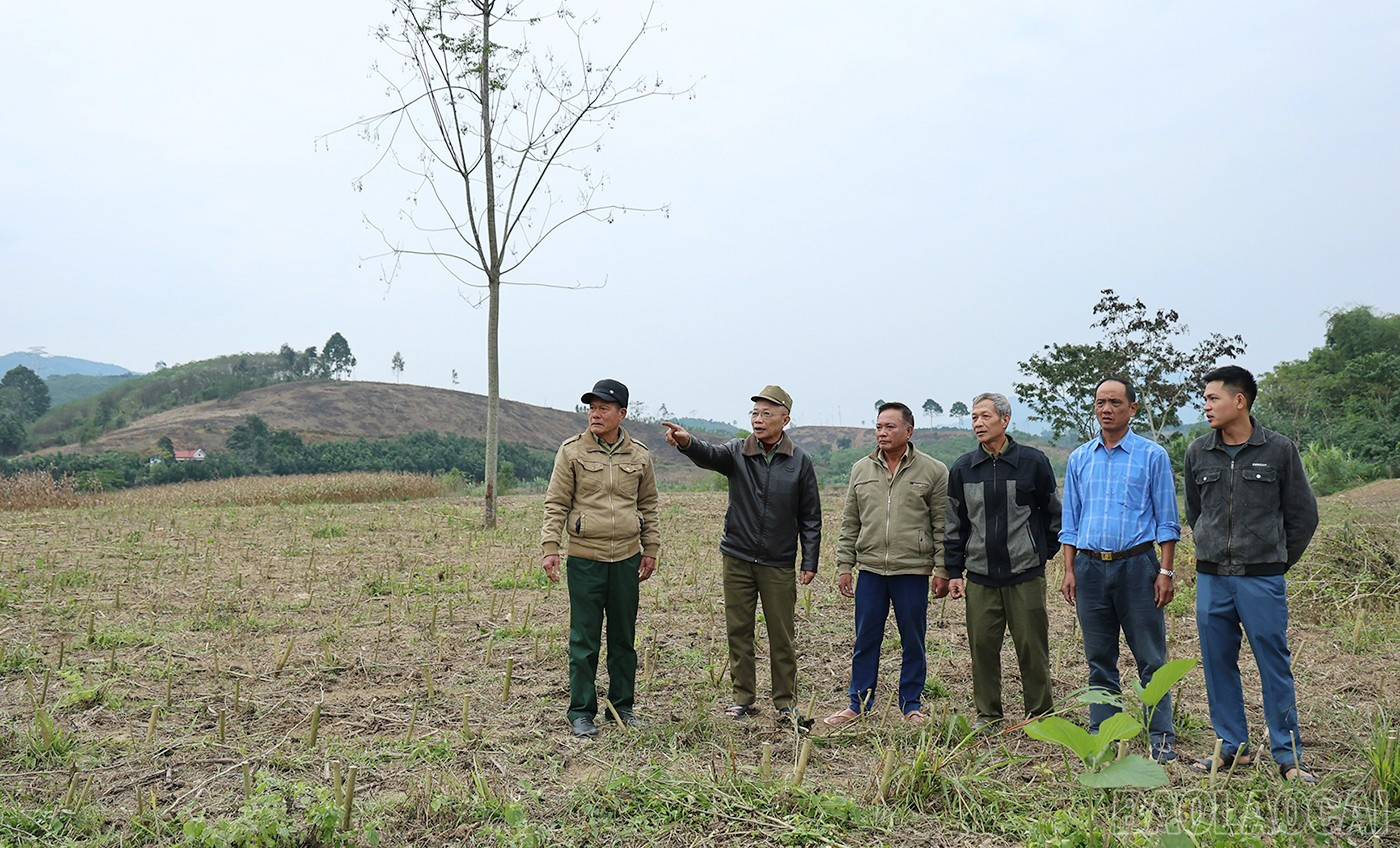
As one of the first people to move here, Mr. Nguyen Manh Thang reminisced: "Back then, Ham Rong was just a wild, overgrown wasteland, without electricity, clean water, or infrastructure. We had to build makeshift thatched houses and live by clearing land for farming and fishing in the river. It was hard work, but we always encouraged each other to persevere, because everyone believed that this would be a place we would settle down for a long time."
Despite the harsh natural environment and barren land, the willpower and spirit of unity helped the people here overcome all obstacles. They began clearing land, planting corn and rice, and adapting to the new environment. The natives of Yen Binh gradually integrated with the Tay, Nung, and Dao ethnic groups, and together they built a better life.
From barren to prosperous
Sixty years ago, Ham Rong was just a desolate mountainous area, but now the land along the Chay River has undergone a dramatic transformation, becoming a prosperous rural region. Lush green rice paddies, orchards laden with fruit, and rows of modern, well-built houses bear witness to the resilience of the people here.
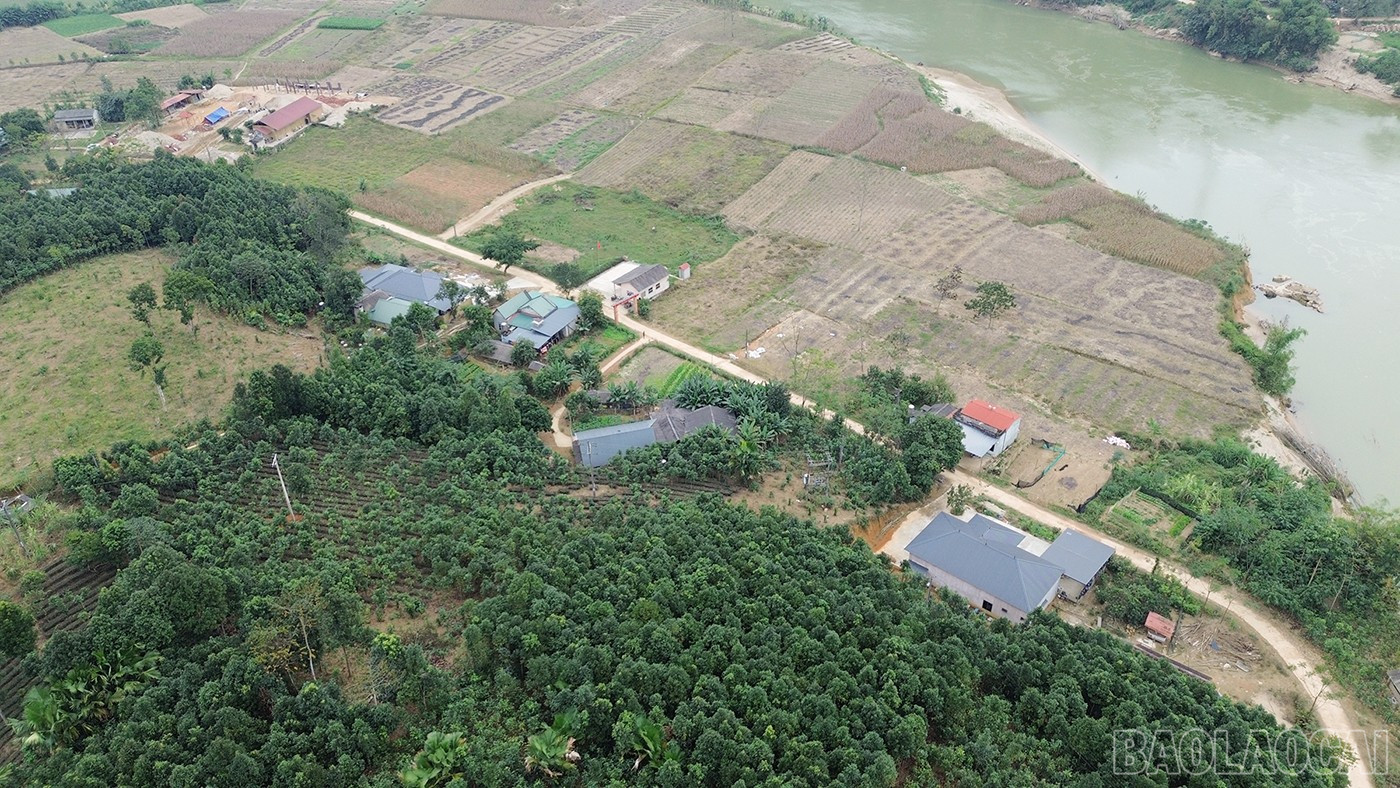
Mr. Doan Van Hoa, a resident of Ham Rong village, recalled: “On the first day, my whole family walked from 4 a.m., traversing a long distance to reach this unfamiliar land. It was the end of 1966, with only a few days left until the Lunar New Year. Initially, life was very difficult. We had to beg for cassava roots and sweet potatoes from the Tay and Nung people to eat each day. But then everyone joined hands to clear the land, build houses, and create a new life.”
Starting with 17 households from the former Dong Thanh and Dong Van communes of Yen Binh district, Ham Rong village now has 67 households. While in many other localities, young people choose to leave their hometowns to work elsewhere for more income, in Ham Rong, the people remain steadfastly attached to their village, striving to prosper right in their homeland. Pioneering families who have achieved success in economic development are also willing to help and share their methods so that other households in the village can learn and follow suit.
In his spacious, newly built house with modern architecture, Nguyen Duc Nghia, a second-generation resident of this land, excitedly shared: "It all comes from the cinnamon tree! Our ancestors worked hard to build this foundation, so we must strive to preserve it and make our homeland even more prosperous and beautiful."
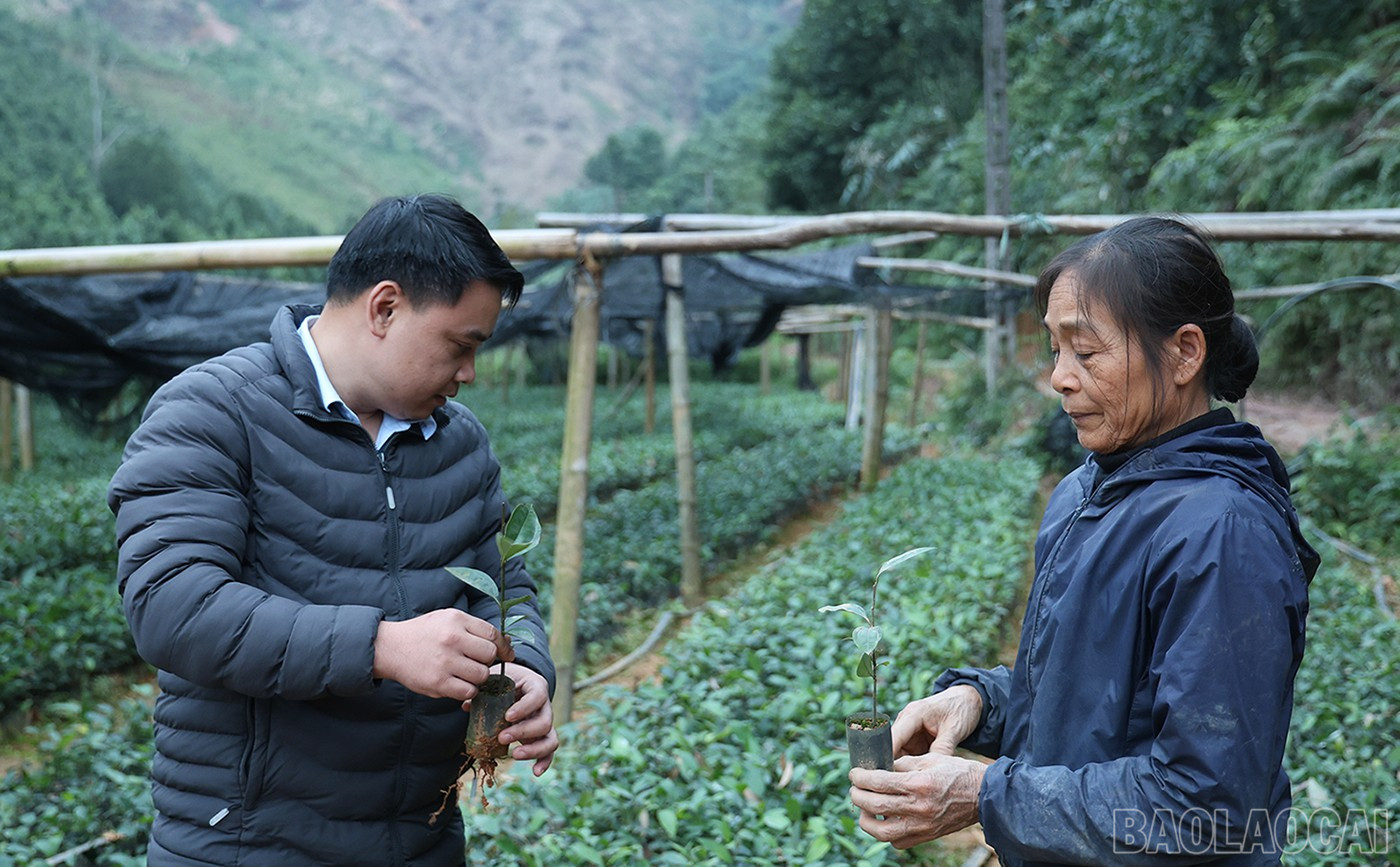
Cinnamon trees were introduced to the Ham Rong hilly area in the early 1990s. Initially, it was just an experiment, but the cinnamon trees thrived, bringing in high income. Today, most households in the village cultivate cinnamon. Some families have a few hectares, while others have 10-20 hectares. For example, Mrs. Nguyen Thi Hien's family currently owns nearly 20 hectares of forest, mainly cinnamon and acacia trees. Besides planting trees, her family also runs a nursery, supplying seedlings to people in the area. Mrs. Nguyen Thi Hien proudly says: “In recent years, thanks to cinnamon cultivation, my family has had a stable income, and my children have been able to receive a full education. Life is very different now than it used to be.”
Mr. Le Duy Hung, Head of Ham Rong Village and Party Secretary of Ham Rong Village, shared: "Thanks to cinnamon trees, the people of Ham Rong have escaped poverty, and many families have even become wealthy. By 2025, the village will have reduced the number of poor households by two more, leaving only three poor households in the entire village. Cinnamon trees are not only the main source of income but also a source of hope for the future. With economic development, people have the means to take care of their children's education and actively participate in local emulation movements."
Mr. Hung said that, regardless of the hardships of the past or the many changes now, the most valuable thing is that the villagers always remain united and help each other in life. Here, no one discriminates based on ethnicity or origin. Everyone treats each other like family.
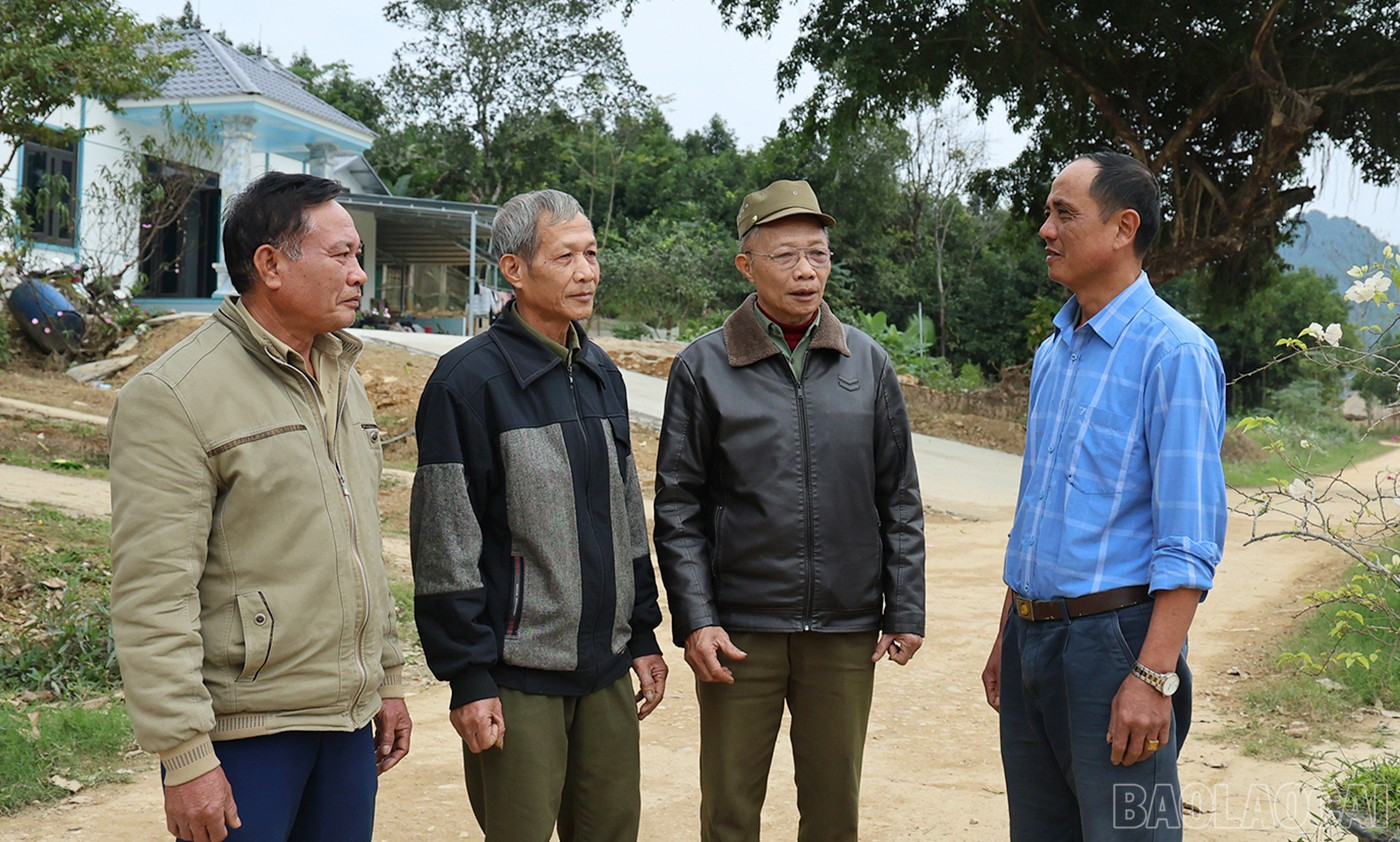
Starting from nothing, the migrants from Yen Binh transformed the barren land into a prosperous countryside. Over half a century, Ham Rong is not only a testament to the transformation of a region, but also a symbol of the strength of unity and the indomitable spirit of its people.
In its new phase of development, Ham Rong village proudly stands as one of the exemplary models of new rural construction in Phuc Khanh commune. New houses springing up, clean concrete roads, vast cinnamon forests… all are vivid evidence of the efforts of the local people to improve their lives. This land along the Chay River continues to transform, promising a bright future where the people will together write new chapters of pride.
Source: https://baolaocai.vn/doi-thay-vung-dat-ven-song-chay-post892202.html

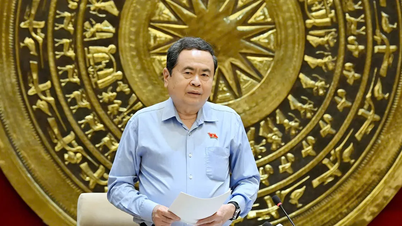
![[Photo] National Assembly Chairman Tran Thanh Man working with the Standing Committee of the National Assembly's Ethnic Council](https://vphoto.vietnam.vn/thumb/1200x675/vietnam/resource/IMAGE/2026/05/21/1779337435930_ndo_br_1-jpg.webp)
















![[Image] "Journey of Hope" promotes the organ and tissue donation movement in Vietnam.](https://vphoto.vietnam.vn/thumb/1200x675/vietnam/resource/IMAGE/2026/05/20/1779294400833_1-8910-jpg.webp)











































Comment (0)